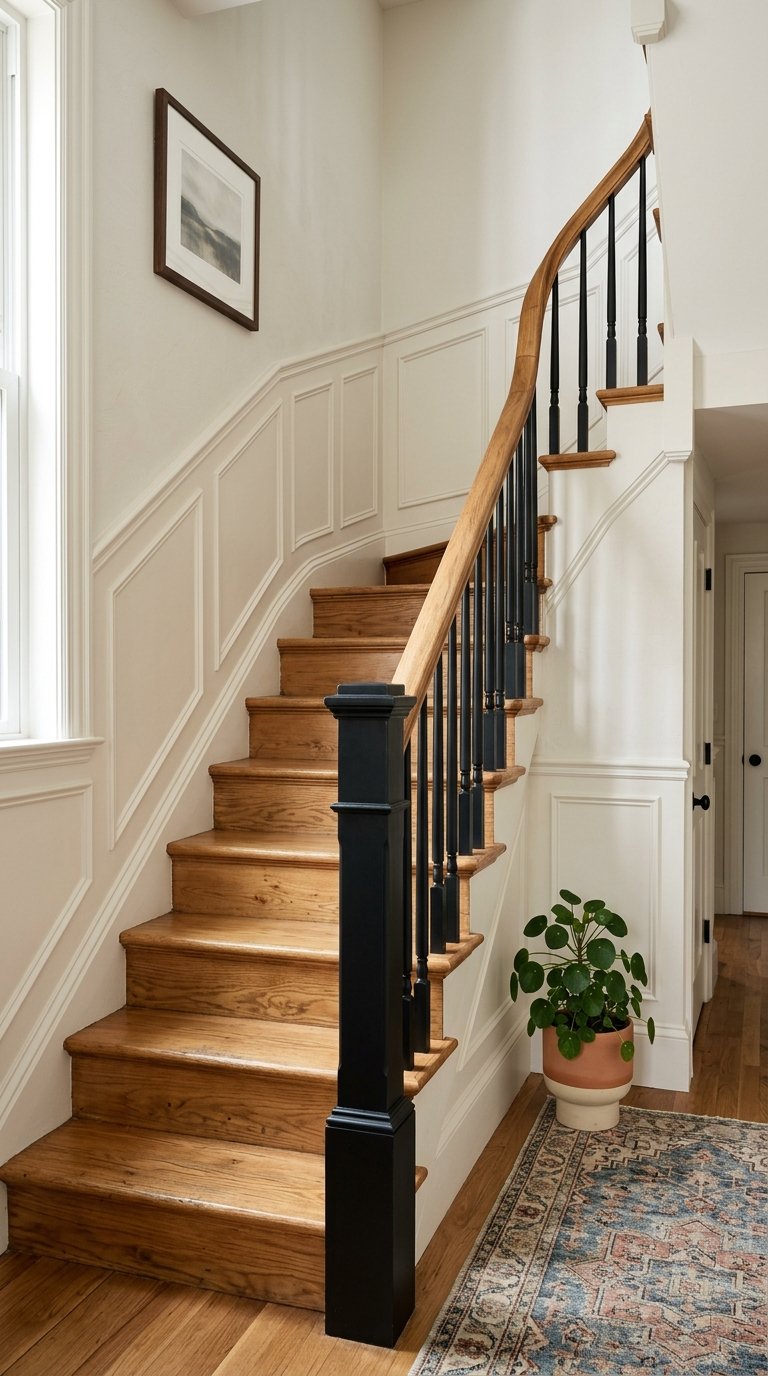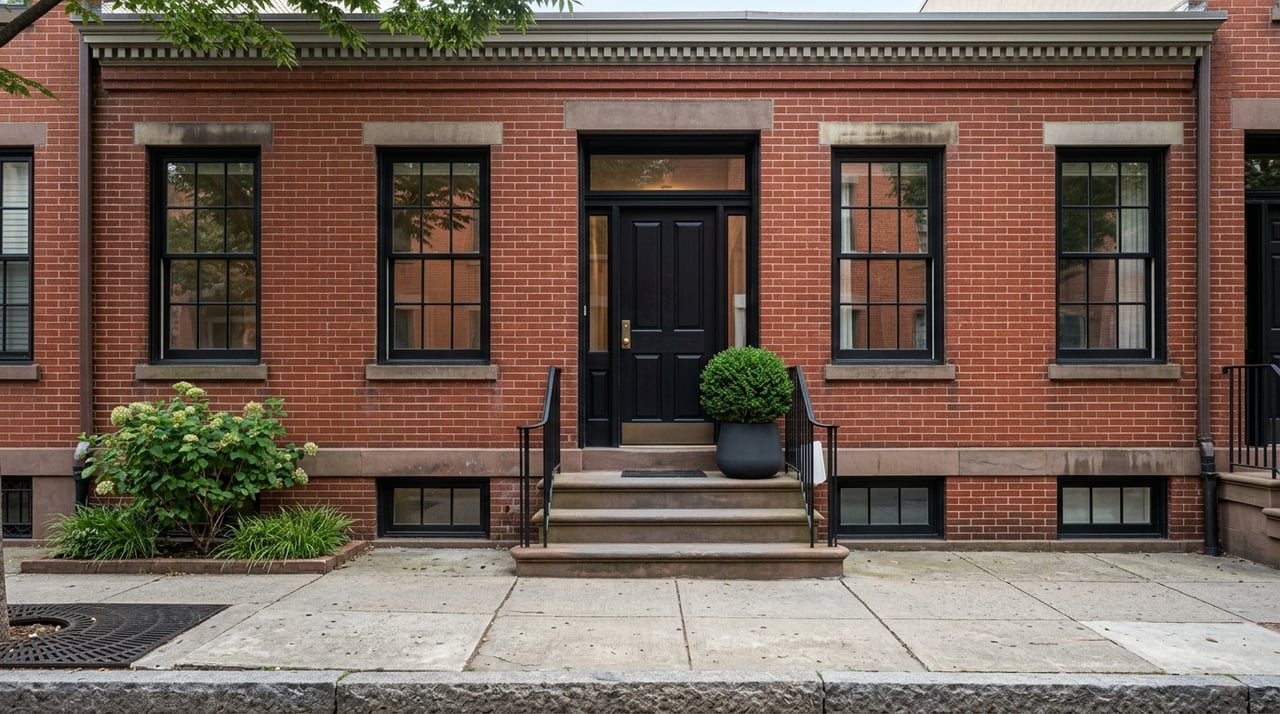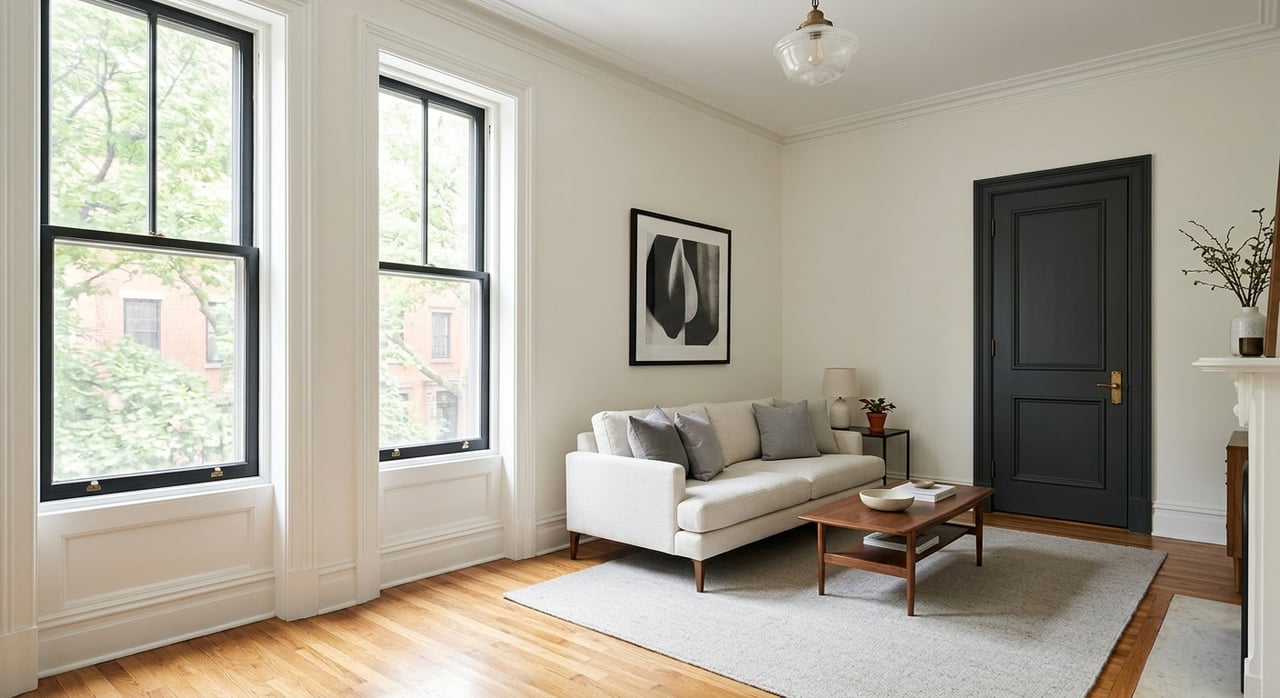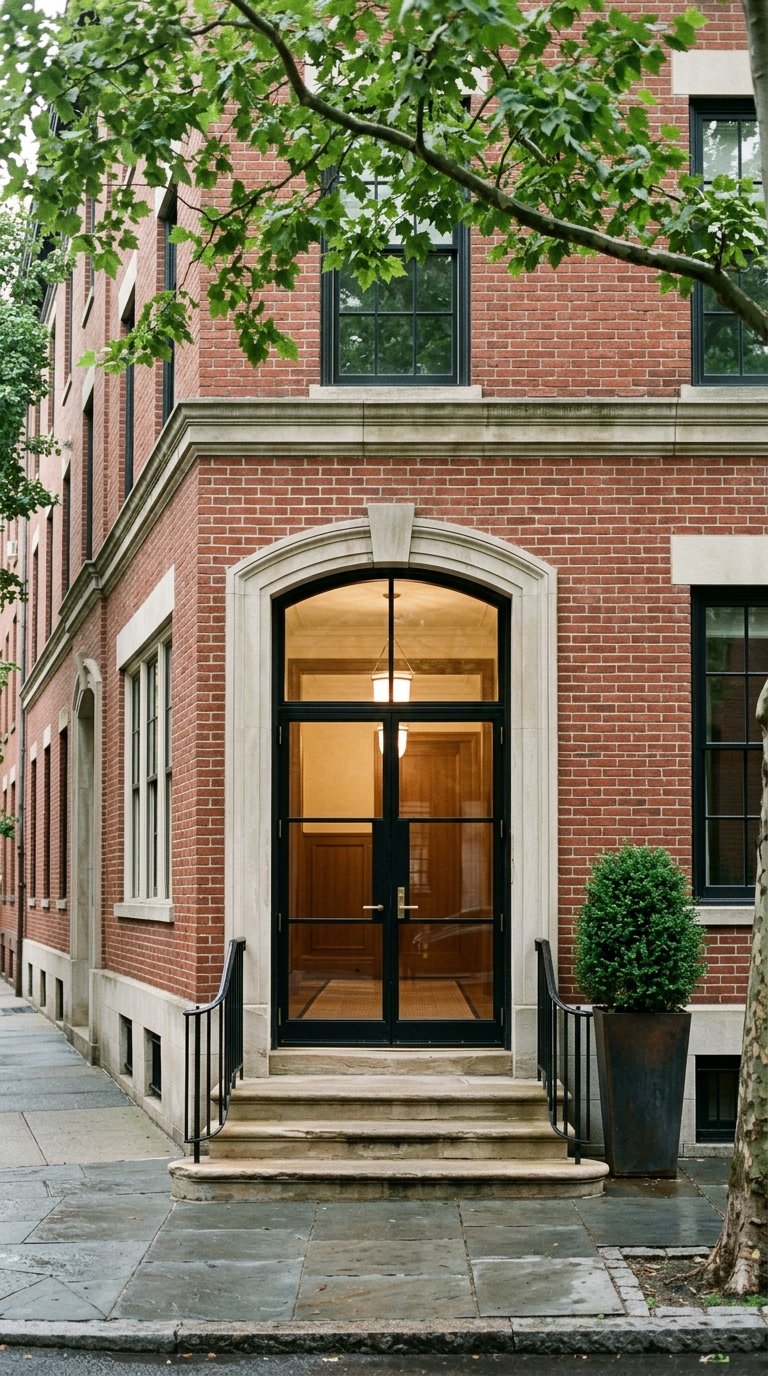
Trying to choose between a condo or a rowhouse in Logan Circle? You’re not alone. Both options put you close to 14th Street’s dining and retail, transit, and parks, but they deliver very different day‑to‑day experiences and cost profiles. In this guide, you’ll learn how purchase price, monthly and long‑term costs, maintenance, lifestyle, and resale potential compare so you can buy with confidence. Let’s dive in.
Logan Circle at a glance
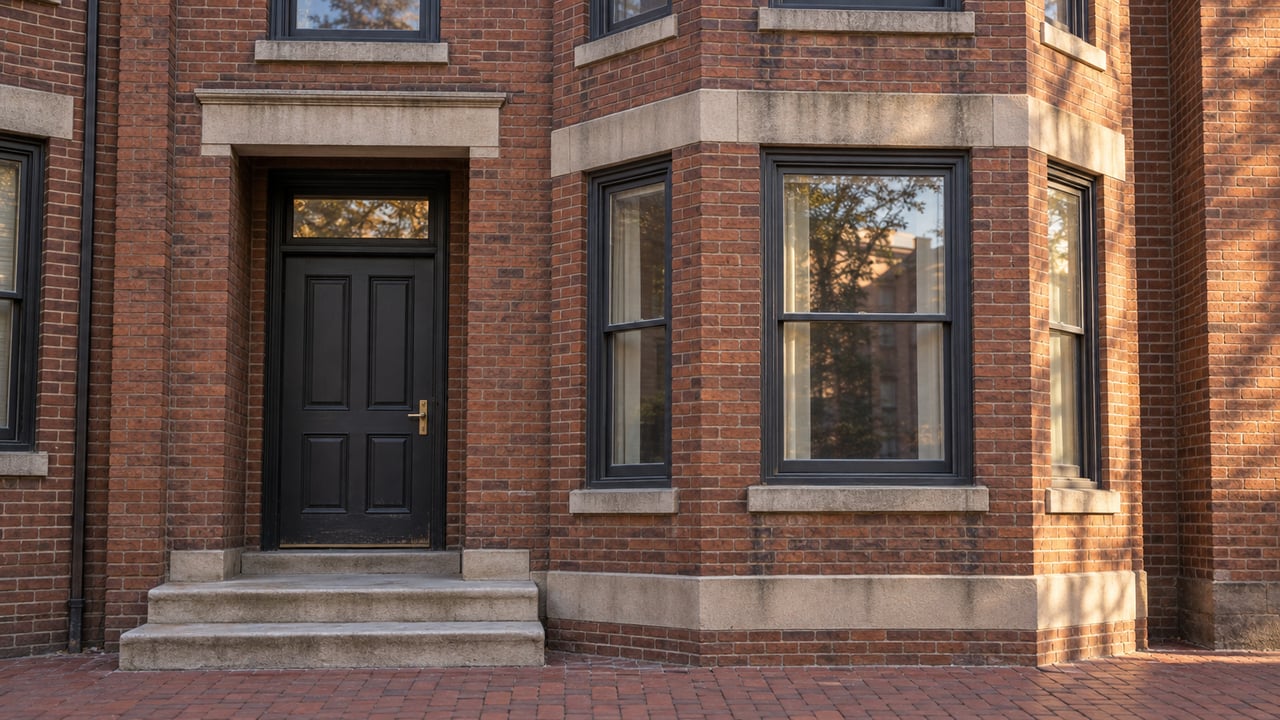
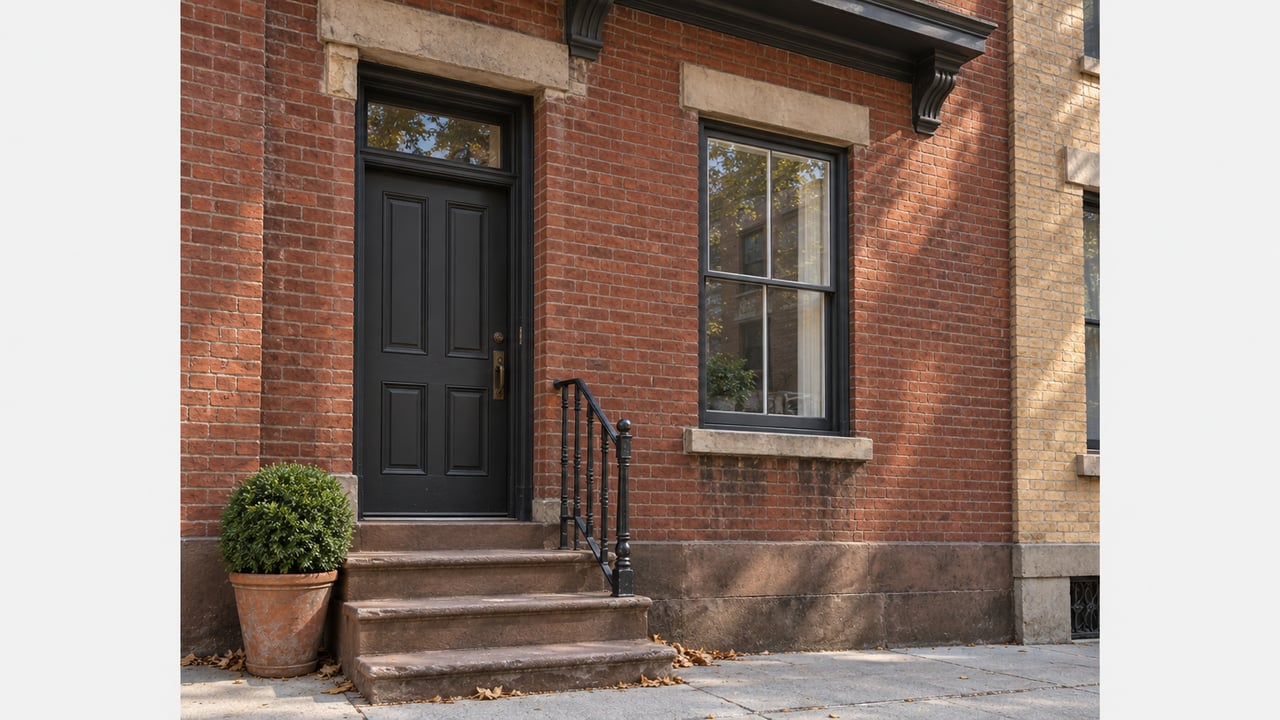
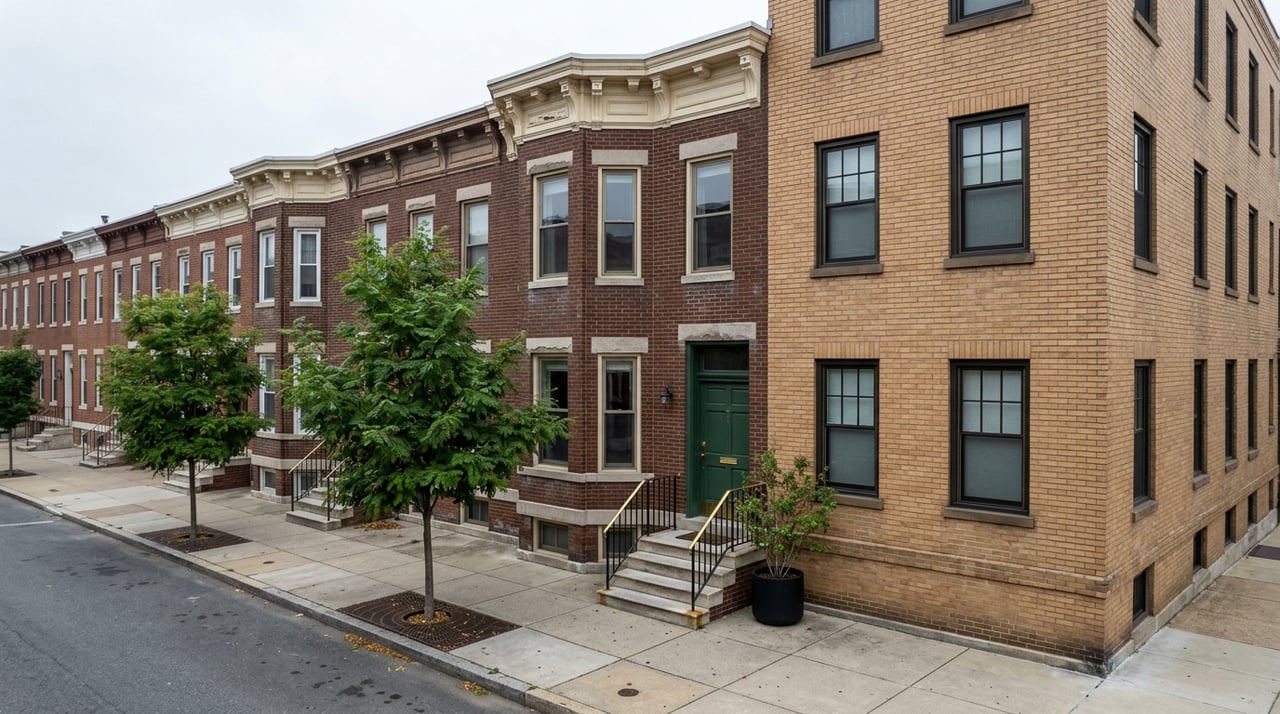
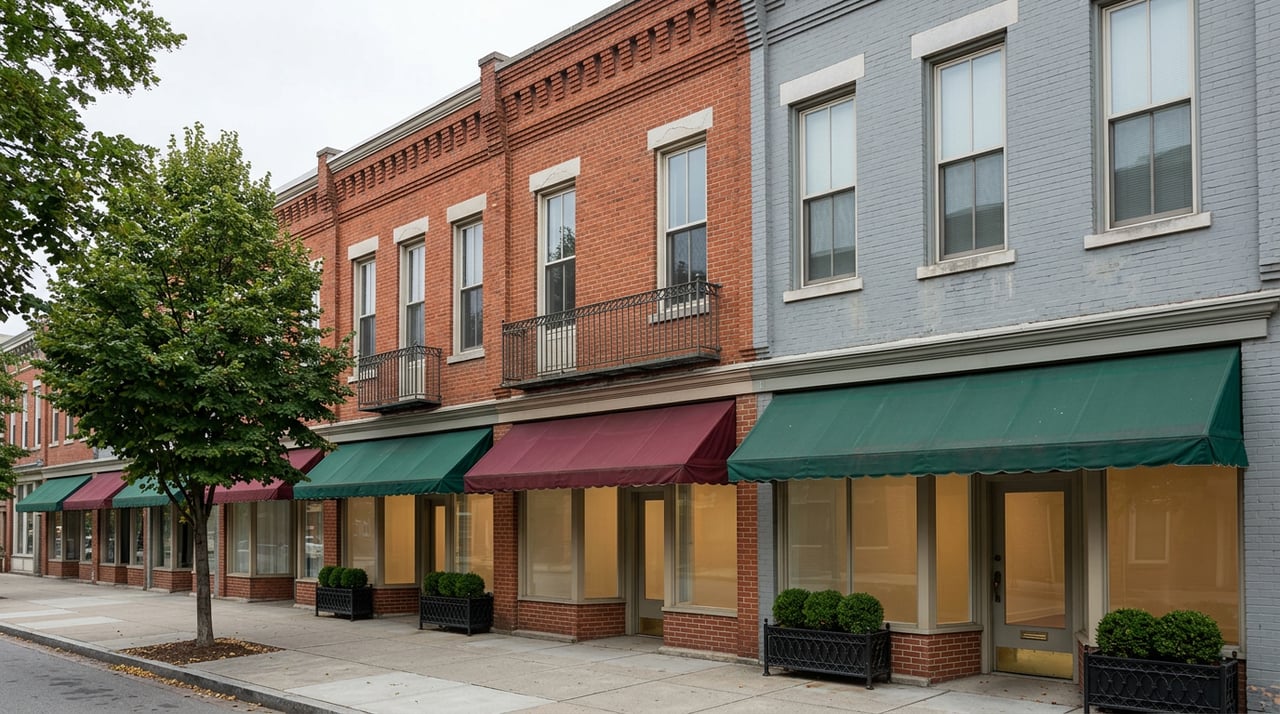
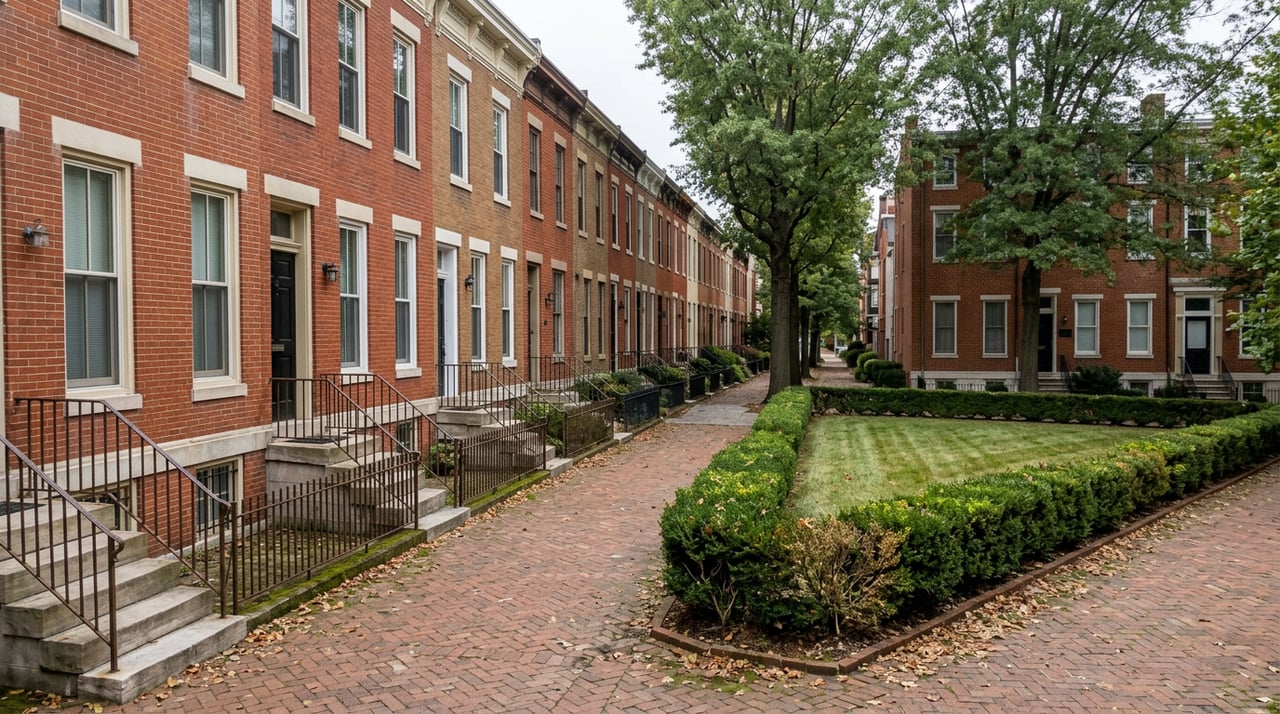
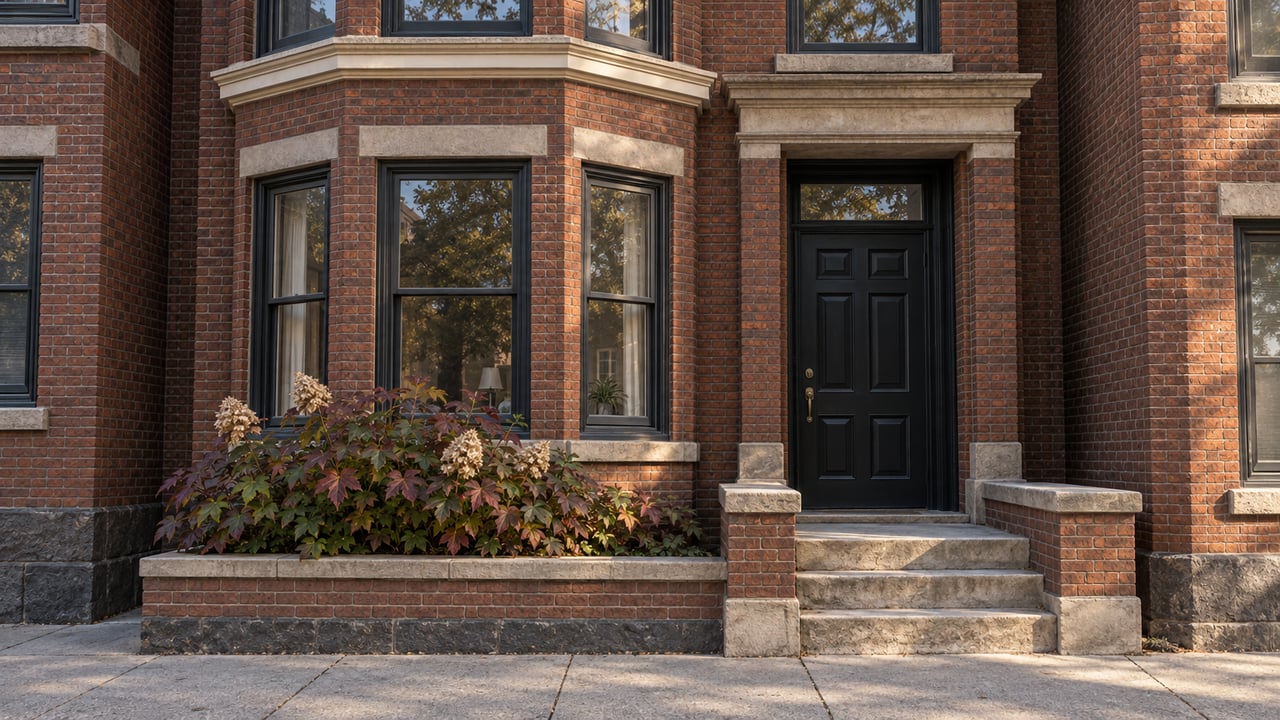
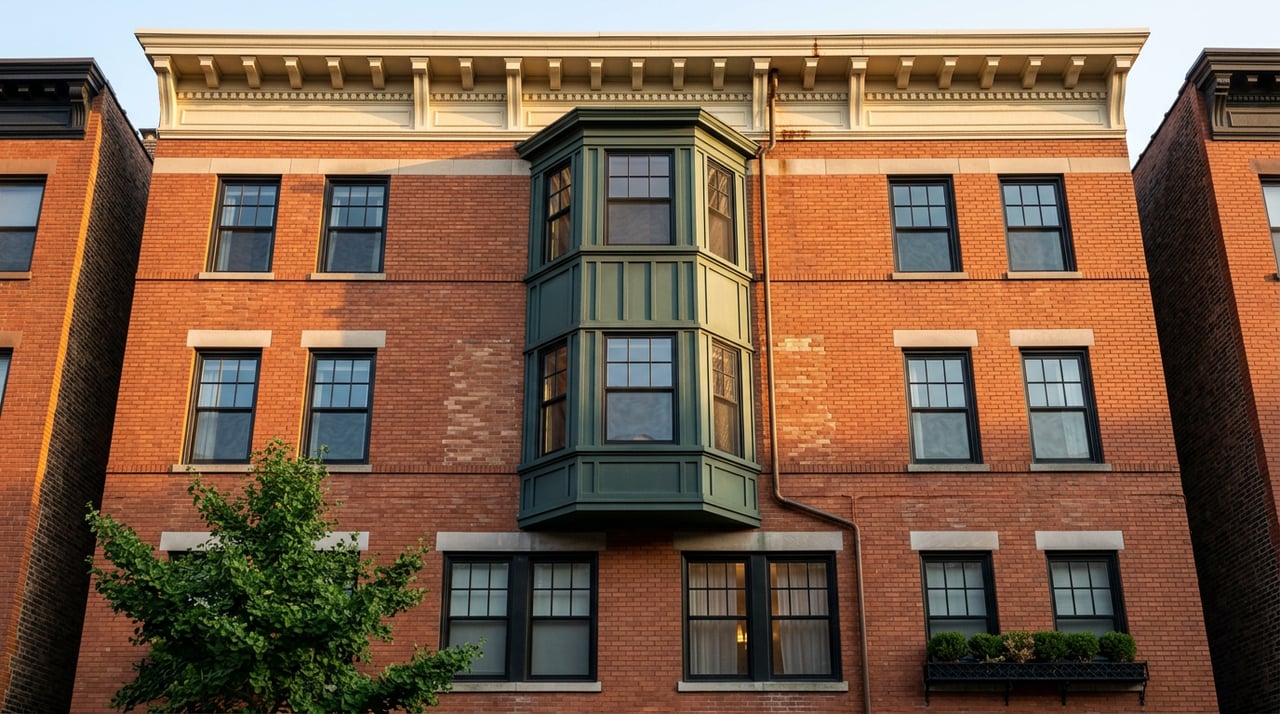
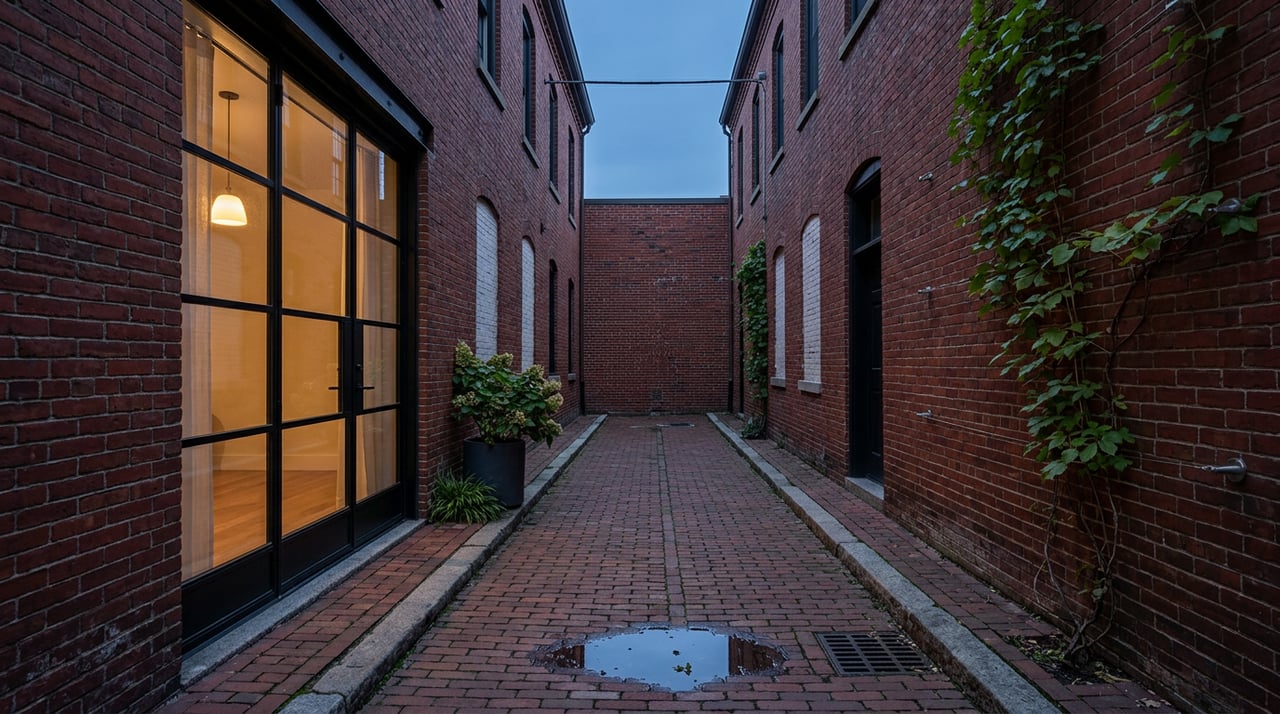
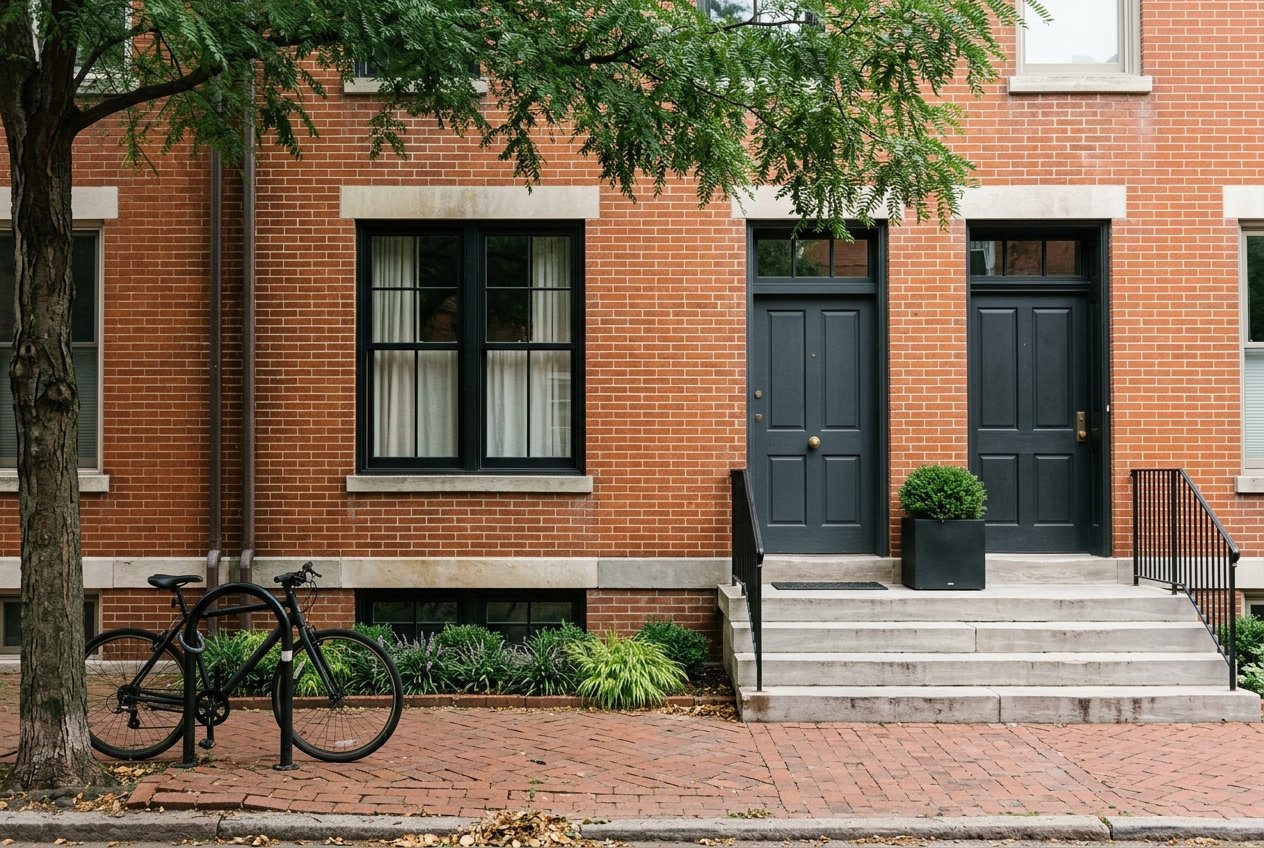
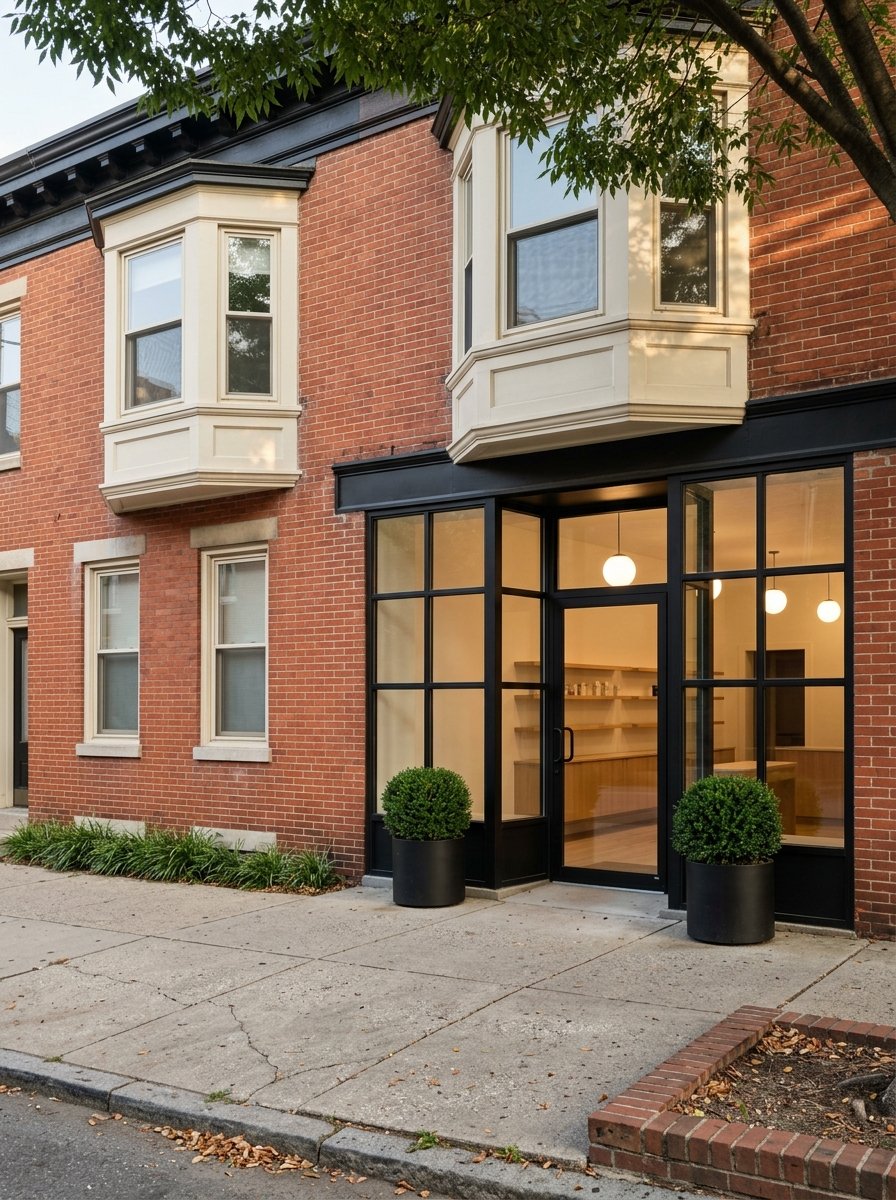
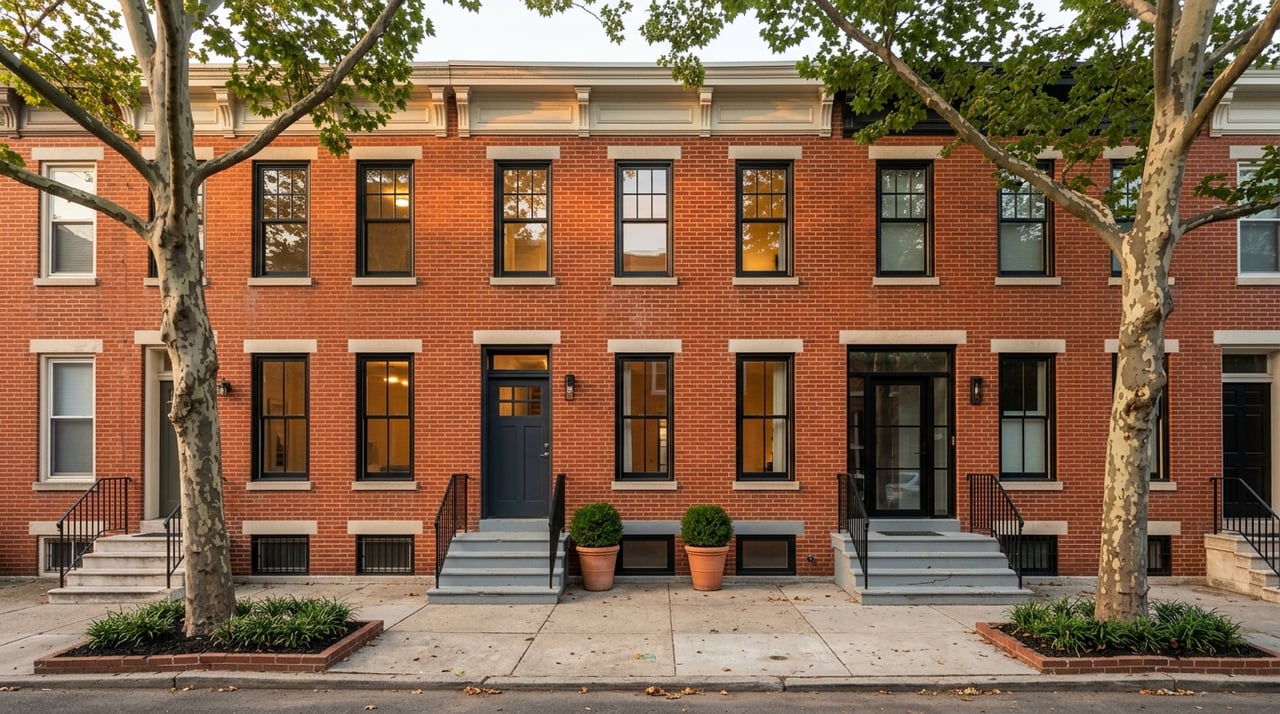
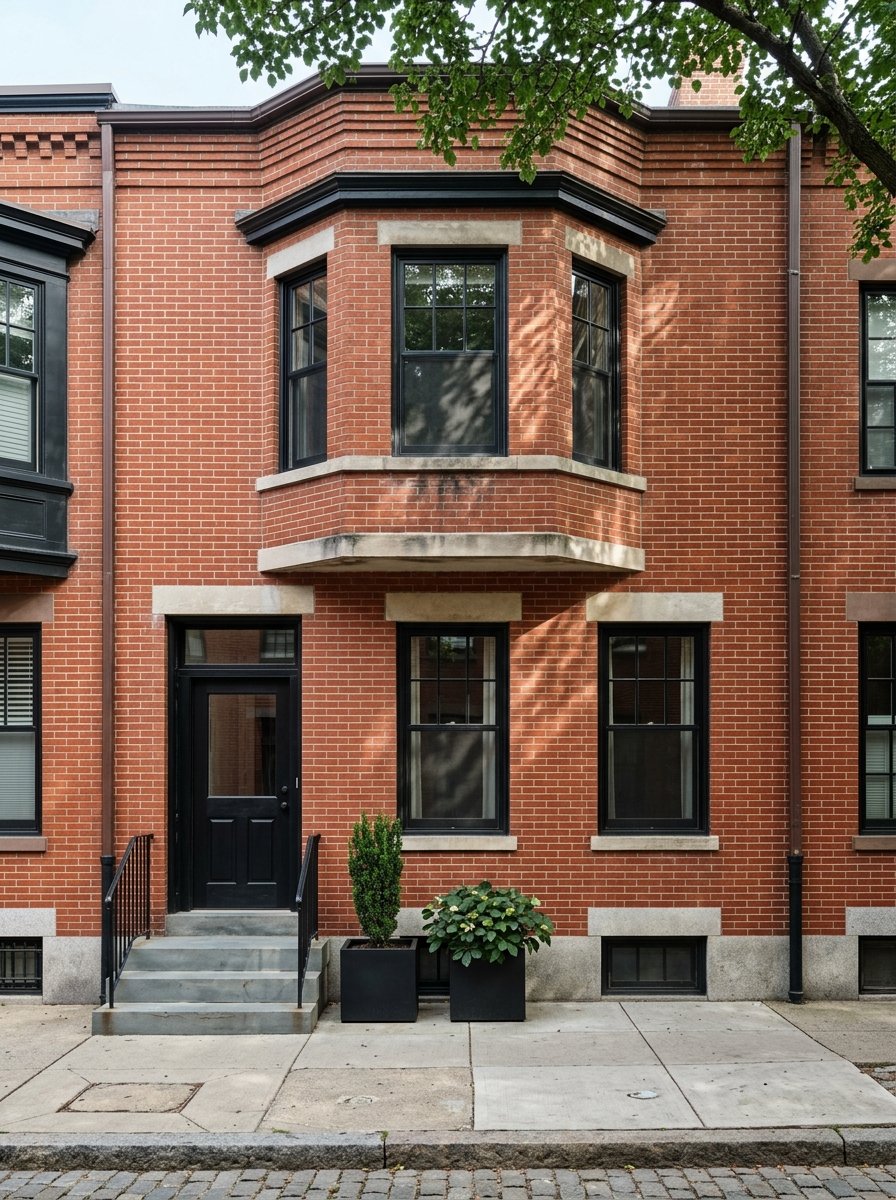
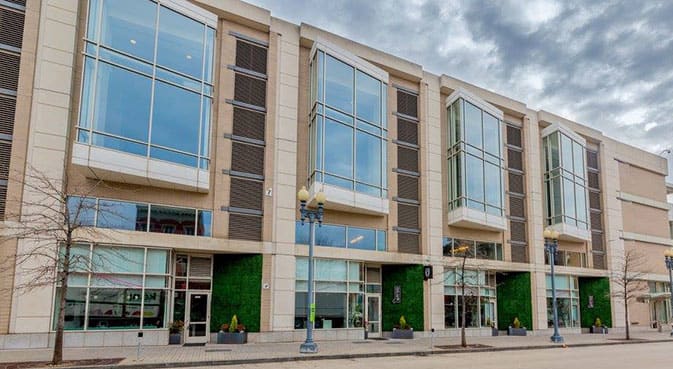
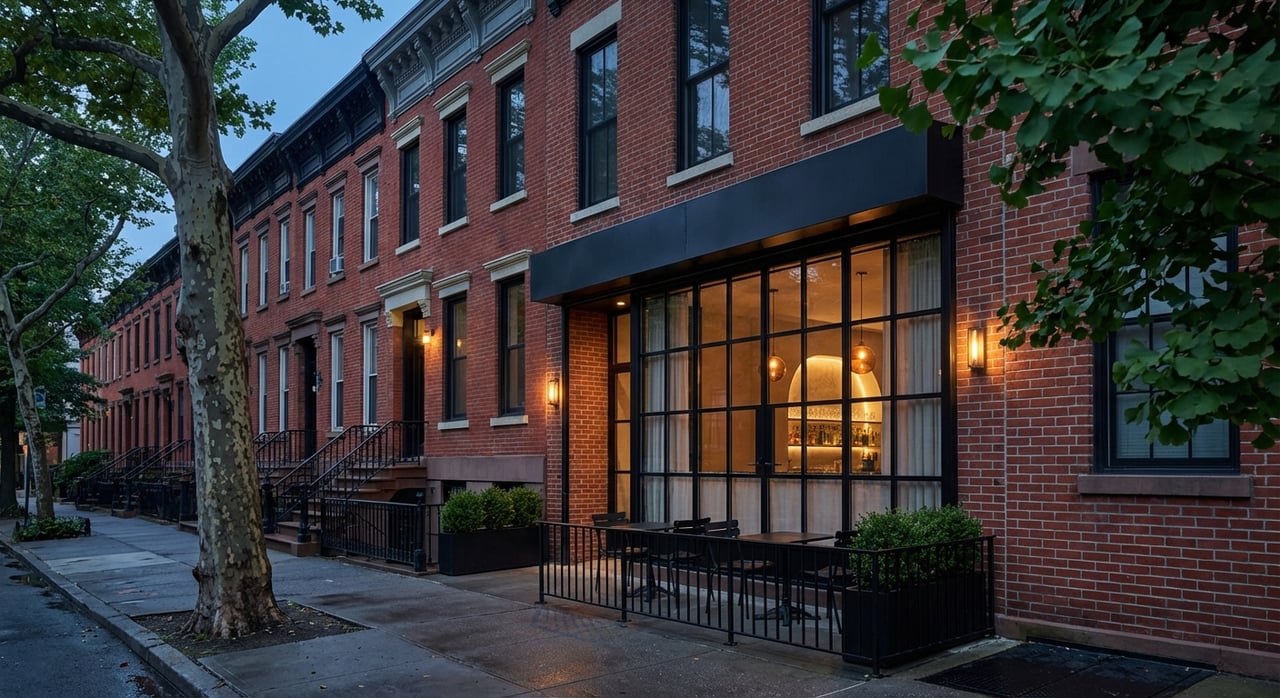
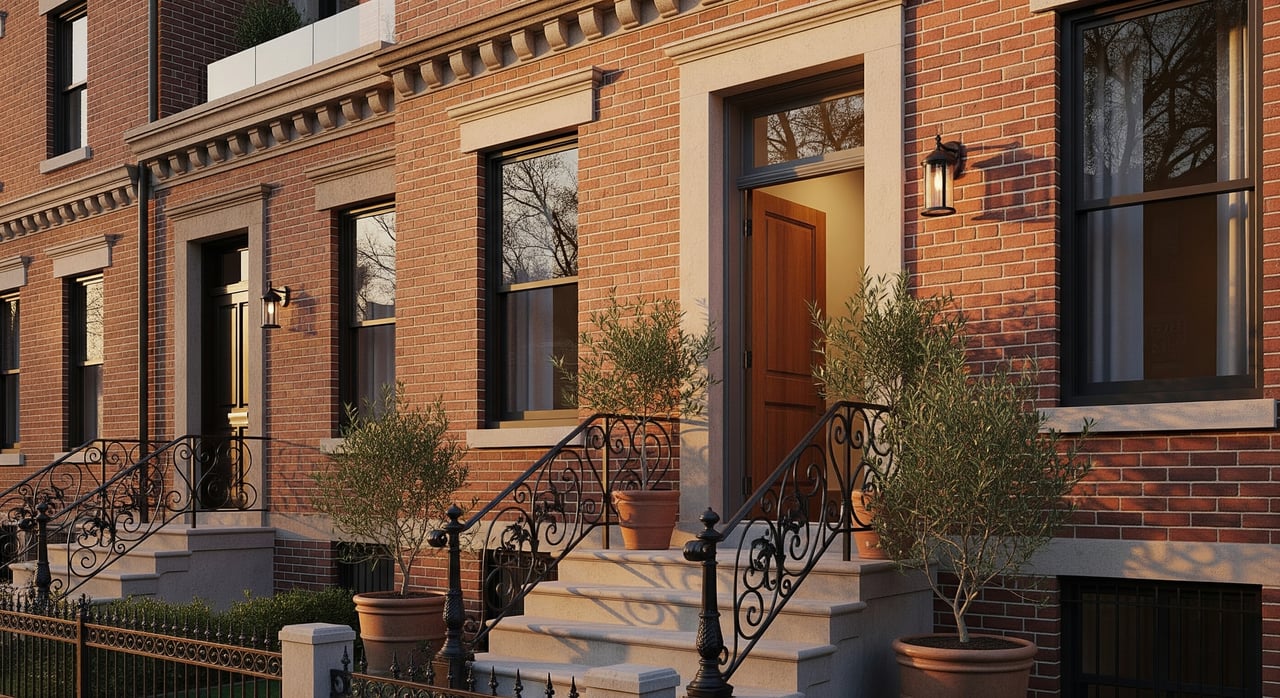
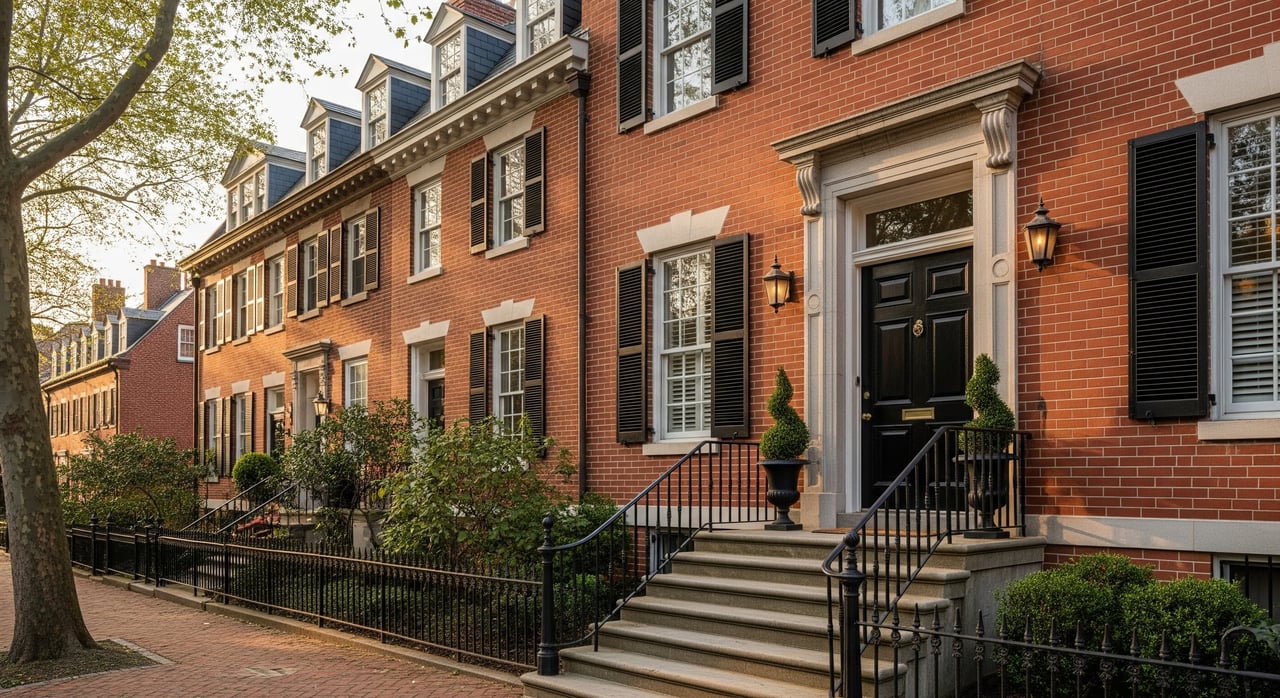
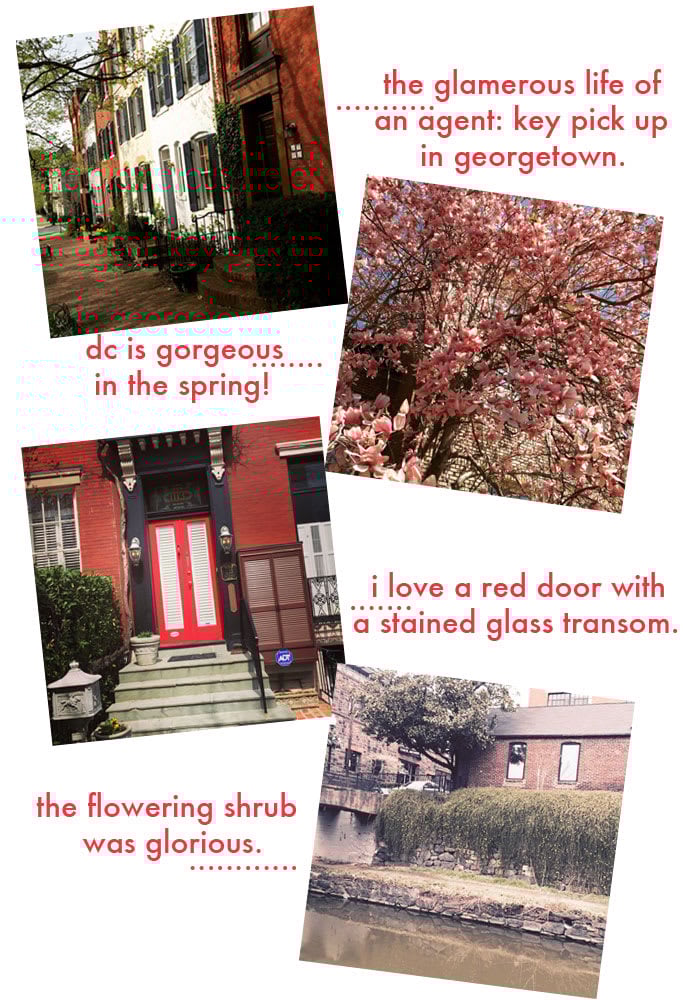
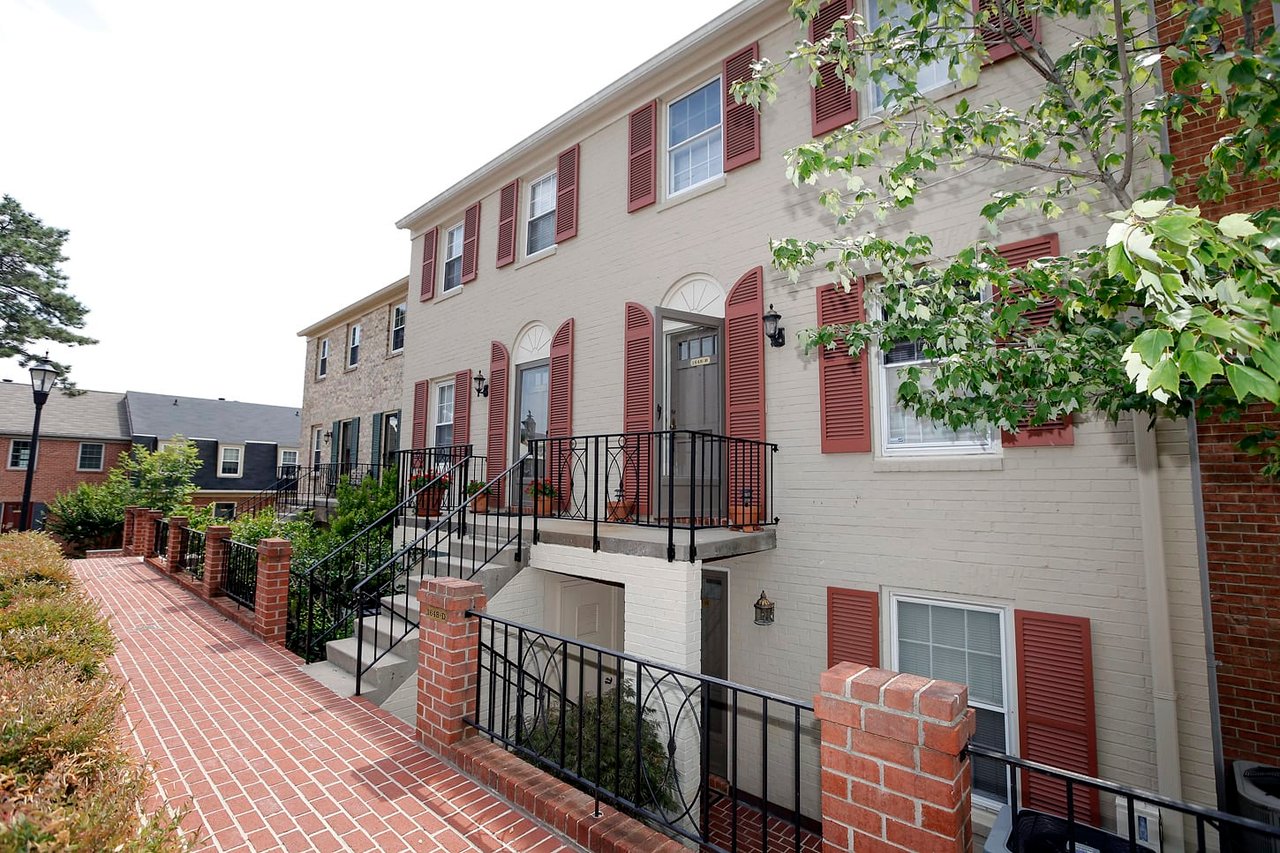
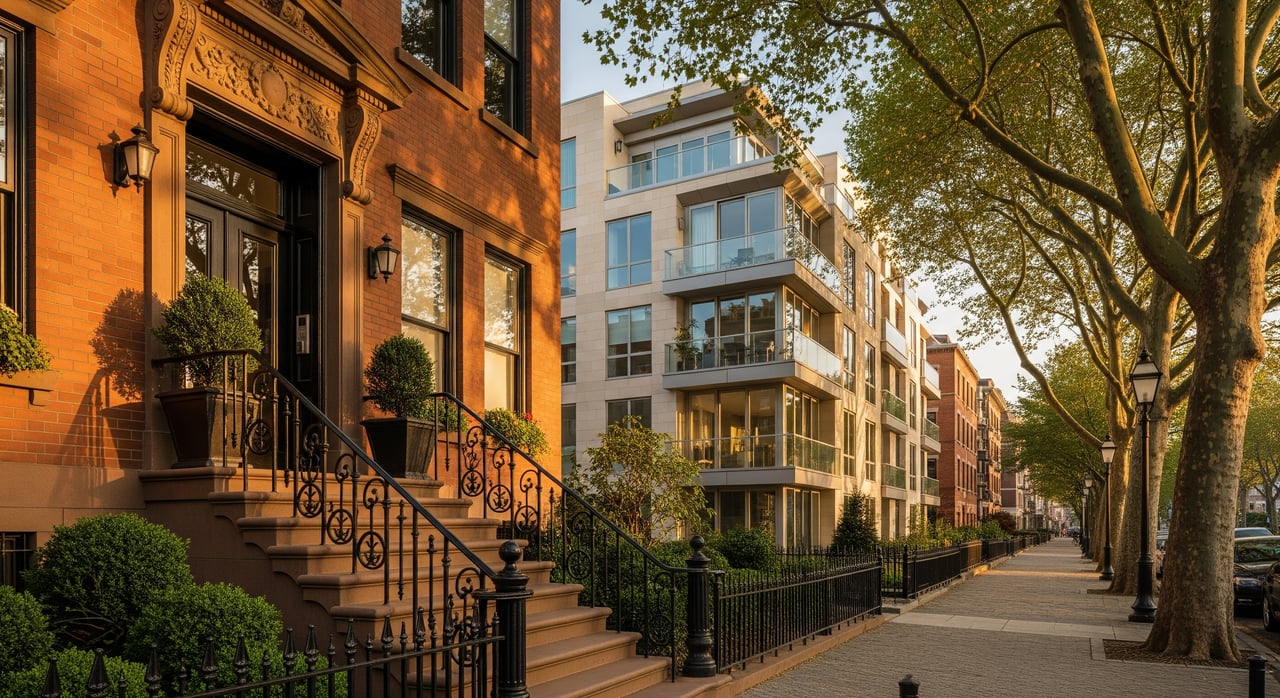
Logan Circle is a central Northwest DC neighborhood known for grand late‑19th‑century rowhouses, historic conversions, and newer condominium buildings. Most homes sit steps from restaurants, boutiques, and fitness studios along 14th Street, with nearby Metro access at stations like Mt Vernon Sq/7th St‑Convention Center, U Street, and Shaw‑Howard.
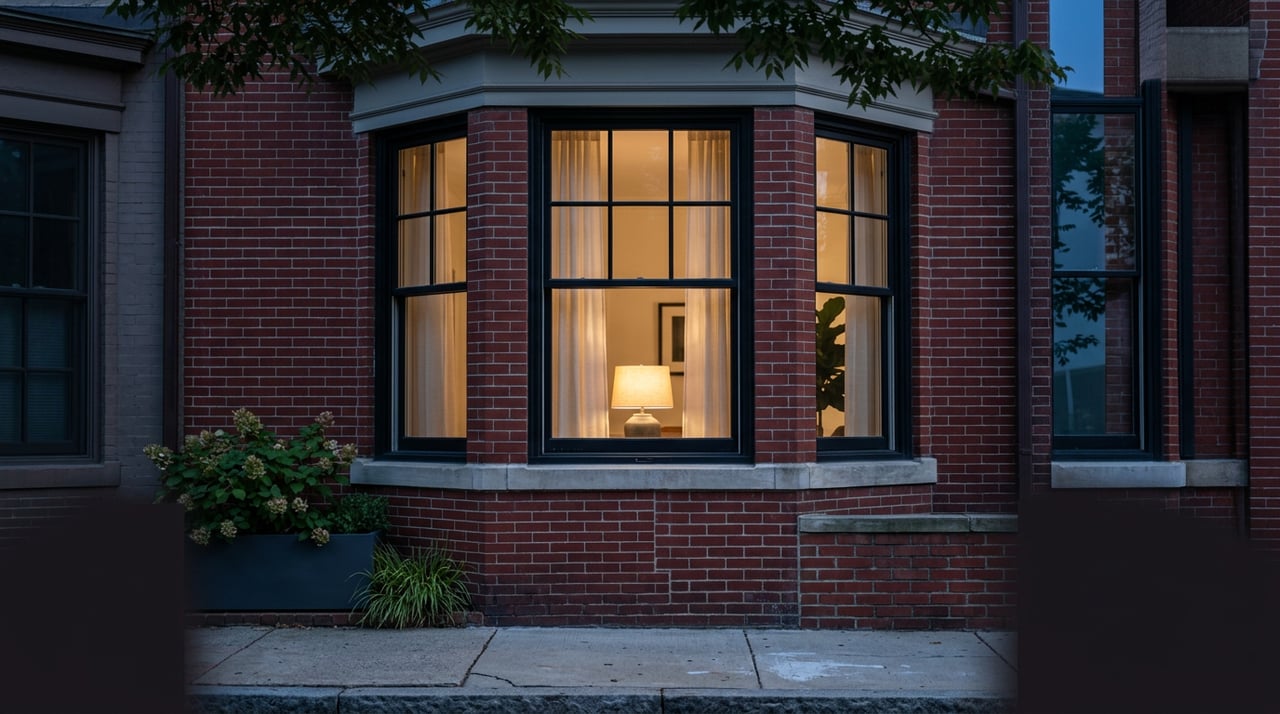
Many blocks include historically significant architecture. If you buy a rowhouse on a protected street, exterior changes may be subject to review by local historic preservation authorities. Always confirm a specific address on the official map before planning any exterior work.
Upfront costs: price, fees, and taxes
- Purchase price: Rowhouses in Logan Circle typically command higher total prices than condos because they offer more square footage, multi‑level living, and private outdoor space. Price per square foot varies by renovation level, building age, and location within the neighborhood.
- Condo fees vs. none: Condos usually have monthly association fees that fund building insurance, common area maintenance, reserves, and sometimes utilities and amenities. In central DC, monthly fees commonly range from roughly 200 to 1,000+ dollars depending on services. Many rowhouses do not have an HOA fee, though some modern developments do.
- Taxes and closing costs: DC property taxes apply to assessed value for both condos and rowhouses. Transfer and recordation taxes, title, and other closing costs are broadly similar, though condo resales may include association document fees.
Bottom line: Condos can reduce the upfront purchase price but add a predictable monthly fee. Rowhouses usually cost more upfront and may have variable maintenance costs over time.
Monthly and long‑term costs
- Maintenance responsibilities: In a condo, the association typically covers the building exterior, roof, common systems, and shared spaces. You cover interior upkeep and an HO‑6 policy. In a rowhouse, you are responsible for everything, including roof, facade, major systems, and yard.
- Budget planning: A common rule of thumb for single‑family or rowhouse ownership is to budget 1 to 3 percent of home value per year for maintenance and repairs, depending on age and condition. For condos, convert the monthly HOA fee to an annual number and consider that some utilities and building insurance may be included.
- Insurance: Condo policies (HO‑6) typically cost less than homeowners policies for a rowhouse because the association insures the building shell. Rowhouse policies usually run higher since they cover the full structure.
- Utilities and parking: Rowhouses often have higher utility usage due to larger space and older construction. Some condos bundle heat or water in the fee. Parking varies by property. Rowhouses may offer a garage or alley parking, while many condos include a deeded space or charge separately.
Space and lifestyle fit
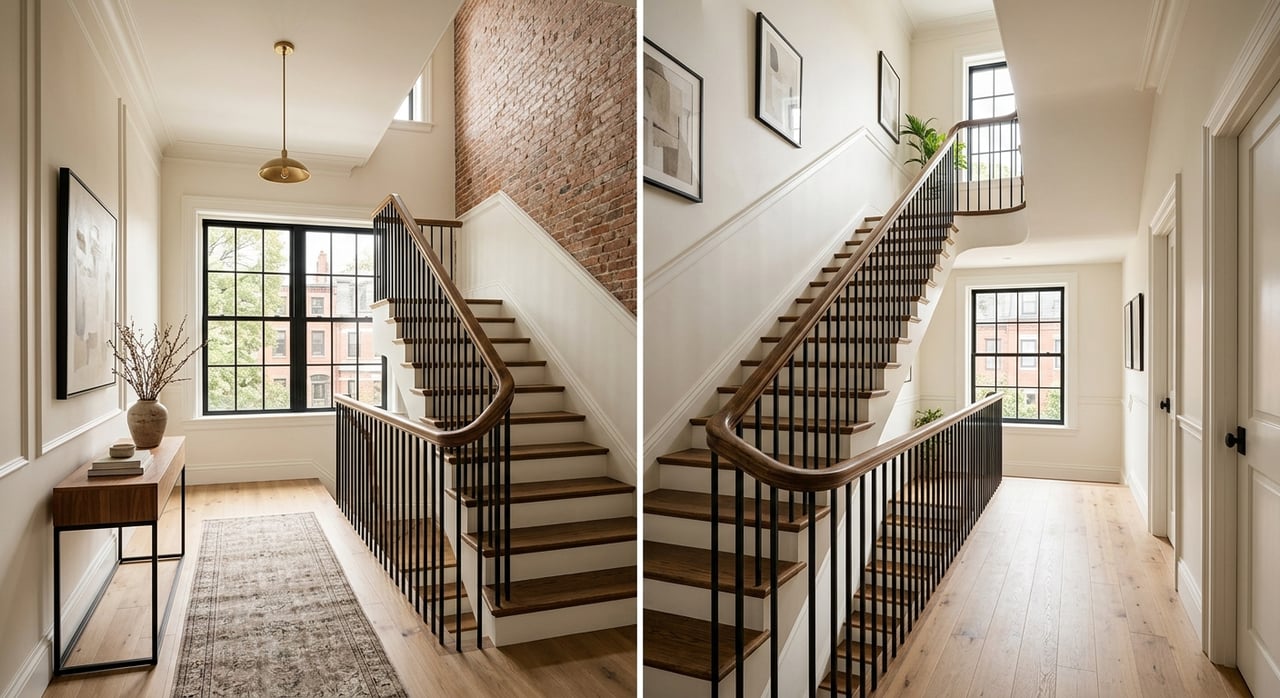
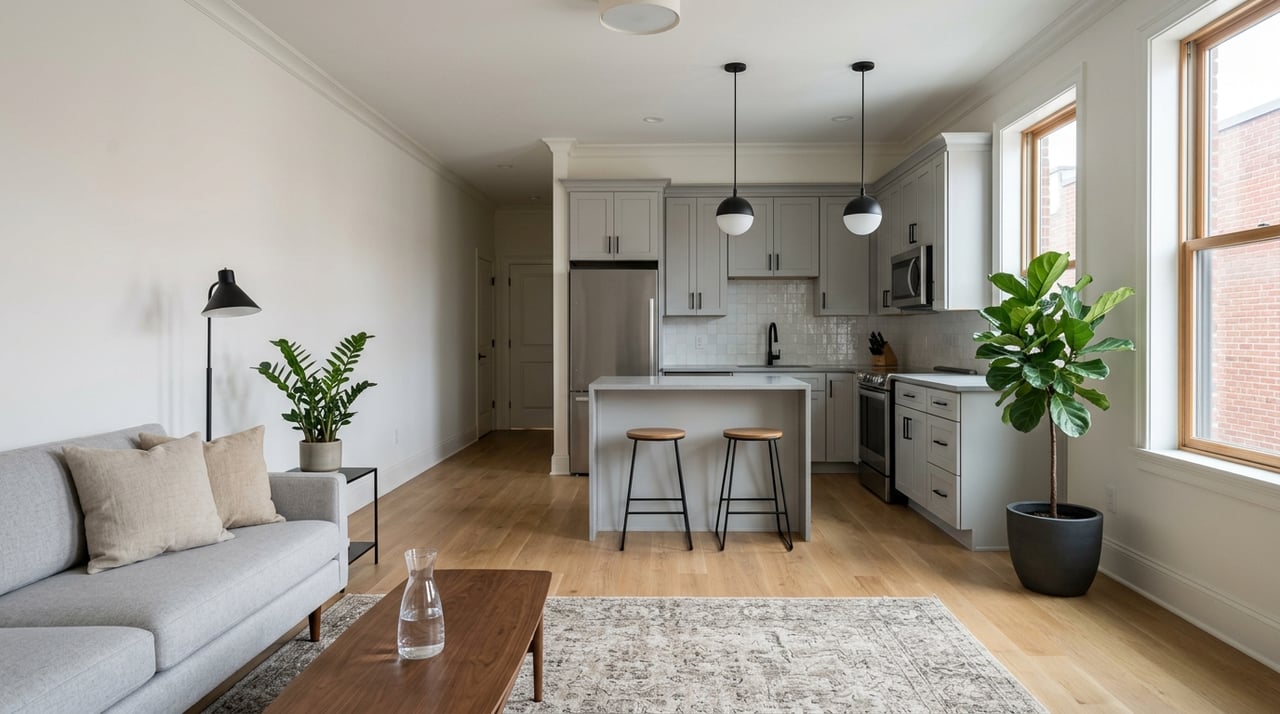
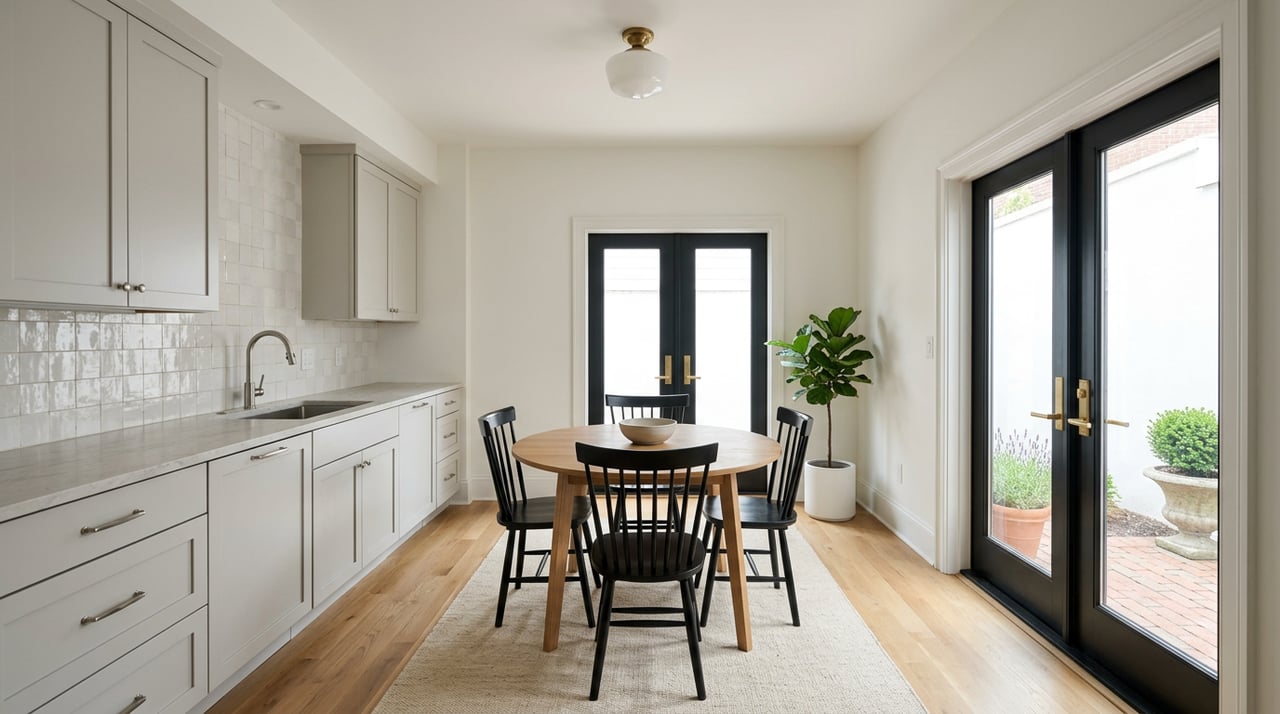
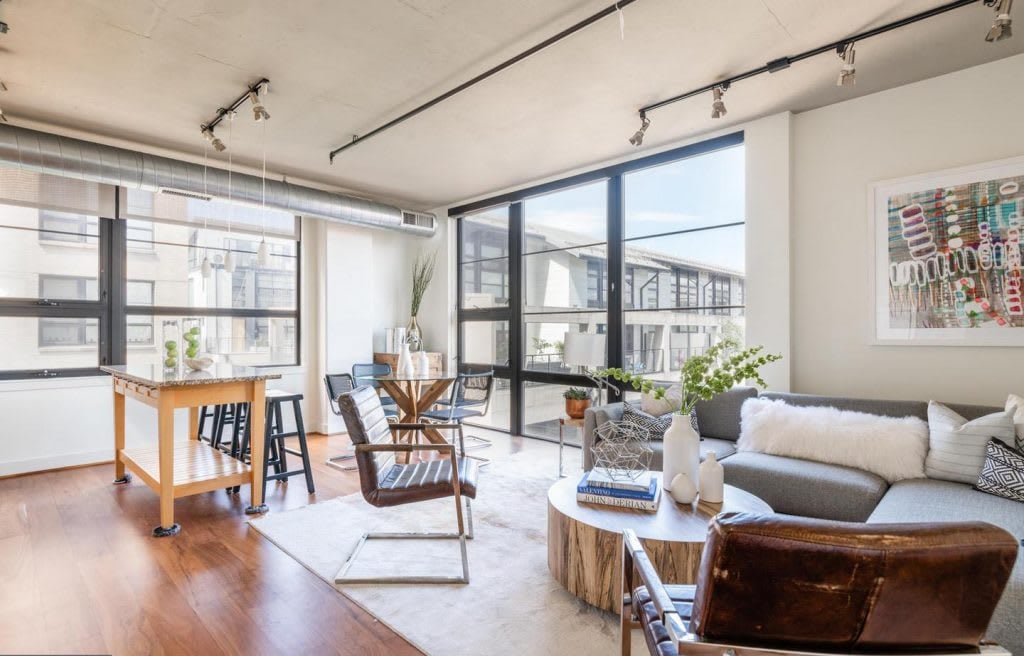
- Layout and storage: Rowhouses usually deliver more total space across multiple levels, plus basements for storage or flex use. Condo layouts range from compact one‑bedrooms to larger units, often with open floor plans and shared amenity areas.
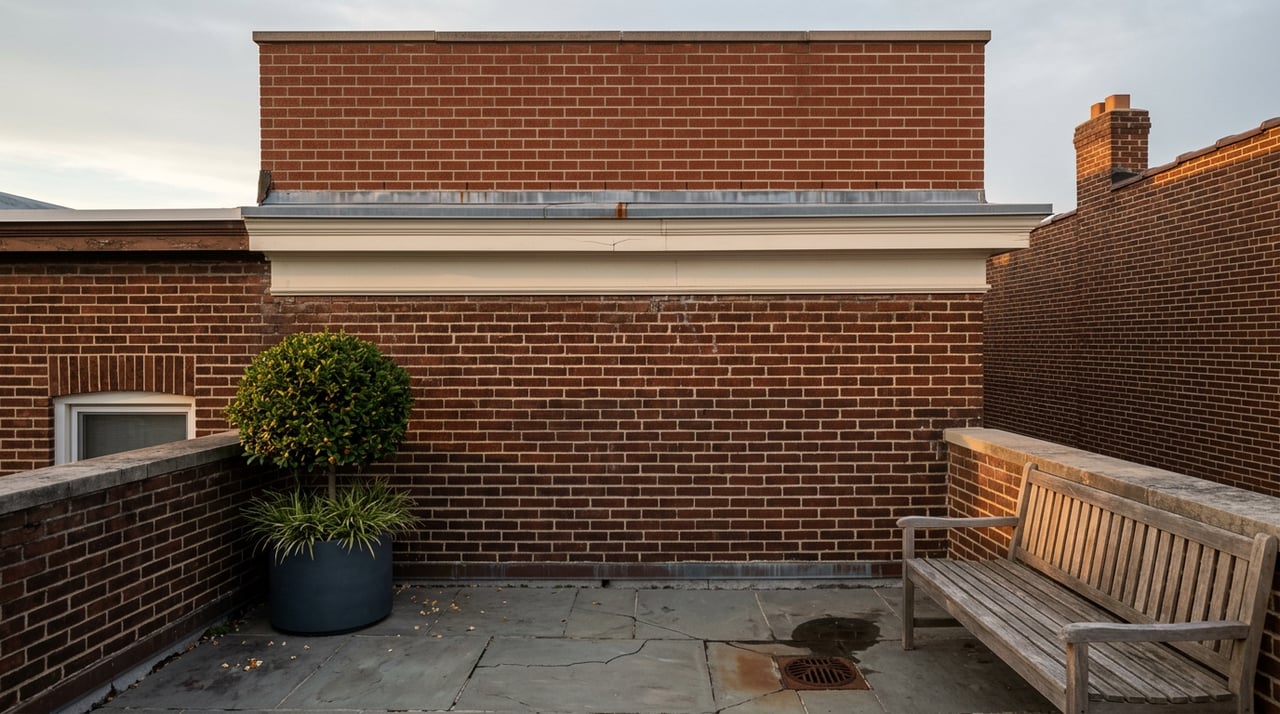
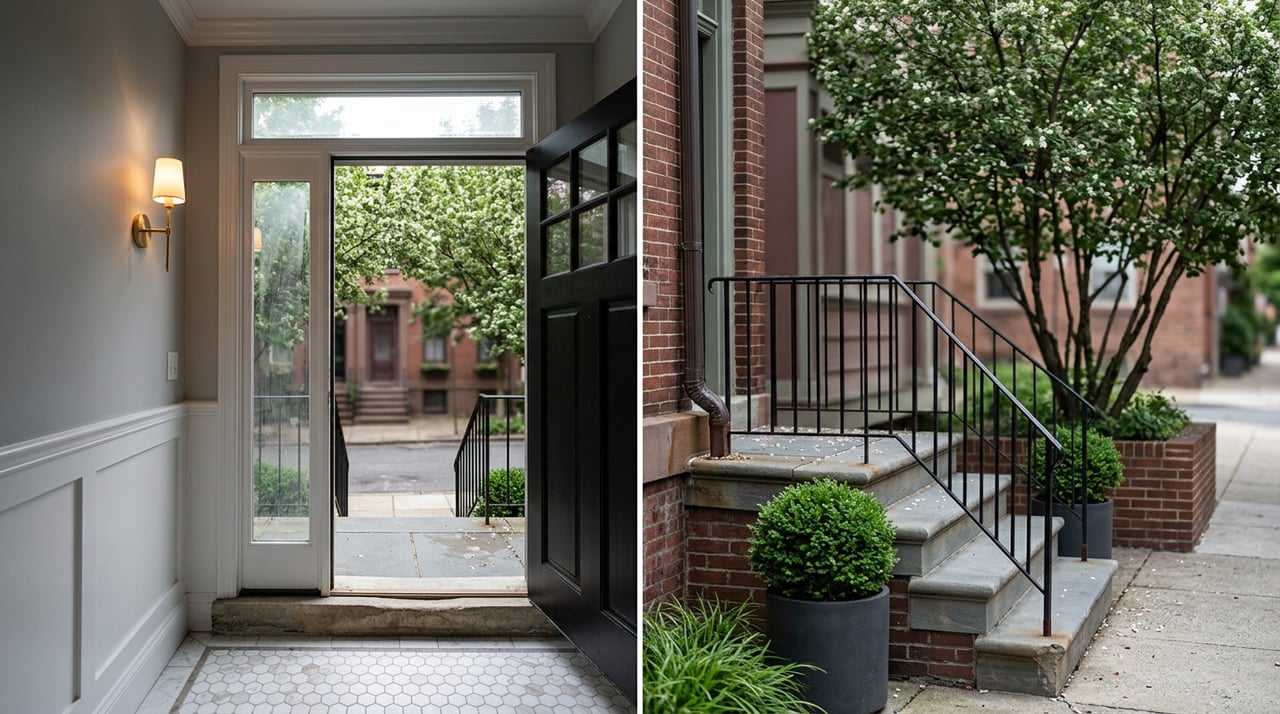
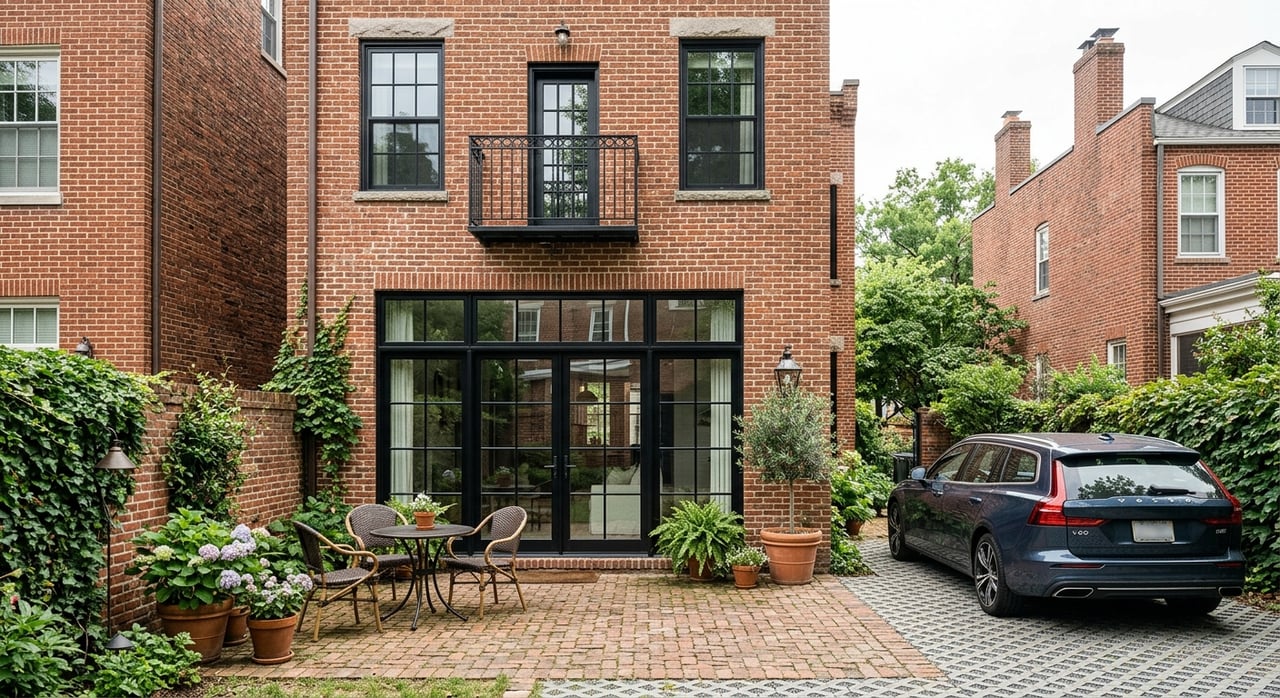
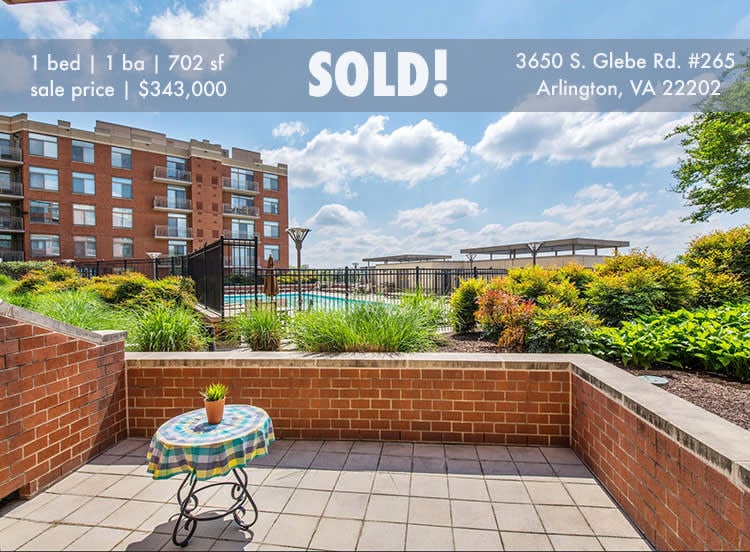
- Outdoor space: Rowhouses commonly include a rear yard, patio, or roof deck. Condos may have balconies or shared courtyards and rooftops, with smaller private outdoor areas.
- Privacy and noise: Both property types share walls. Rowhouses share party walls with neighbors but avoid elevators and long corridors. Condos vary in soundproofing and often have more daily interactions in common areas.
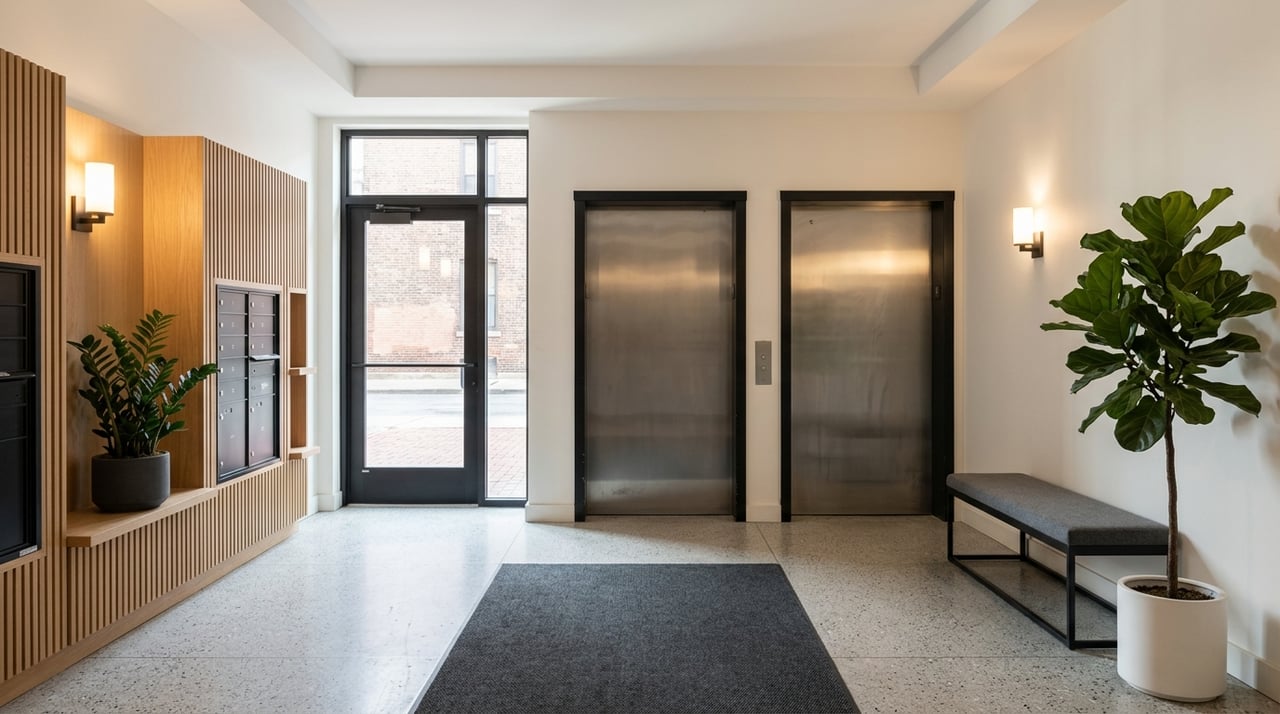
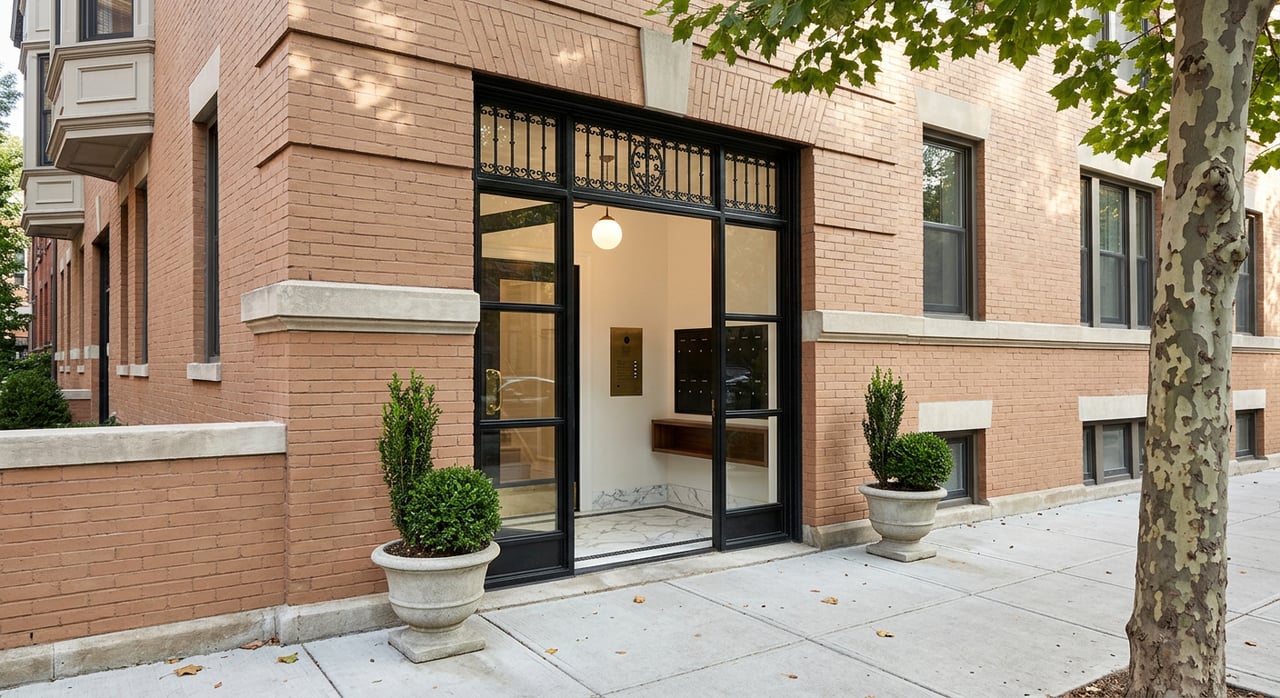
- Amenities and services: Condos may offer a staffed lobby, fitness center, package room, and on‑site management. These add convenience but also increase monthly fees. Rowhouses trade amenities for autonomy.
Financing and condo approvals
Condo financing involves a review of the association’s health and compliance. Lenders look at reserves, owner‑occupancy ratios, insurance, and any litigation. FHA and VA loans have specific condo project eligibility lists. These rules can affect interest rates and approval speed. Rowhouses usually finance as single‑family homes with more standardized underwriting.
Tip: If you are considering a condo, confirm project eligibility early and have your lender review the association. This helps you avoid surprises once you are under contract.
Renovations and historic review
- Rowhouses: Interior updates are typically straightforward, but structural changes and exterior work may require permits. If the property falls within a historic district, expect an added review process that can affect timeline and materials.
- Condos: Interior renovations usually require association approval and adherence to building rules. Structural changes, wet area moves, or work that impacts common elements often have stricter requirements.
Resale and investment outlook
- Appreciation patterns: In highly desirable urban neighborhoods with limited single‑family supply, rowhouses often hold value well. Condos can appreciate, but performance varies by building quality, management, reserves, and new supply entering the market.
- Buyer pools and liquidity: Condos typically attract a broad buyer pool at lower price points, which can help resale speed. Rowhouses appeal to buyers seeking more space and outdoor areas and can command a premium. Fewer direct comparables may stabilize pricing but can also reduce liquidity in softer markets.
- Rentals and rules: Logan Circle has strong rental demand. Short‑term rentals are regulated by the District, and many condo associations have additional restrictions. If renting is part of your plan, verify both city rules and association policies.
Decision guide: which one suits you
Choose a condo if you want:
- Lower upfront price and predictable monthly costs.
- Lower maintenance responsibilities.
- Amenities like a gym, package room, or staffed entry.
- A lock‑and‑leave lifestyle near 14th Street.
Choose a rowhouse if you want:
- More space, storage, and multi‑level living.
- Private outdoor areas and room to grow.
- More control over your property and fewer shared rules.
- Long‑term potential tied to limited single‑family supply.
How to compare two specific properties
Use this quick checklist when you have two finalists:
- Total monthly cost: Mortgage, taxes, insurance, and, for condos, HOA fees. Convert HOA to an annual figure and compare to a rowhouse maintenance reserve.
- Building or home condition: For condos, review recent repairs and reserve strength. For rowhouses, evaluate roof, masonry, foundation, windows, and major systems.
- Association health for condos: Budget, reserve study, meeting minutes, insurance, litigation, rental policy, pet policy, and parking rules.
- Renovation runway: For rowhouses, confirm permit and potential historic review requirements. For condos, review alteration guidelines and approval timelines.
- Parking and storage: Assess deeded spaces, alley access, garages, and basement or unit storage.
- Noise and privacy: Consider unit placement, party walls, and elevator or corridor traffic.
- Daily life fit: Proximity to Metro, groceries, and your favorite 14th Street spots. Think about remote work needs, guests, and future life changes.
Next steps
Your best choice comes down to how you want to live, how much time you want to spend on maintenance, and how you weigh predictability against control. When you are ready, walk a few buildings and blocks to get a feel for noise, light, and street activity, and verify current numbers since DC’s market shifts seasonally. If you want a clear side‑by‑side cost breakdown, a review of condo documents, and access to off‑market options, reach out to Jen Angotti. Let’s talk about your next move.
FAQs
What’s the main cost difference between a Logan Circle condo and a rowhouse?
- Condos often have a lower purchase price but add a monthly association fee, while rowhouses usually cost more upfront and come with variable maintenance you manage yourself.
How much are typical condo fees in central DC buildings?
- Fees commonly range from about 200 to 1,000+ dollars per month depending on building age, services, and whether utilities or amenities are included.
What maintenance should I expect with a Logan Circle rowhouse?
- Plan for roof, masonry, foundation, HVAC, and yard upkeep, and budget 1 to 3 percent of home value per year depending on age and condition.
What should I look for in condo resale documents before I buy?
- Review the budget, reserve study, meeting minutes, insurance, litigation disclosures, rental and pet policies, parking rules, and any planned capital projects.
Is condo financing harder than rowhouse financing in DC?
- It can be, because lenders review condo association health and eligibility; FHA and VA loans also require project approvals, which can affect timing and terms.
Are there historic district rules that affect Logan Circle rowhouses?
- Many blocks feature protected architecture, so exterior changes may require preservation review; confirm the property’s status and permitting steps before planning work.
Which tends to hold value better in this neighborhood, condos or rowhouses?
- Rowhouses often hold value well due to limited supply, while condo performance varies by building quality, management, reserves, and the pace of new supply.
Can I rent out my property in Logan Circle?
- Long‑term rentals are common, but short‑term rentals are regulated by the District, and many condo associations have additional restrictions; verify rules before you buy.