Craving city energy with a true neighborhood feel? If Mid City DC is on your radar, Columbia Heights gives you both: lively streets, everyday convenience, and quick access to the city’s top corridors. You might be weighing commute time against walkability or wondering how the housing mix compares to other central neighborhoods. In this guide, you’ll learn what daily life looks like in Columbia Heights, from homes and parks to transit, noise, and practical tips. Let’s dive in.
Where Columbia Heights fits in Mid City
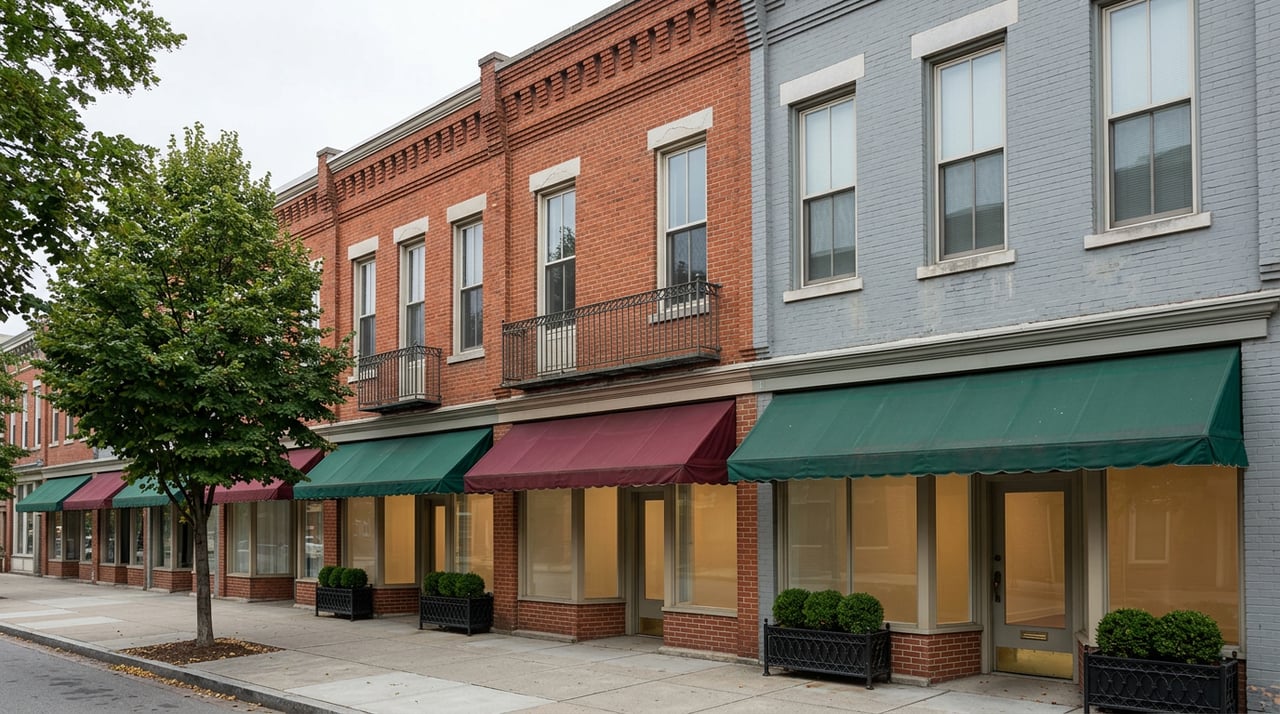
Columbia Heights sits in the heart of Mid City, a central slice of Northwest DC that also includes the 14th Street corridor, U Street/Shaw, and Logan Circle. You’re close to downtown while staying rooted in a residential area with local character. The streets are dense and walkable, with a mix of older buildings and newer mixed‑use development.
Orientation is easy once you know a few anchors. The Columbia Heights Metro station sits near the DC USA shopping center, a hub for daily errands. Meridian Hill Park, also known as Malcolm X Park, offers a large green space a short walk away. You’re adjacent to Mount Pleasant, Adams Morgan, Howard University/LeDroit Park, Shaw, and the 14th Street corridor, so dining and cultural options are always nearby.
Housing and homes you’ll find
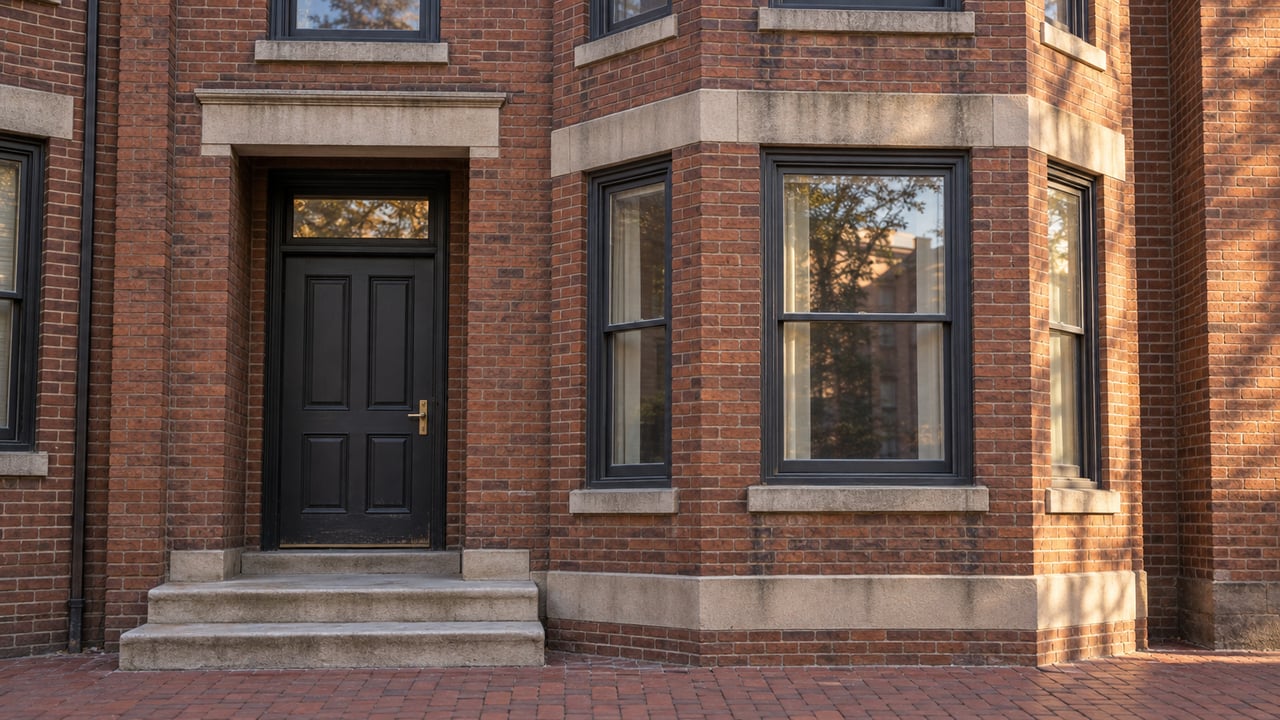
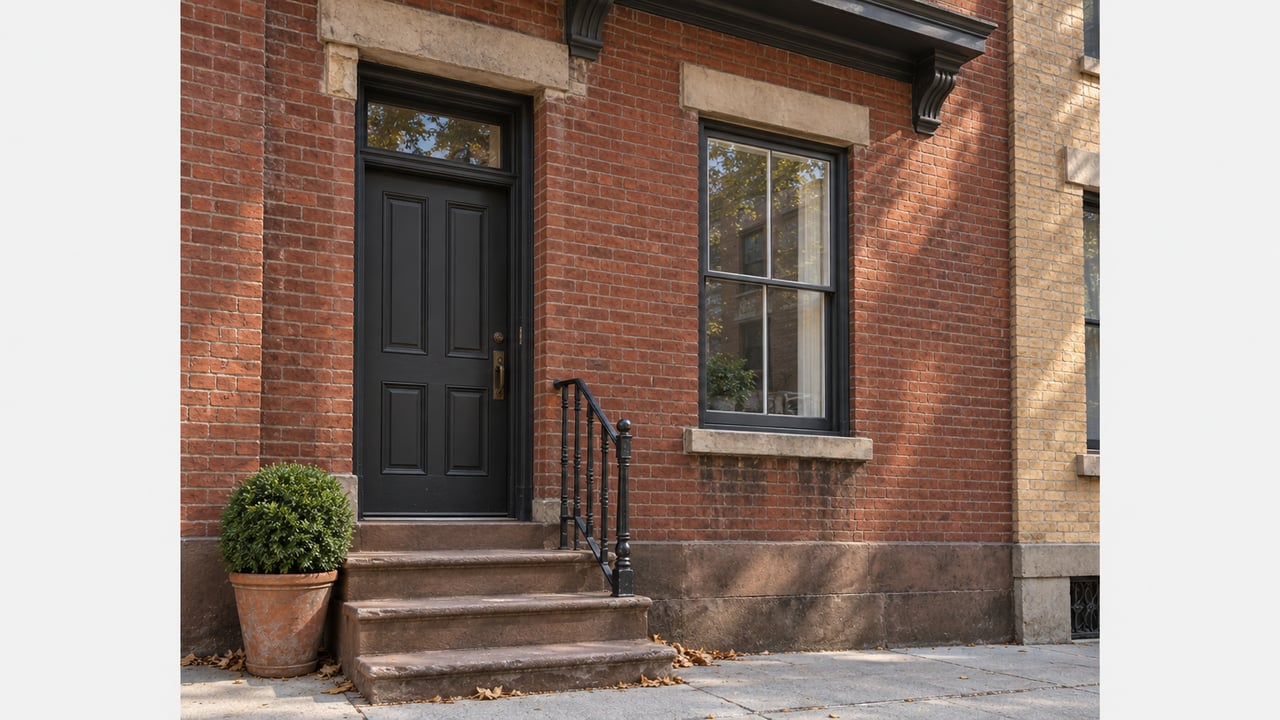
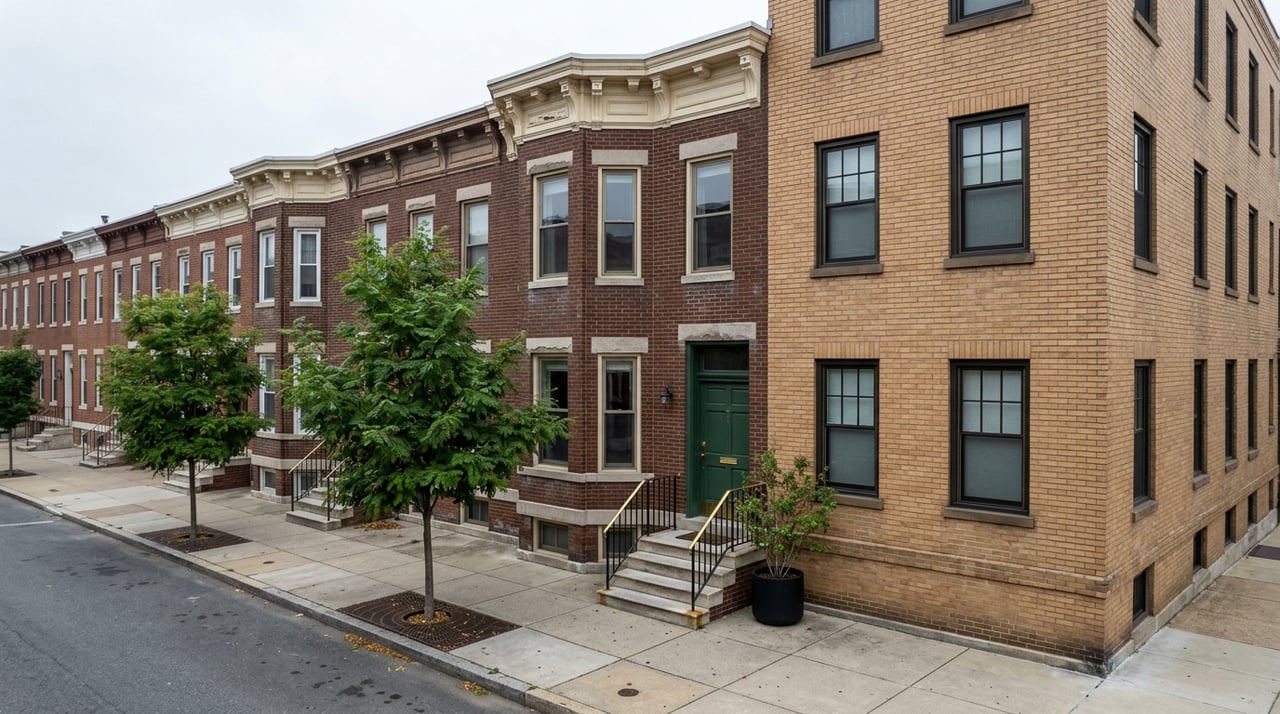
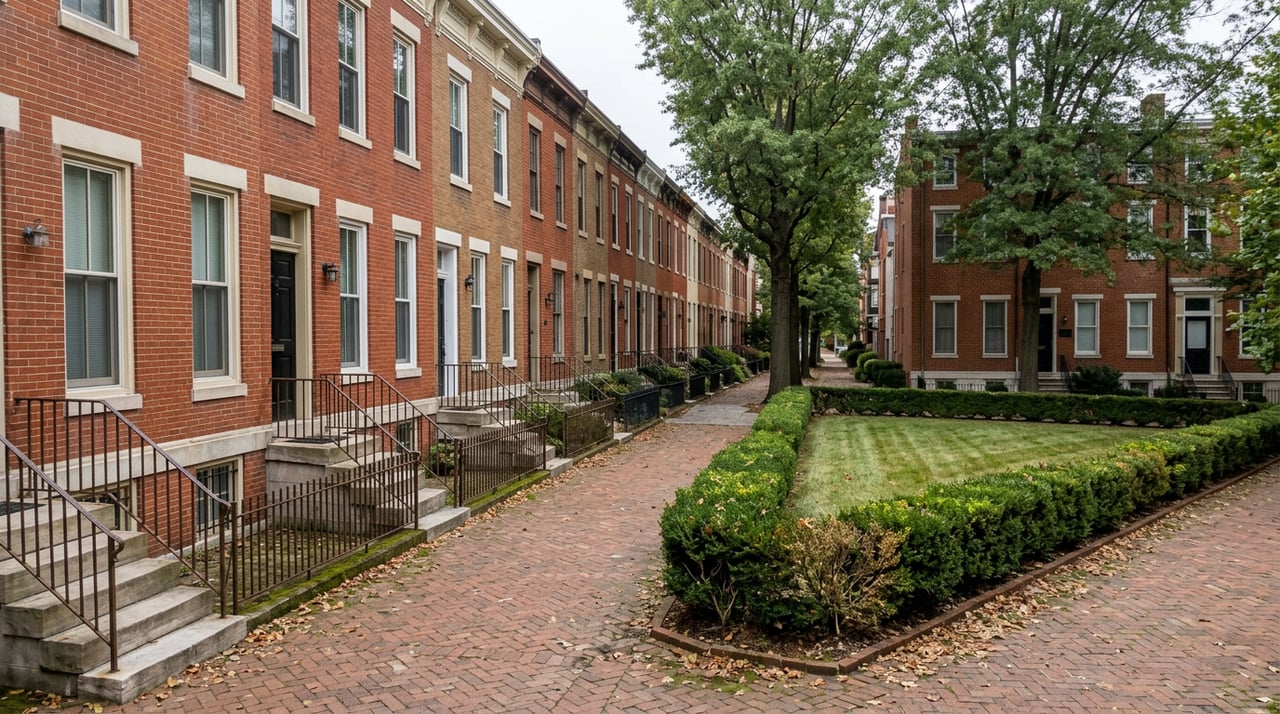
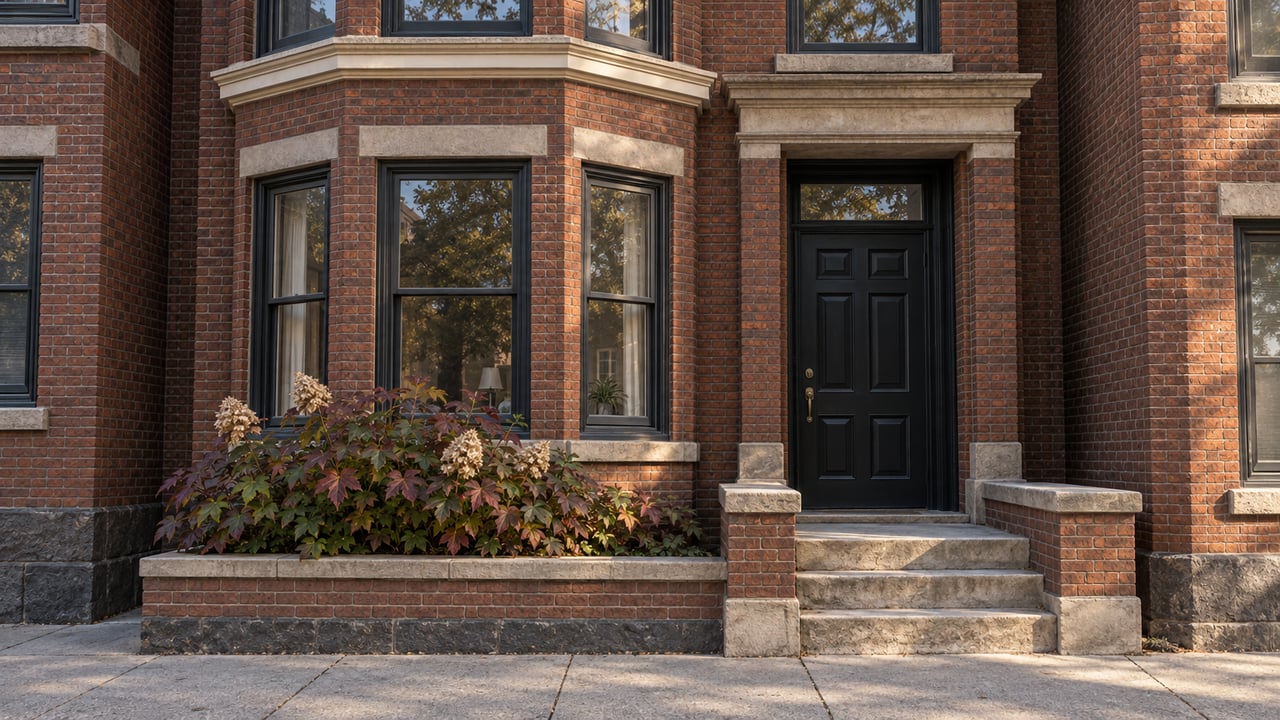
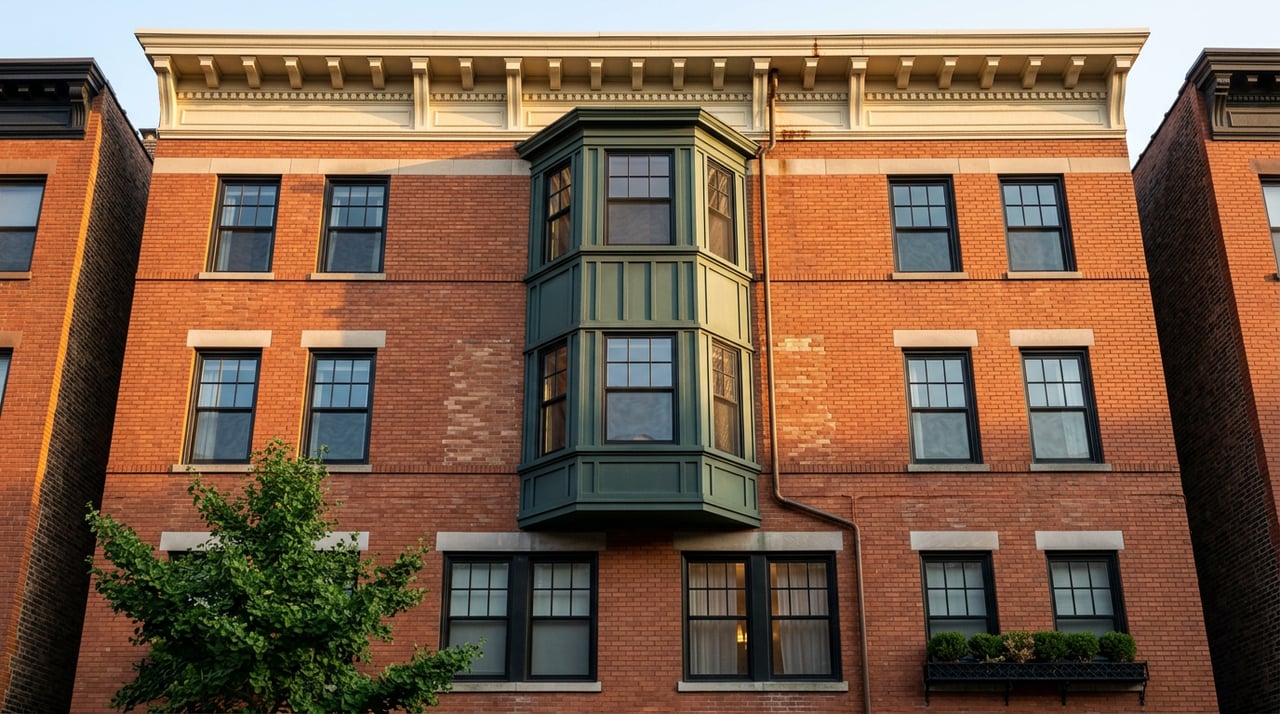
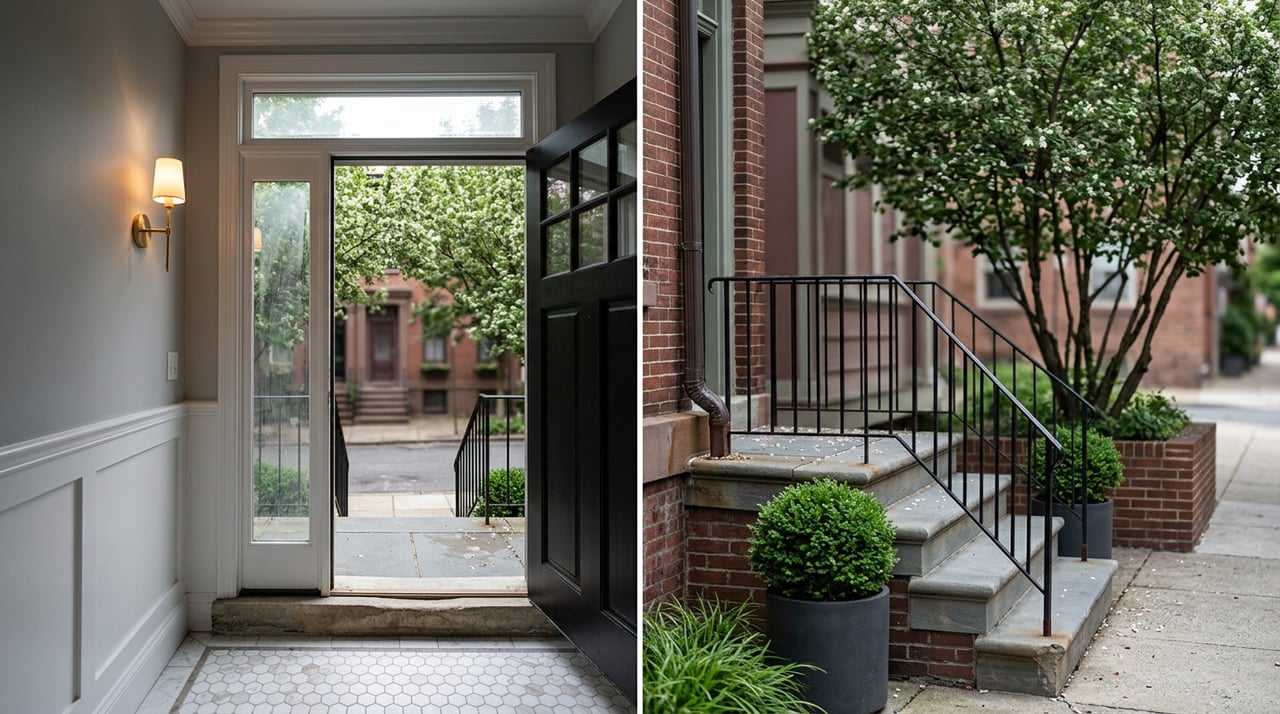
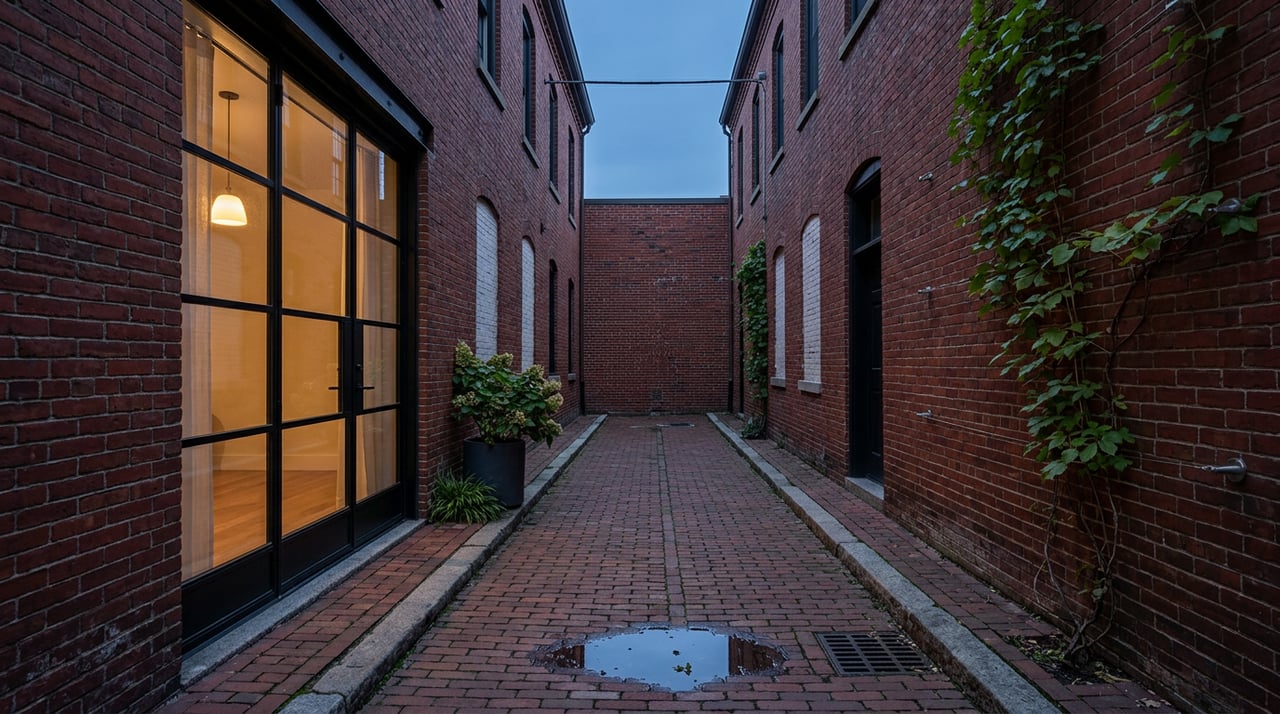
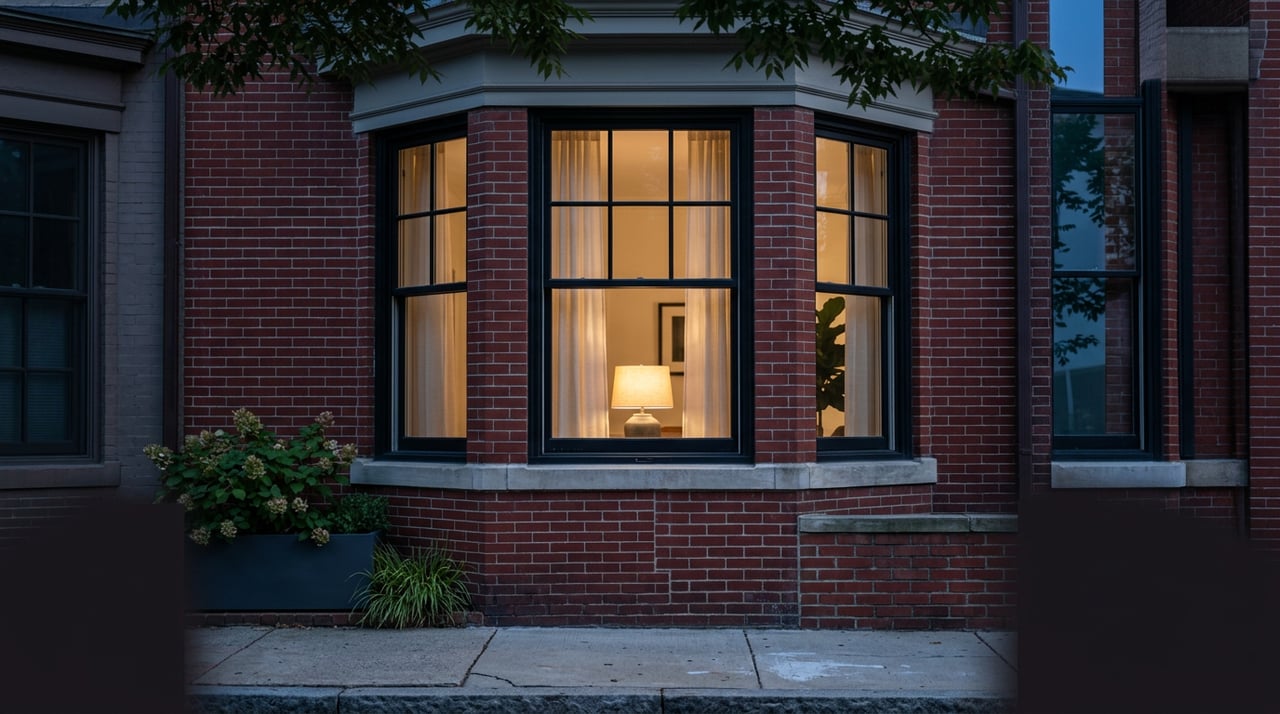
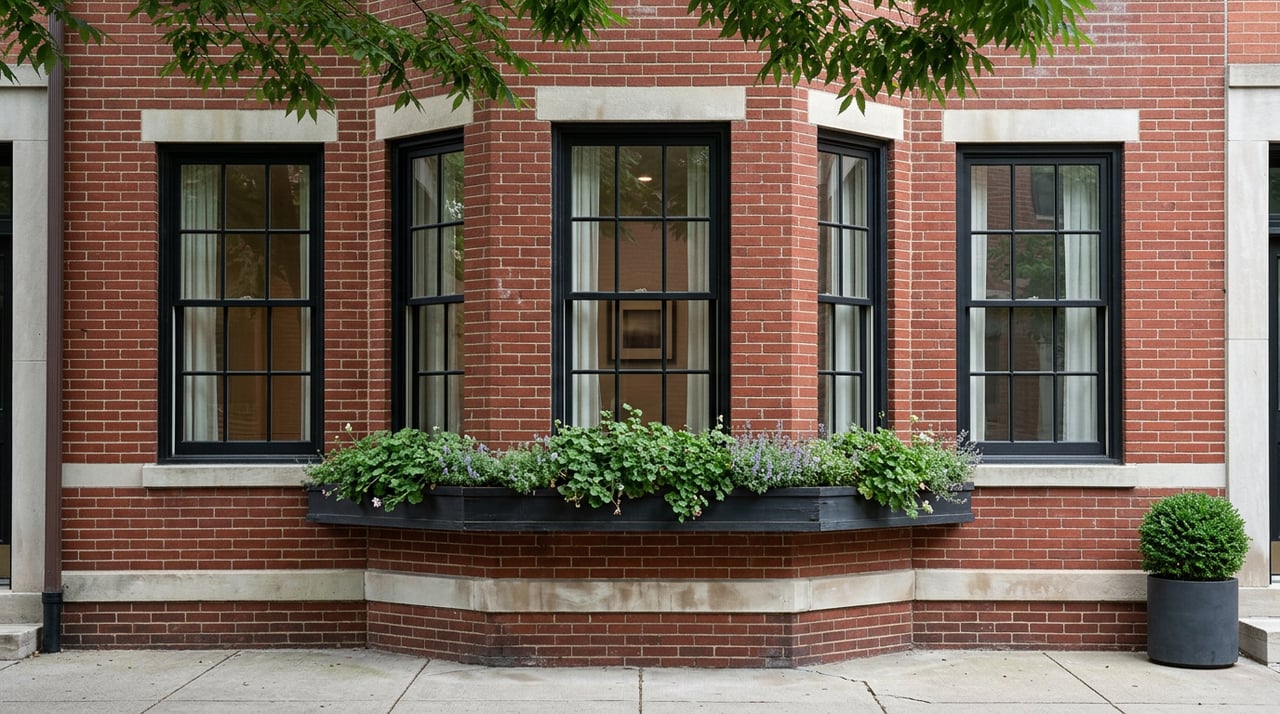
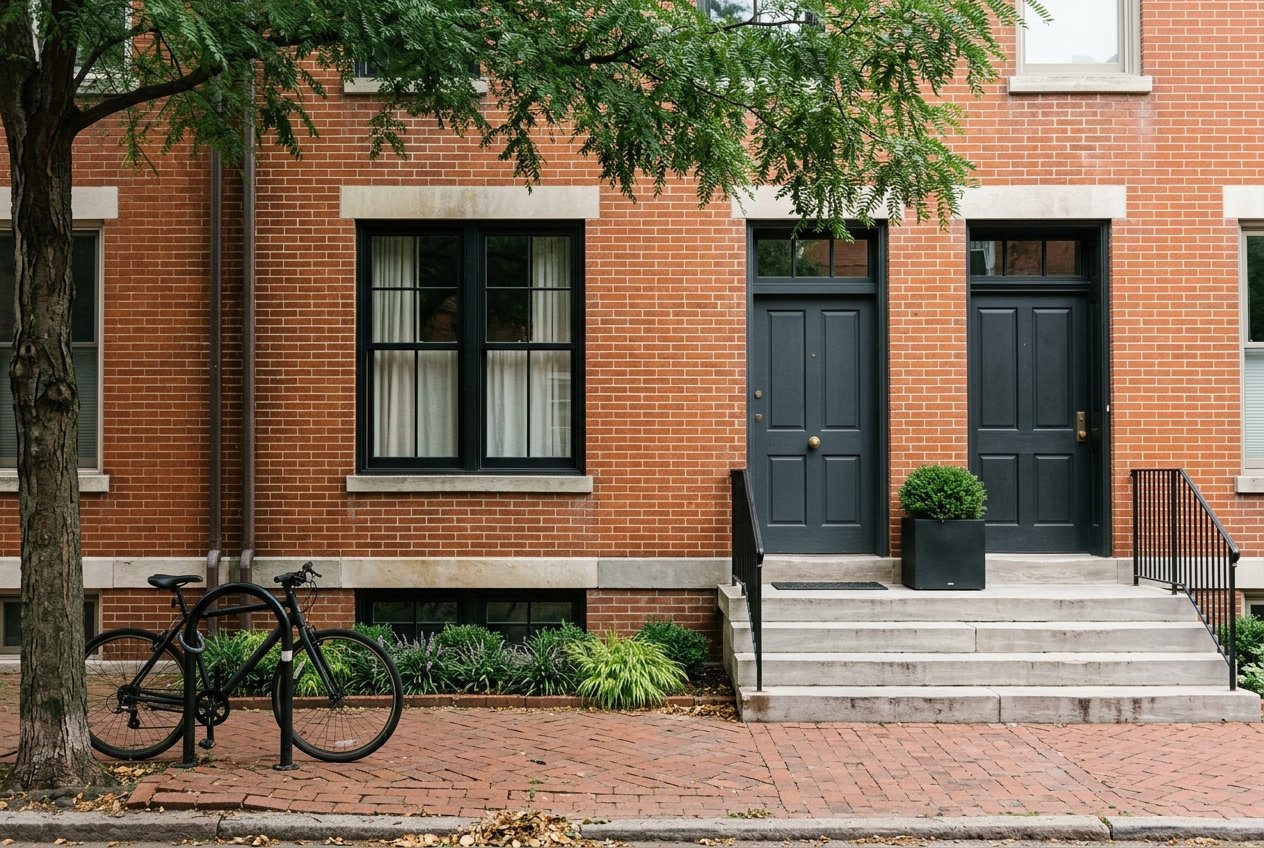
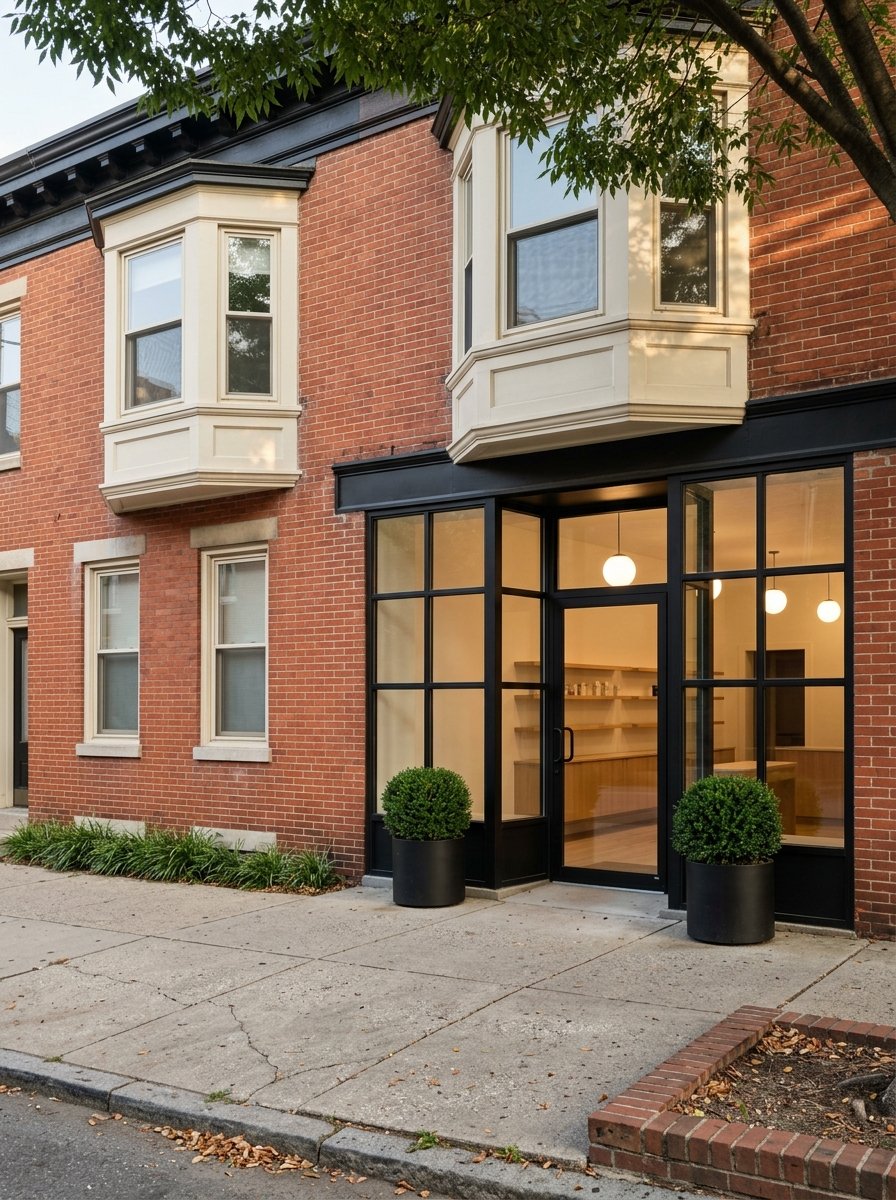
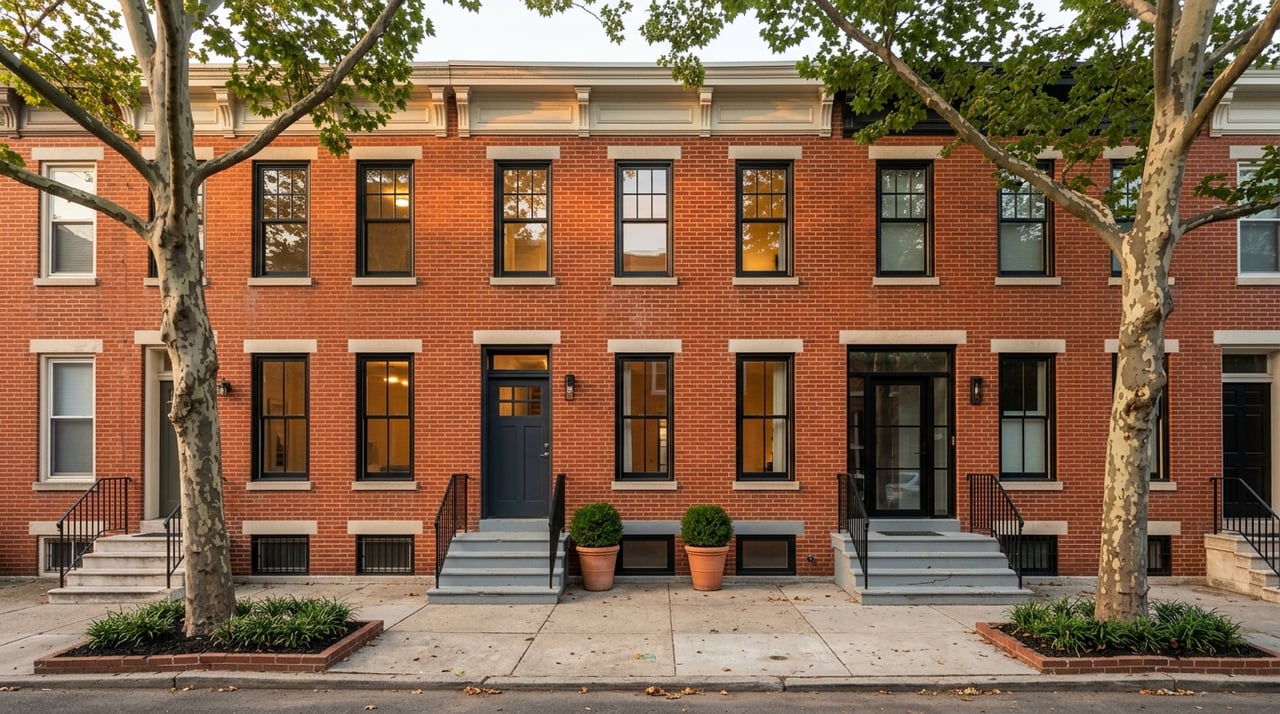
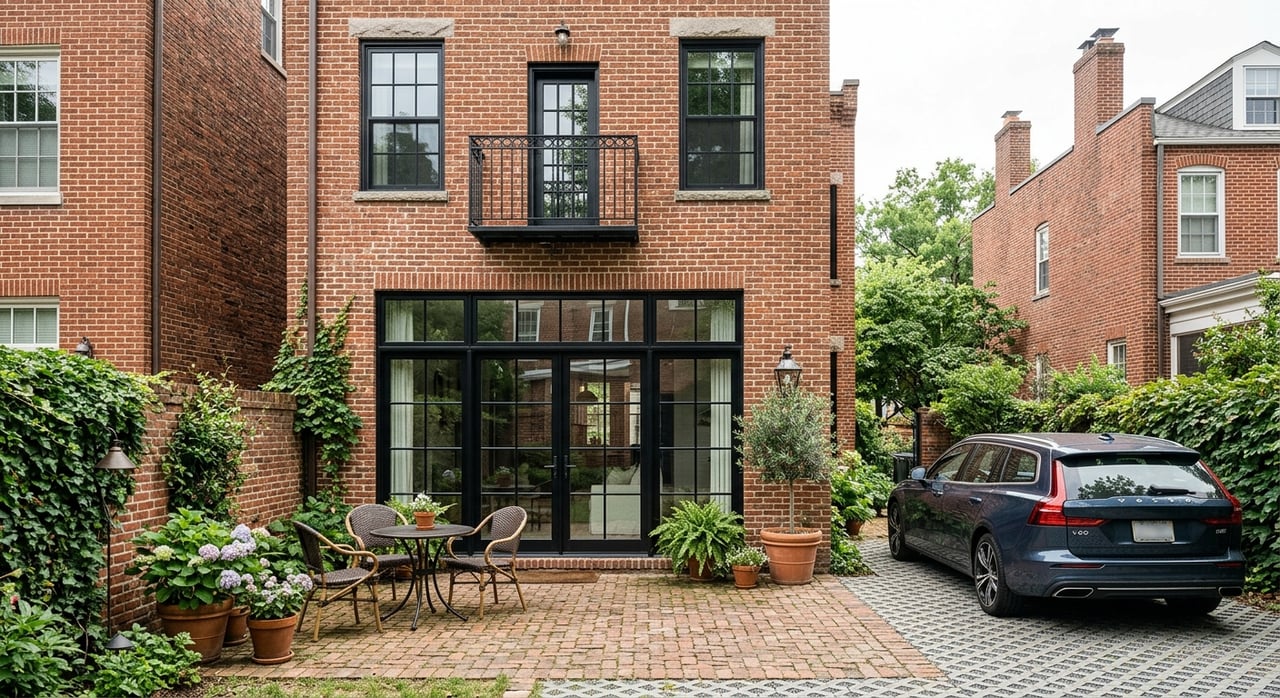
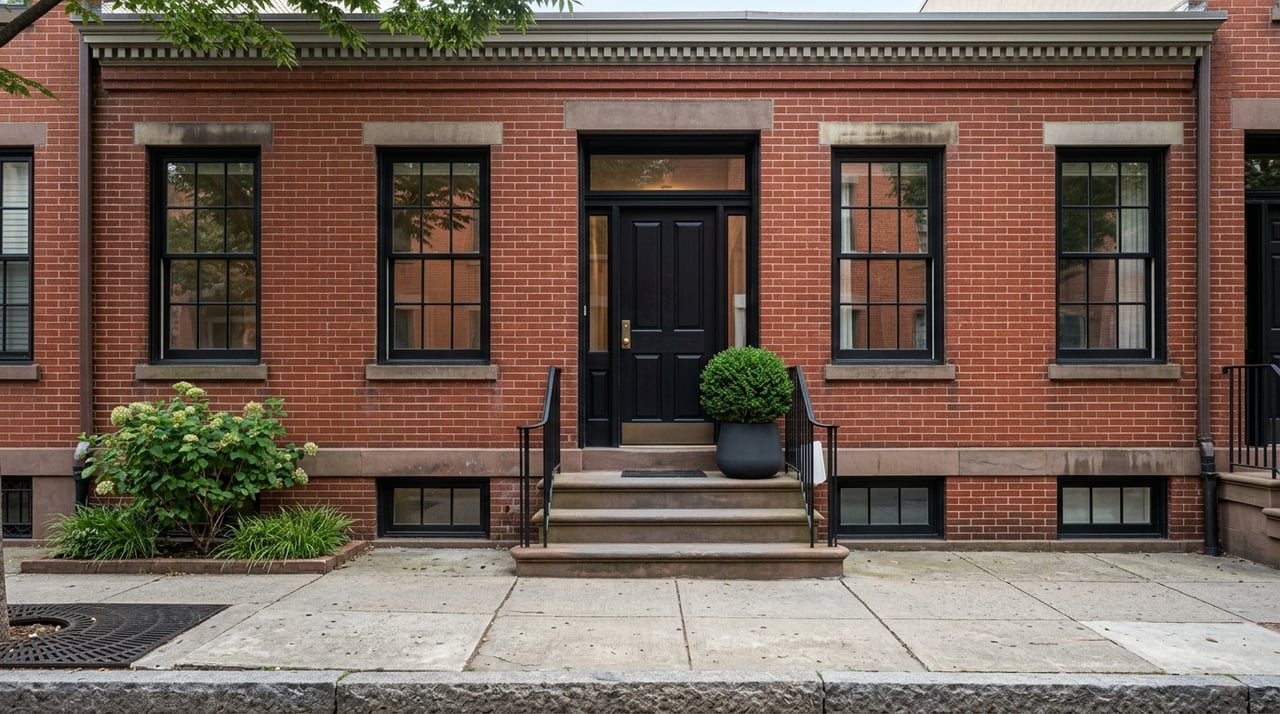
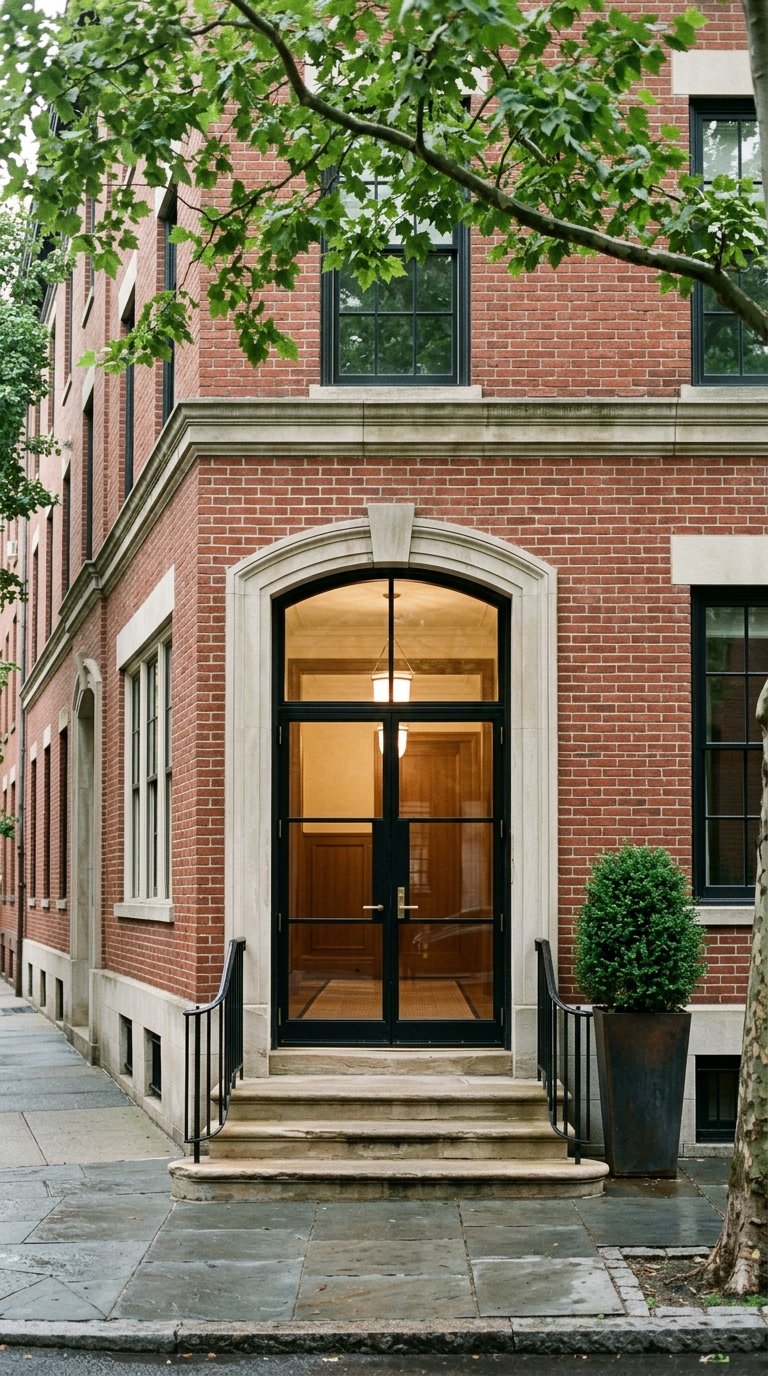
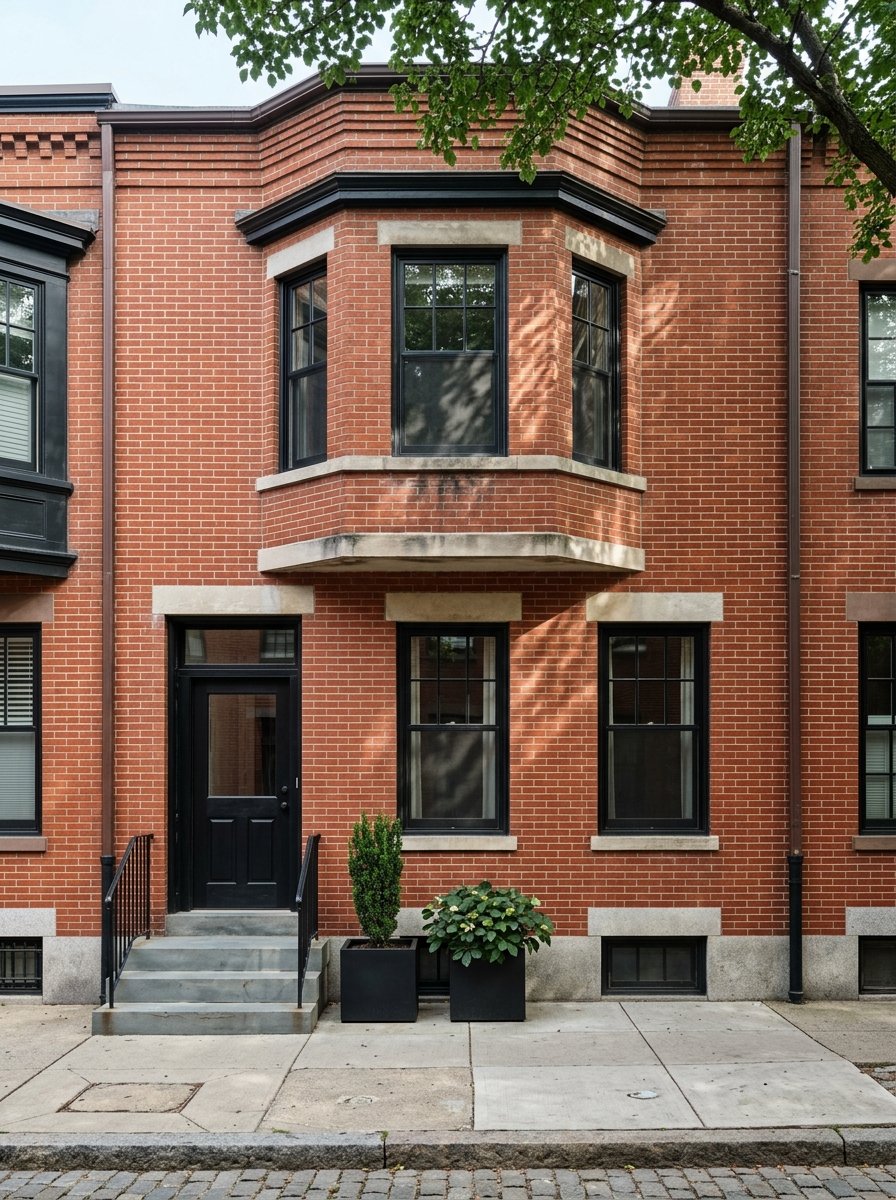
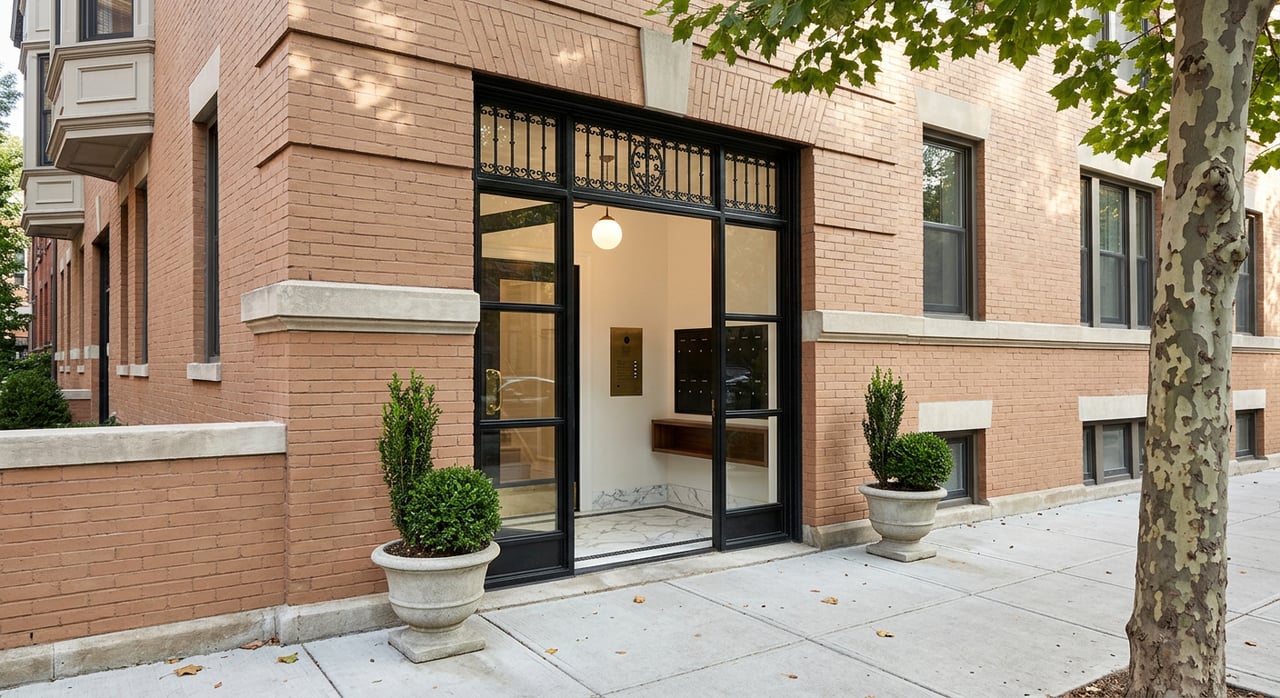
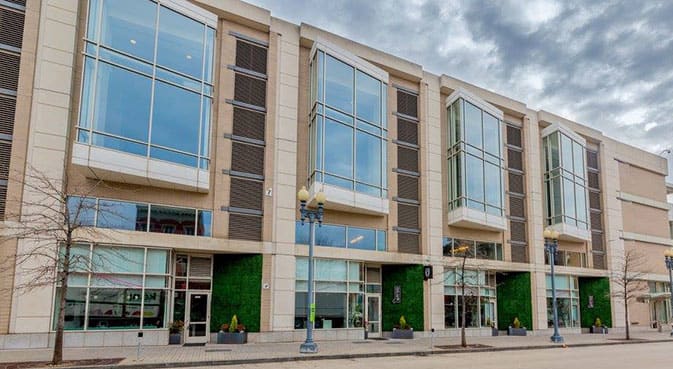
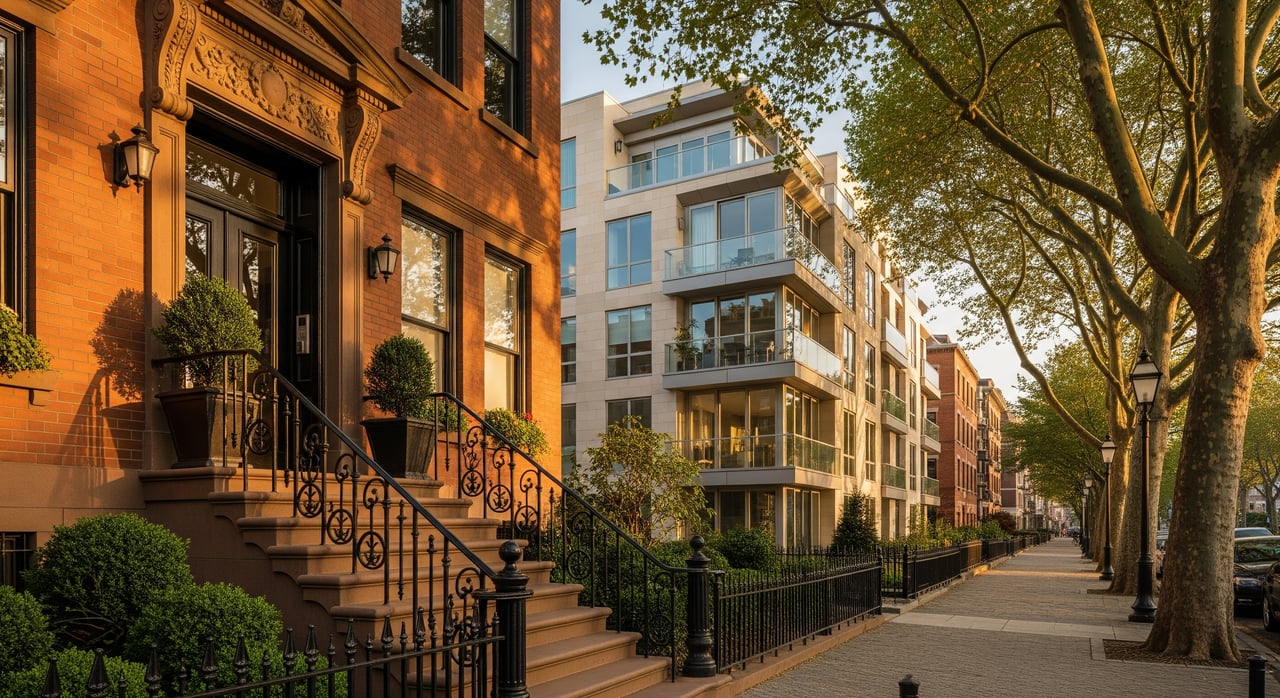
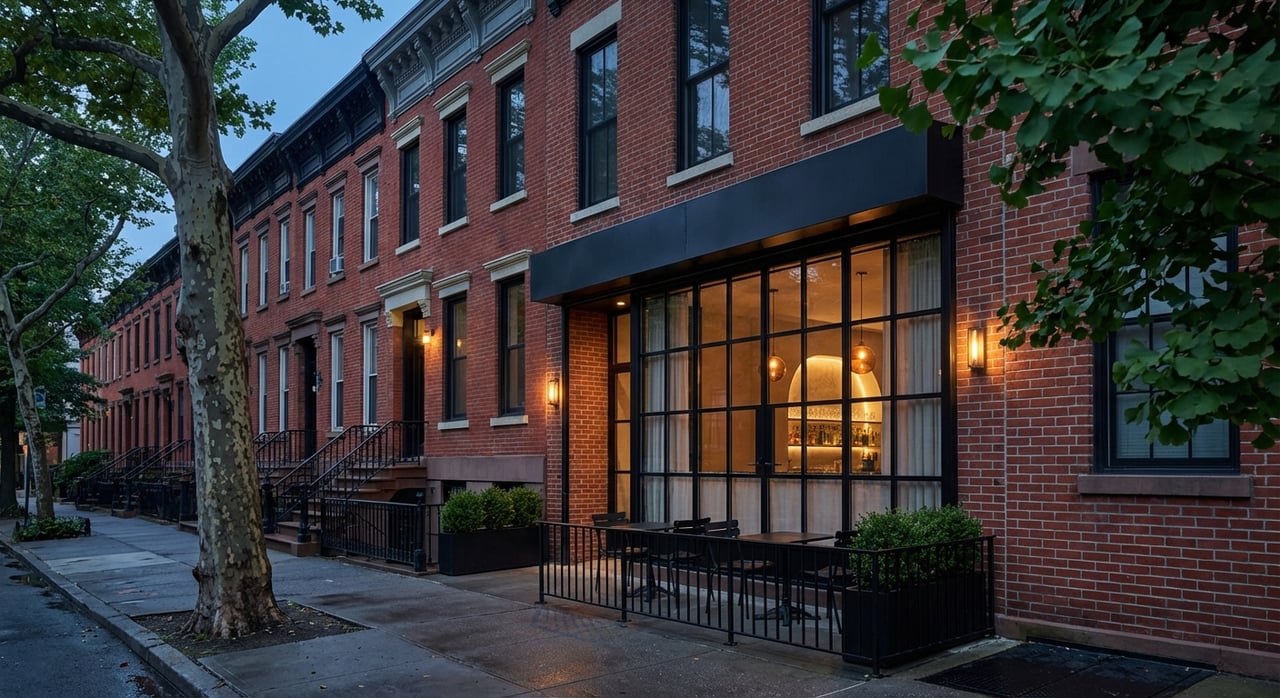
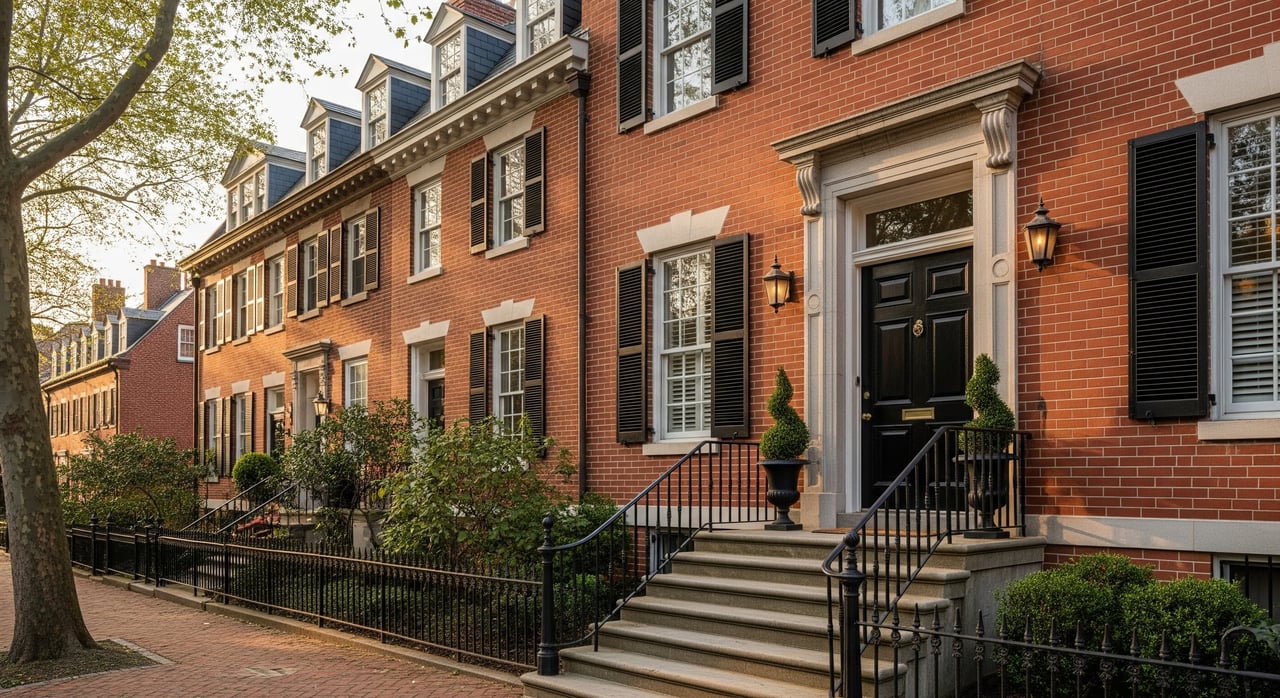
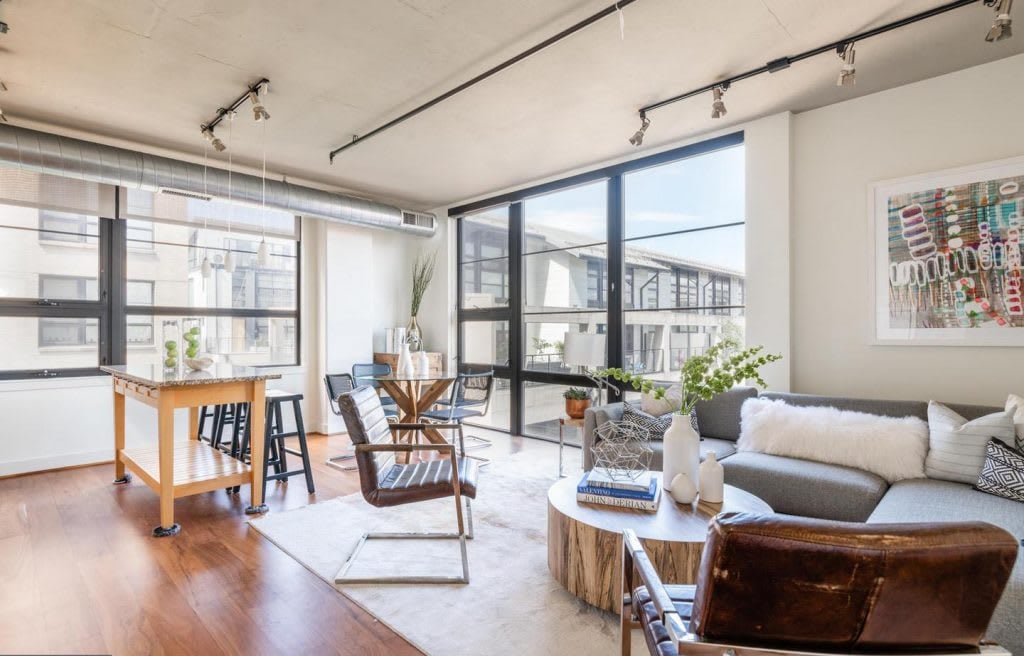
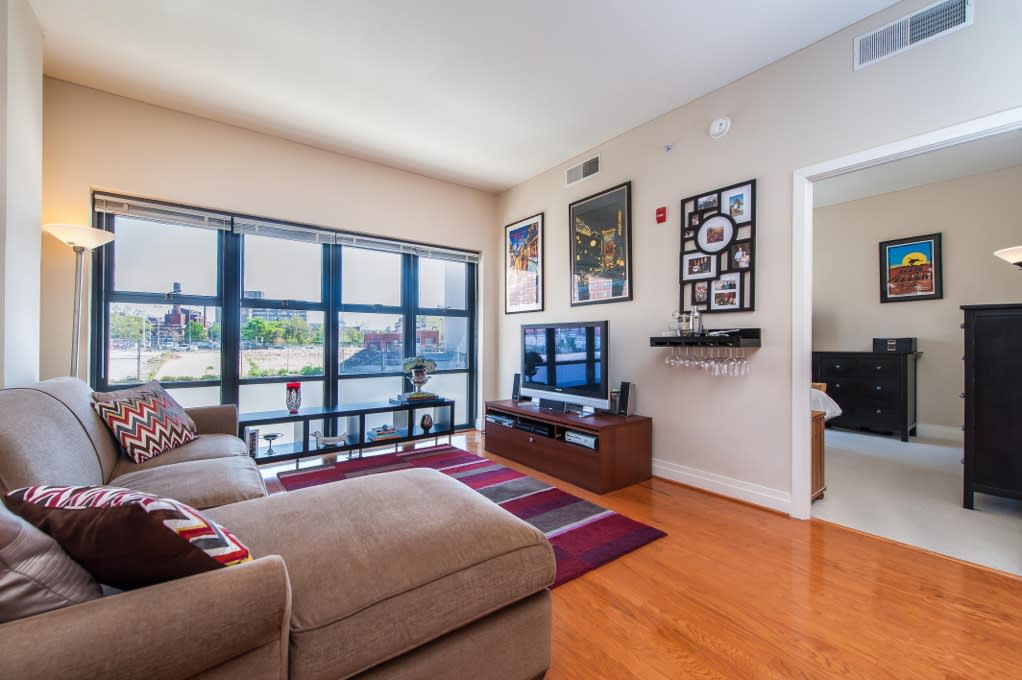
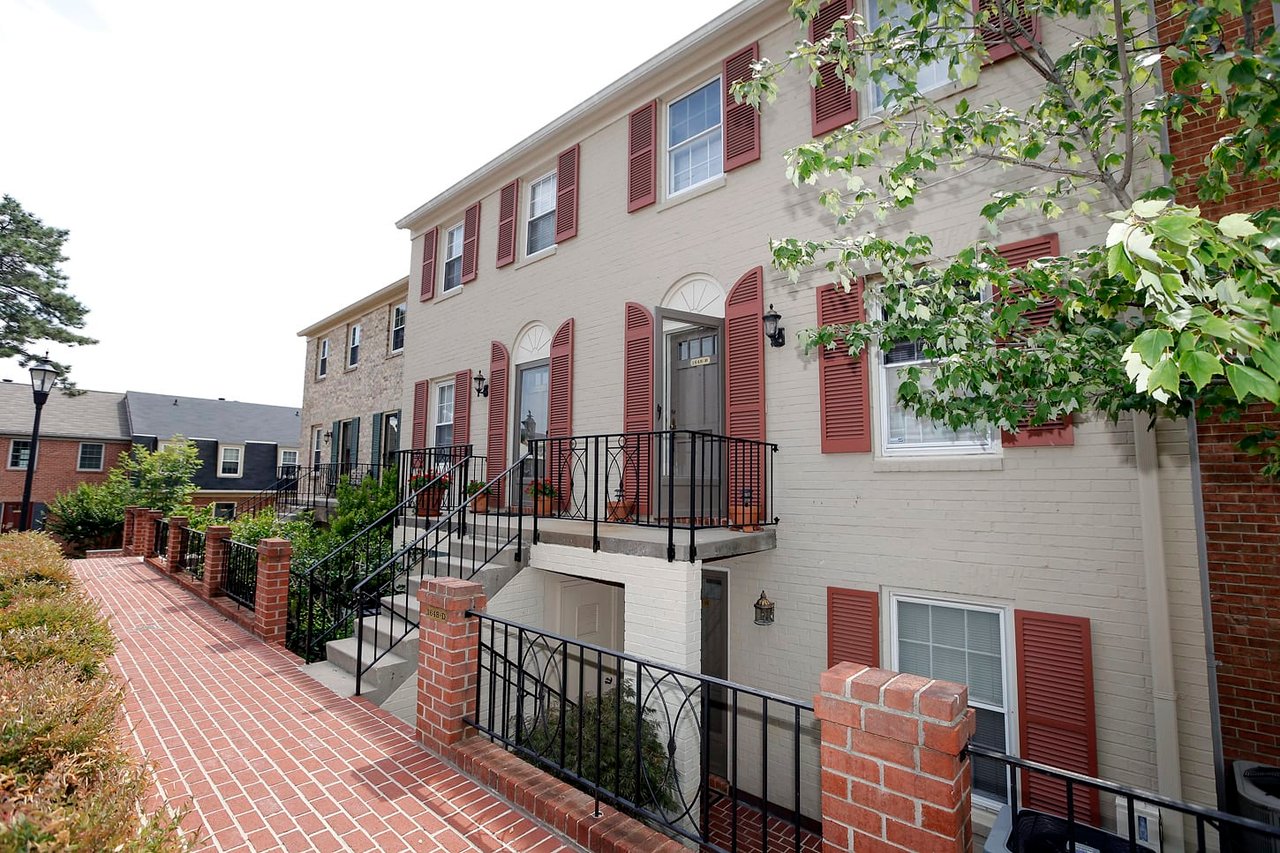
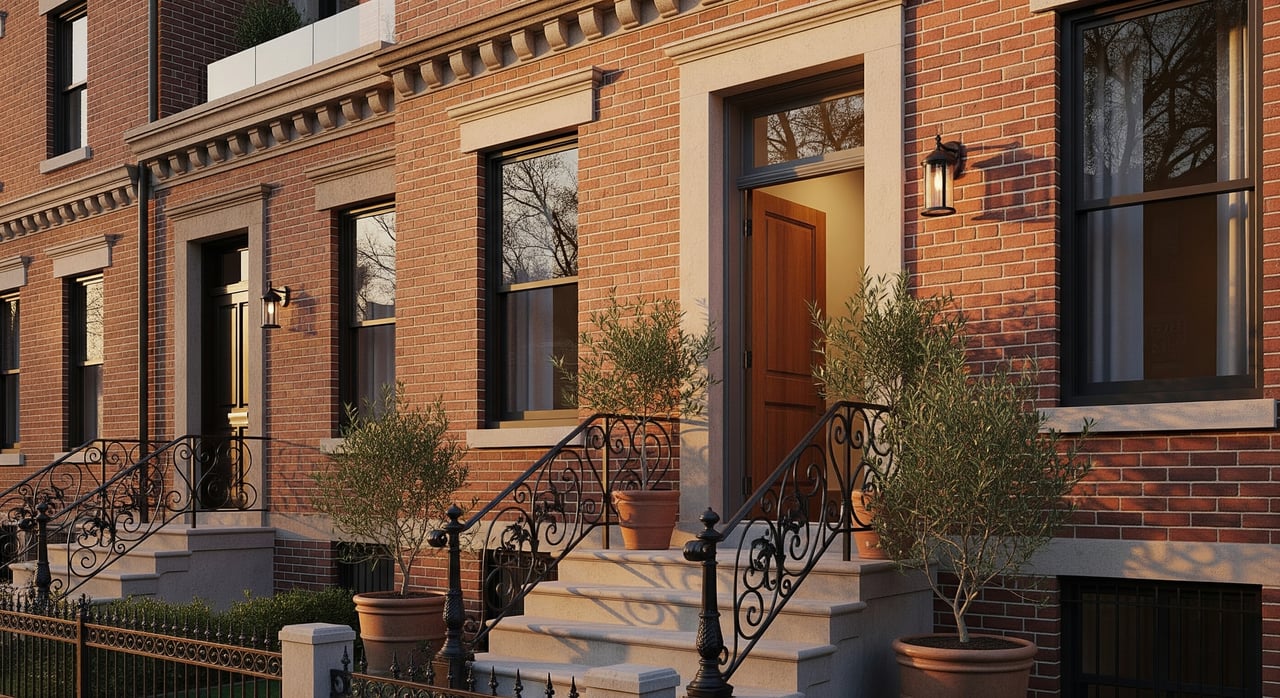
Expect a wide range of housing types. Historic rowhouses and brick Victorians line many streets, some still single‑family and others converted to multi‑unit homes. You’ll also see early‑ to mid‑20th‑century garden and walk‑up apartment buildings, plus mid‑rise condos and mixed‑use buildings developed since the 2000s.
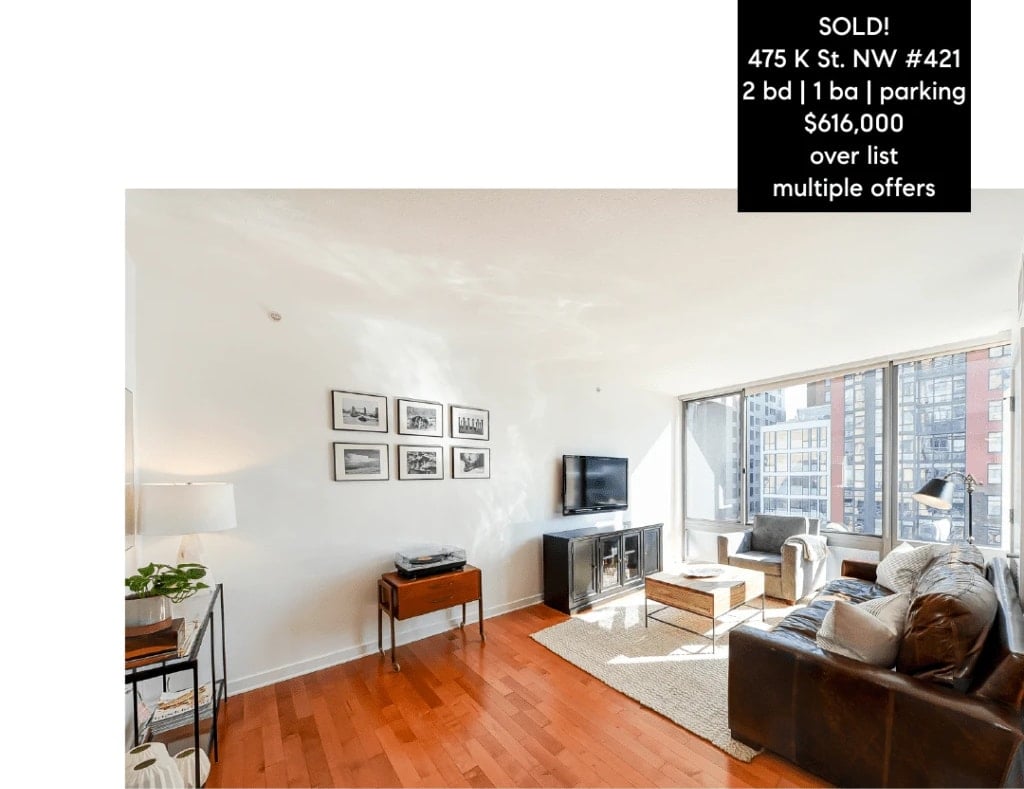
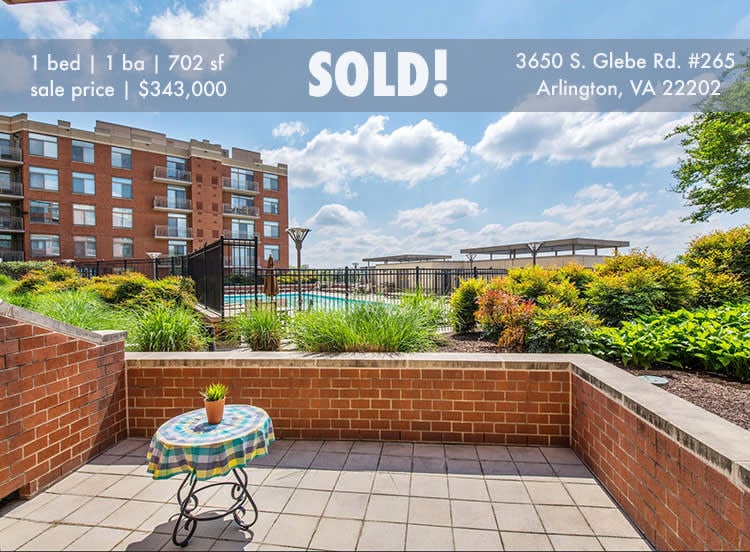
Columbia Heights offers both ownership and rental options. Condos are common, co‑ops exist in smaller numbers, and there’s a substantial rental market across apartments and condo rentals. Compared with DC’s top‑tier price points, Columbia Heights often feels more approachable, though still a central‑city market where pricing depends on size, condition, and proximity to major corridors.
What to expect inside
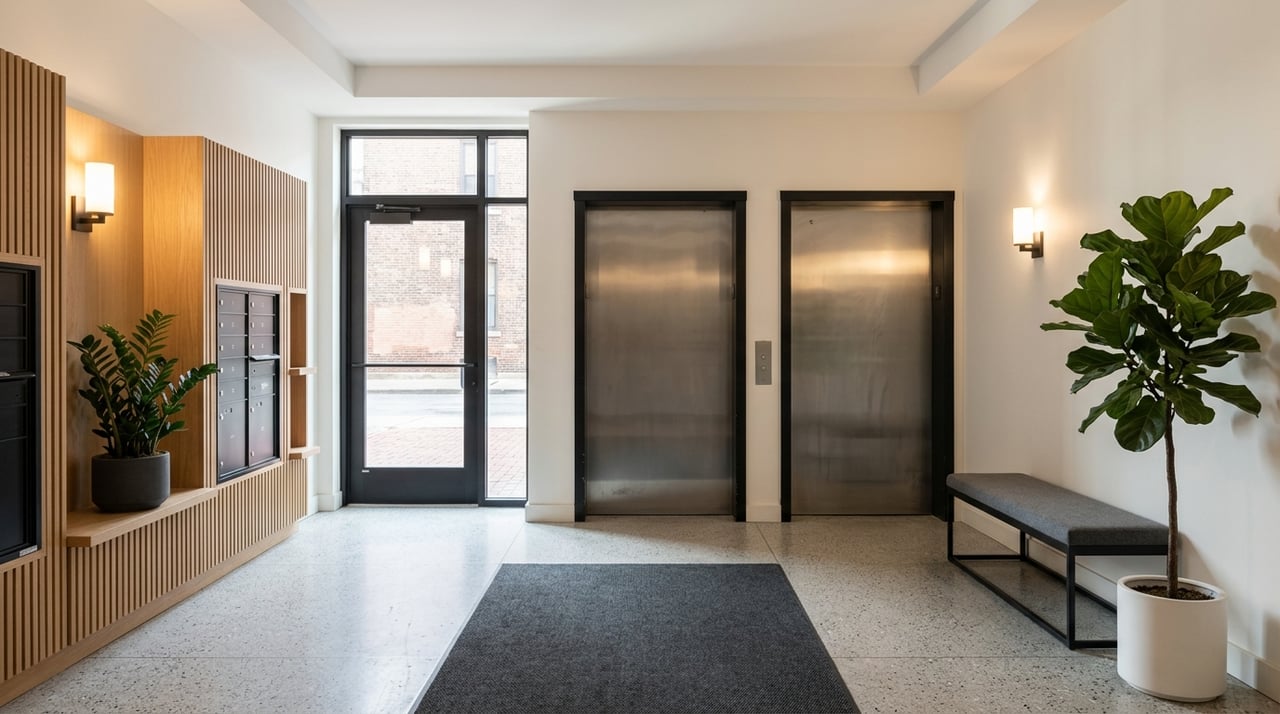
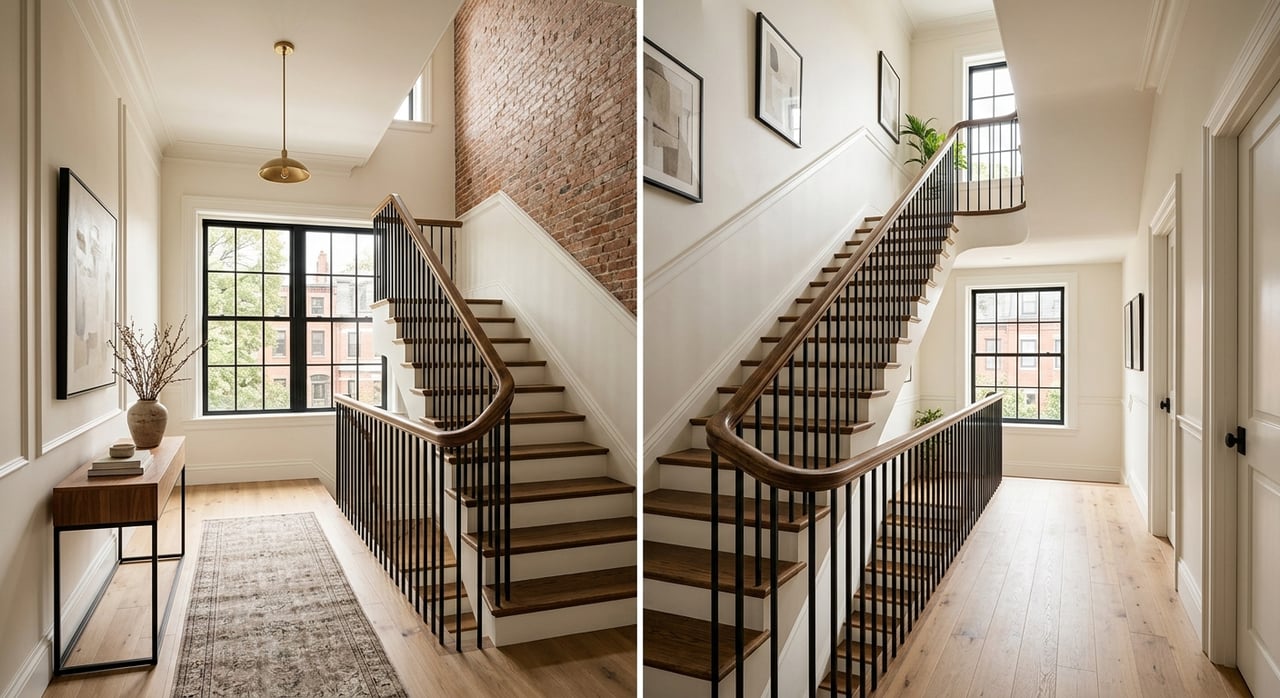
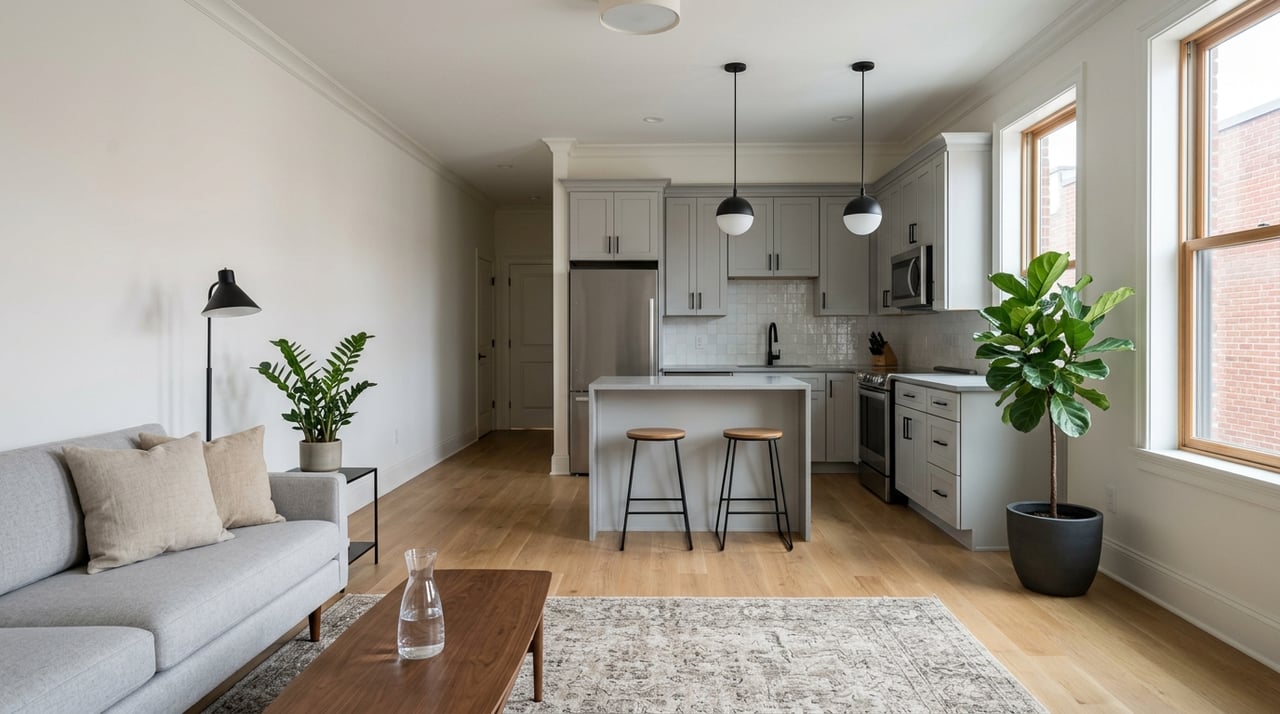
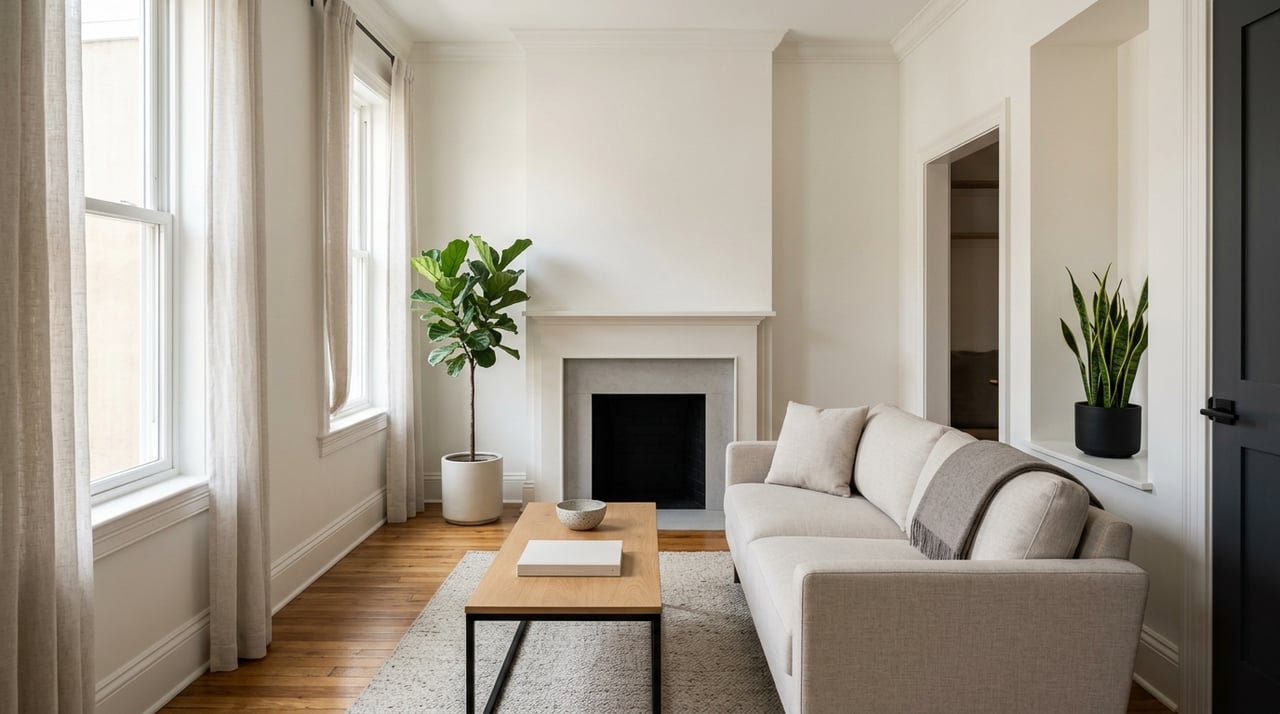
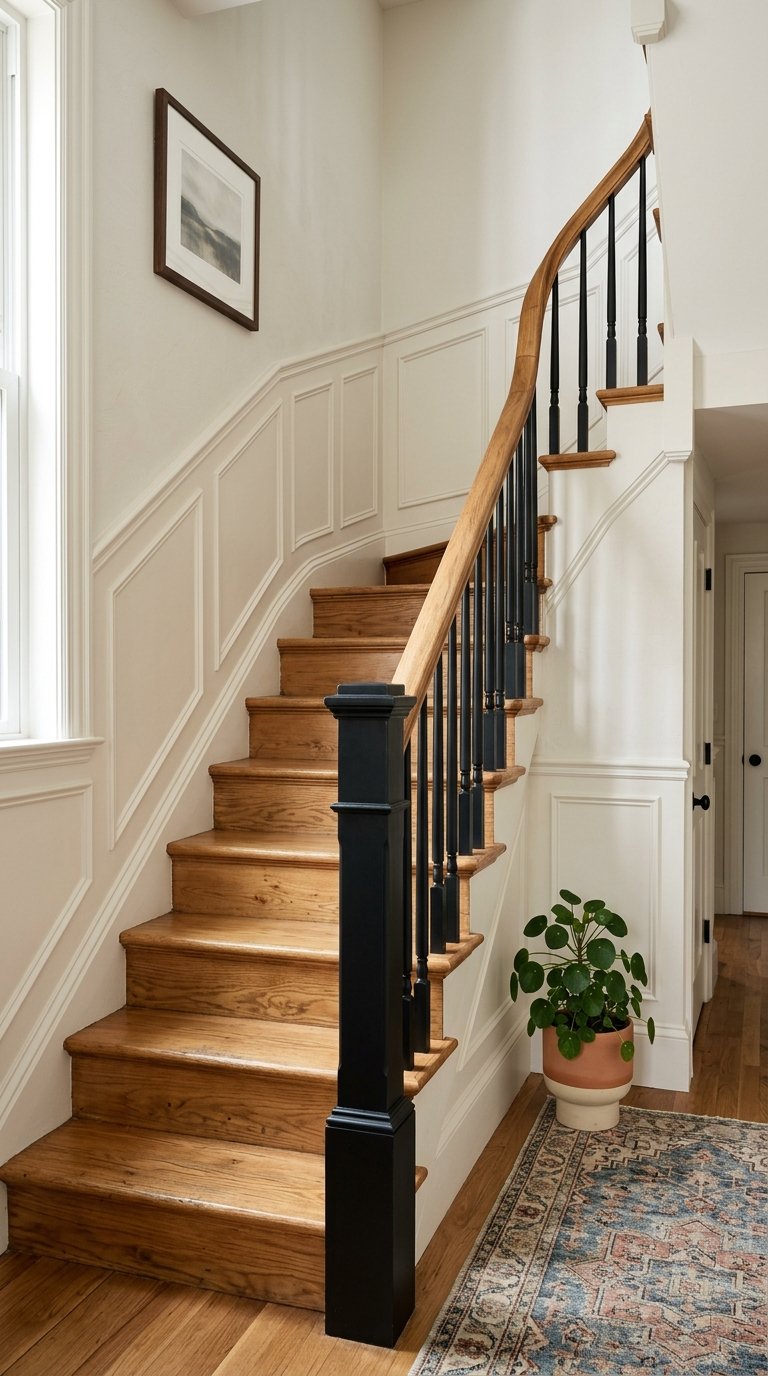
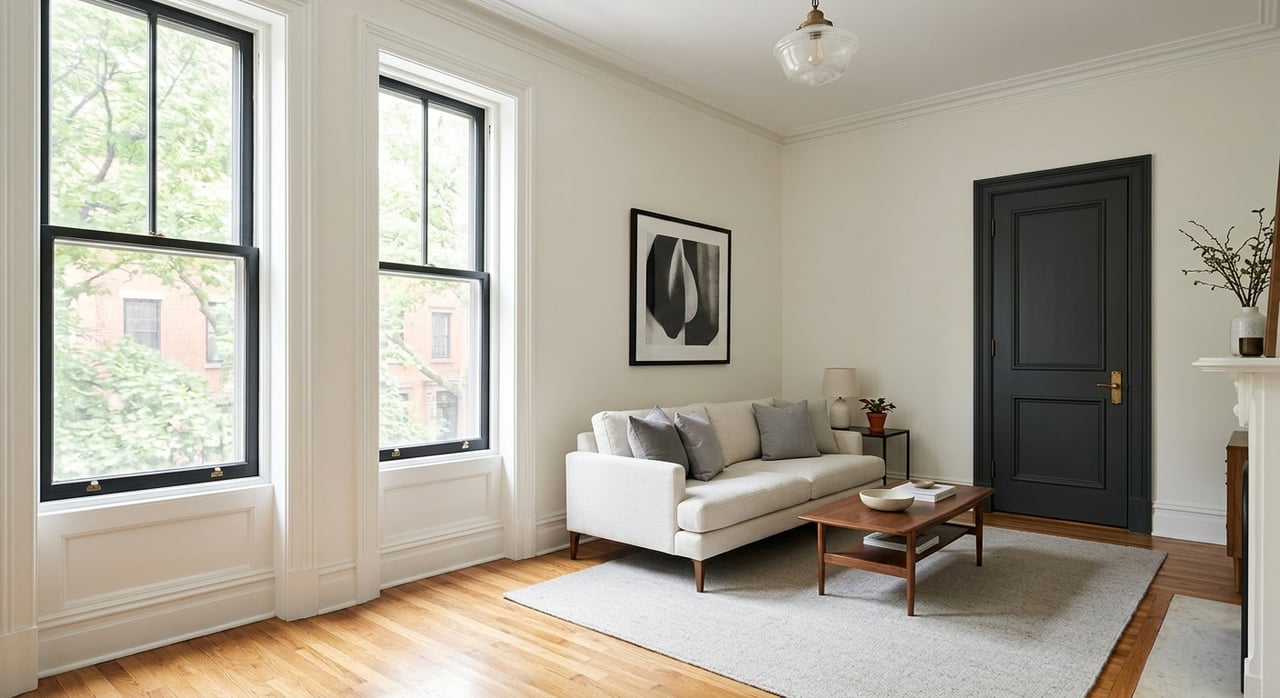
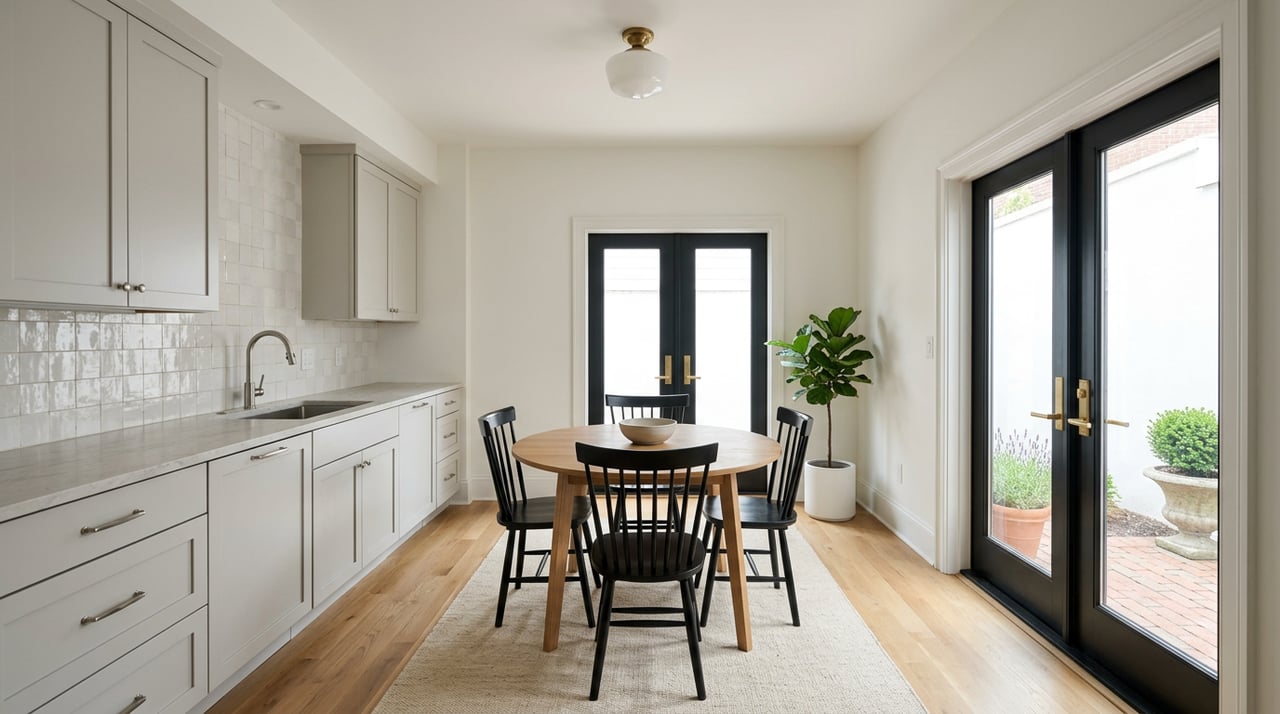
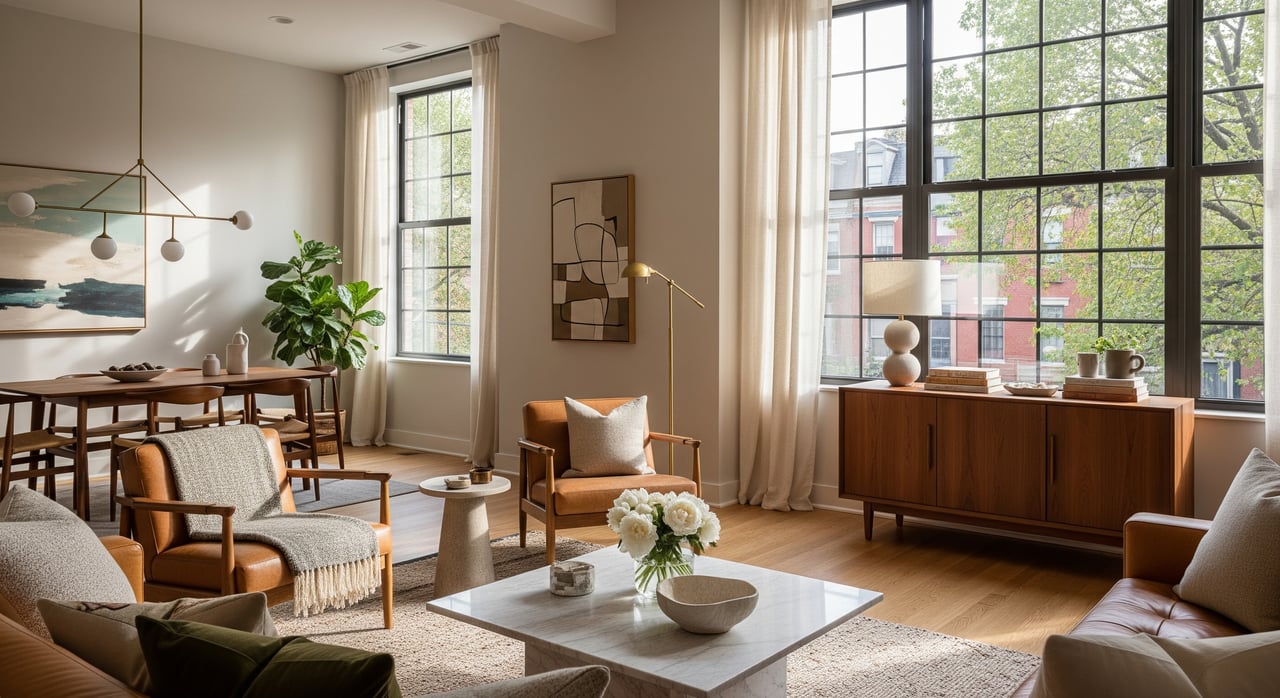
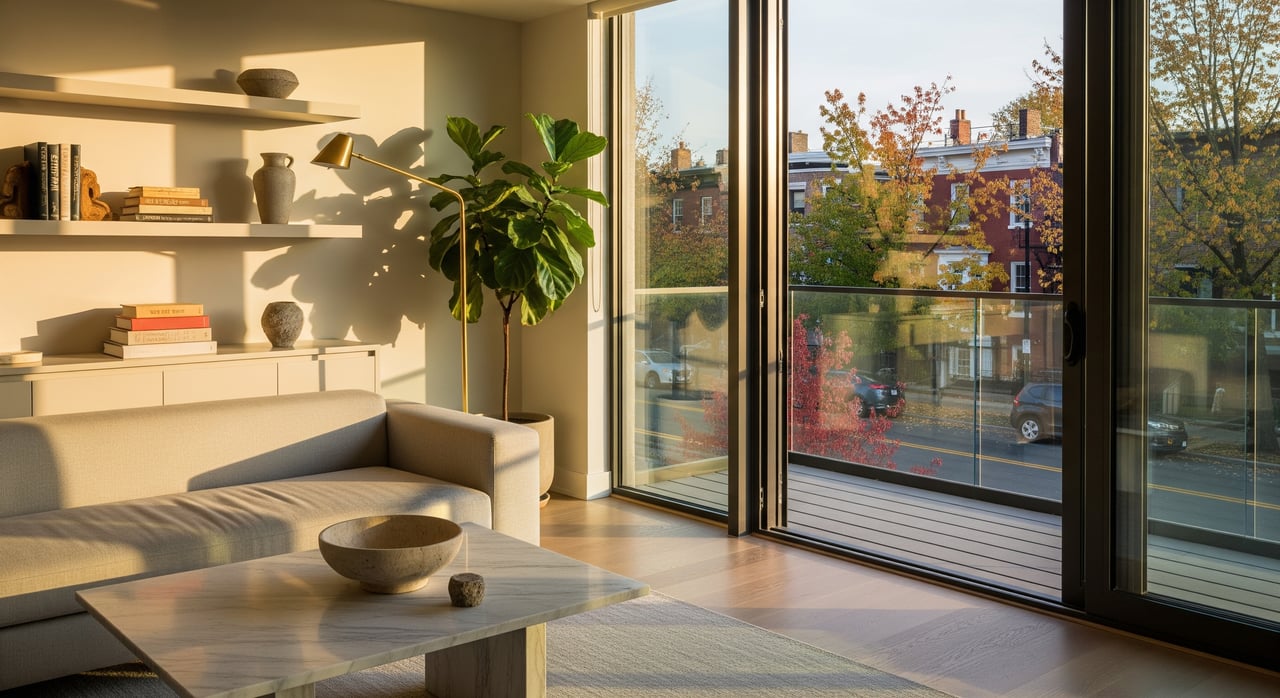
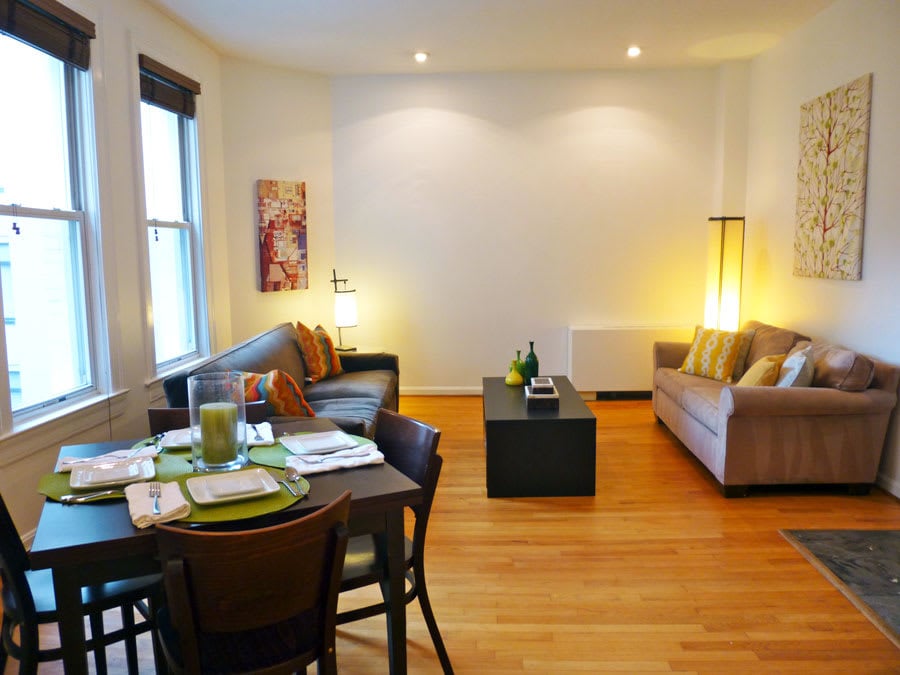
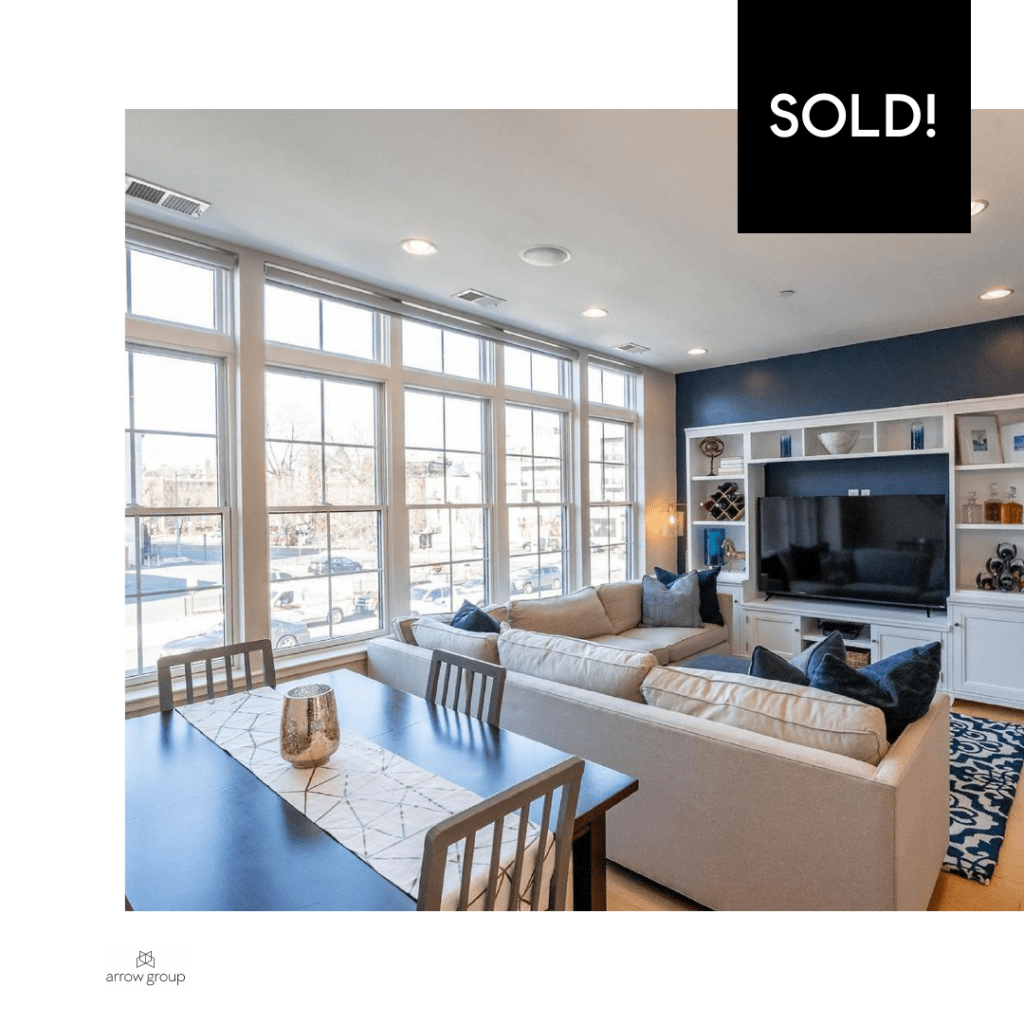
Older homes often feature historic details and character, but kitchens and bathrooms can be more compact. Newer builds tend to offer modern finishes and amenities like elevators, in‑building laundry, and fitness rooms. In older buildings, check heating and cooling systems and insulation quality, and listen for potential street or Metro noise during a showing.
If you’re considering a condo, review HOA or condo fees carefully. Understand what’s included, whether reserves are healthy, and the likelihood of special assessments in older buildings. It’s smart to factor fees into your monthly budget from the start.
Daily life and amenities
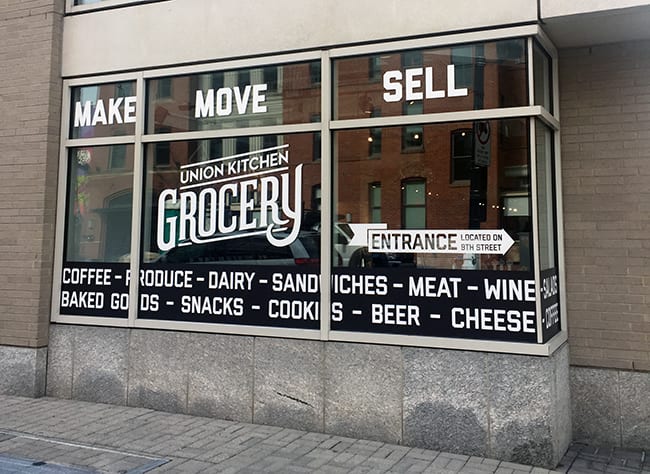
Columbia Heights makes everyday errands simple. DC USA near the Metro is a central retail anchor, and you’ll find smaller groceries, bakeries, and services scattered along the neighborhood’s commercial streets. Most basics are walkable or a short transit ride away.
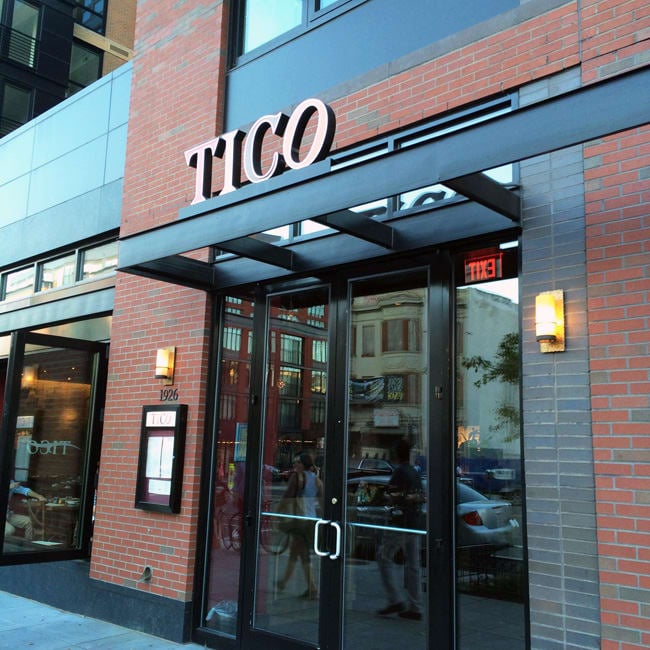
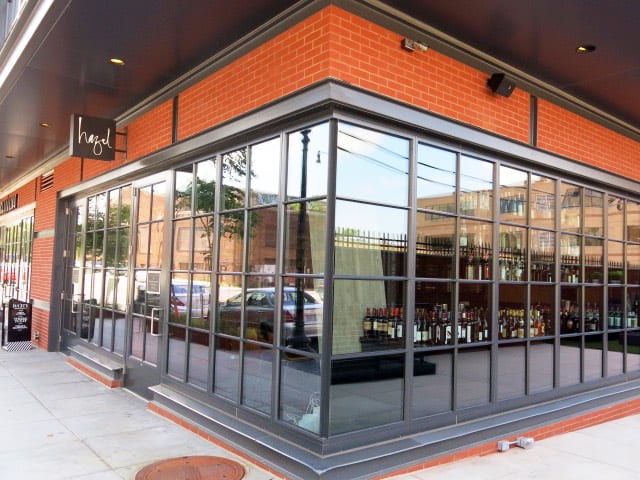
For dining, the neighborhood has a growing mix of long‑standing local spots and newer openings. When you want more options, the 14th Street and U Street corridors are close, with a dense cluster of restaurants, cafés, bars, and venues.
Parks and the outdoors
Meridian Hill Park is a major draw with formal landscaping and plenty of space to relax or meet friends. On weekends, you can expect community gatherings. For longer runs or bike rides, you’re within easy reach of Rock Creek Park and other smaller neighborhood greens.
Getting around and commutes
Transit is a strong suit here. The Columbia Heights Metro station connects you quickly to downtown and other parts of the city. Multiple bus routes run along major corridors like 14th Street, 16th Street, and U Street, giving you cross‑town flexibility. Capital Bikeshare docks, bike lanes on nearby corridors, and shared scooters add more choices for quick trips.
You can handle most daily needs on foot. Many residents find they don’t need a car because transit and bikes work well for commuting and errands. If you do plan to drive, expect typical city congestion during peak hours.
Owning a car here
Street parking can be competitive, especially near commercial streets. Many blocks are in Residential Permit Parking zones with time limits for non‑permit vehicles. If you plan to bring a car, review the city’s RPP rules and costs, and factor them into your budget.
Nighttime vibe and noise
You’ll find a lively urban atmosphere near restaurants, bars, and the Metro. If you prefer quieter evenings, look at homes one or two blocks off major corridors, where residential streets tend to calm down. When touring homes, check window quality and listen during both daytime and evening hours.
Safety, schools, and services
As with many city neighborhoods, safety can vary block by block. It’s wise to review current Metropolitan Police Department crime maps, walk the area at different times of day, and talk to neighbors or local community groups for context before you decide.
Public schools are part of DC Public Schools, and you’ll find charter and private school options nearby. School assignments and performance can vary by address. If schools factor into your decision, review DCPS profiles and enrollment details and visit potential options.
City services are straightforward. DC Water handles water and sewer, and city agencies manage trash and recycling schedules. For healthcare, you’ll find clinics and larger hospital systems accessible within Mid City and nearby areas.
Who Columbia Heights suits
- Urban first‑time buyers who want strong transit, a lively restaurant scene nearby, and a mix of condo and rental options.
- Move‑up buyers who like the idea of a rowhouse or larger condo while staying central and close to parks and community amenities.
- Renters who want a walkable lifestyle with Metro access, everyday retail, and straightforward commutes.
Tips for buyers and renters
- Buyers: Get pre‑approved early so you can move quickly on well‑priced homes. If you’re shopping condos, review financials, reserves, fees, and any planned projects. In older buildings, ask about recent upgrades and potential for assessments.
- Renters: Ask what utilities are included, confirm lease flexibility, and test noise levels during a showing. If you rely on transit, check your commute at the times you’d actually travel. If you’ll have a car, confirm parking availability and any additional fees.
How it compares nearby
Compared with Logan Circle and parts of the 14th Street corridor, Columbia Heights often offers a more residential feel while keeping similar central access. You may find that condo and townhome pricing feels more approachable than top‑tier neighborhoods like Georgetown. Against Adams Morgan or U Street, Columbia Heights can feel slightly less nightlife‑centric on many residential blocks, yet you can still walk to those hotspots when you want them.
Is Columbia Heights right for you?
If you want city convenience with a neighborhood rhythm, Columbia Heights delivers. You’ll get walkability, transit, and daily essentials close to home, plus a wide mix of housing styles to fit different budgets and stages of life. The best next step is to see how specific blocks feel at different times of day, compare commute options, and tour homes that match your wish list.
Ready to explore homes or get tailored guidance on the neighborhood? Reach out to Jen Angotti for local insight and a calm, step‑by‑step approach to your next move.
FAQs
Is Columbia Heights safe for residents?
- Safety varies by block and over time; review current MPD crime maps, visit at different hours, and talk to neighbors or local community groups for context.
Do you need a car to live in Columbia Heights?
- Many residents live comfortably without a car thanks to the Metro, frequent buses, and bikeshare; if you own a car, plan for Residential Permit Parking rules and limited street space.
How noisy is Columbia Heights at night?
- Near restaurants, bars, and the Metro, expect lively evenings; quieter streets are often one or two blocks off the main corridors, so check specific blocks and window quality during tours.
Are there school options in or near Columbia Heights?
- The area is served by DC Public Schools, with charter and private options nearby; review school profiles and enrollment details and visit schools to assess fit.
How does Columbia Heights compare to Logan Circle or U Street?
- Columbia Heights can be a slightly more affordable, more residential alternative with similar central access; compare on housing type, price range, and desired nightlife intensity.