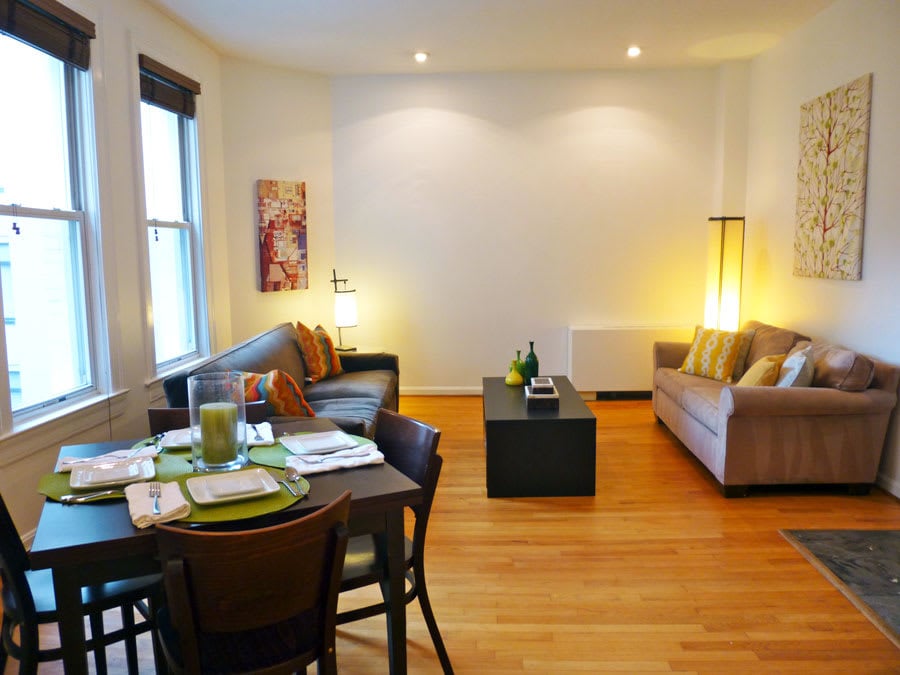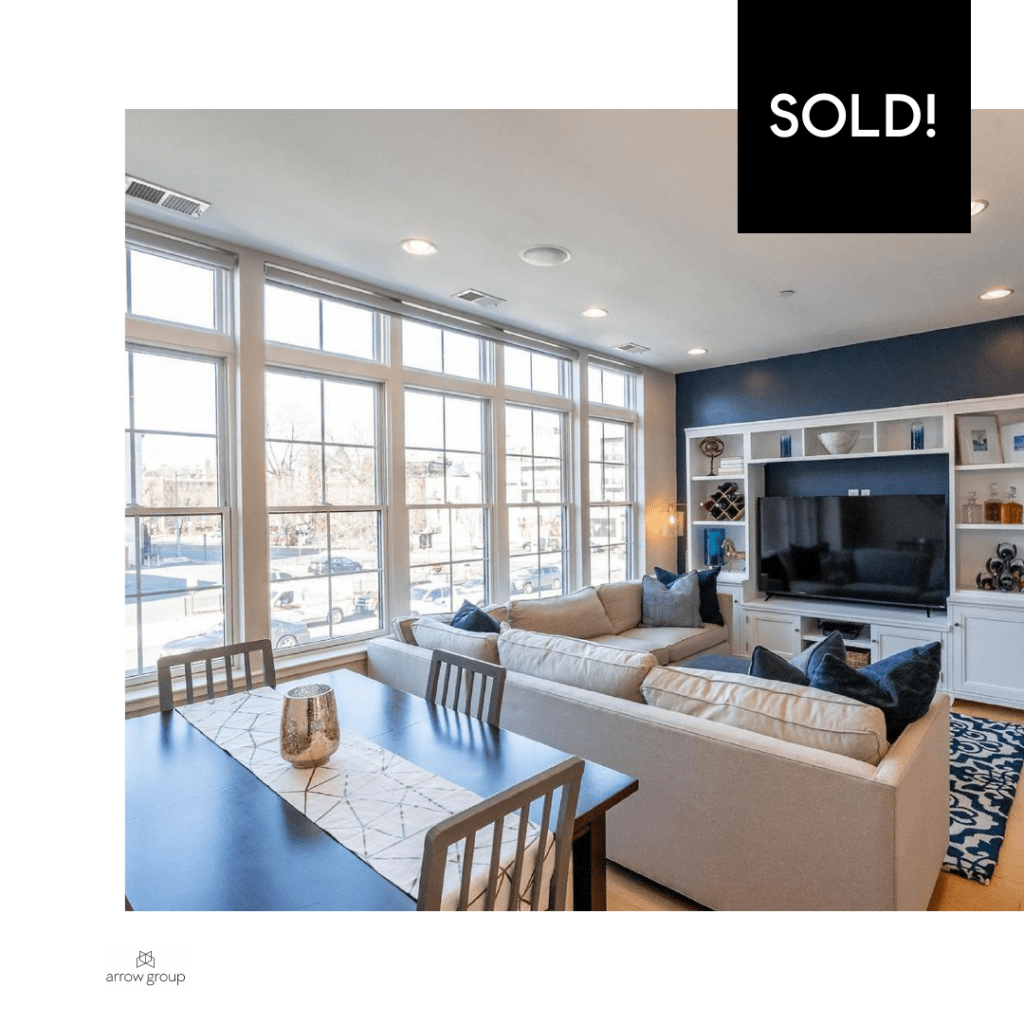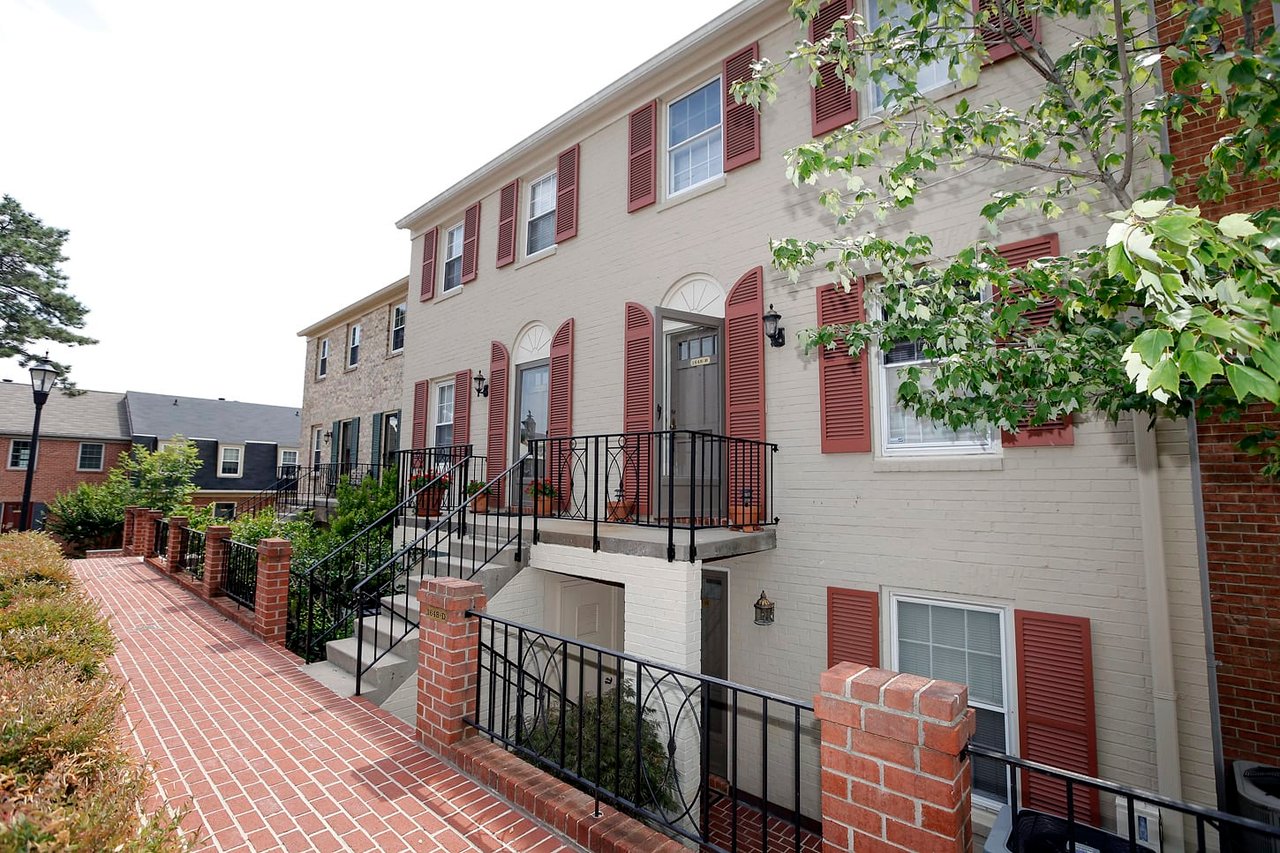
Thinking about a condo in Logan Circle but not sure how to compare buildings, fees, and blocks along 14th Street? You’re not alone. With historic charm, top-tier walkability, and a busy dining and retail corridor, Logan Circle offers a lot of choice in a small area. In this guide, you’ll learn how the buildings differ, what fees really cover, how to spot a strong HOA, and how location on or off 14th Street should shape your search. Let’s dive in.
Why Logan Circle works for condo buyers
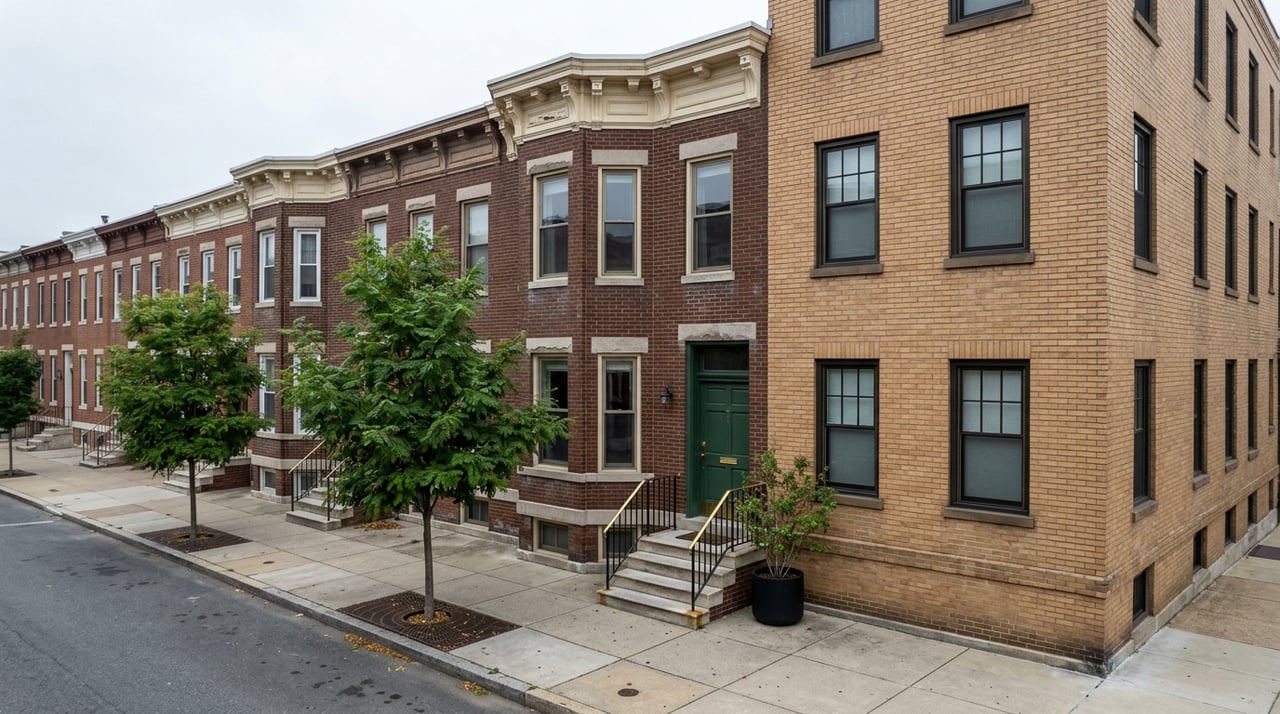
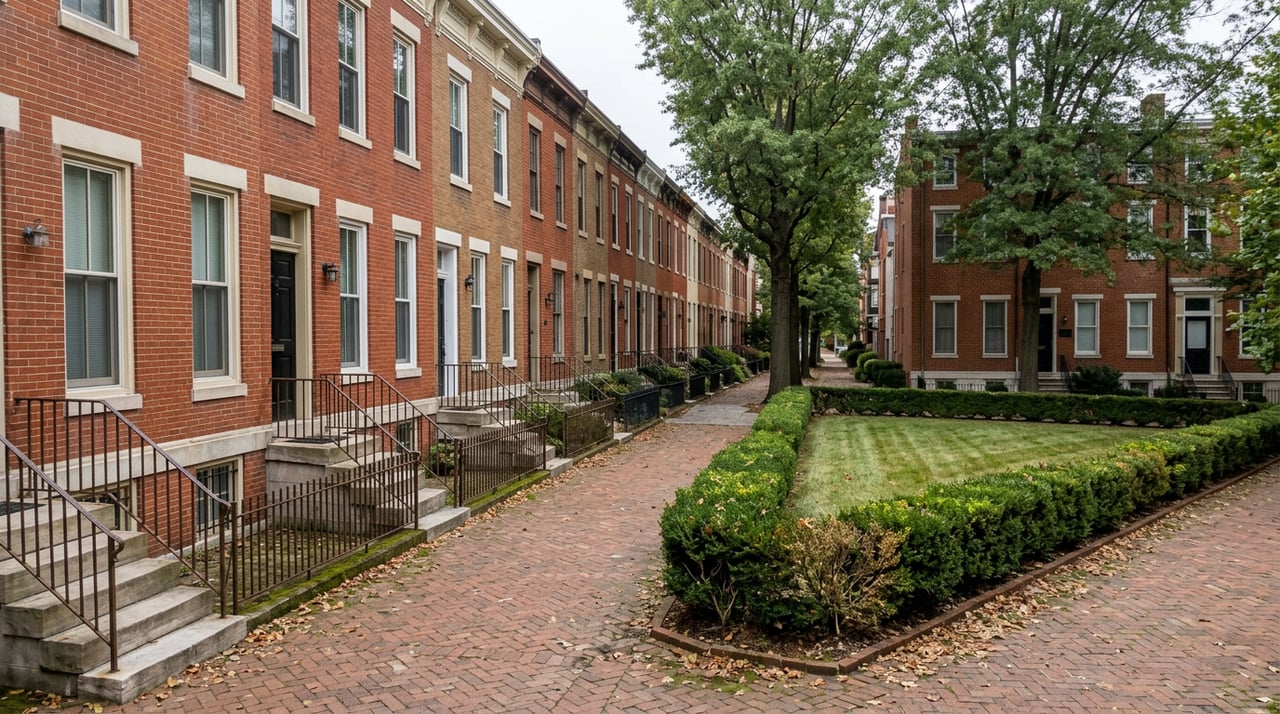
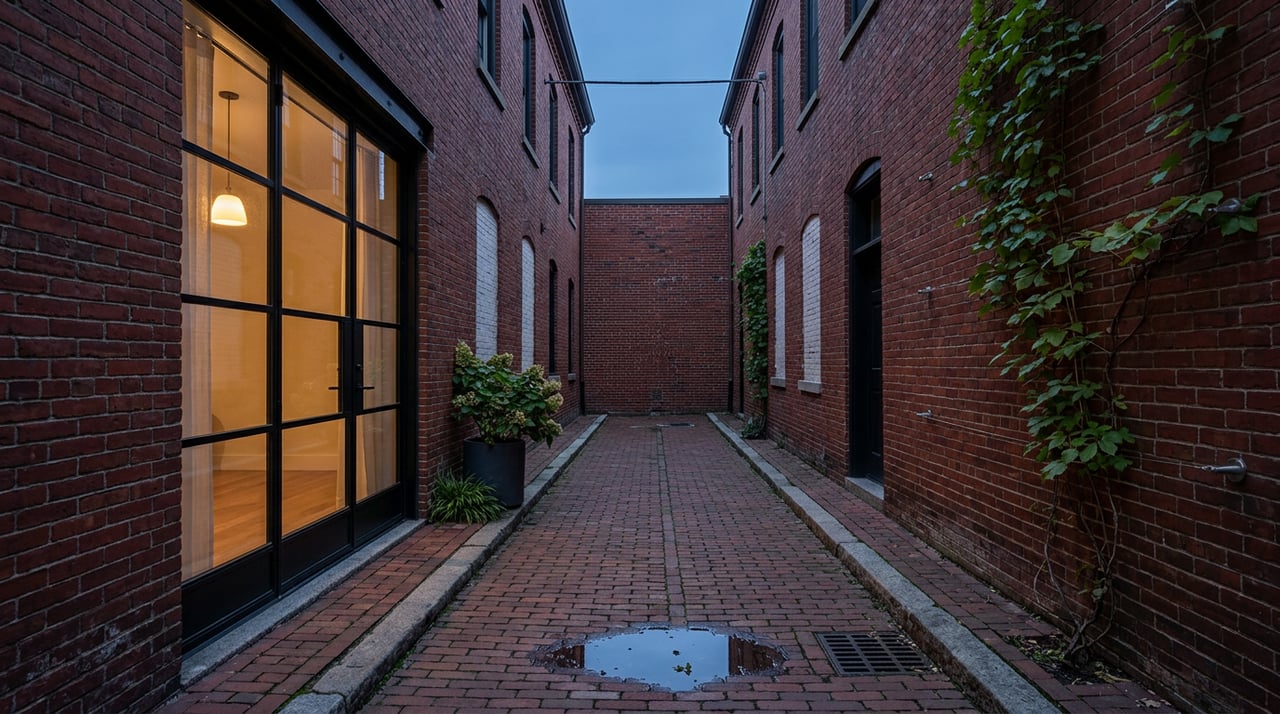
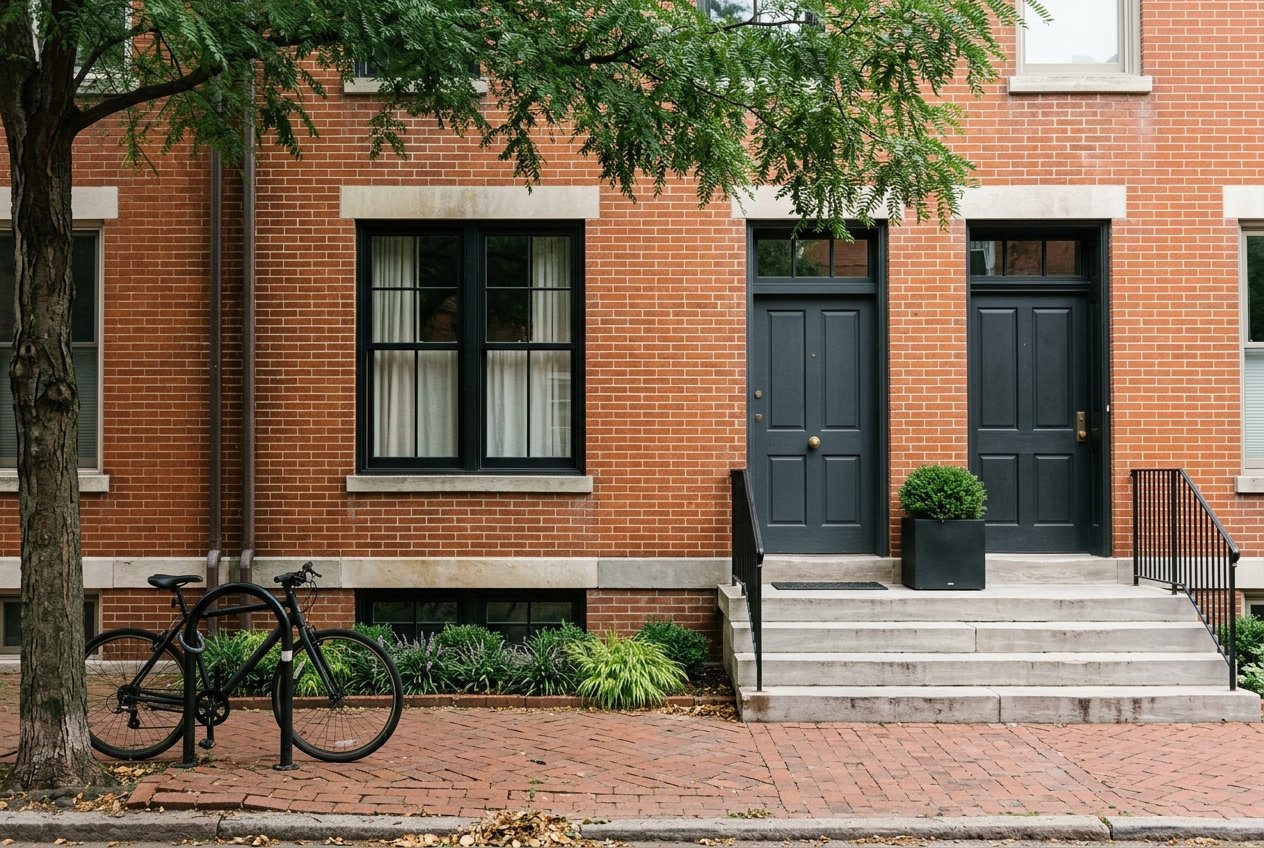
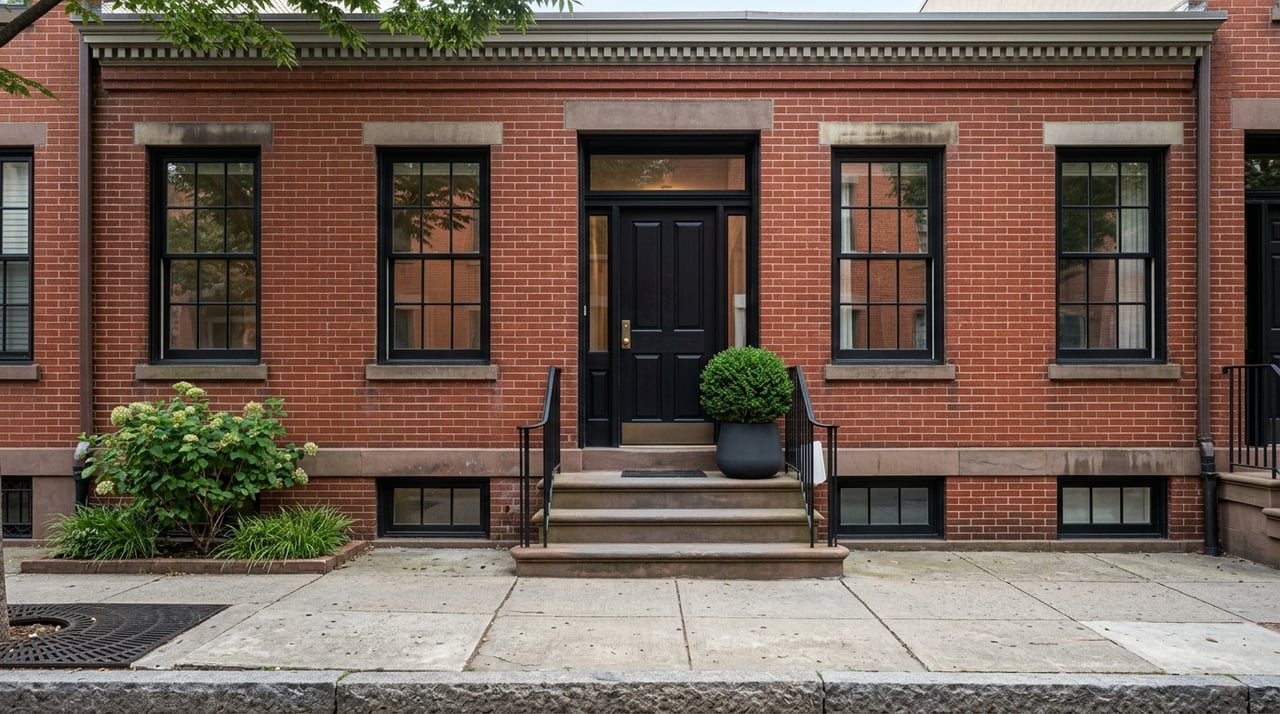
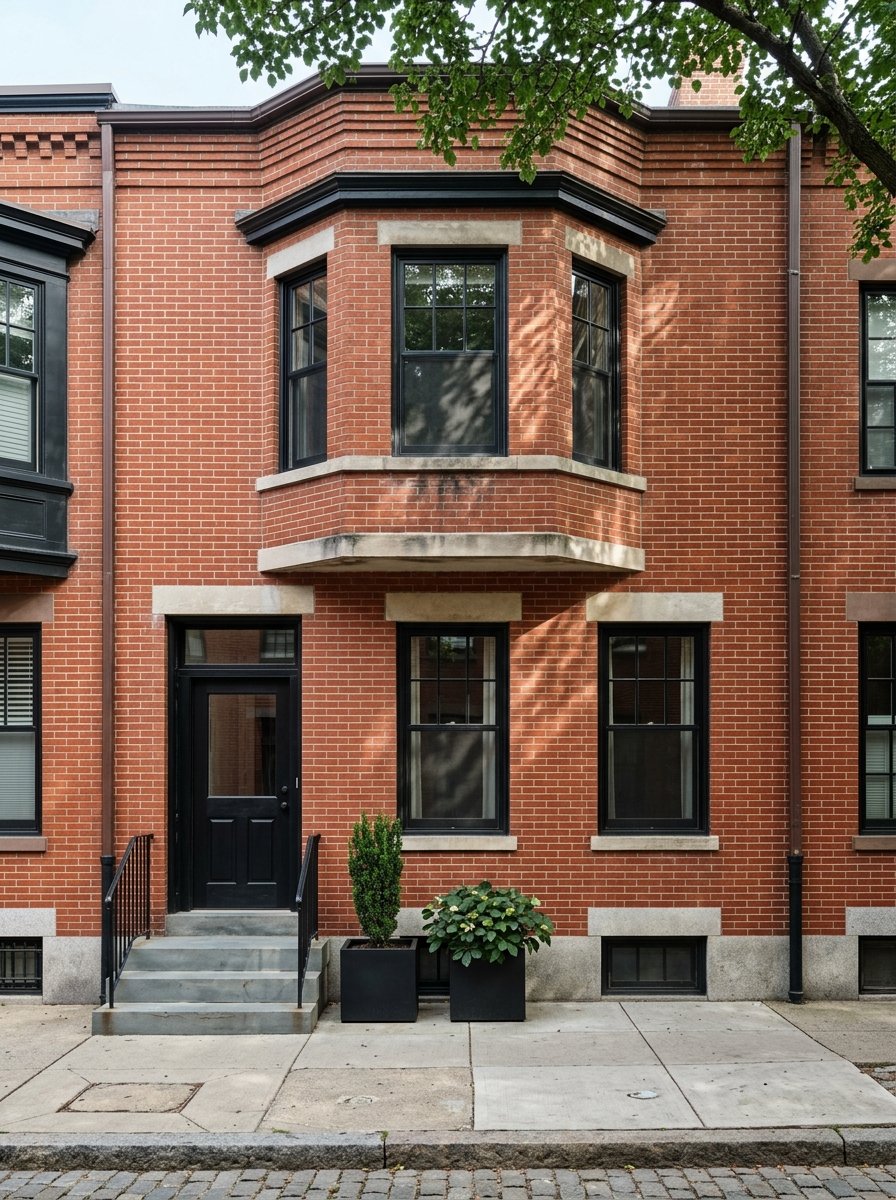
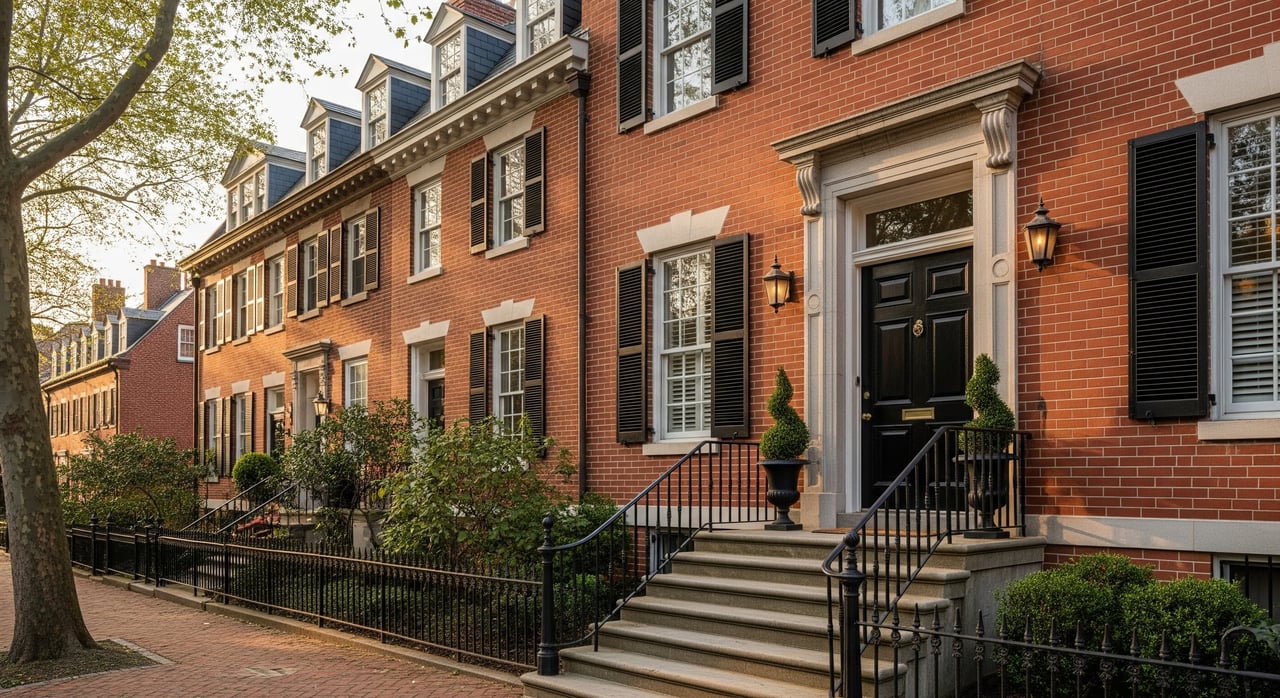
Logan Circle centers on the historic traffic circle near 13th and P Streets NW and is represented locally by ANC 2F. The neighborhood blends a late-19th-century core of Victorian rowhouses with a lively 14th Street corridor.
You can walk to restaurants, retail, and frequent bus and Circulator stops, with multiple Metro stations nearby. That access is a big reason many buyers accept fewer on-site parking spaces in exchange for location. For a quick overview of the corridor’s walkable lifestyle, explore the Logan Circle neighborhood profile.
As of January 2026, the neighborhood’s median sale price is about $725,000, with price per square foot in the mid-$600s in recent months. Prices vary by building type and exact block, and condos typically price below many townhouses.
What you can buy
Historic conversions
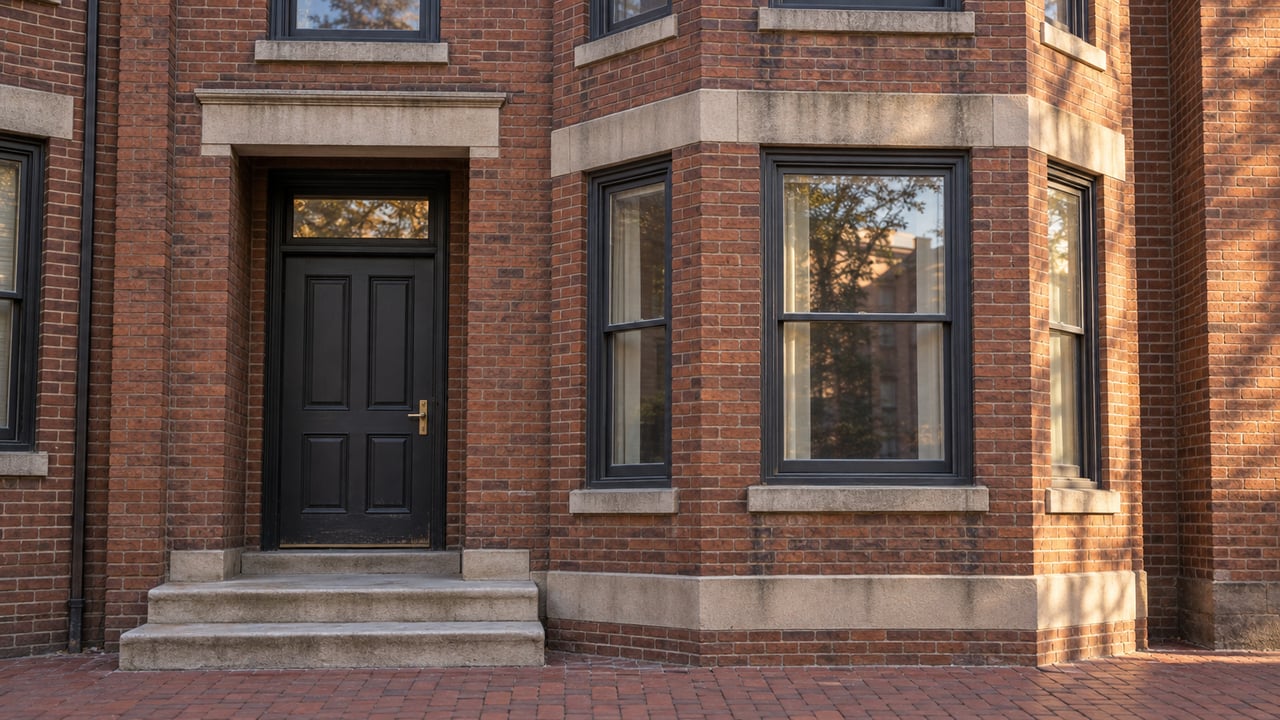
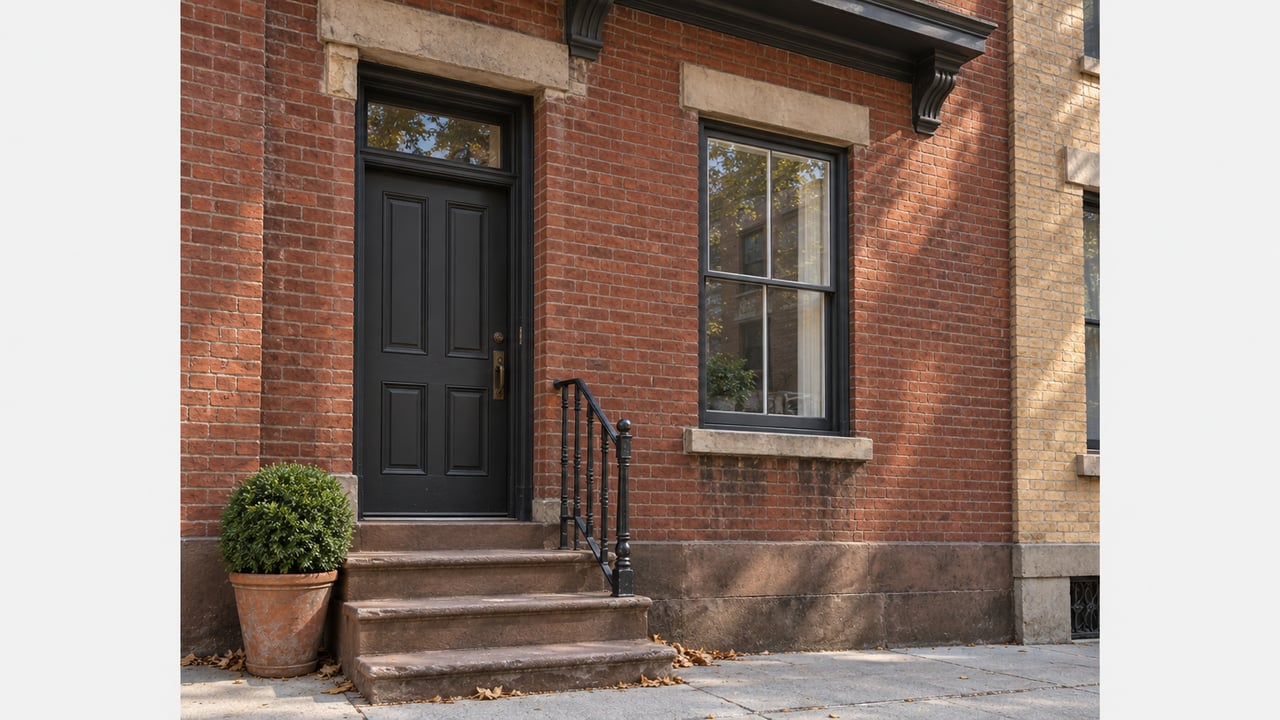
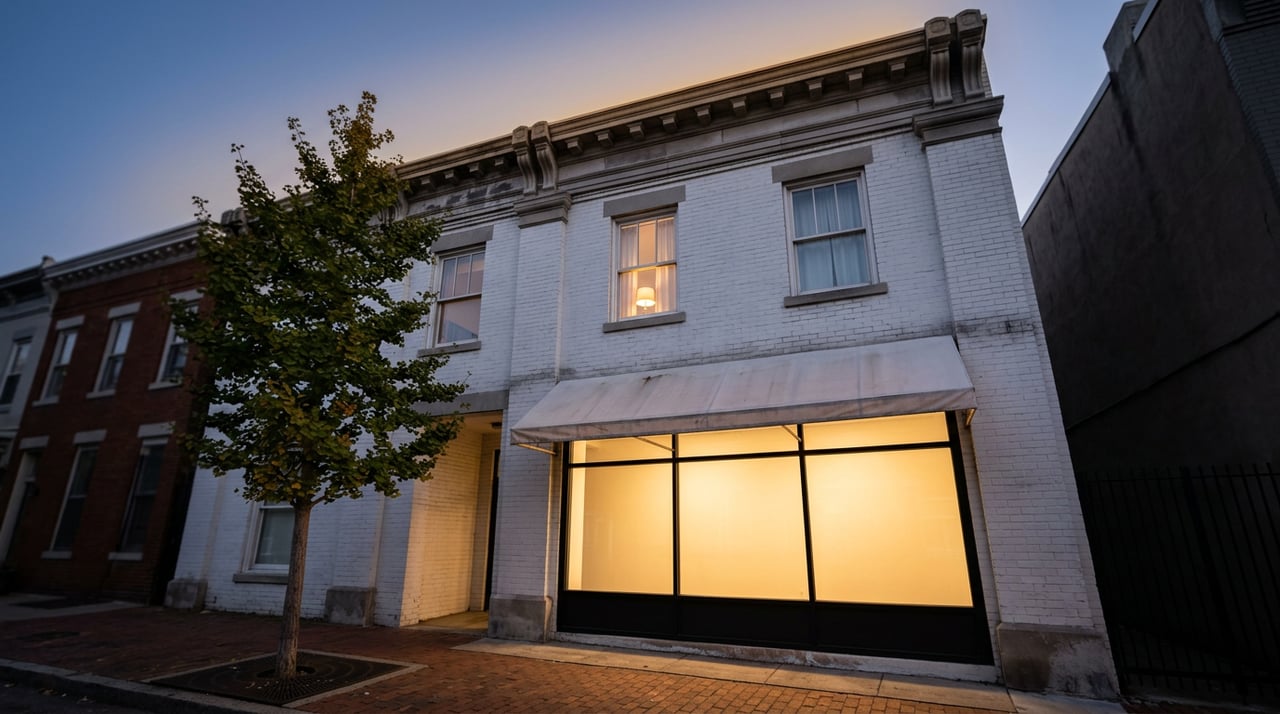
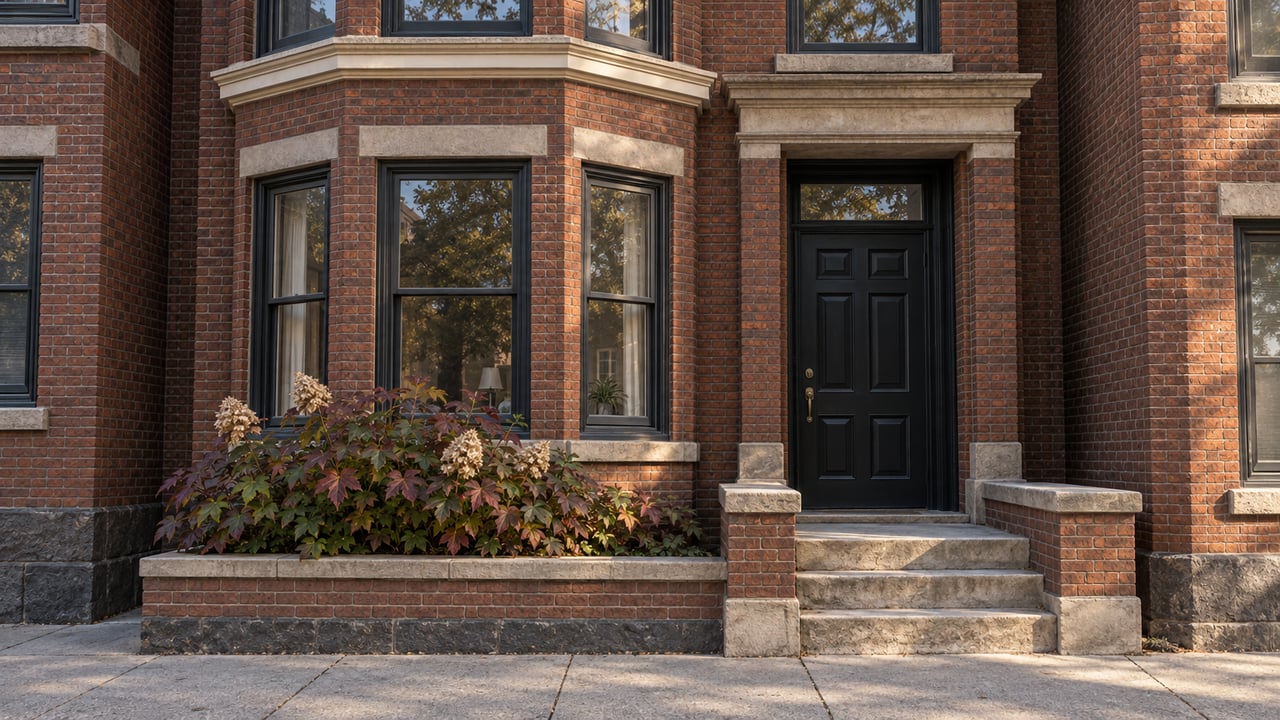
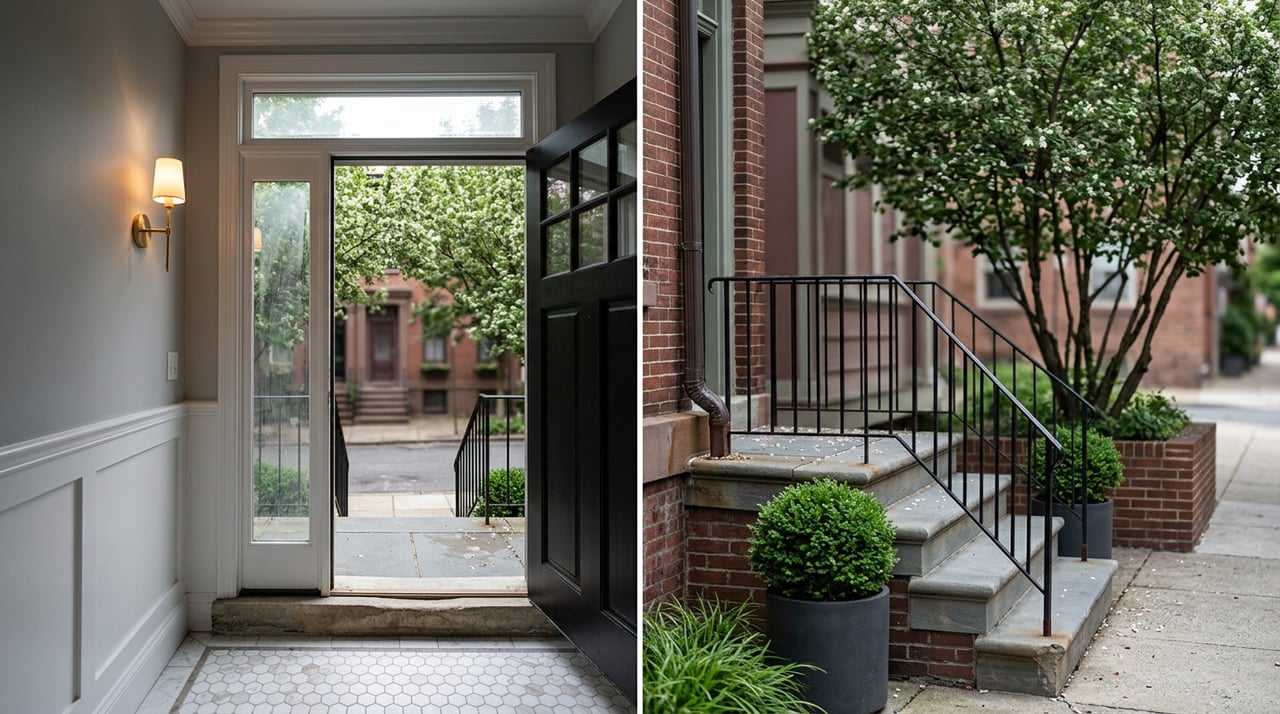
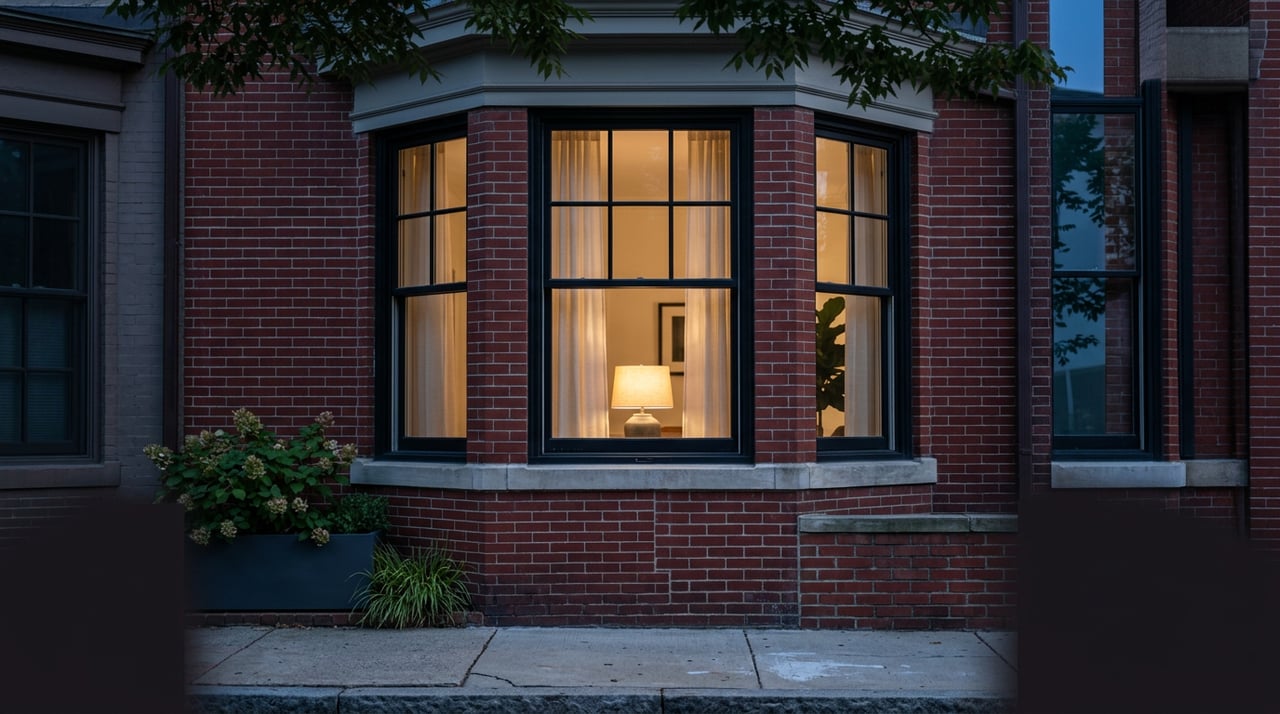
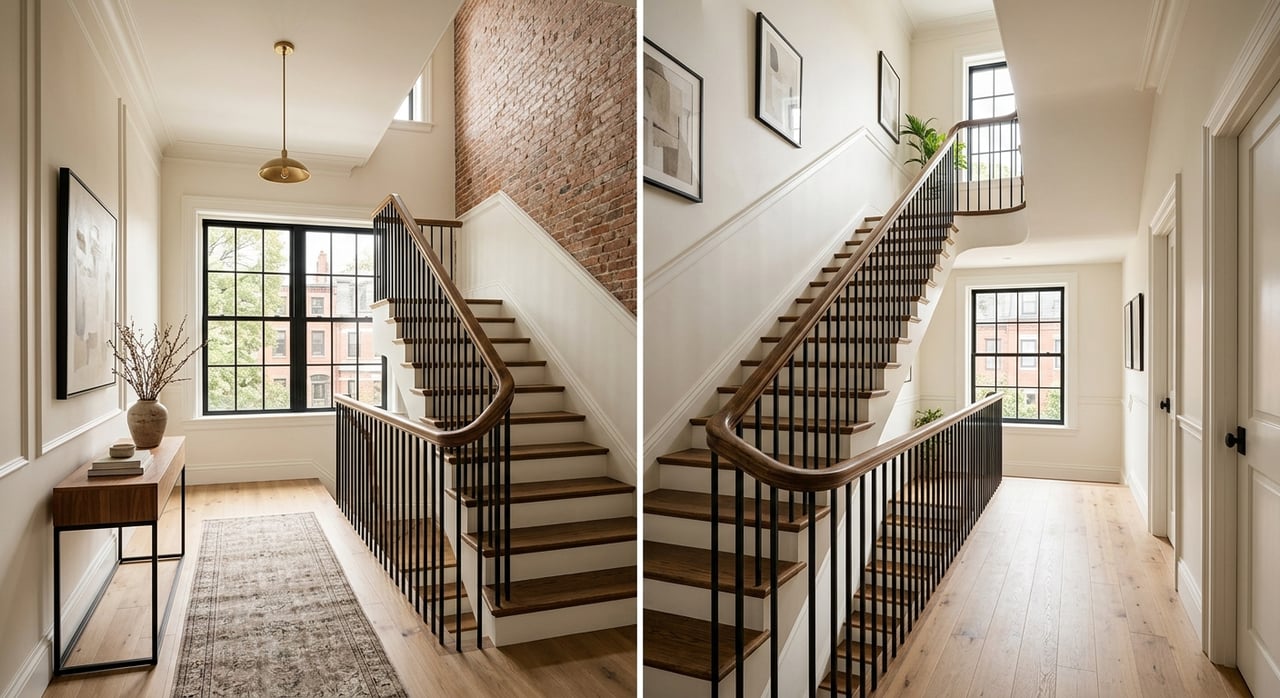
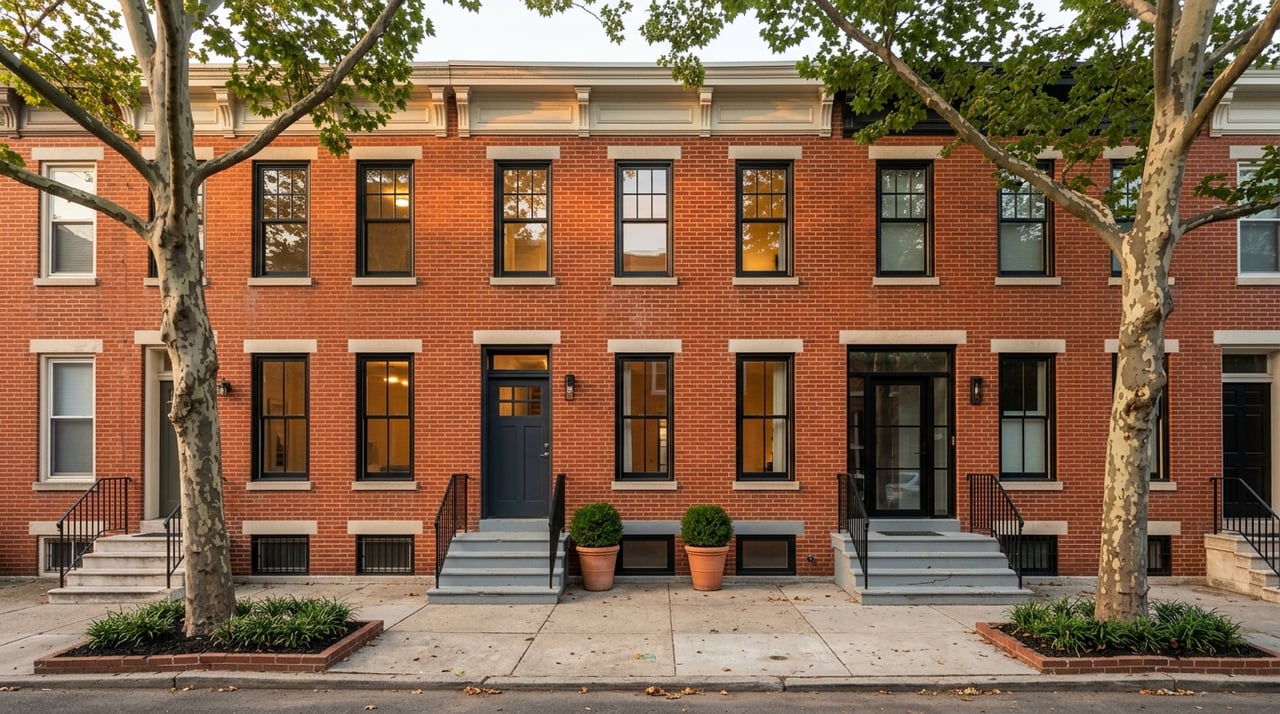
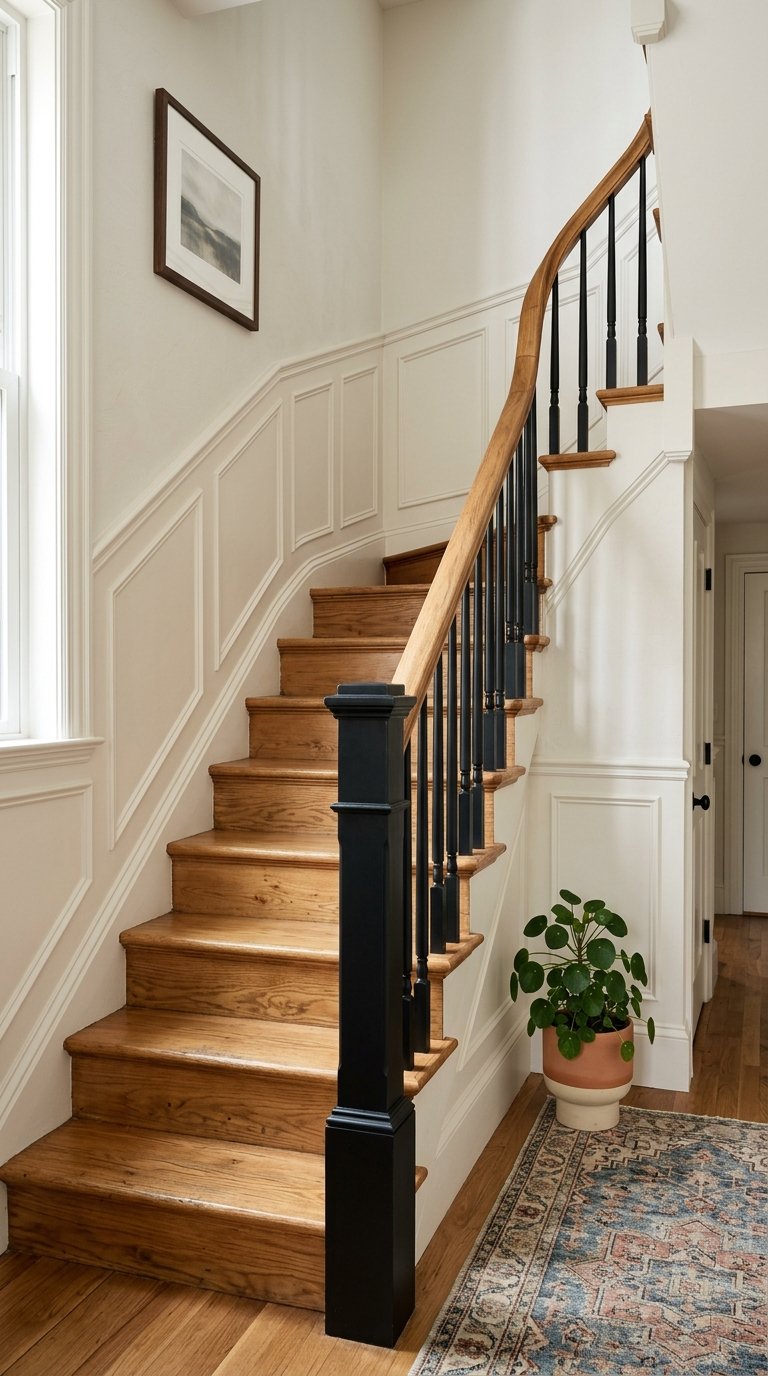
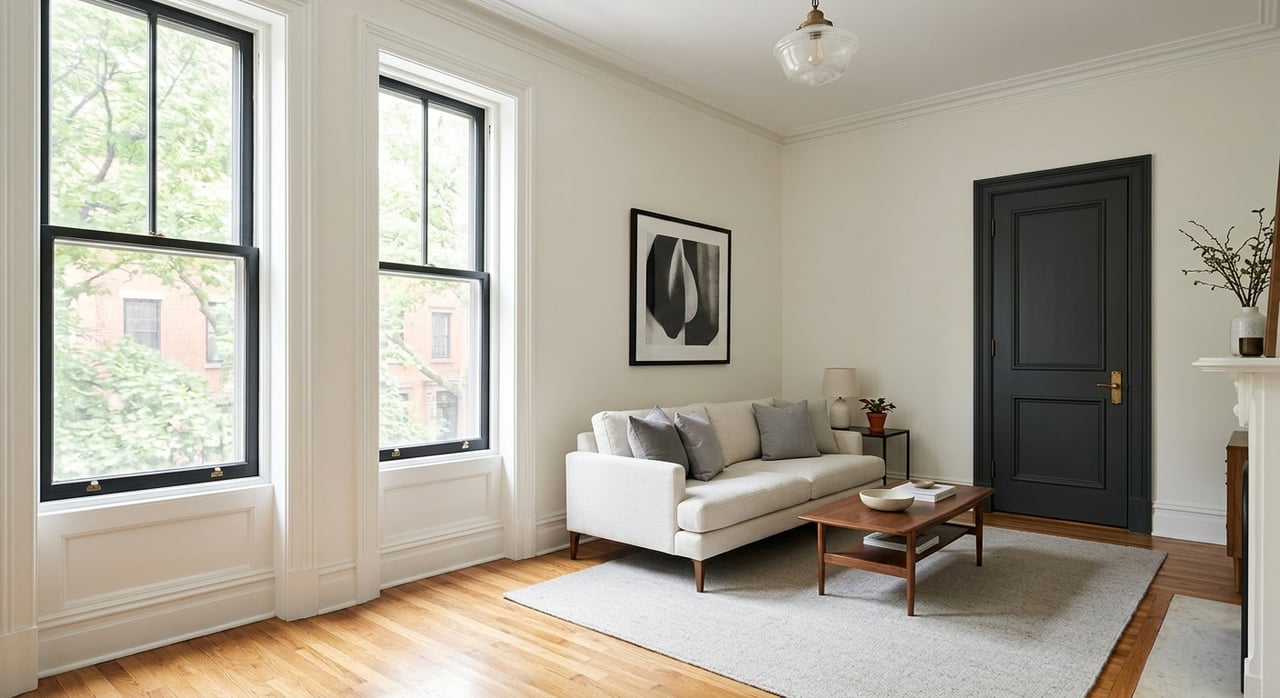
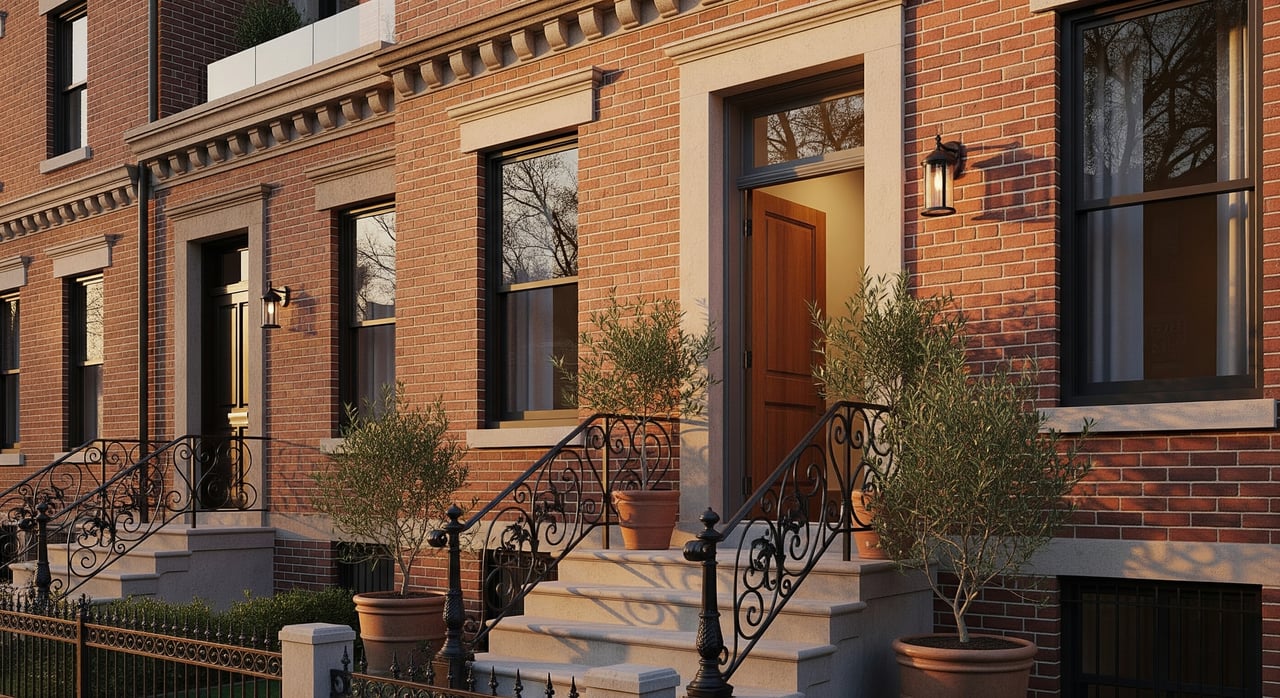
Many Victorian rowhouses and brownstones have been converted into condo flats or small associations. These homes often date to the late 1800s. In older conversions, you may see smaller footprints, limited or no elevator, and varied in-unit systems. That can mean window units or non-central A/C in some cases and limited storage. The city’s Historic Preservation Office materials explain how these buildings fit the neighborhood’s character.
Prewar walk-ups
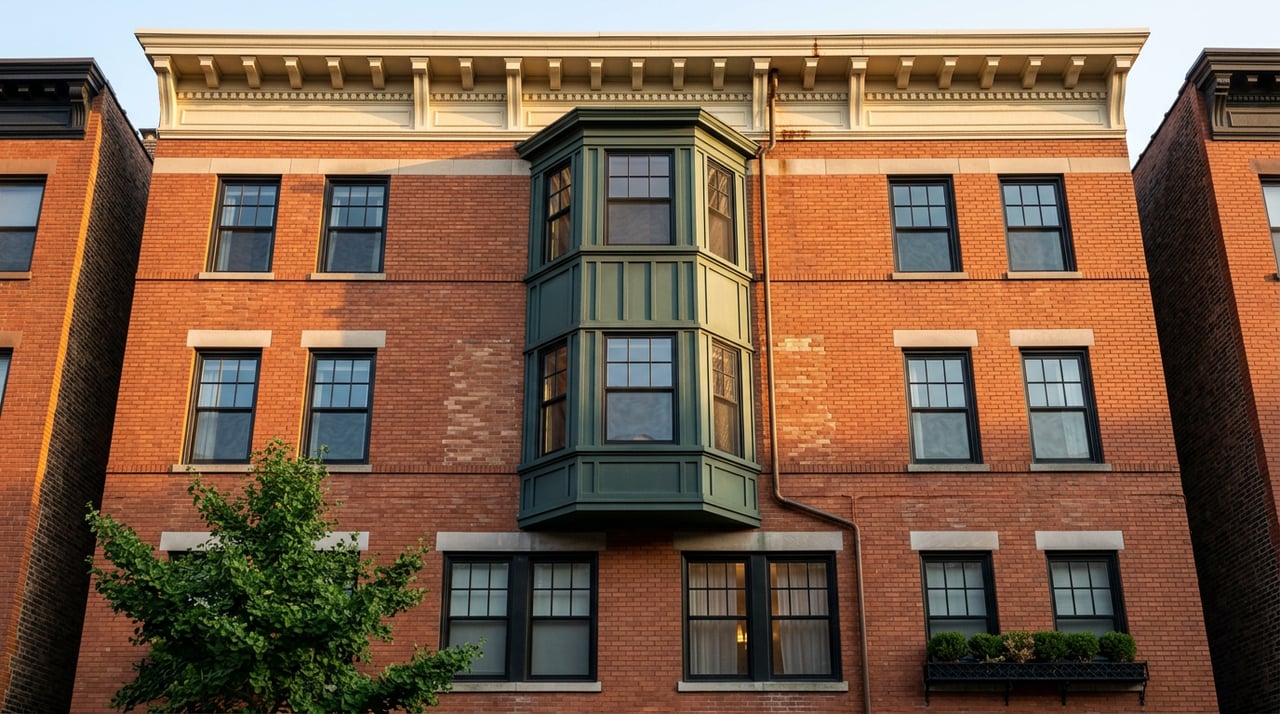
Logan also includes early-20th-century low-rise apartment buildings that were converted to condos in later decades. These often feature studios and one-bedrooms, stair access, and modest common areas. Fees in these buildings can be lower than full-service properties, but reserves vary and amenities are limited. For a window into how historic fabric shapes these buildings, review the local preservation brochure content.
Newer mid-rise near 14th
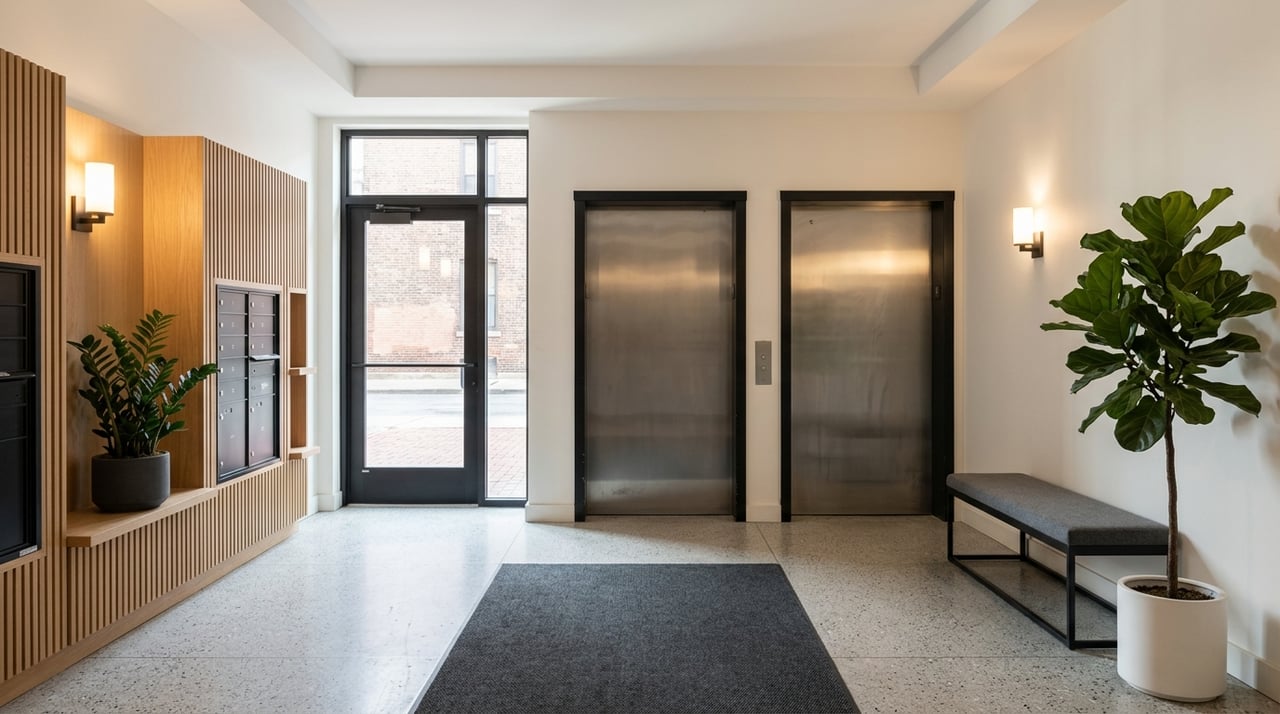
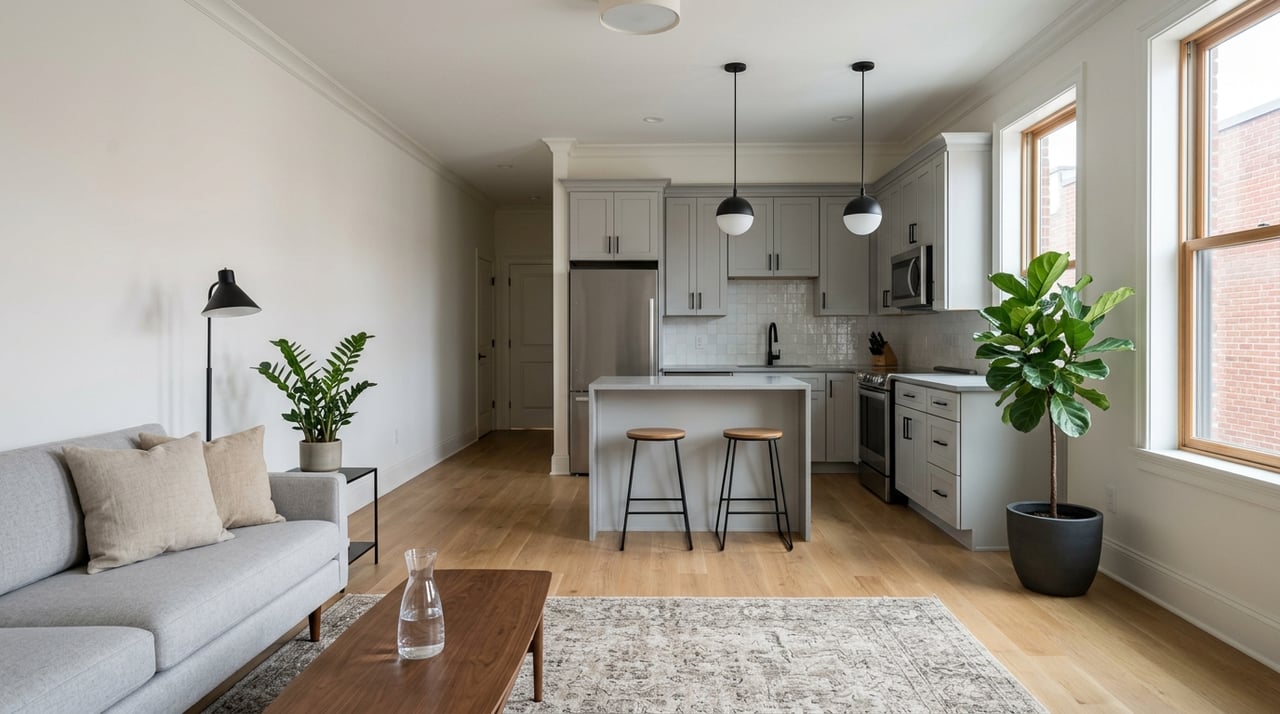
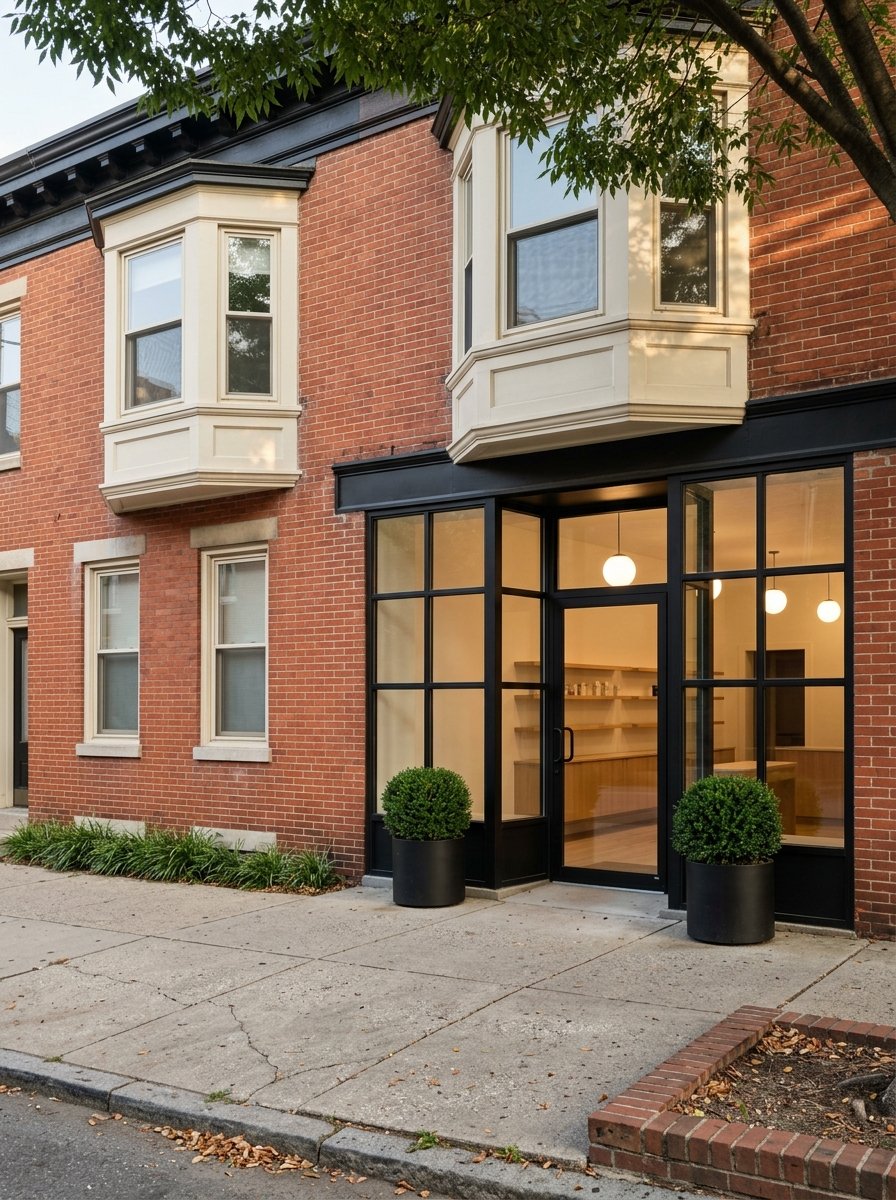
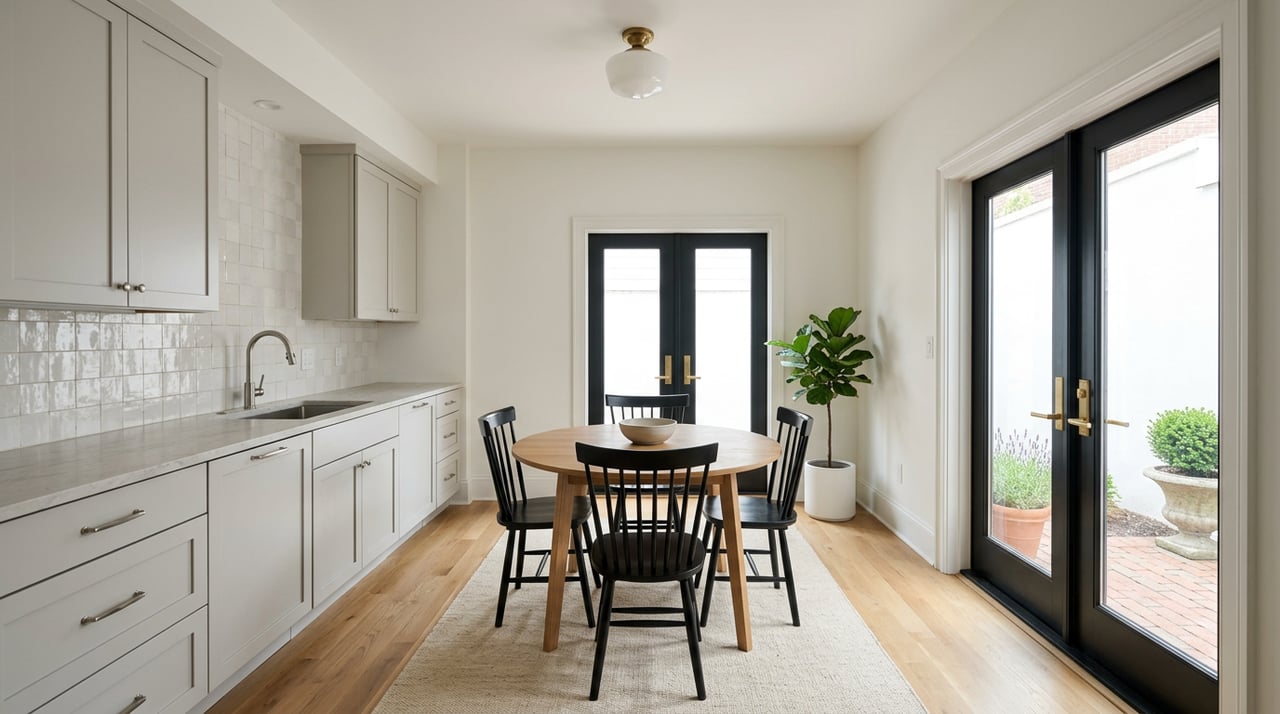
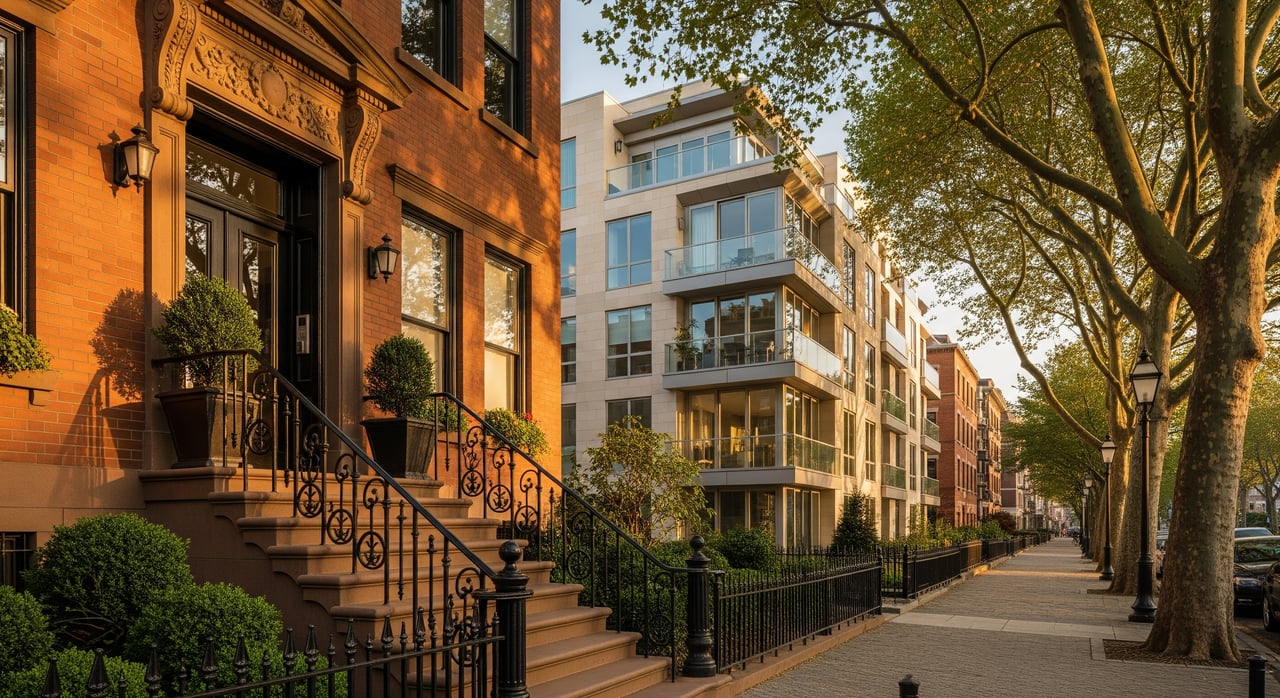
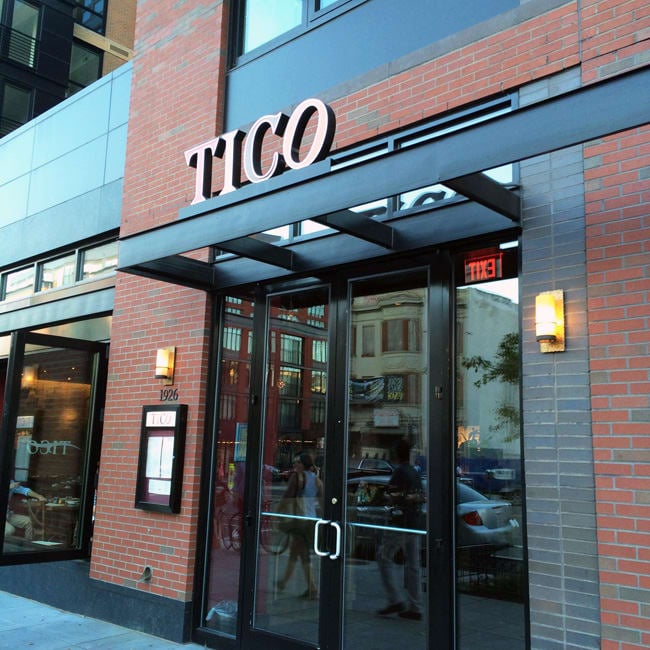
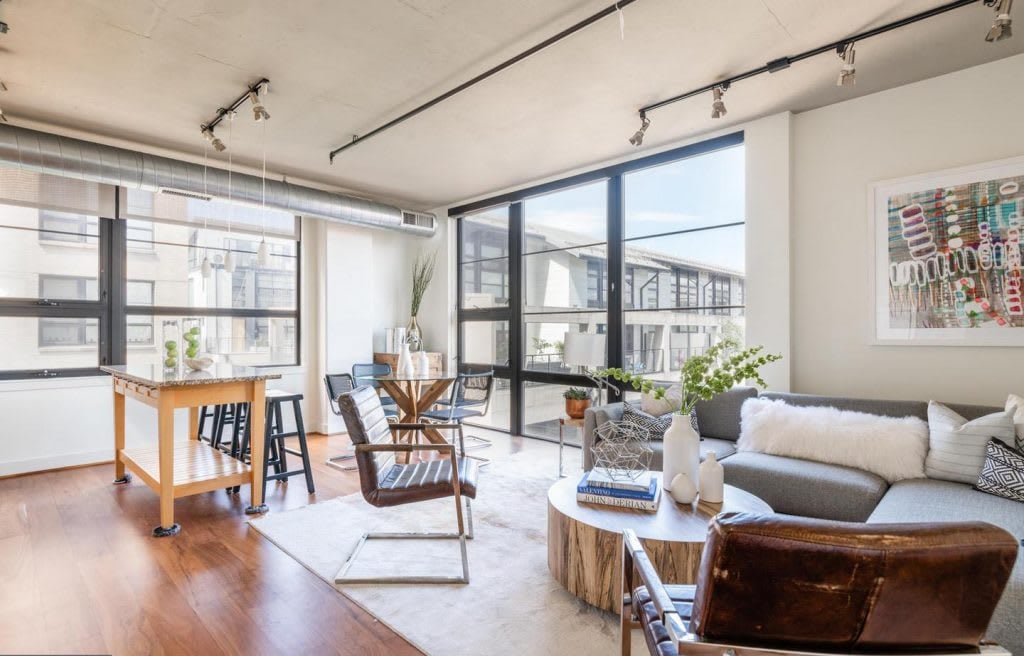
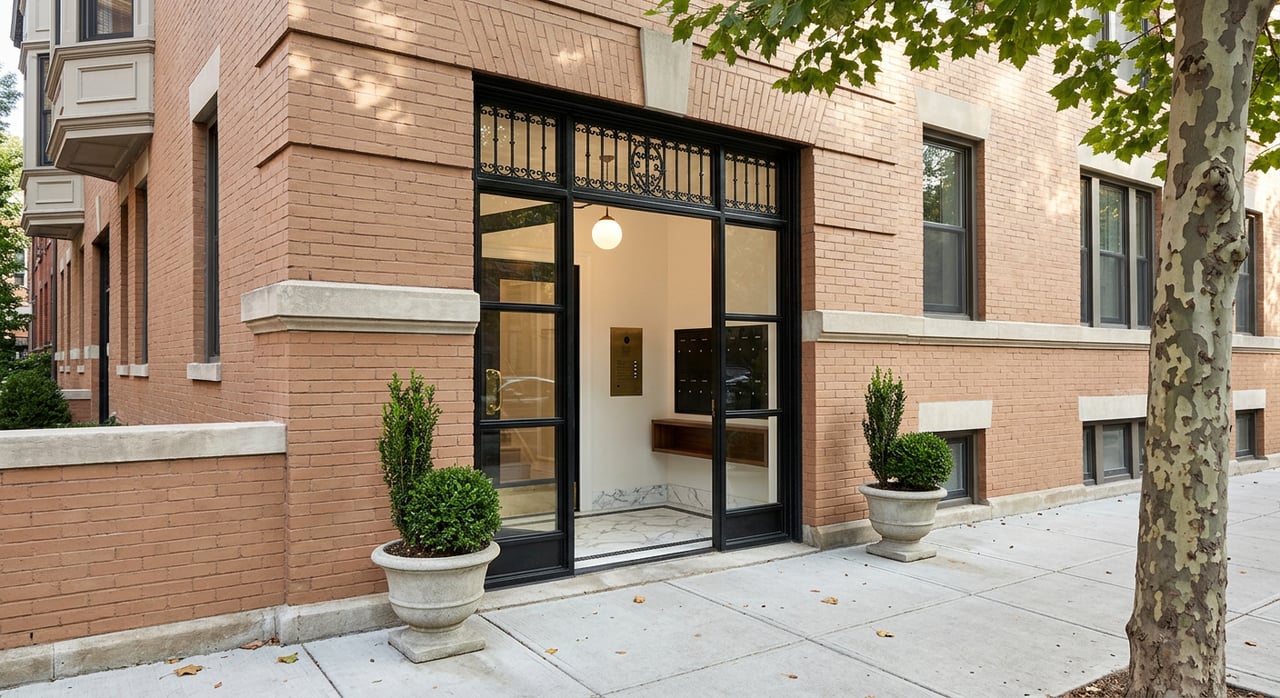
Closer to 14th Street, you’ll find mid- and small-scale buildings from the 2000s to today. These often include elevators, fitness rooms, rooftop decks, and storage lockers. Assigned parking may be available for purchase or as a separate rental. For an example of the kinds of amenities common in this pocket, browse a Church Street listing like 1401 Church Street NW, Unit 402 and compare features to your wish list.
What condo fees cover
Condo fees vary widely by building size, age, and amenities. Boutique or converted buildings sometimes post fees in the low hundreds per month that cover basics like common-area maintenance and water. Mid-rise buildings frequently fall in the roughly $300 to $600 range for a one-bedroom, especially if there is an elevator and modest amenities. Full-service or luxury residences with extensive amenities can run much higher, including the thousands per month in some downtown properties.
The key is to match services to your lifestyle. If you value a staffed lobby, multiple shared spaces, and garage parking, expect higher dues. If you prefer a smaller building with simpler services, fees may be lower. Always compare what the fee includes, not just the dollar figure.
Location matters: the 14th Street effect
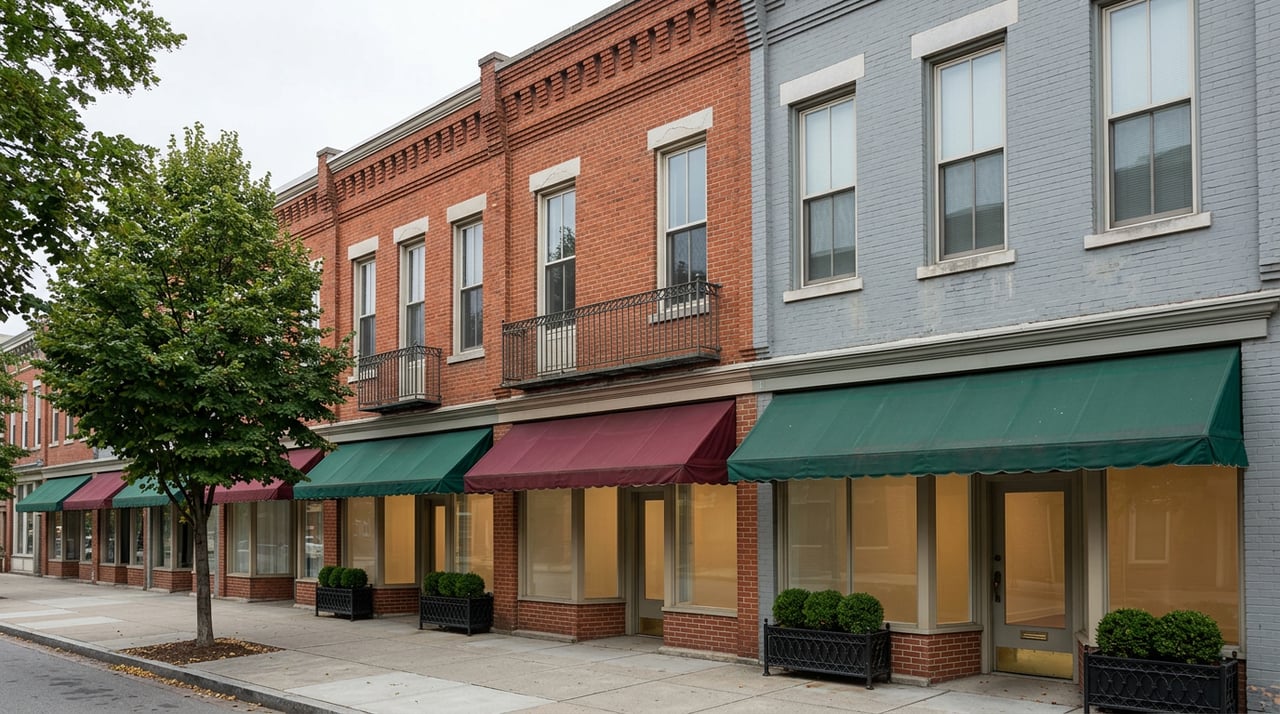
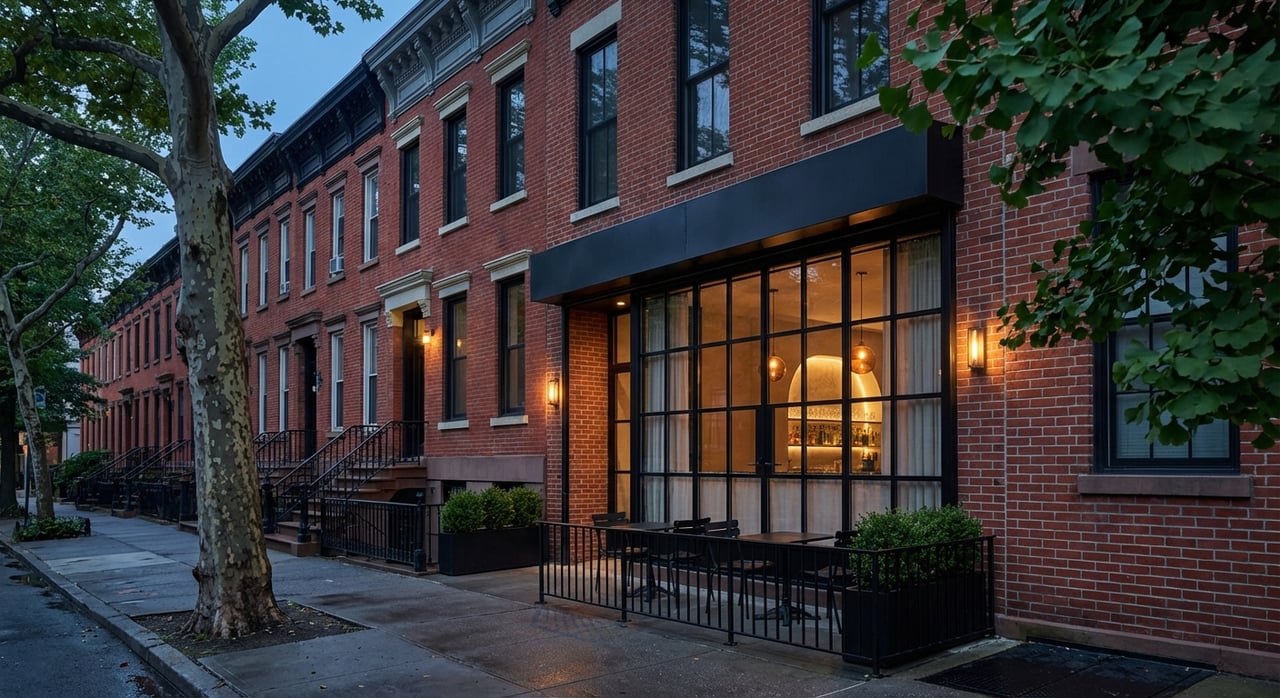
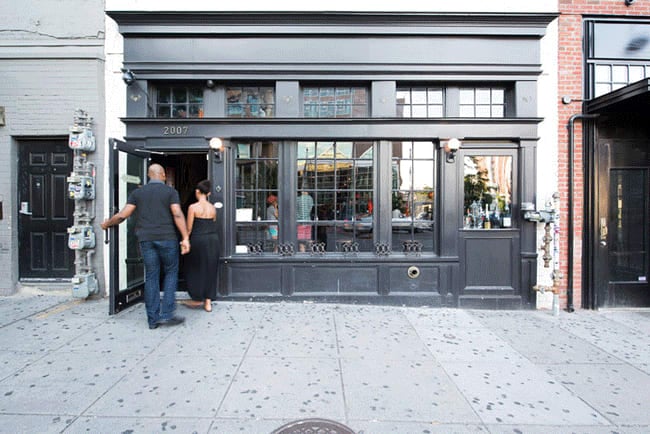
14th Street’s renaissance turned the corridor into a major dining and retail hub with steady activity day and night. If you want a bit of history on the transformation, see this overview of how 14th Street reinvented itself.
- On 14th Street itself, especially from P to U, you’ll feel the most nightlife and evening energy.
- One to two blocks east or west of 14th, including streets that frame Logan Circle like Church and R, read more residential and often quieter.
- North toward U Street and Shaw tends to stay busier later, while south toward Dupont and Thomas Circle blends retail with calmer rowhouse blocks.
Before you buy, visit your target block at night and on a weekend to see how it feels. The neighborhood profile can help you map your visits.
Parking, storage and moving tips
On many Logan Circle blocks, on-street parking follows the District’s Residential Permit Parking rules. If you plan to park regularly, check your exact block’s signage and confirm your RPP eligibility with the DC DMV guidance on Residential Parking Permits.
Older conversions often do not include assigned parking, and private spaces can carry a premium to buy or rent. Newer buildings are more likely to offer garage spaces and assigned storage lockers. When a listing says “storage included,” ask whether it is deeded with the unit or a rented bin.
For move-in day, confirm elevator size and reservation windows, any move fees, and whether a temporary loading zone permit is required for your movers near the building.
Financing and approvals
If you plan to use FHA or VA financing, check early whether the condominium project is approved. Some lenders can do a spot approval for a single unit, but the association still needs to meet owner-occupancy, reserve, insurance, and litigation standards. Conventional loans also test for “warrantability,” including investor concentration and reserve funding. Ask your lender and your agent to confirm these items before you write an offer on a specific unit.
Your DC condo rights and key documents
Under the D.C. Condominium Act, sellers must provide a resale package that includes the recorded declaration and bylaws, current operating budget, recent financials and reserves status, insurance information, a certificate of unpaid assessments, and any pending litigation disclosures. You have cancellation rights tied to when you receive these documents. Review D.C. Code § 42-1904.11 and plan time to read the package.
At minimum, request:
- Declaration, bylaws, rules and regulations
- Current budget, most recent year-end financials, and reserve study or reserve balances
- Status of delinquencies and any special assessments
- Minutes from the last 12 months of board and owner meetings
- Master insurance declarations and coverage summary
- Any litigation or enforcement actions
- Management contract and major vendor agreements if available
- Rental policies, owner-occupancy ratios, and short-term rental rules
- Parking and storage allocation rules, including whether spaces are deeded or assigned
Financial red flags to watch
Be cautious if you see very small reserves, frequent or recent special assessments, high delinquency rates, or ongoing litigation. D.C. law gives associations strong enforcement tools, including a super-priority lien for unpaid assessments. You can learn more about that enforcement power from this legal overview of the super-priority lien.
Insurance basics: master policy vs HO-6
The association’s master policy usually covers common elements and the building structure. You still need an HO-6 policy to cover interior finishes, personal property, liability, and loss-assessment coverage that helps with a share of a master deductible or a special assessment. Review the association’s declarations of insurance and ask your insurer to fill any gaps. This condo insurance primer outlines typical coverages.
Condos vs rowhouses
- Maintenance and control: Condos reduce exterior and roof upkeep but come with monthly fees and building rules. Rowhouses give you full control of your exterior and systems but increase maintenance time and cost.
- Price and space: Condos provide a lower entry price point for a prime location, especially for one-bedrooms. Intact rowhouses usually command a premium and deliver more bedrooms and private space.
- Financing: Small or financially weak condo associations can create lending hurdles. Rowhouses often align with standard single-family underwriting.
Buyer checklist
Before you bid or sign, do the following:
- Request the full resale package and bylaws, and understand your cancellation window under D.C. law.
- Review the budget, reserves, and any planned capital projects.
- Read the last 12 months of HOA meeting minutes.
- Confirm parking status and storage rights, and whether they are deeded, assigned, or rented.
- Check rental policies, investor concentration, and owner-occupancy ratios that could affect financing.
- Review the master insurance policy and plan your HO-6 coverage.
- Ask for statements on pending litigation and outstanding assessments.
- If using FHA or VA, verify project approval early.
- Visit the block in the evening and on a weekend to gauge noise and activity.
- Plan your move-in logistics, including elevator reservations and any move fees.
Buying in Logan Circle is about fit. The right building, the right block, and a solid HOA will set you up for an easier first year and a better long-term hold. If you want a calm, expert partner to help you compare options and line up the details, connect with Jen Angotti. Let’s talk about your next move.
FAQs
What defines Logan Circle in DC?
- Logan Circle centers on the historic circle near 13th and P Streets NW and is represented by ANC 2F; it blends historic rowhouses with a busy 14th Street corridor.
How does 14th Street impact condo living?
- Blocks directly on 14th are most active at night, while streets one to two blocks off are typically quieter; visit at night and on weekends to compare.
Do most Logan Circle condos include parking?
- Many older conversions do not include parking; newer buildings may offer garage spaces for purchase or rent. Check RPP rules for your block at the DC DMV site.
What condo fees should I expect in Logan Circle?
- Fees range widely. Boutique conversions can be in the low hundreds, mid-rise buildings often run about $300 to $600 for a one-bedroom, and full-service properties can be much higher.
What documents should I review before buying a DC condo?
- Under D.C. Code § 42-1904.11, request the declaration, bylaws, budget, financials, reserves, insurance, status letter, minutes, and any litigation disclosures.
What insurance do I need for a DC condo?
- The association’s master policy covers common elements; you still need an HO-6 policy for interiors, personal property, liability, and loss-assessment coverage, as outlined in this condo insurance guide.