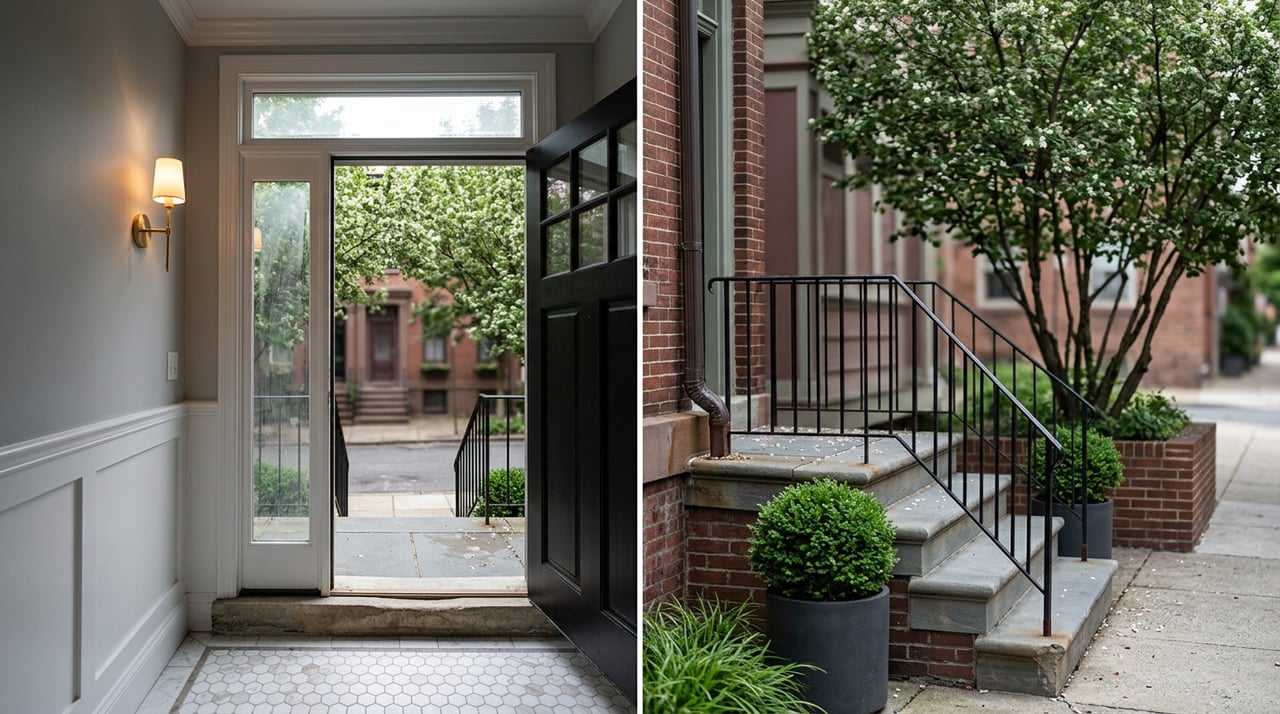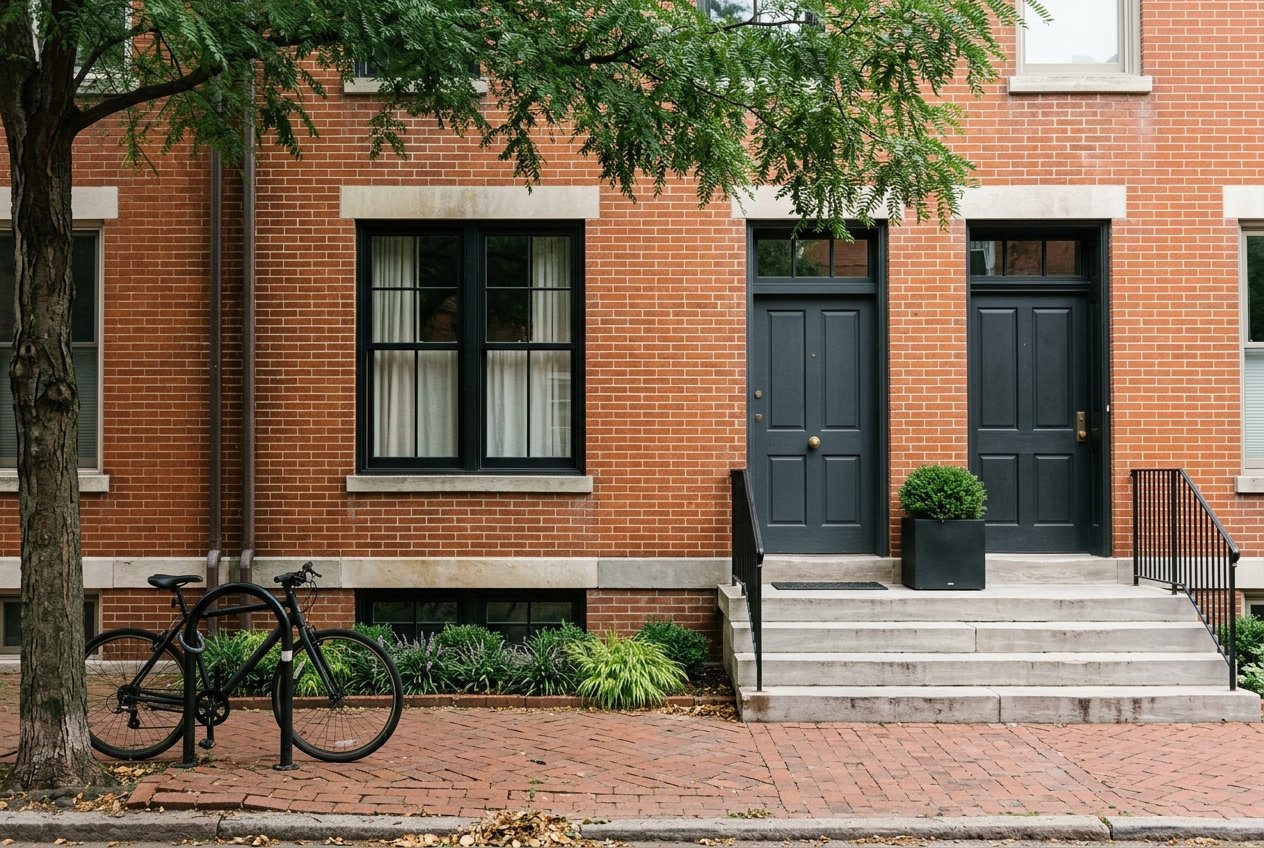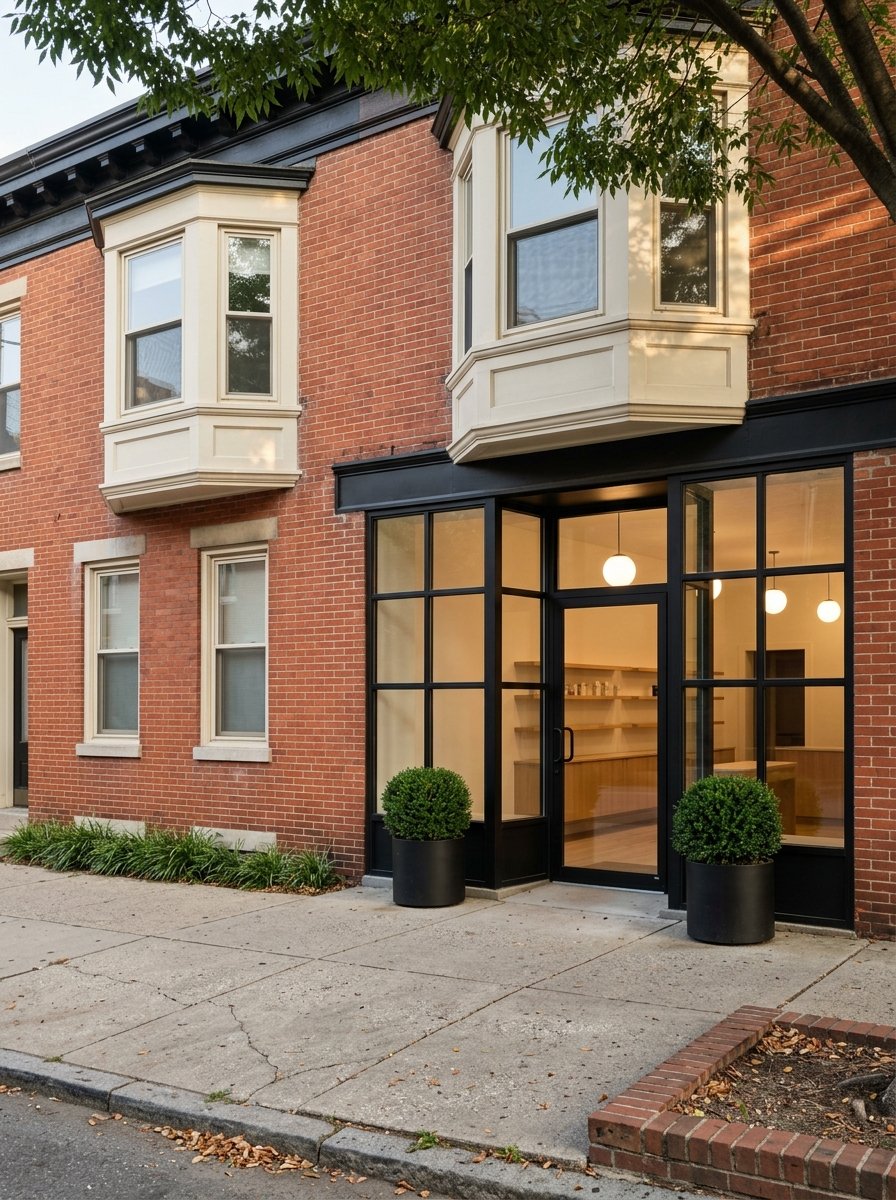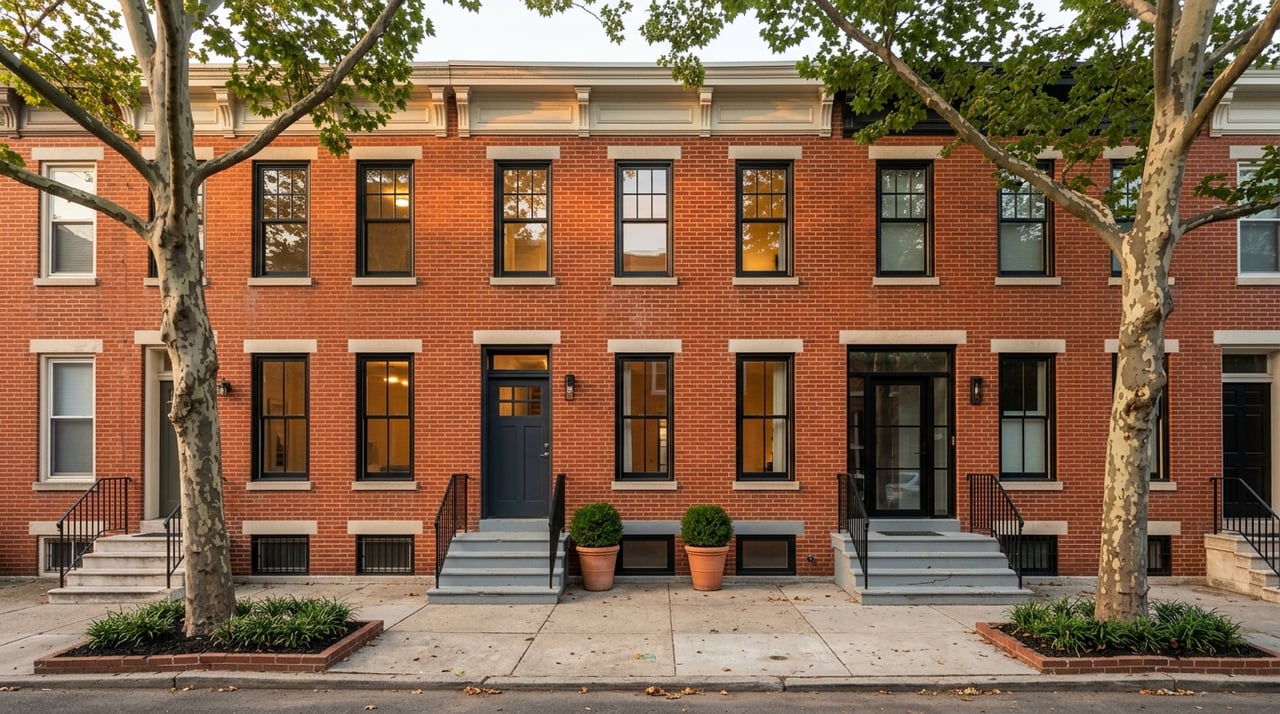
Selling in U Street is not just about putting a sign in the window and hoping for the best. In a neighborhood where buyers have options, the timing of your launch can shape how quickly your home sells and how strong your final terms look. If you are wondering when to list a U Street Corridor home for maximum impact, the answer comes down to seasonality, local inventory, mortgage rate pressure, and smart prep. Let’s dive in.
Why timing matters in U Street
U Street is not moving in a vacuum. The most recent neighborhood snapshot described U Street as a buyer's market in February 2026, with 76 homes for sale, a median of 39 days on market, a 97% sale-to-list ratio, and homes selling about 3.12% below asking on average.
That does not mean sellers cannot do well here. It means your launch strategy matters more. When buyers have more choices, the homes that are well priced, well presented, and timed well tend to stand out first.
Best season to list in U Street
Spring is usually the strongest window
If your goal is maximum exposure and the best chance at strong buyer activity, spring is typically your best bet. National seasonality reports point to late March through mid-May as the strongest listing window, with mid-to-late April standing out as an especially favorable stretch.
Realtor.com identified April 13 to 19 as the best week to sell in its 2025 study. Redfin's 2026 guidance also placed the sweet spot in late April, while Zillow noted that spring, especially March through May, tends to be the best season to sell.
For a U Street seller, that spring advantage matters because local and metro-level patterns support it too. If you want the broadest buyer pool and the best shot at early momentum, spring gives you the strongest setup.
What local DC data suggest
Bright MLS data for the Washington, DC metro area showed faster movement in spring for both attached homes and condos. For attached and townhome-style properties, median days on market were 8 days in March 2025, 7 days in April, and 8 days in May, compared with 17 days in October.
For condos, the pattern was similar. Median days on market were 16 days in March, 13 days in April, and 16 days in May, versus 24 days in October.
That matters in U Street, where many sellers are choosing between listing a condo, co-op, or rowhouse. Based on those local patterns, a late-March to mid-April launch often gives sellers a stronger chance at faster absorption and better pricing leverage.
Why spring works so well
Spring tends to bring more active buyers into the market at the same time. Even though inventory also rises, serious buyers are usually more engaged, and homes that show well can benefit from stronger competition early in the season.
Redfin's late-April 2025 Washington, DC report helps paint the picture. Active listings were up 25.1% year over year, median sale price still rose 4.1% year over year, 44.1% of homes sold above list price, and the average sale-to-list ratio was 100.6%.
That tells you something important. Even in a market with more inventory, demand in close-in DC remained resilient enough for well-positioned homes to perform.
Should you wait for lower mortgage rates?
Not always. It is true that mortgage rates remained a major factor in 2025, and Fannie Mae projected some easing through 2025 and 2026.
But waiting for rates to dip is not automatically the best seller strategy. If rates improve while inventory keeps rising, buyers may have more choices, which can make pricing and presentation even more important.
In July 2025, Bright MLS reported that active listings across the Washington metro area were up 40.1% year over year, and attached homes and condos were at or above pre-pandemic levels. The report also noted that market activity remained strongest in the District and close-in suburbs, but rising supply could soften price growth.
The takeaway is simple: do not time your sale on rates alone. A better question is whether your home can come to market in a season and condition that helps it compete well right now.
Is fall ever a good time to sell?
Yes, fall can work, but it is usually not the strongest season if your goal is maximum impact. Local DC metro data show longer days on market and more inventory by October for both attached homes and condos.
That does not mean you should avoid listing in fall if your timing is driven by life, work, or your next purchase. It just means you may need to be even more disciplined about pricing, staging, and marketing if you miss the spring window.
Winter is generally the slowest season. If you have flexibility, spring usually gives you the best mix of buyer activity and market energy.
Best day of the week to go live
Midweek launches tend to perform better
Once you pick the right season, the next question is which day to list. Redfin's listing-day analysis found that Wednesday listings sold for about $2,023 more than Sunday listings, while Thursday listings found buyers five days faster than the baseline.
It also found that Tuesday through Thursday listings sold for about $1,700 more and nearly two days faster than weekend listings. For many U Street sellers, that makes a midweek launch the most practical move.
A Wednesday or Thursday debut gives your listing time to build attention online before the weekend. That can help you stack early interest and create stronger showing activity when buyers are most available.
How far ahead you should plan
Most successful listings are not rushed. Realtor.com reported that 53% of sellers take one month or less to get ready to list, while Zillow noted that the typical seller often thinks about selling for three to four months before listing.
If you want to hit the spring market cleanly, it helps to work backward from your target launch date. Zillow's selling timeline recommends starting the process about two months ahead, staging two to three weeks before listing, and completing photos and virtual tour materials about one week before going live.
For U Street sellers, that timeline is especially useful because presentation matters so much in condo and rowhouse listings. Buyers are usually seeing your home online before they ever step inside.
A practical listing timeline for U Street sellers
If you want to target a spring launch, here is a simple working schedule:
- 6 to 8 weeks out: Choose your target listing week and start repairs, paint, touch-ups, and vendor scheduling.
- 3 to 5 weeks out: Declutter, simplify rooms, and finalize any staging plan.
- 2 to 3 weeks out: Stage the home and complete final prep.
- 1 week out: Photograph the property and prepare digital marketing assets.
- Launch week: Go live on a Wednesday or Thursday and be ready for weekend showings.
This kind of runway can make a real difference. It gives you time to make thoughtful decisions instead of reactive ones.
What matters most if you miss spring
If spring is not realistic, do not assume you missed your chance. Sellers can still succeed in U Street outside the peak season, but the margin for error gets smaller.
In that case, focus on the factors you can control:
- Accurate pricing based on current competition
- Strong staging that helps buyers understand the space
- Professional photography for a strong online first impression
- A midweek launch to build momentum before the weekend
Zillow reported that 94% of buyers in 2024 used at least one online resource during their home search. That is a strong reminder that digital presentation is not optional, especially for visually driven homes like condos and renovated rowhouses.
The best listing strategy is personal
The best time to list is not exactly the same for every seller. Your home type, your condition, your need for prep time, your next move, and the current inventory around you all matter.
Still, the broader pattern is clear. If you want maximum impact in the U Street Corridor, the strongest target is usually late March through mid-May, with a polished midweek launch and enough prep time to present your home at its best.
That is where hands-on planning can really help. When you have a clear timeline, thoughtful pricing, and a strong presentation plan, you give your home the best chance to stand out in a market where buyers are paying attention to details.
If you are thinking about selling in U Street, Logan Circle, Columbia Heights, or nearby Northwest DC neighborhoods, the right launch plan can make the whole process feel more manageable and more strategic. To talk through timing, prep, staging, and the best path for your home, connect with Jen Angotti.
FAQs
When is the best month to list a U Street Corridor home?
- For most sellers, April is the strongest target month, with late March through mid-May generally offering the best listing window.
Is spring better than fall for selling a U Street home?
- Yes. Local DC metro data show faster sales in spring, while fall usually brings longer days on market and more inventory competition.
Should U Street sellers wait for mortgage rates to drop before listing?
- Not necessarily. Lower rates can help buyer demand, but rising inventory can offset that benefit, so timing your sale only around rates may not produce the best result.
What is the best day of the week to list a home in U Street?
- Wednesday and Thursday are generally the strongest launch days, with Wednesday tied to better pricing and Thursday tied to faster sales in Redfin's analysis.
How early should I prepare before listing a U Street condo or rowhouse?
- A good working timeline is about six to eight weeks before your target listing date, with staging two to three weeks before launch and photography about one week before going live.