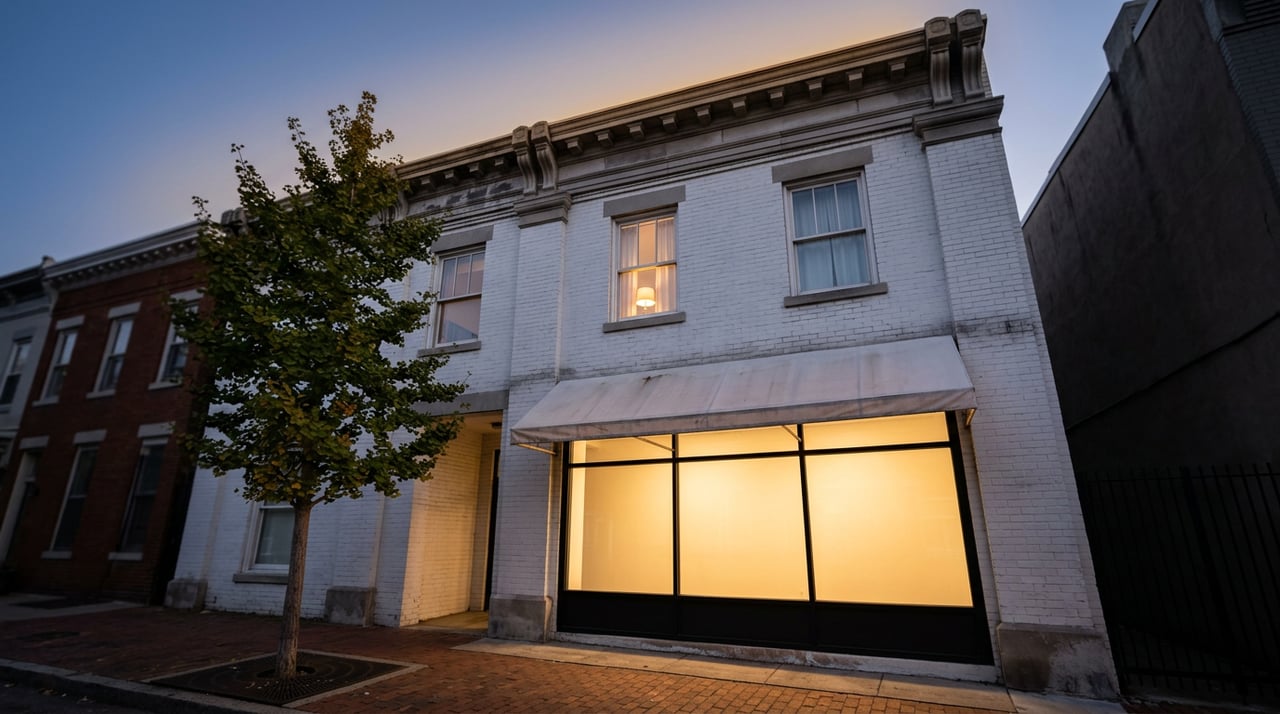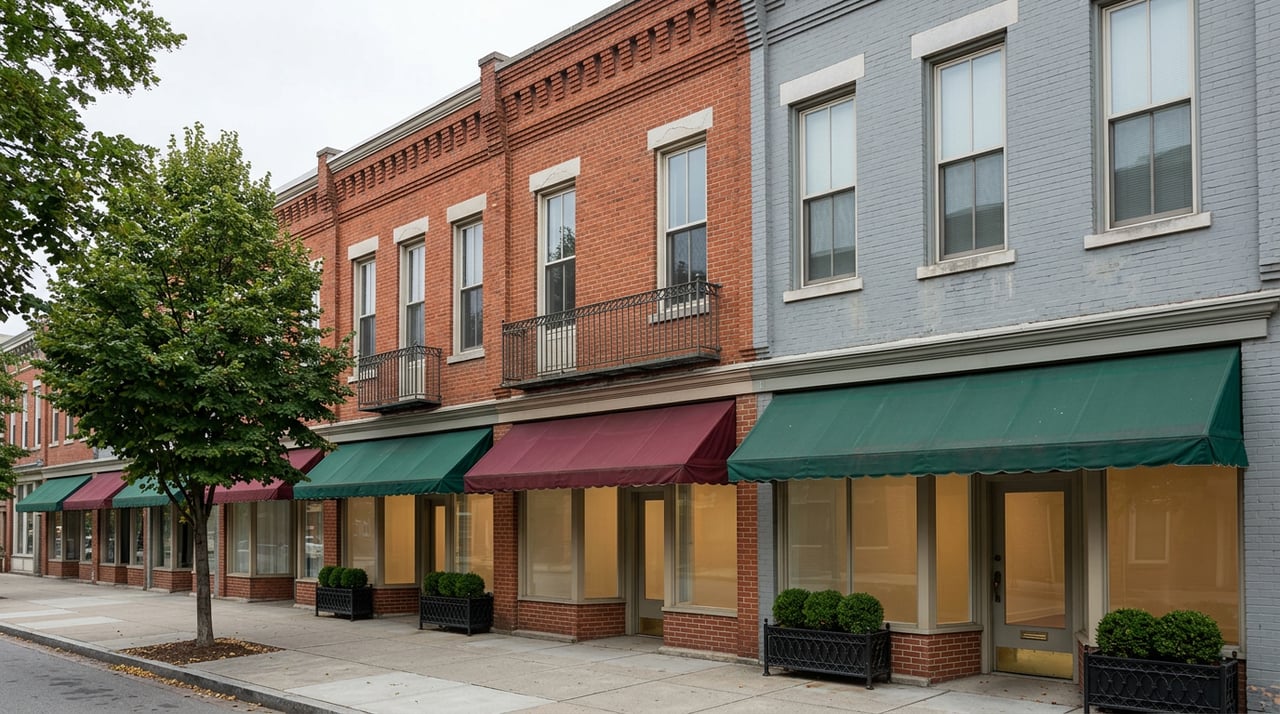
If you price a Logan Circle rowhouse the way you would price a generic Northwest DC home, you could miss the market by a wide margin. In this part of Washington, DC, buyers look closely at your exact block, your home’s historic details, and whether it lives like a modern home today. If you are thinking about selling, this guide will help you understand what really drives value, what recent sales suggest, and how to set a price that attracts serious buyers without leaving money on the table. Let’s dive in.
Why Logan Circle Pricing Is Different
Logan Circle is not a one-price-fits-all market. Broad neighborhood numbers can be useful for context, but they do not tell the full story for a rowhouse in the historic district. Recent market data points to a market that rewards precision, not guesswork.
Depending on the source and exact geography, current figures vary quite a bit. Redfin reports homes in Logan Circle selling in about 95 days and at roughly 2% below list on average, while Realtor.com shows a median for-sale price of $700,000, 35 days on market, and a 98% sale-to-list ratio. Zillow reports a typical Logan Circle home value of $580,417 and 51 days to pending, while Redfin’s Logan Circle Historic District figures show a $1.05 million median sale price, 76 days on market, and a 96.3% sale-to-list ratio.
Those numbers are not contradictory so much as they are a reminder that the area is made up of different product types, price points, and micro-locations. A historic rowhouse near the circle should not be priced from the same starting point as a smaller condo or a home farther from the core. That is why the right pricing strategy starts with the most comparable rowhouse sales, not a headline average.
Start With The Right Comp Set
The strongest pricing approach is block-specific. In Logan Circle, I would separate rowhouses into at least three buckets before looking at value: on-circle or trophy blocks, near-circle blocks with similar finish and parking, and homes farther from the circle or closer to corridor edges where condition plays a larger role.
This matters because the historic district itself has variation. The district nomination notes that the greatest architectural variety is closest to the circle, while the radial streets tend to have more repetitive rowhouses. DC Planning also notes significant recent change along the 14th Street corridor, which means location within the neighborhood can influence both buyer demand and the best comparable sales.
In plain terms, your home’s value is tied to more than square footage. Buyers are comparing your address, your block, your facade, your parking, your outdoor space, and your renovation level, often all at once.
Recent Logan Circle Sales Tell The Story
A few recent sales show just how wide the pricing range can be when location and features change.
On-circle homes trade in a different tier
14 Logan Cir NW sold for $3.5 million in August 2025. It offers 4,884 square feet, 9 bedrooms, 4 bathrooms, and a 2-car garage. That sale works best as a top-end benchmark because an on-circle address, larger scale, and garage parking place it in a distinct category.
Near-circle renovated homes can command strong pricing
1436 Q St NW sold in May 2026 for $2,264,500 after listing at $2,195,000 in early March. The home has 4 bedrooms, 4 bathrooms, 3,532 square feet, two parking spaces, and a rear patio. It was described as a restored 1880s residence with historic character and modern updates, which is exactly the combination buyers often reward in Logan Circle.
Overpricing can lead to reductions
1335 Vermont Ave NW sold in February 2026 for $1,775,000 after first listing at $1,920,000 and then going through multiple price cuts. The home has 3 bedrooms, 3 baths, 2,790 square feet, and on-street parking, and it sits very close to Logan Circle. Even with a strong location, the sale shows that a near-circle address does not eliminate the need for realistic pricing.
Character and function both matter
1513 Swann St NW sold in January 2026 for $1,440,000. It includes 5 bedrooms, 3.5 baths, 2,847 square feet, a private backyard, and parking. The listing also highlighted an updated kitchen and preserved original details, which reflects what buyers often want most in this submarket: charm that still feels practical for daily life.
Buyers notice value at every price point
1223 O St NW sold in April 2026 for $1,415,000 with 4 bedrooms, 3.5 baths, 2,769 square feet, 36 days on market, and a closing price 2% below list. Even smaller properties in the area show the same pattern. For example, 6 Logan Cir NW #2 sold for $685,000 after 76 days, with a private garden patio and gated parking standing out as major features.
What Actually Moves Price
When sellers ask what makes one Logan Circle rowhouse worth more than another, the answer usually comes down to a short list of high-impact factors.
Micro-location
Location inside Logan Circle matters almost as much as location in Logan Circle. An on-circle home, a house a block or two away, and a property near a changing commercial corridor can attract different buyers and different price expectations. Your best comps should come from homes with a similar block feel and buyer appeal.
Historic character
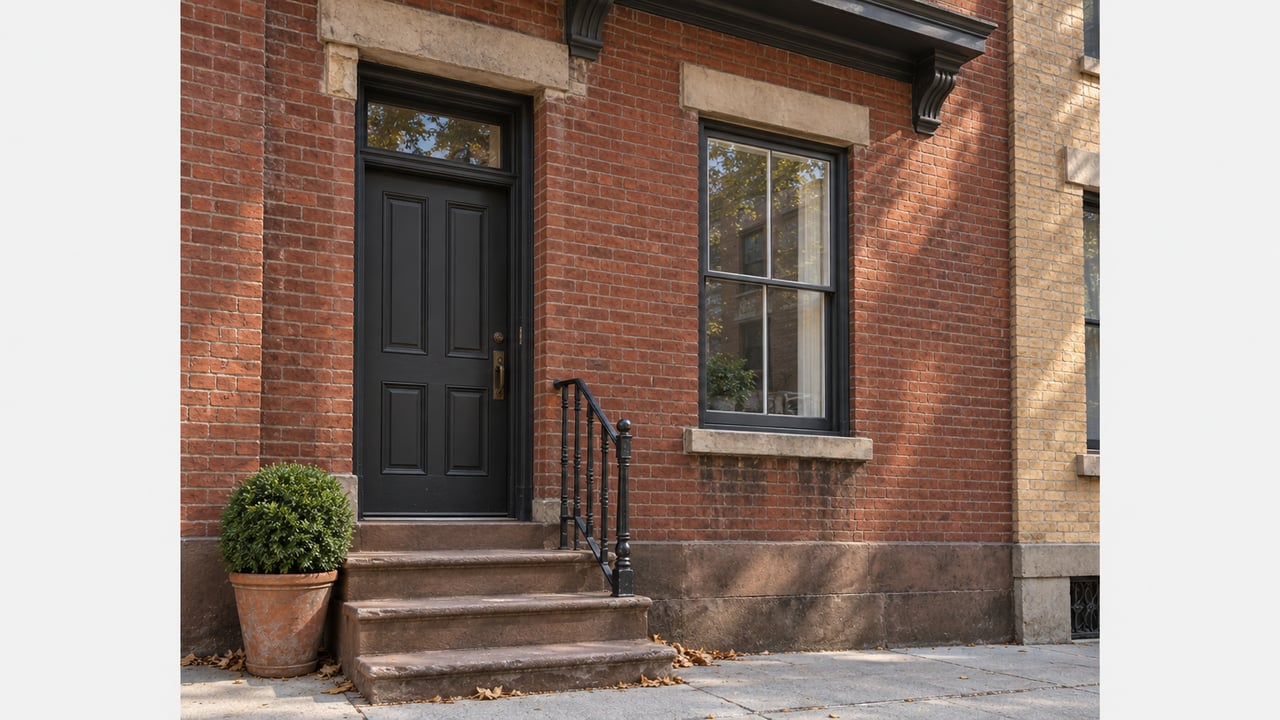
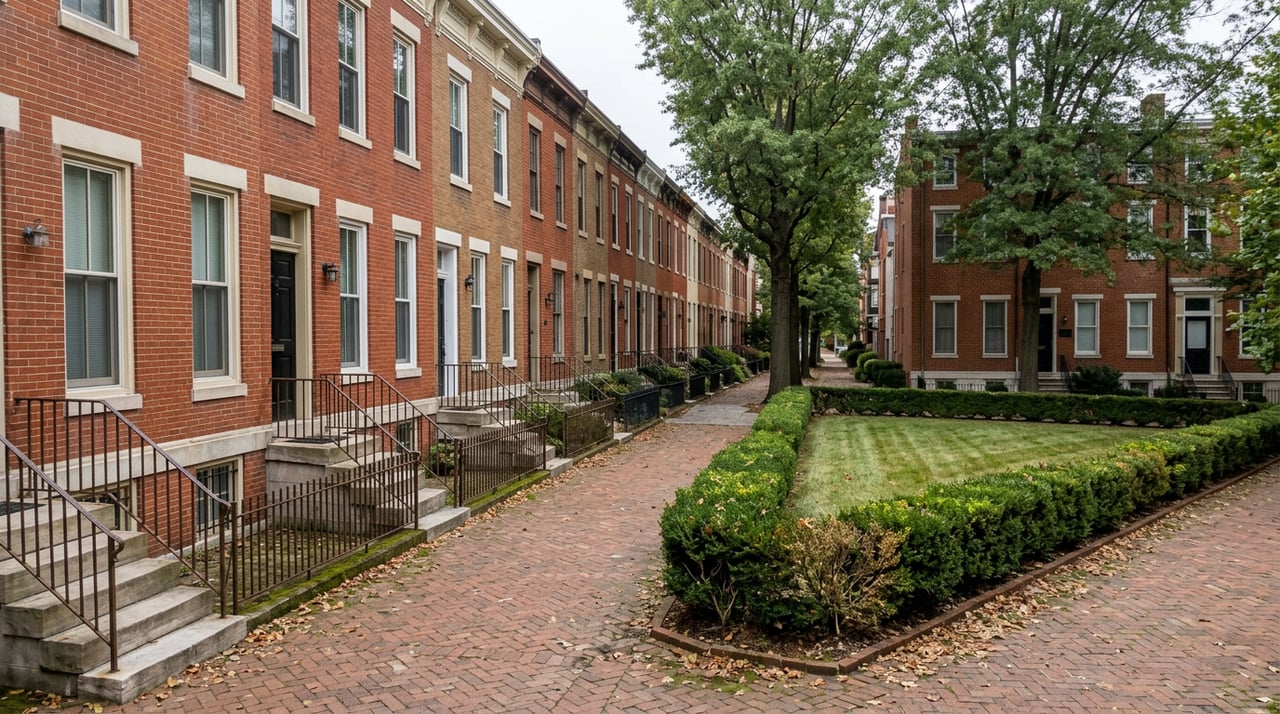
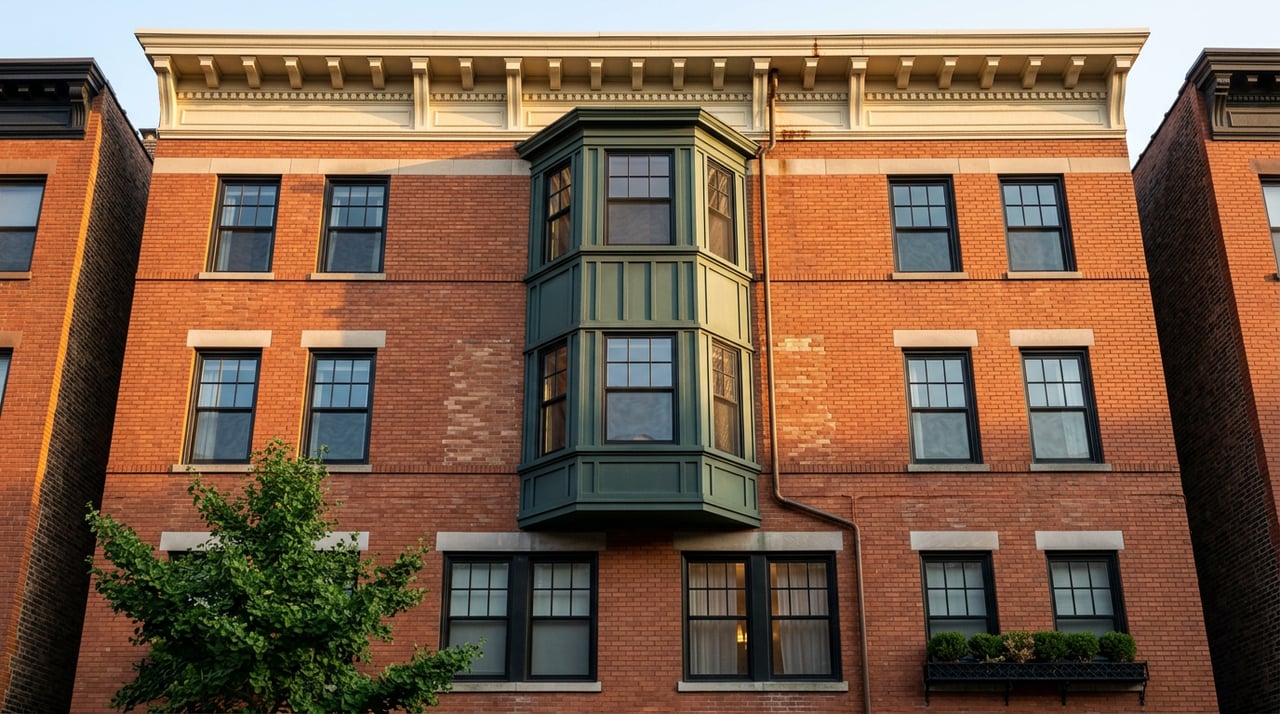
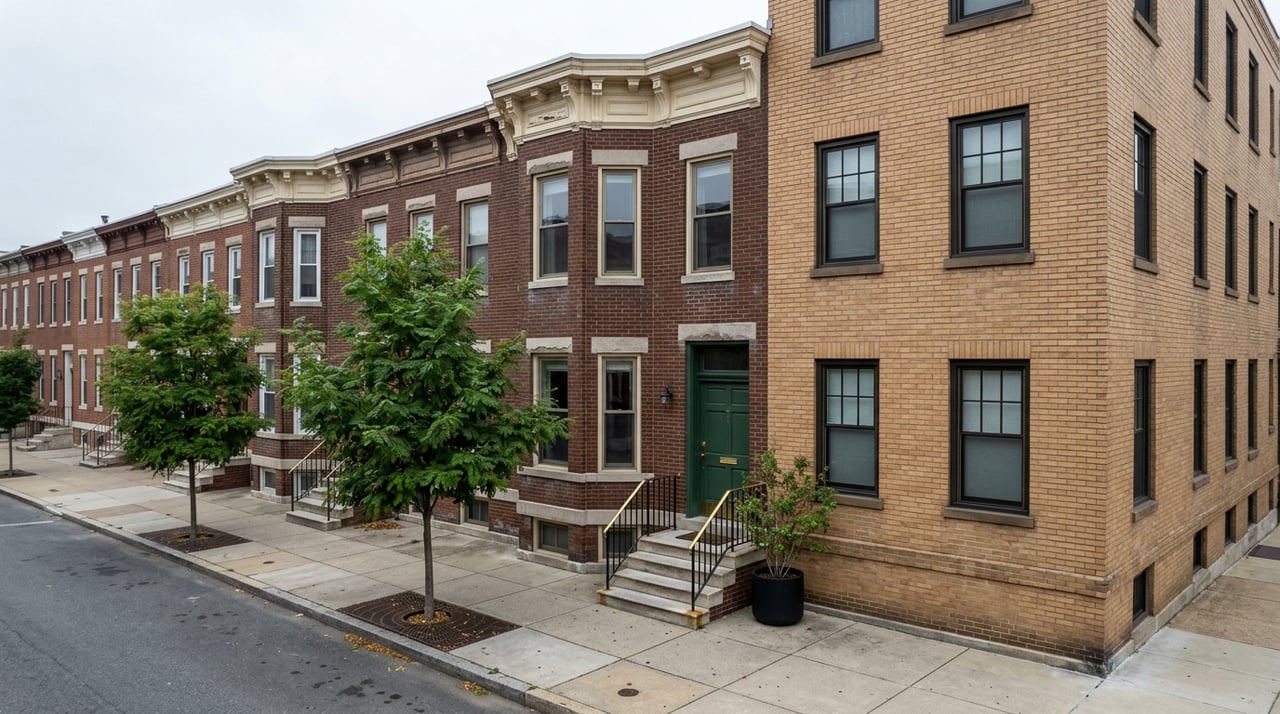
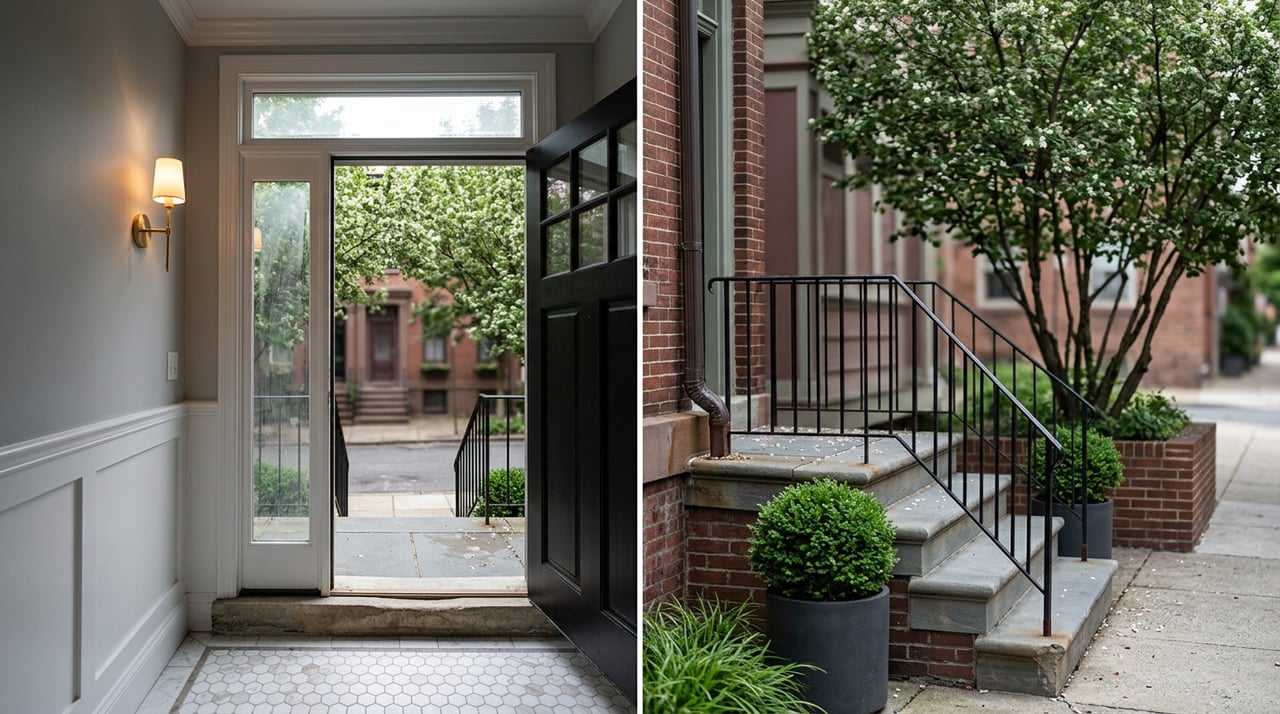
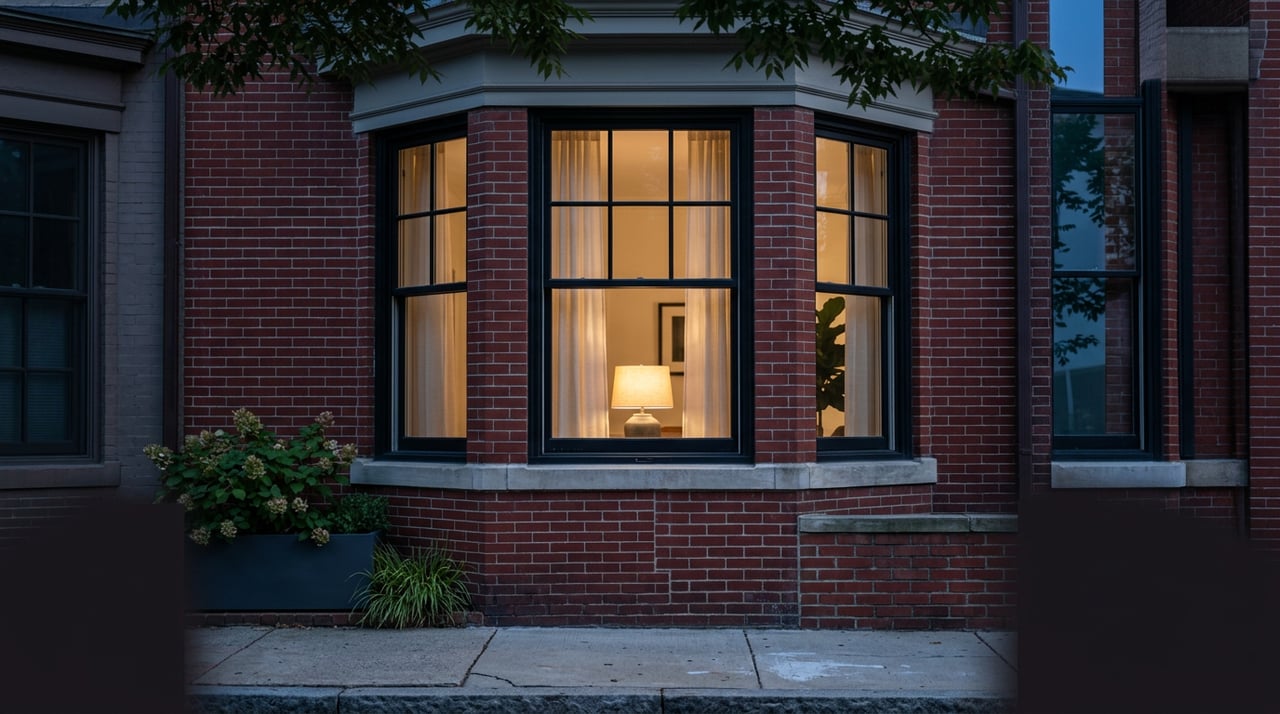
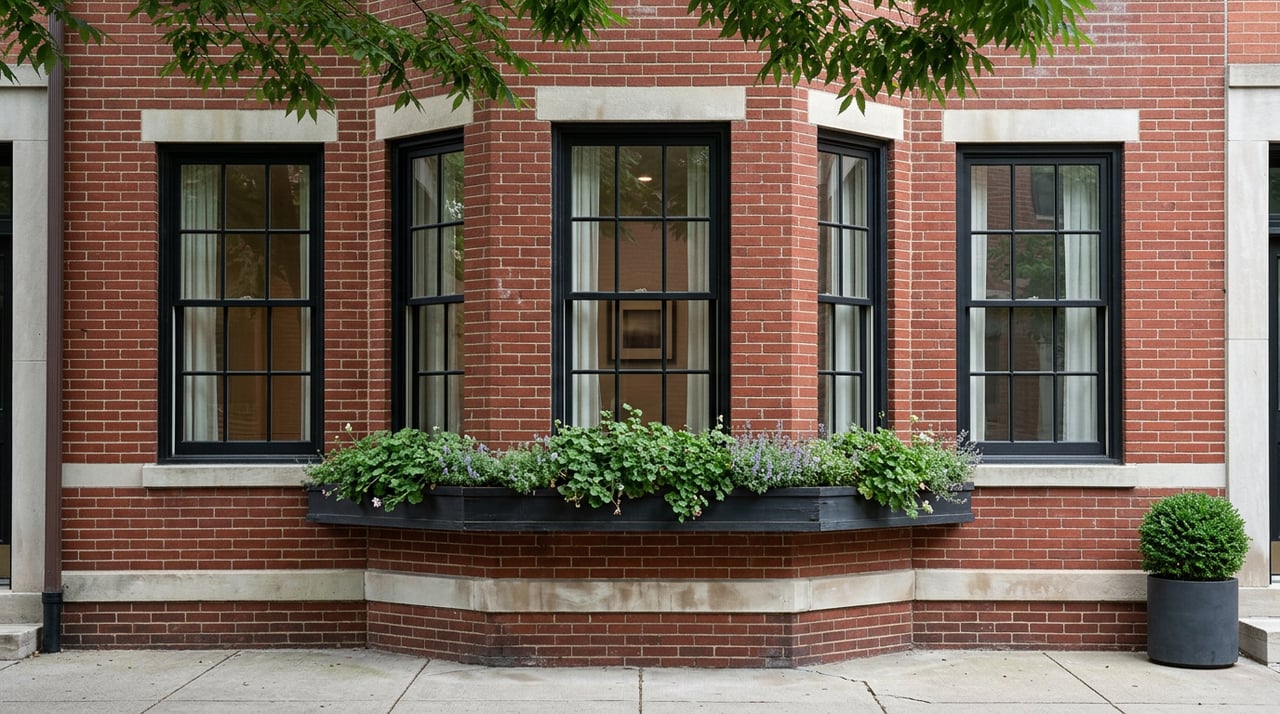
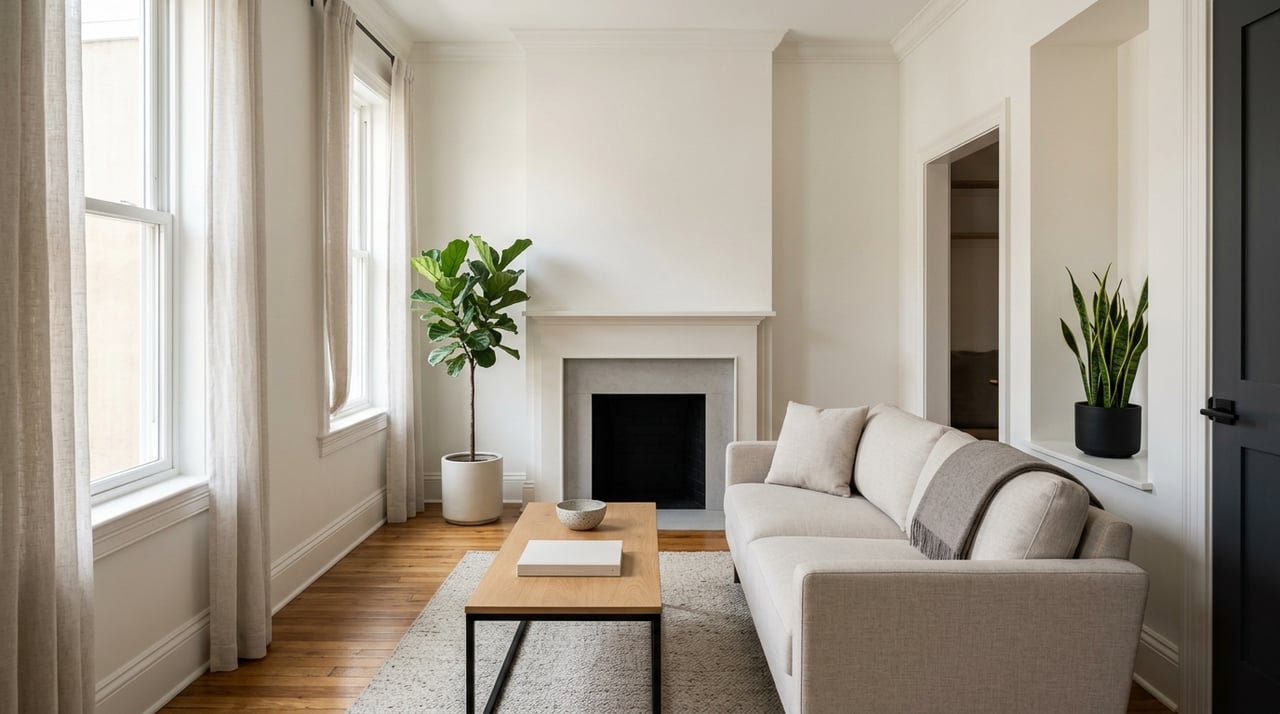
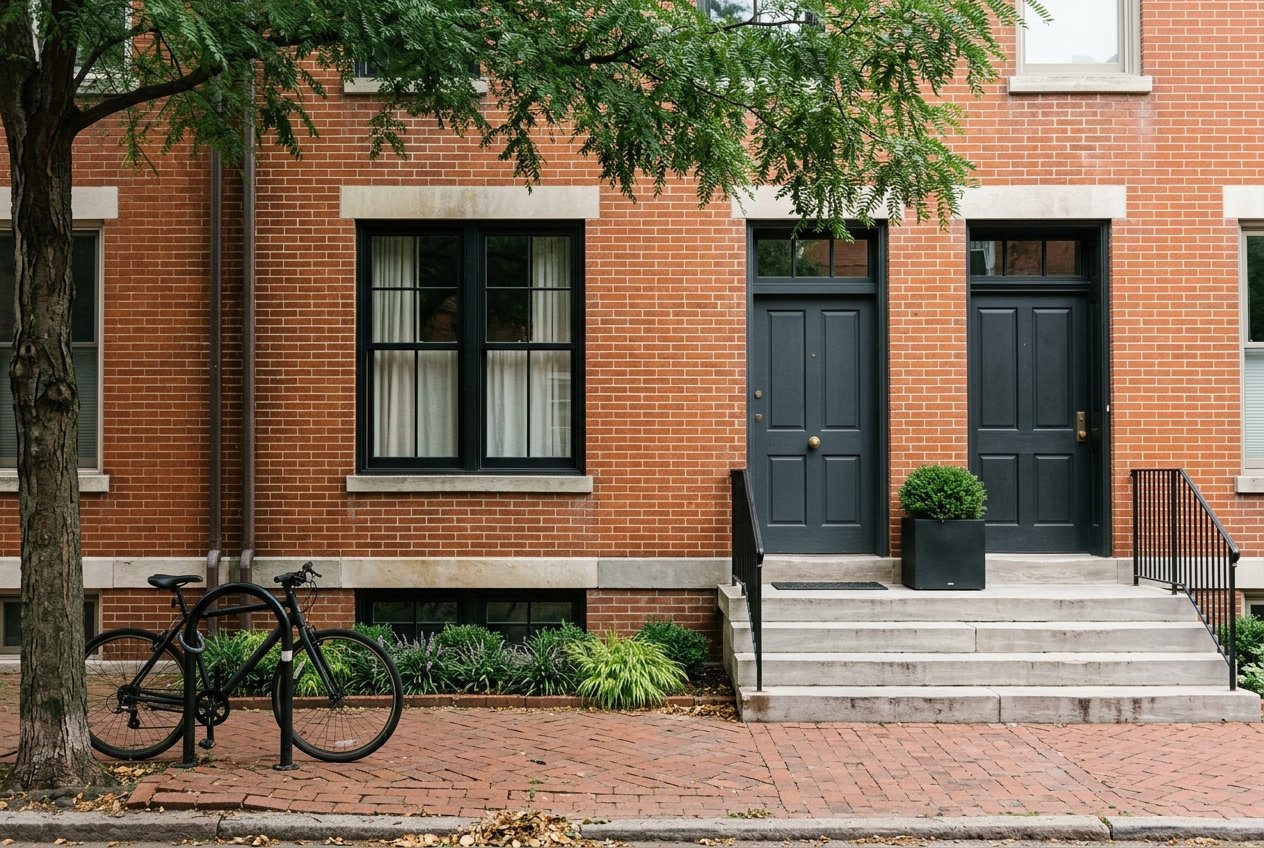
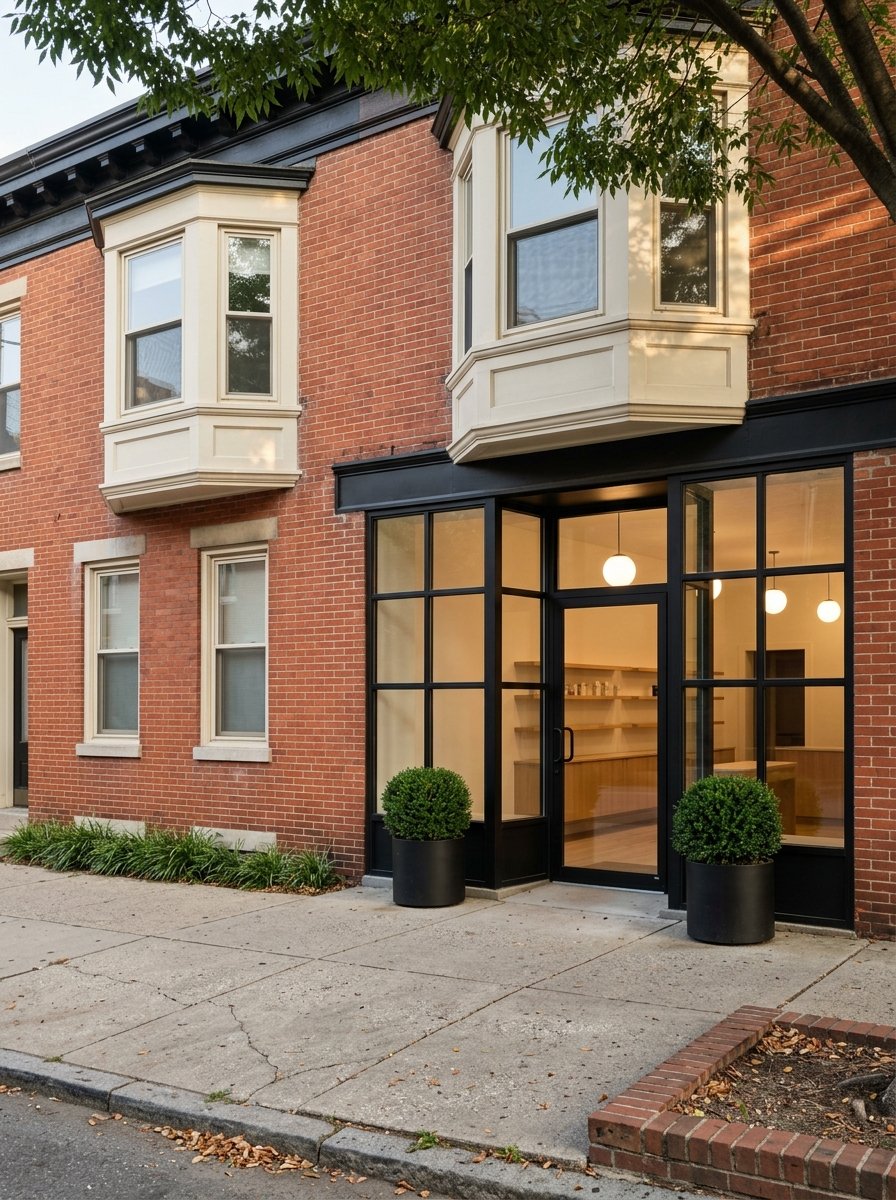
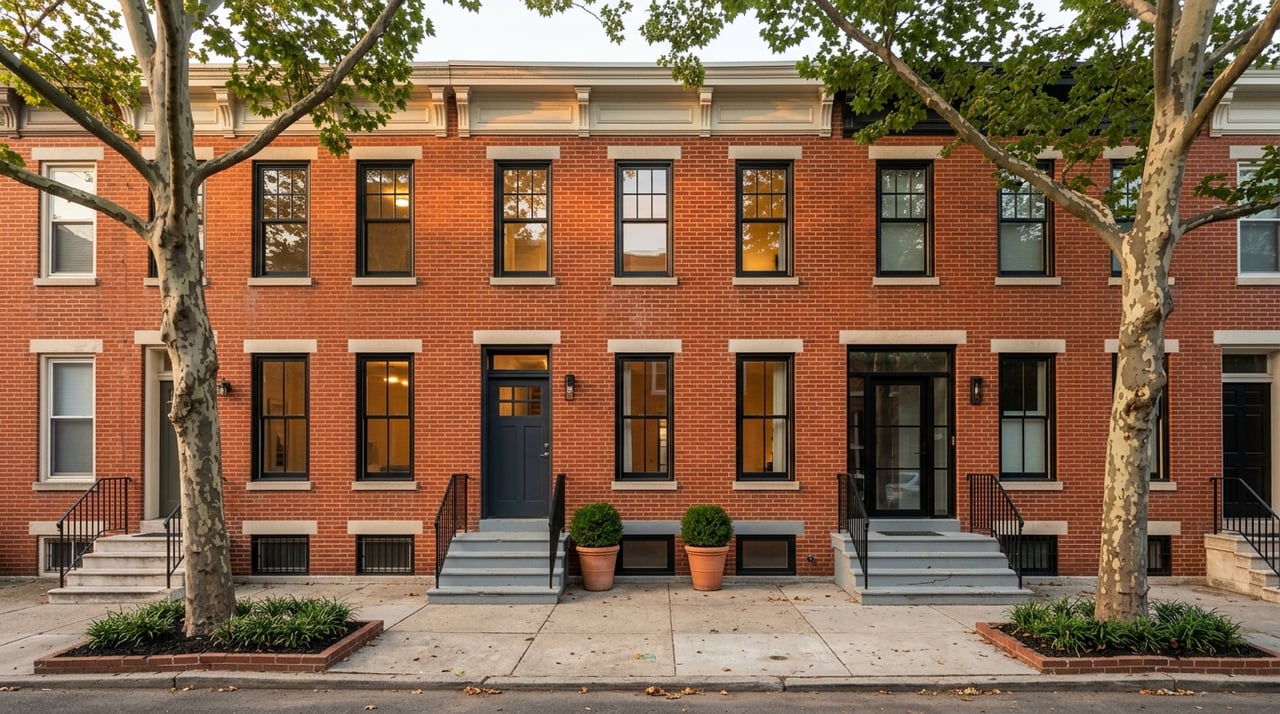
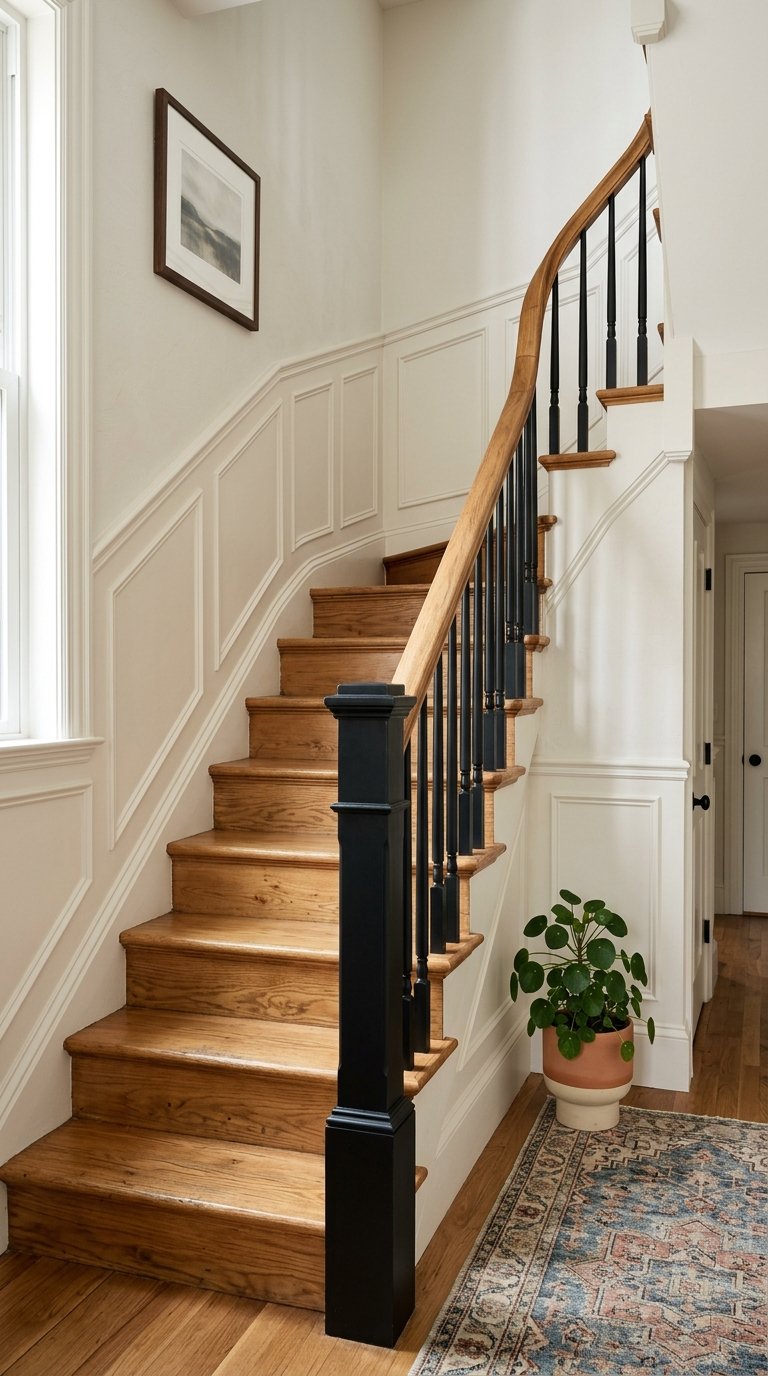
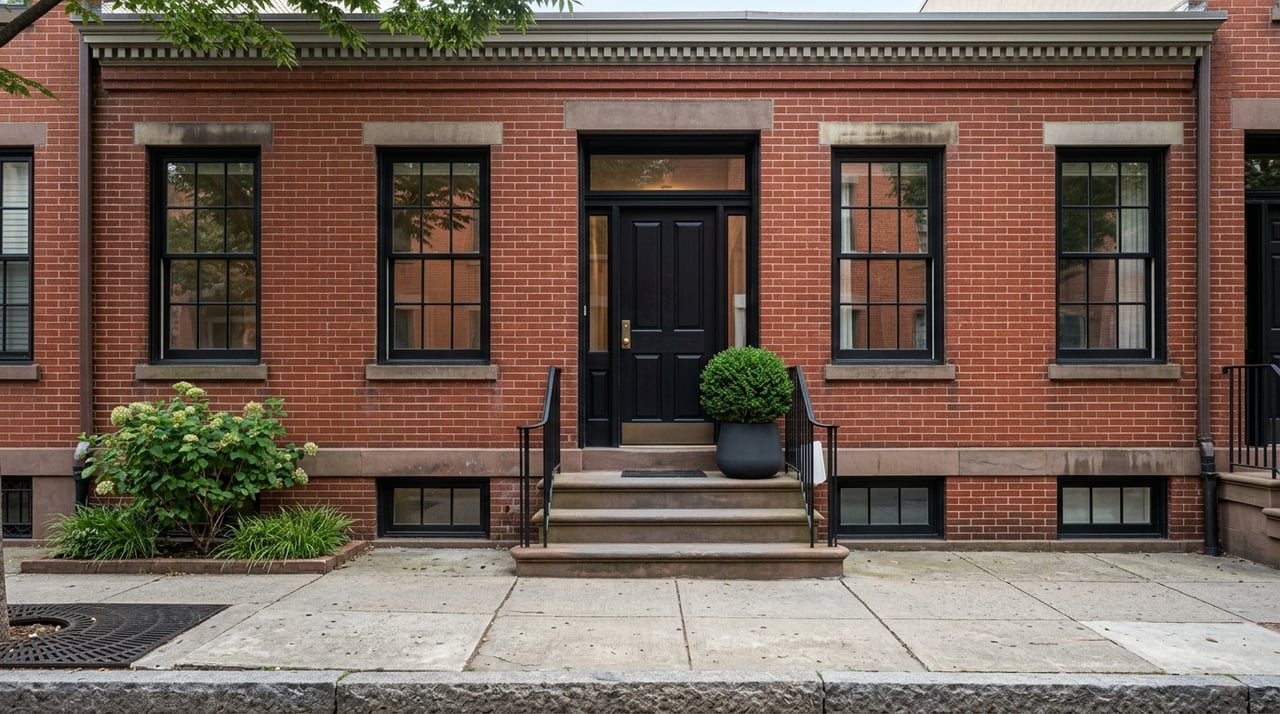
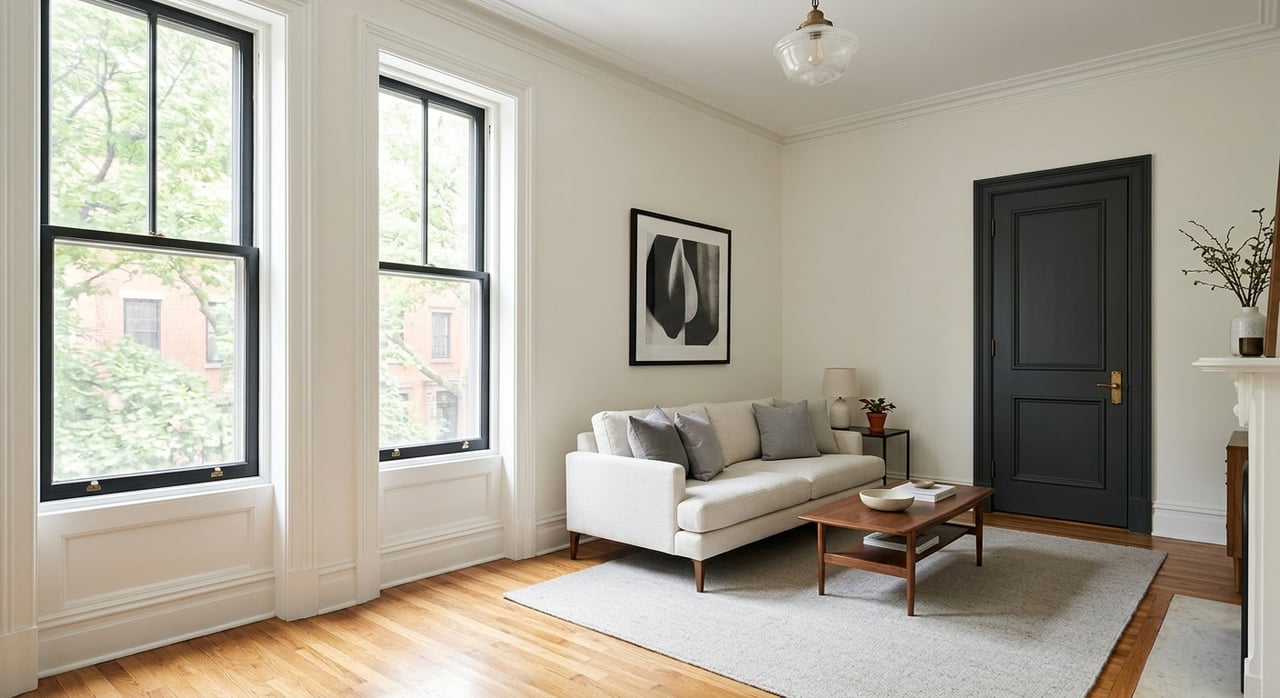
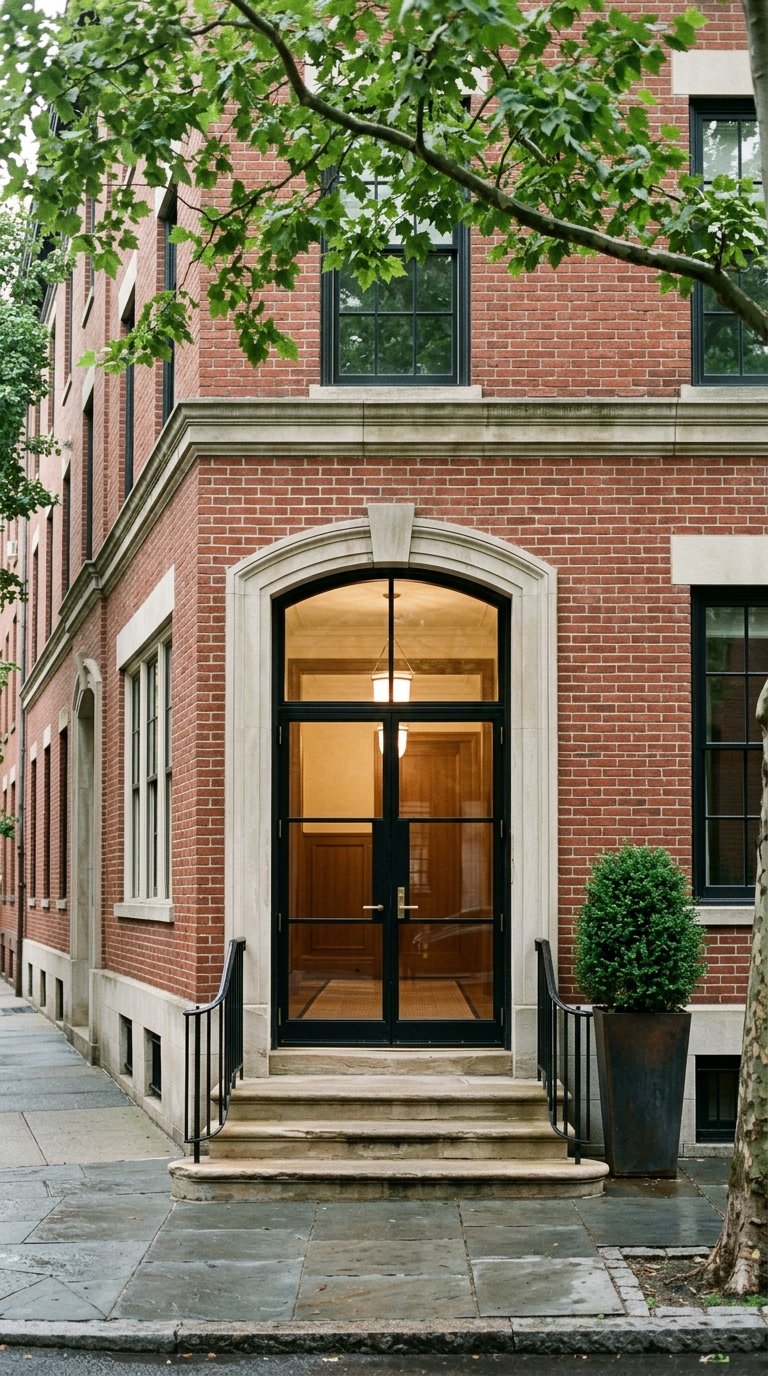
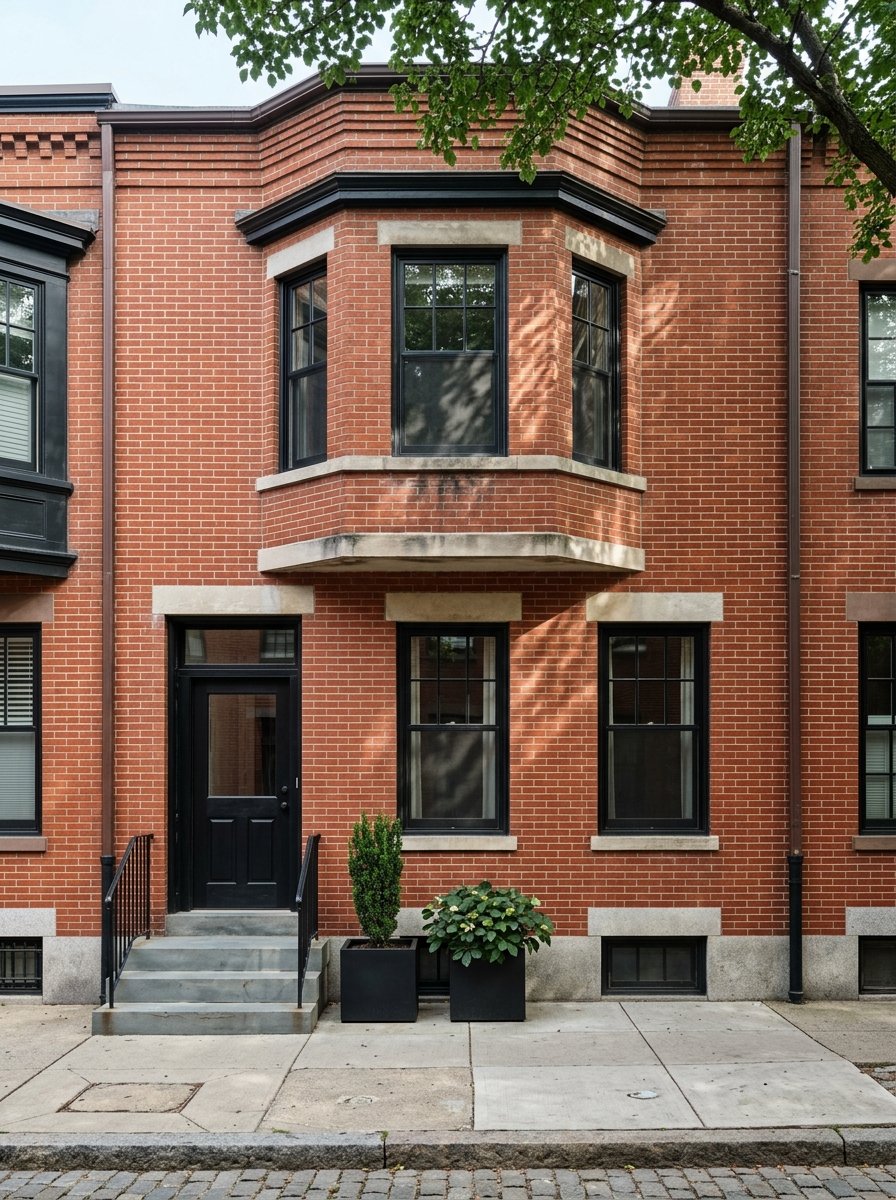
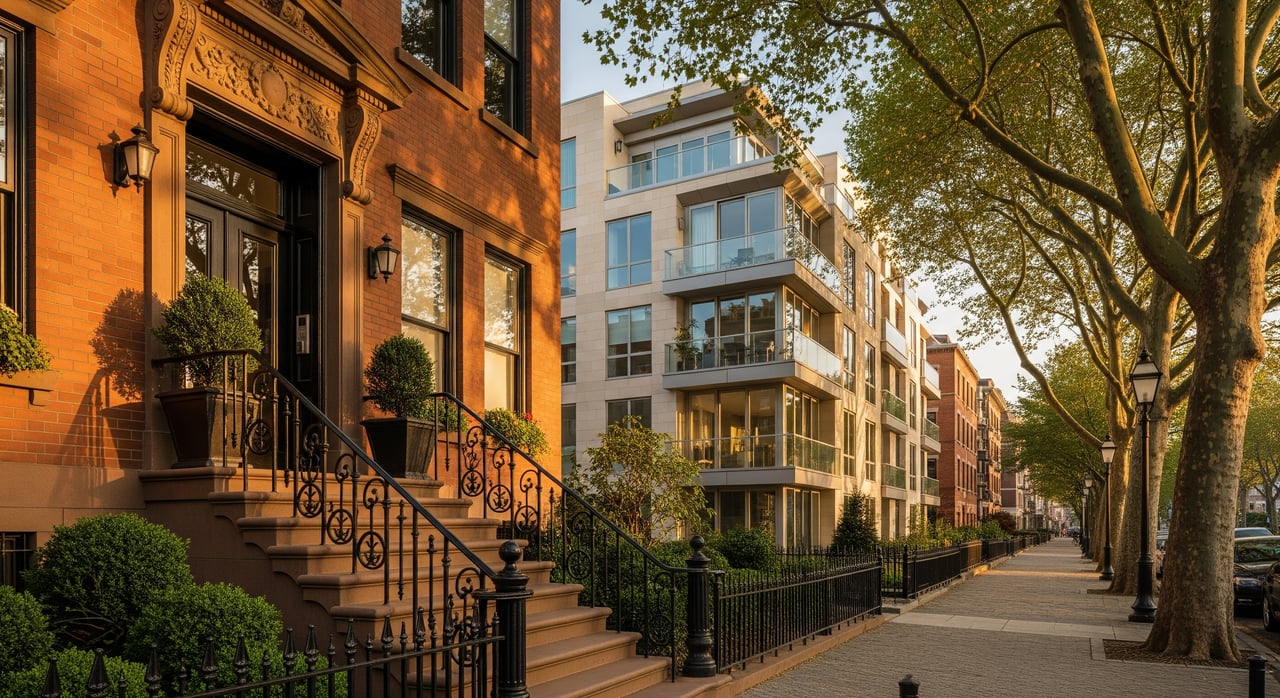
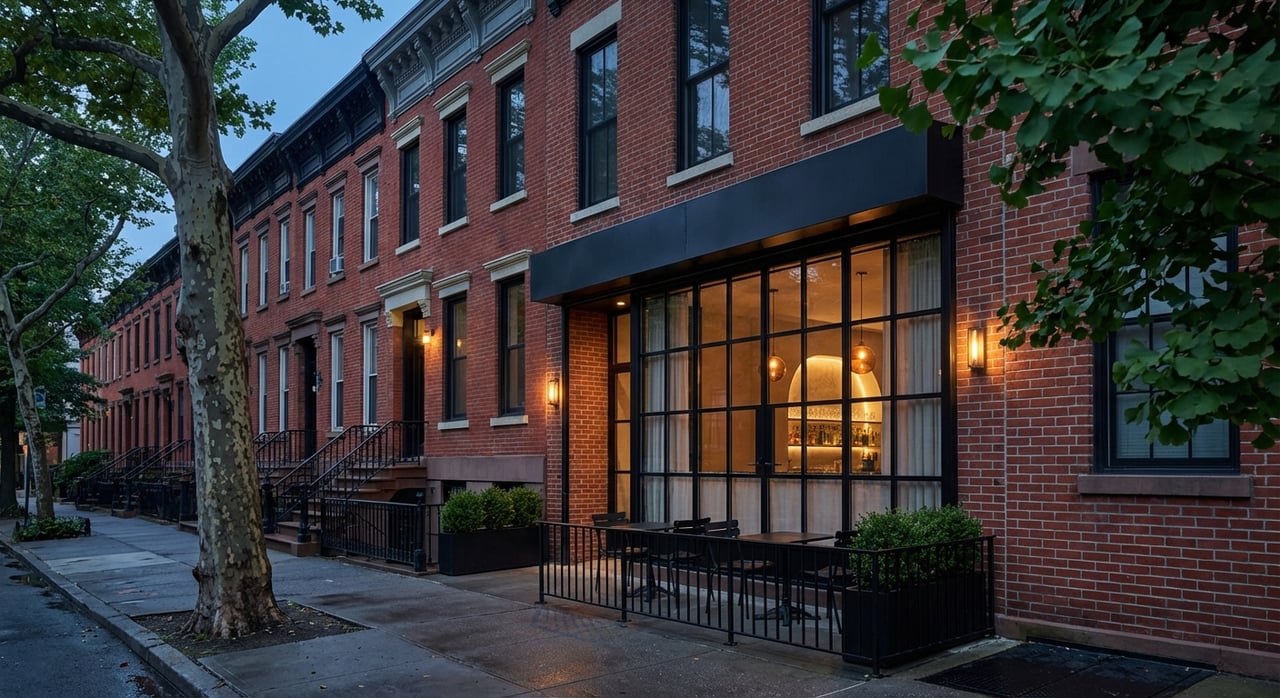
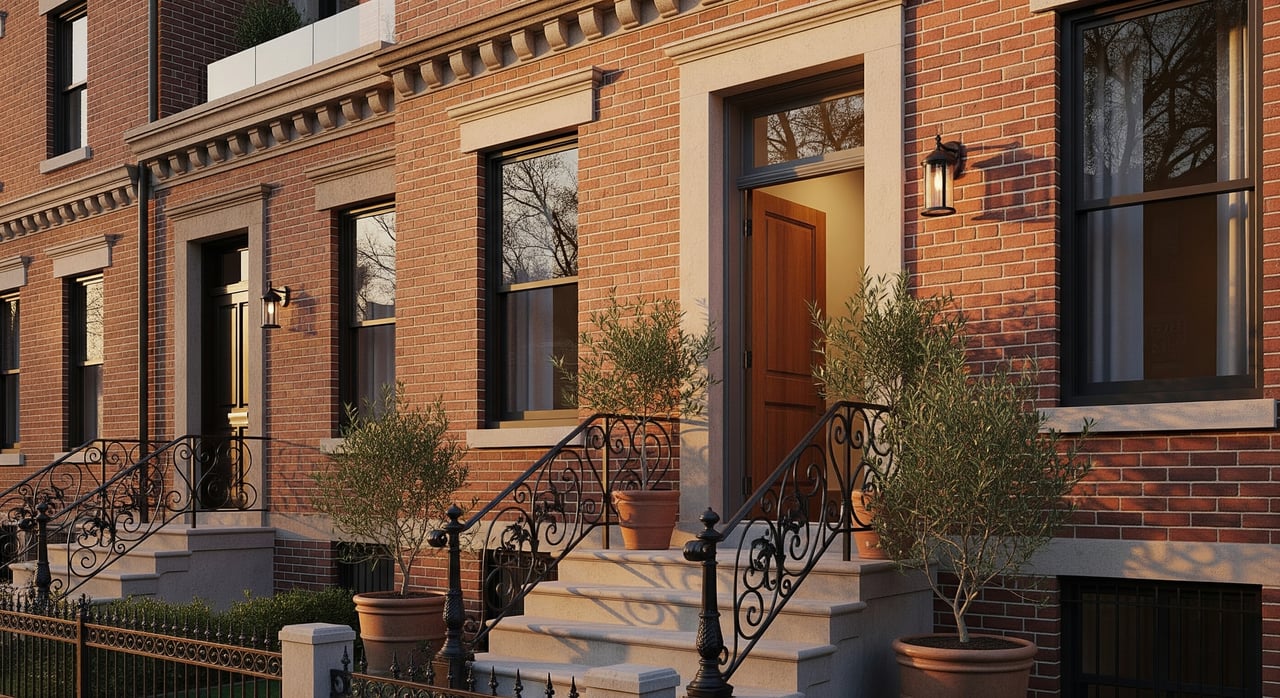
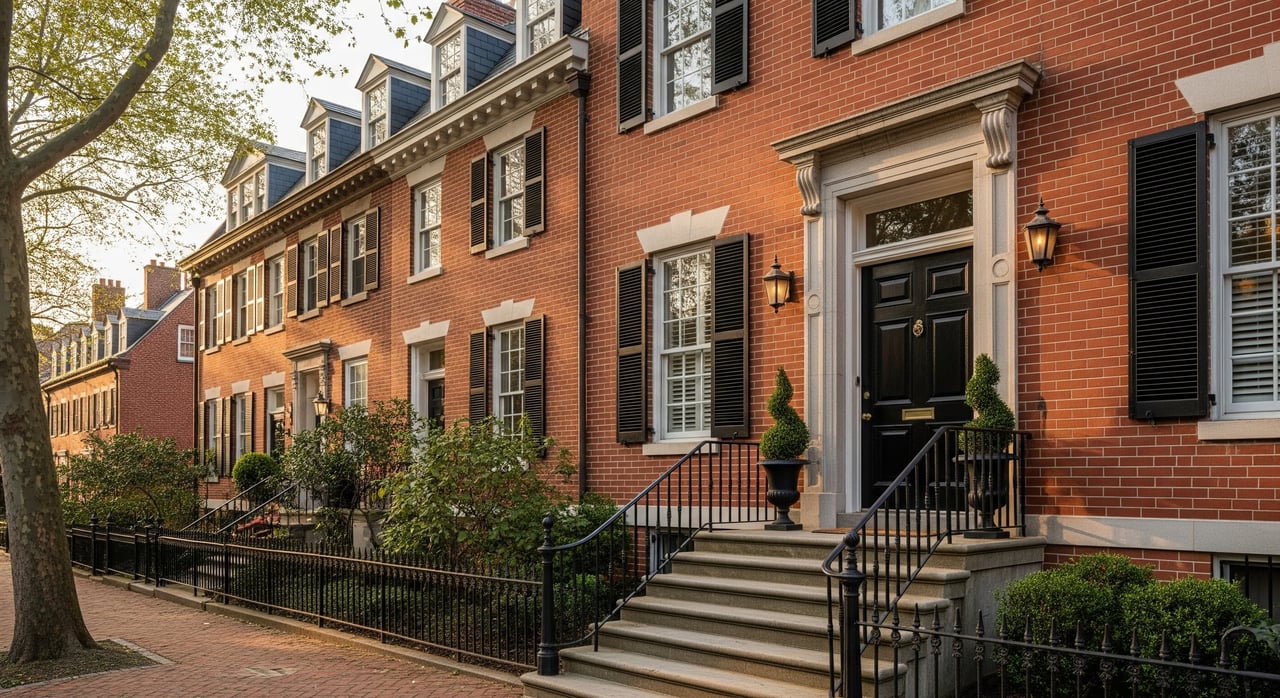
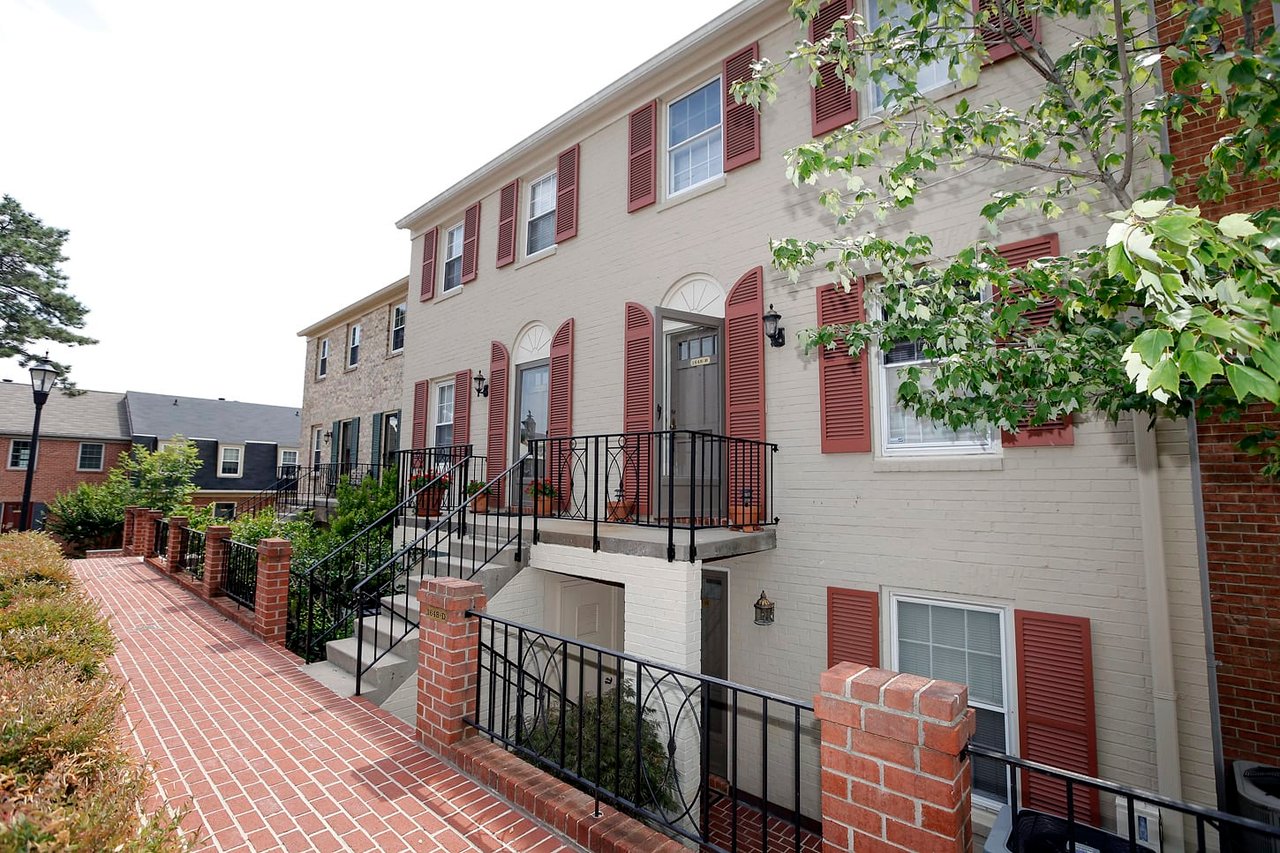
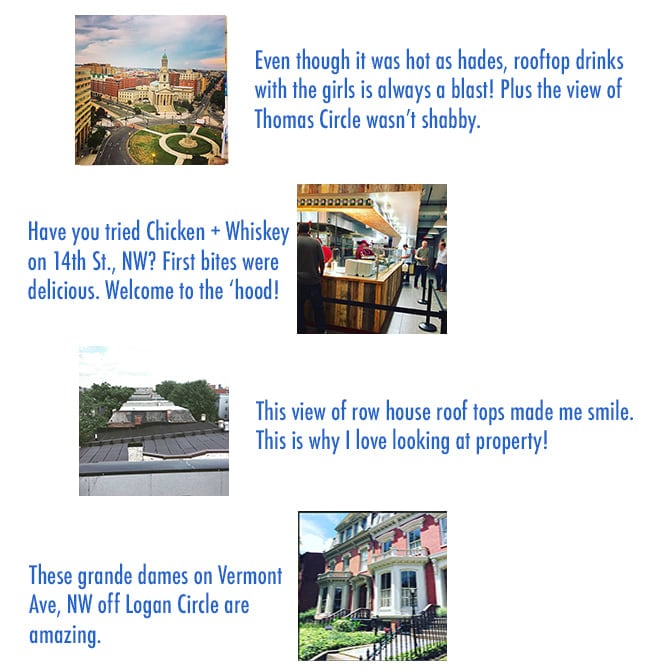
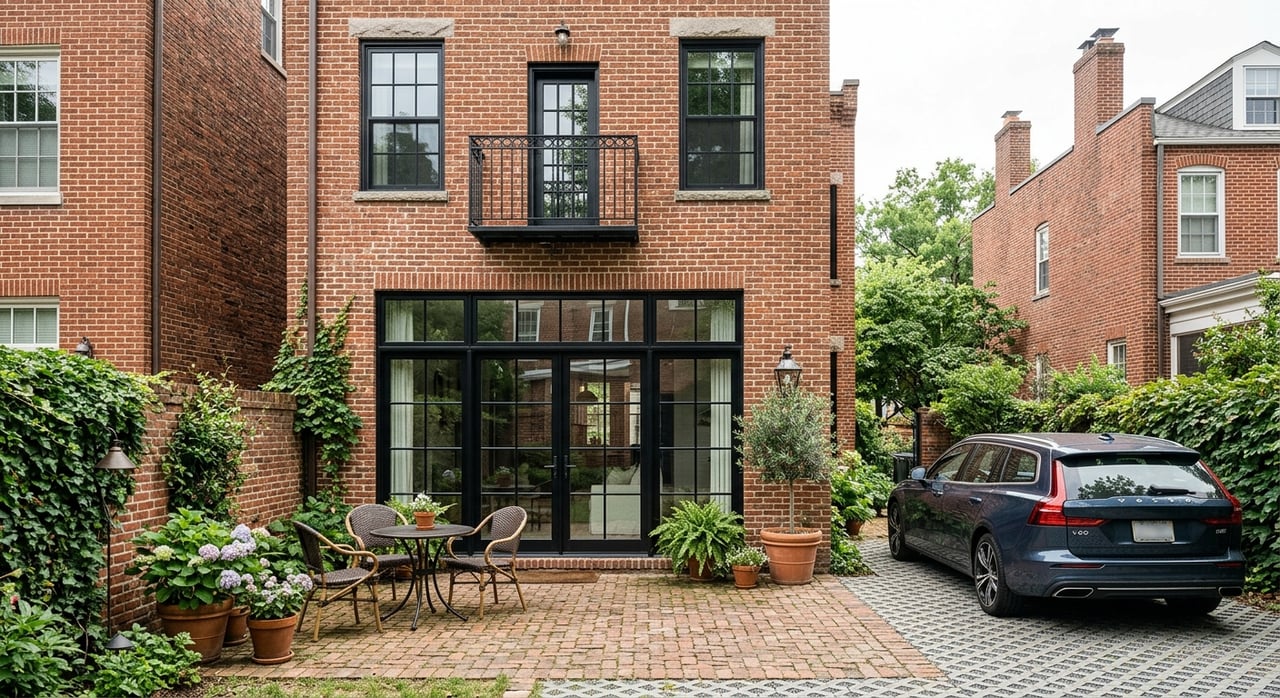
The Logan Circle Historic District is known for brick rowhouses with stone trim, small front yards, iron fencing, and period detail. Buyers often respond to preserved staircases, fireplaces, bay windows, crown moldings, pocket doors, and original facades. But character alone does not carry the full value story.
Modern updates
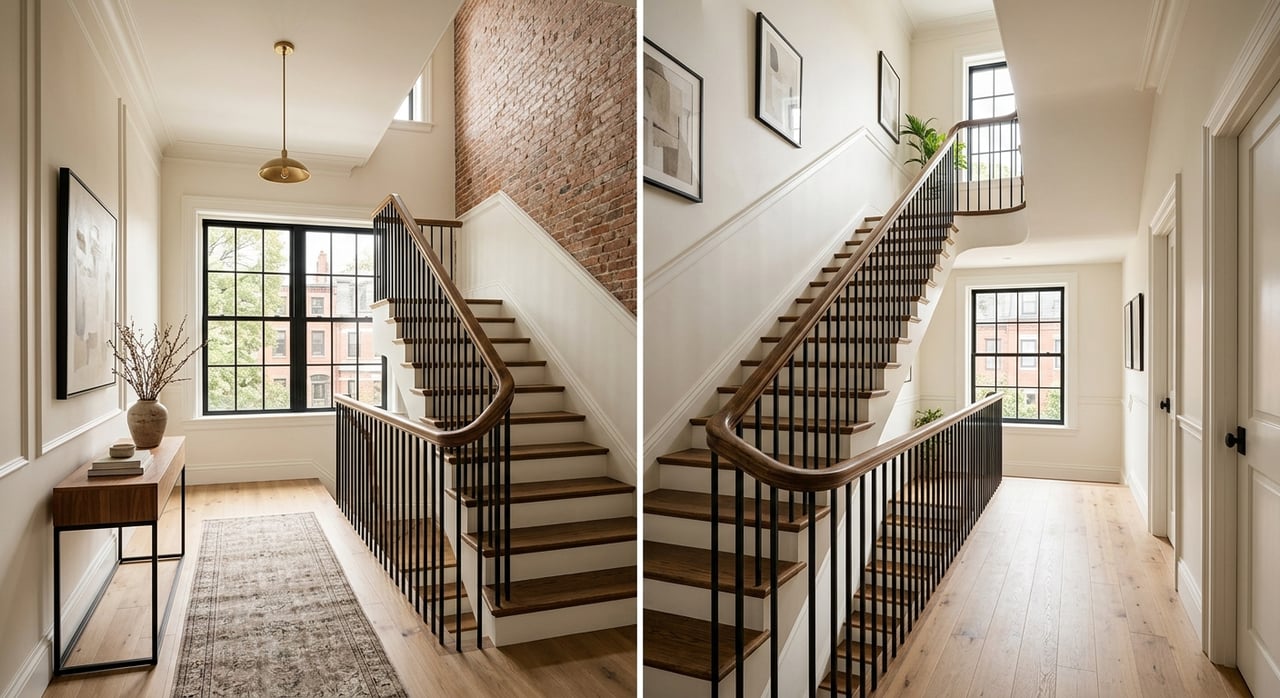
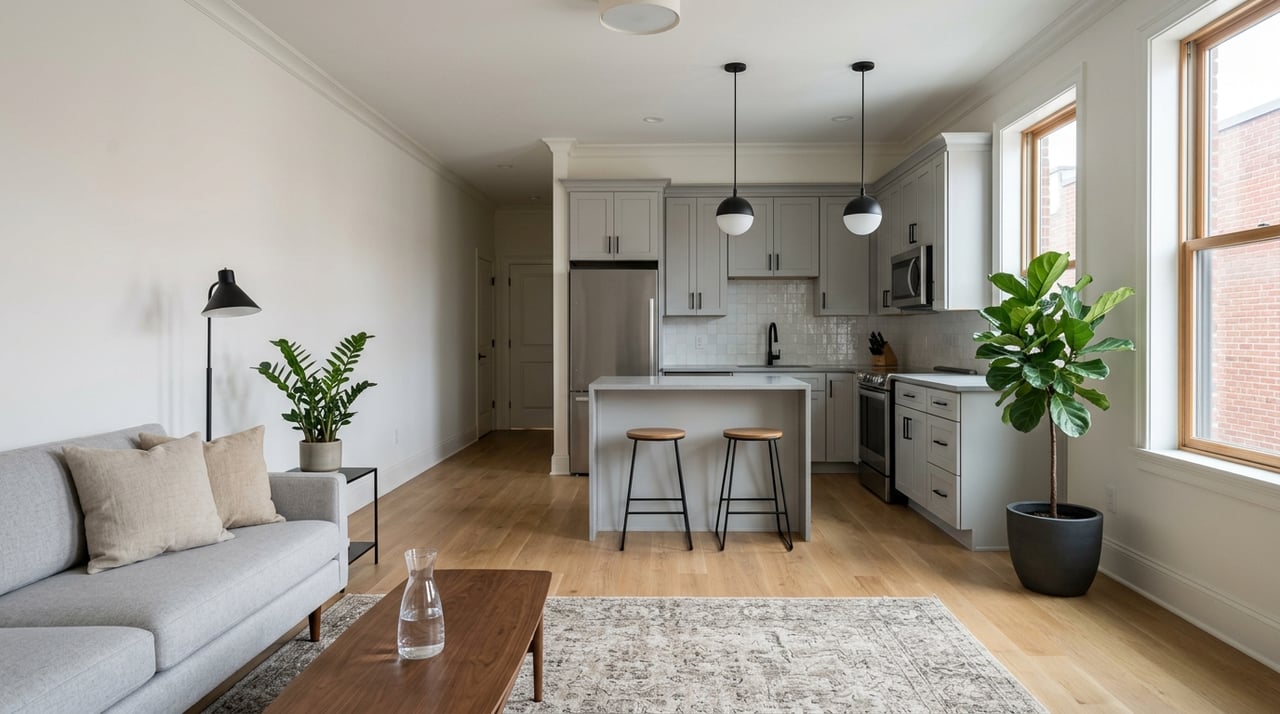
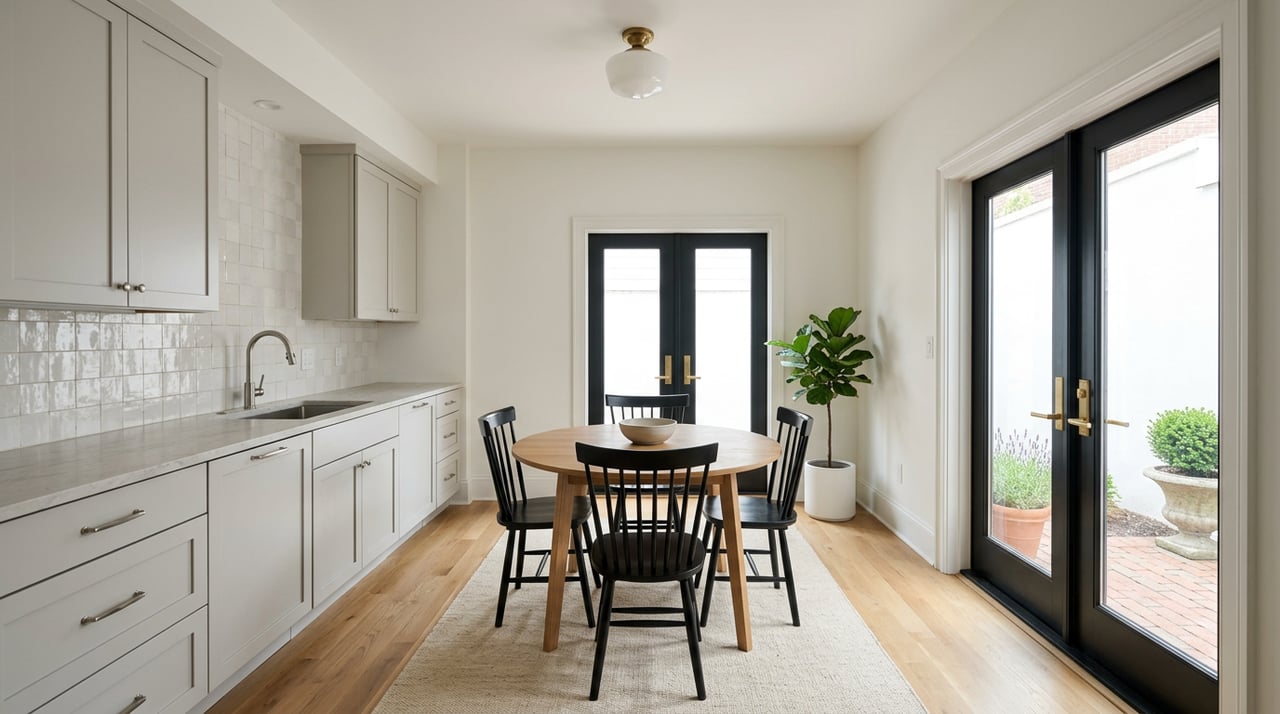
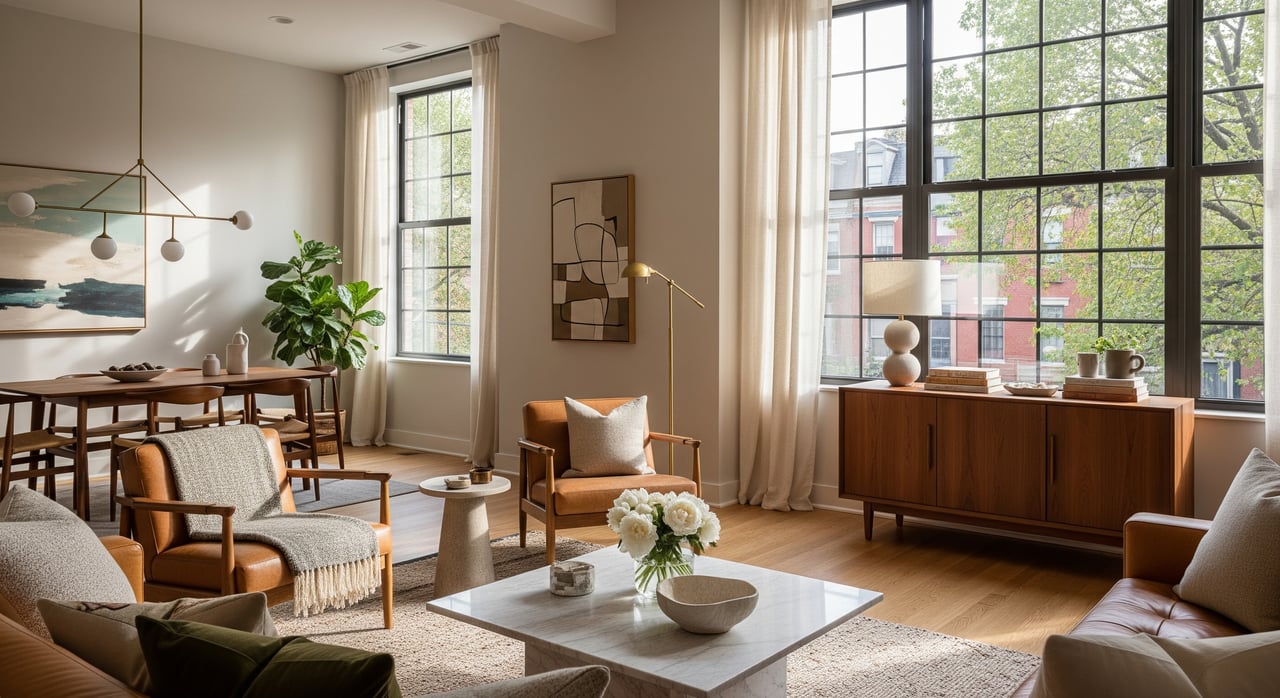
Historic charm tends to perform best when it is paired with updated kitchens, renovated baths, modern HVAC, and practical storage. Buyers may love original details, but they also want a home that feels easy to live in. If your home delivers both, it will likely compete more strongly.
Parking and outdoor space
In a neighborhood where many properties have compact lots and limited parking, these features can be a meaningful advantage. A patio, garden, driveway, garage, or secure parking is often treated as a headline feature, not a small bonus. Recent sales support that pattern again and again.
Condition and flexibility
Condition-sensitive homes can absolutely sell, but the price has to reflect the work a buyer may take on. Buyers also place value on flexible lower levels that can serve as guest space, office space, or other practical uses. If your layout offers that versatility, it can improve your home’s competitive position.
Why Price Per Square Foot Is Only A Guide
Price per square foot can help frame the conversation, but it should never be the whole pricing strategy in Logan Circle. Recent sales show a wide spread that reflects far more than size alone.
In the recent sample, 1513 Swann St NW traded at roughly $506 per square foot. 1335 Vermont Ave NW was about $636 per square foot, 1436 Q St NW about $641 per square foot, and 14 Logan Cir NW about $717 per square foot. That range is too broad to use casually without understanding the differences in location, finish, parking, and overall appeal.
If you rely too heavily on a high number from a trophy sale, you risk missing your likely buyer pool. If you ignore premium features in your own home, you may price too low. The best use of price per square foot is as a supporting metric, not the final answer.
What Today’s Market Means For Sellers
The current market backdrop suggests buyers are engaged, but selective. Some homes still receive multiple offers, yet the broader pattern points to longer marketing times and more negotiation than many sellers expect.
That is why the first price matters so much. A realistic launch price can create momentum and attract buyers who are prepared to act. An aspirational price may sound appealing, but the recent comp set shows that chasing the market can lead to reductions, a longer timeline, and less leverage in negotiation.
In other words, strong pricing is not about being conservative. It is about being credible from day one.
A Smart Pricing Plan For Your Rowhouse
If you are getting ready to sell, a practical pricing plan usually looks like this:
- Build a micro-comp set based on your exact block, nearby streets, and the most similar rowhouse style.
- Adjust for renovation level by comparing kitchens, baths, systems, and overall finish quality.
- Account for lifestyle features like parking, patio space, gardens, and flexible lower levels.
- Measure market response through recent days on market and sale-to-list patterns, not just list prices.
- Choose a launch price that invites action instead of testing the market with a number buyers may reject.
This kind of pricing work is where local experience really matters. In a neighborhood as nuanced as Logan Circle, details that look small on paper can have an outsized effect on results.
The Bottom Line On Logan Circle Pricing
A Logan Circle rowhouse should be priced from the closest and most relevant comp set, not from a broad neighborhood average. In today’s market, exact location, parking, outdoor space, renovation quality, and historic character all shape how buyers see value.
Recent sales show both sides of the story. Well-positioned homes can sell near or above ask, while homes that reach too far can sit, reduce, and lose momentum. If you want to price your home well, the goal is not to chase the highest possible number. It is to choose the number that gives your home the strongest chance to win in the market you actually have.
If you are thinking about selling a rowhouse in Logan Circle or anywhere in Northwest DC, Jen Angotti can help you build a pricing strategy grounded in local comps, thoughtful positioning, and a smooth plan from prep through negotiation.
FAQs
How should you price a Logan Circle rowhouse in today’s market?
- Start with the closest rowhouse comps by micro-location, then adjust for condition, parking, outdoor space, layout, and renovation quality rather than relying on a neighborhood-wide average.
Does being near Logan Circle itself affect rowhouse value?
- Yes. Recent sales and the historic district description suggest that homes on the circle or very close to it can fall into a different pricing tier than similar homes farther away.
How much does parking add to a Logan Circle rowhouse?
- There is no fixed premium, but recent sales show parking is treated as a major differentiator and often appears as a headline feature in higher-value properties.
Can an older Logan Circle rowhouse still sell well without a full renovation?
- Yes, but the price needs to reflect condition. Recent sales show that homes can still attract buyers, though overpricing may lead to price cuts and more time on market.
Is price per square foot enough to value a Logan Circle rowhouse?
- No. It is a helpful reference point, but the recent spread in local sales shows that block, historic appeal, updates, and parking can shift value significantly.
What do buyers usually want in a Logan Circle rowhouse?
- Recent listings suggest buyers respond to a mix of preserved historic details, modern kitchens and baths, usable outdoor space, parking, and flexible living areas.