If you want a Washington, DC neighborhood with real history, strong transit access, and a built-in soundtrack, U Street is hard to ignore. This corridor blends historic architecture, daily convenience, and a music legacy that still shapes how the area feels today. If you are thinking about buying, selling, or simply getting to know the neighborhood better, this guide will help you understand what living in DC’s U Street Corridor Music District is actually like. Let’s dive in.
What Defines U Street
U Street is one of Northwest DC’s best-known urban corridors, and its identity is rooted in culture, commerce, and walkability. The Greater U Street Historic District is described by DC planning materials as a “city within a city” and includes more than 1,500 historic buildings.
That mix matters when you are choosing where to live. You are not looking at a single-purpose entertainment zone. You are looking at a neighborhood where historic rowhouses, apartments, retail, restaurants, and performance venues all sit close together.
U Street’s Music Legacy
One of the biggest reasons people are drawn to U Street is its deep connection to DC’s Black cultural history. DC planning and tourism sources consistently identify the corridor as a historic center of Black culture, jazz, nightlife, and the Black Broadway era, with a long association with Duke Ellington and the city’s live performance scene.
That history is not just something you read on a plaque. It is still visible in the neighborhood’s major venues and in the everyday rhythm of the street.
Landmark venues still shape the area
Several of the corridor’s best-known music and performance spaces are still active today. The Howard Theatre is located at 620 T Street NW, the Lincoln Theatre stands at 1215 U Street NW, and the 9:30 Club is at 815 V St NW near the eastern end of the corridor.
The Lincoln Theatre, built in 1922, is a 1,225-seat historic venue with ongoing public goals tied to arts access and economic activity on U Street. The Howard Theatre also carries major historical weight. According to DC planning materials, it opened in 1910 and was the first theater building in the nation erected specifically for African Americans.
Live music goes beyond the big names
U Street’s music identity is not limited to major theaters and clubs. Smaller venues still contribute to the atmosphere, including spots like JoJo Restaurant & Bar, which highlights live jazz and blues on U Street.
For you as a resident, that means the neighborhood can feel animated and social in a way that is different from quieter residential pockets in Northwest DC. The music legacy is part of the lifestyle, not just the marketing.
What Daily Life Feels Like
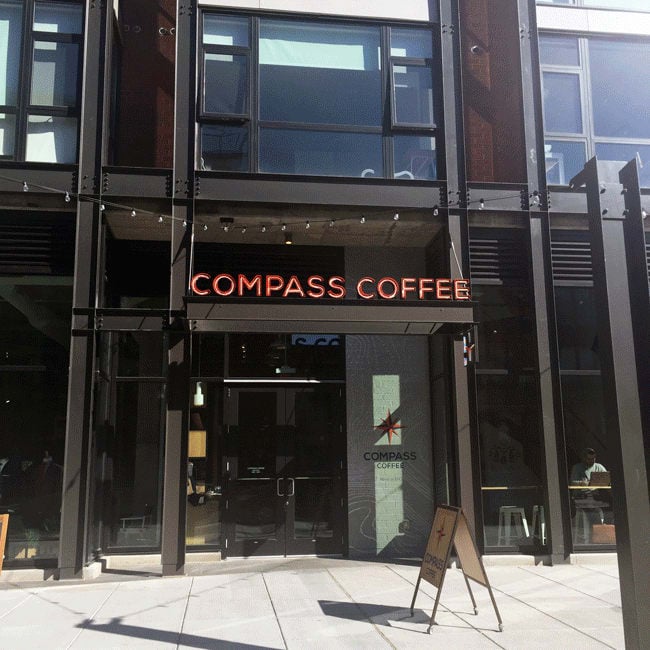
U Street gets attention for nightlife, but that is only part of the picture. During the day, the corridor functions as a busy neighborhood with restaurants, coffee shops, boutiques, and regular pedestrian traffic.
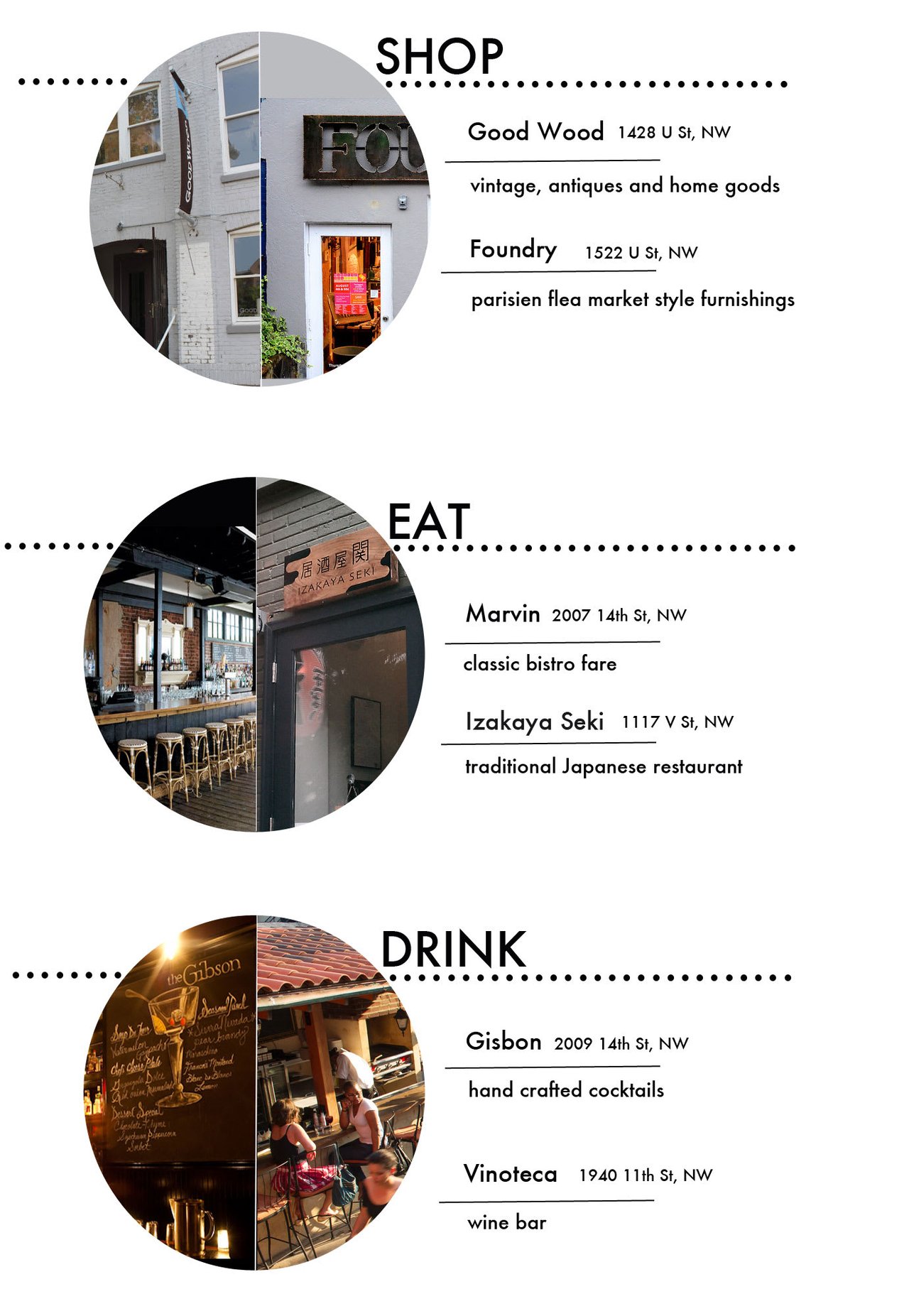
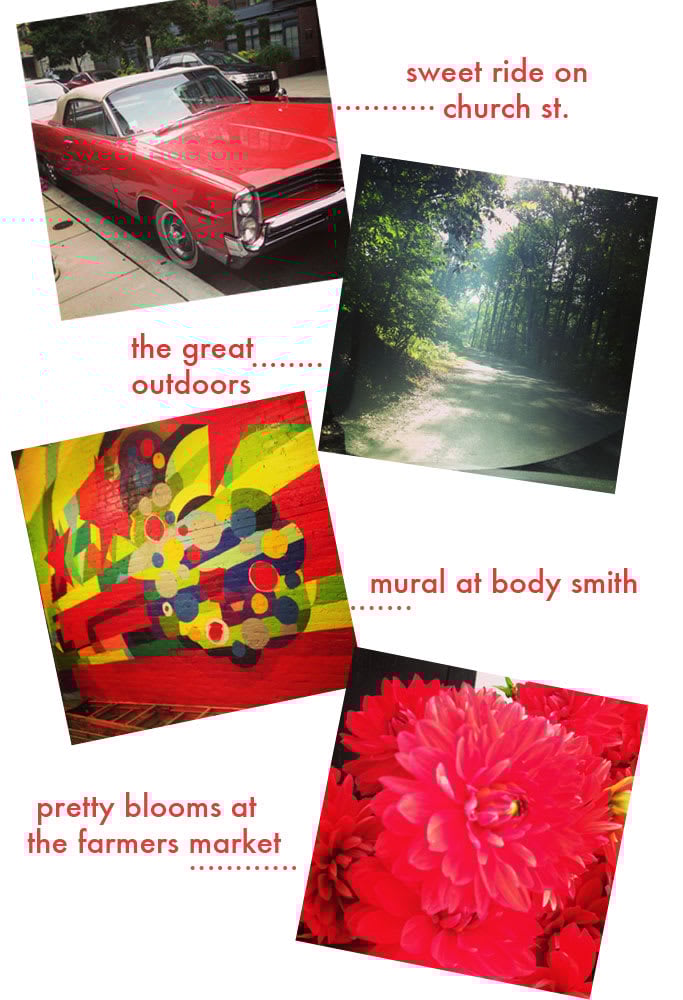
According to Washington.org’s U Street guide, the area is packed with bars, restaurants, boutiques, coffee shops, and a Saturday farmers market at U and 14th streets. That mix helps explain why the neighborhood feels active well beyond evening hours.
Daytime convenience is a real draw
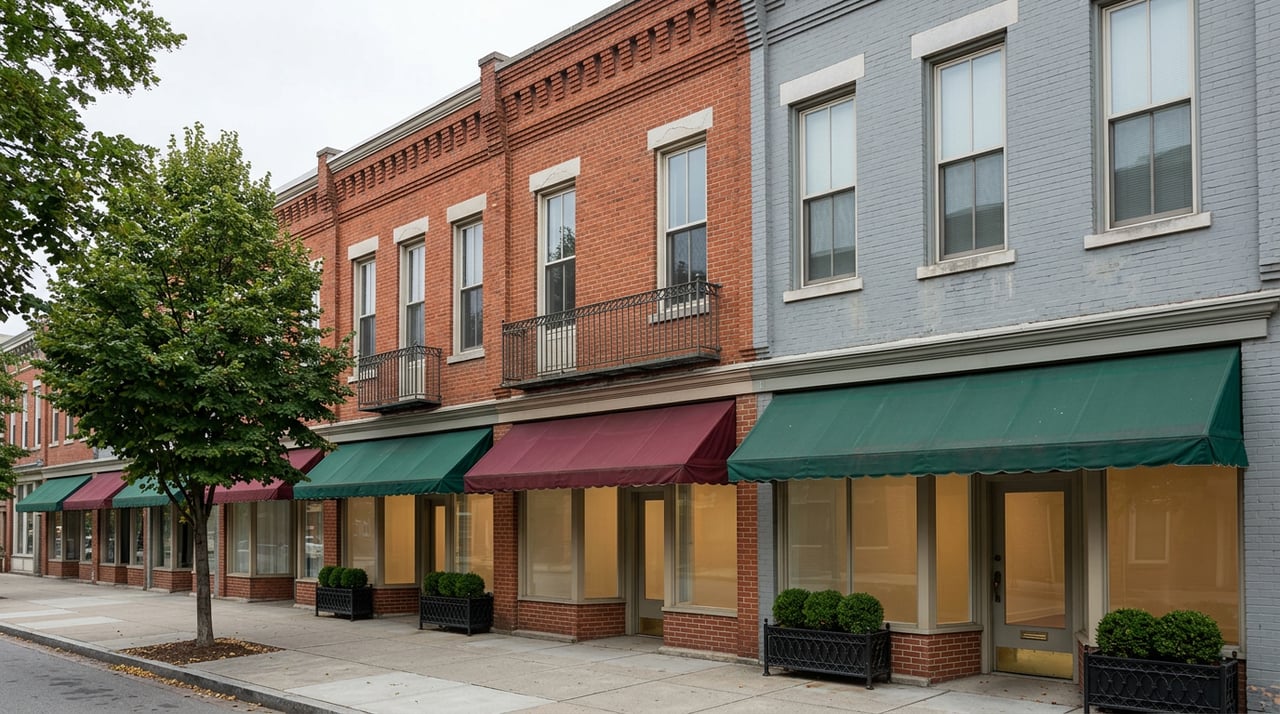
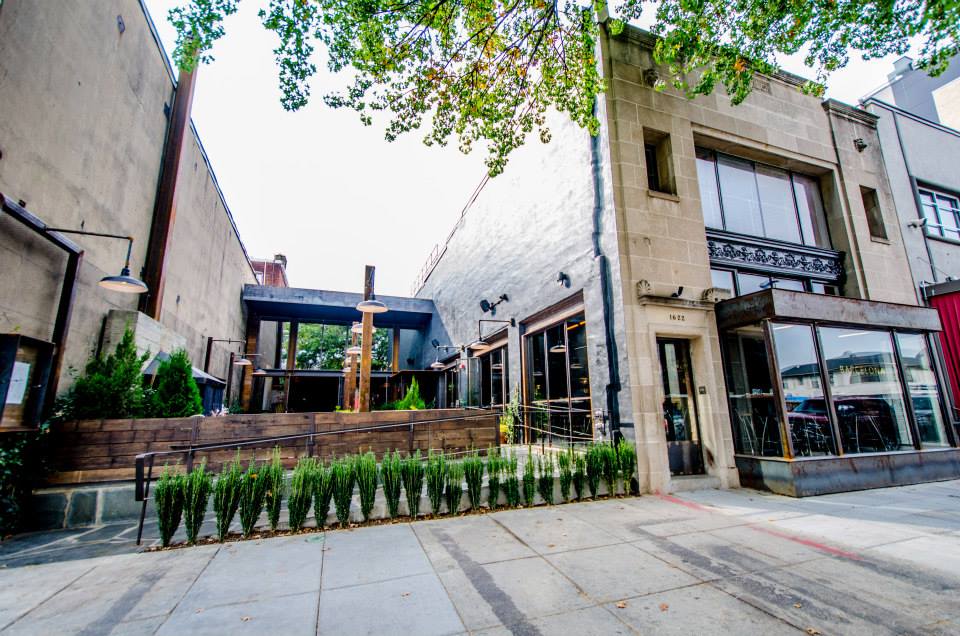
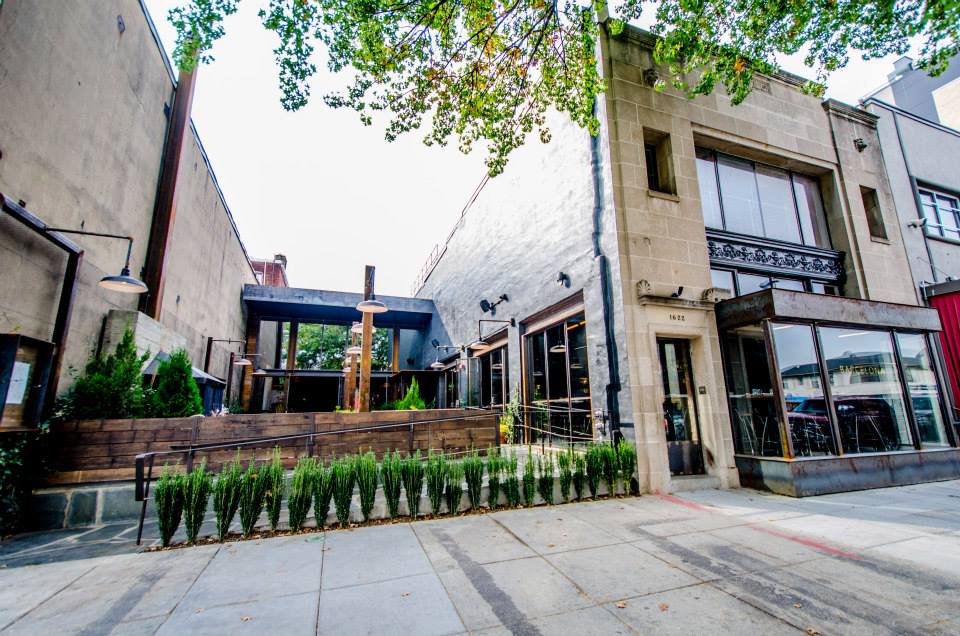
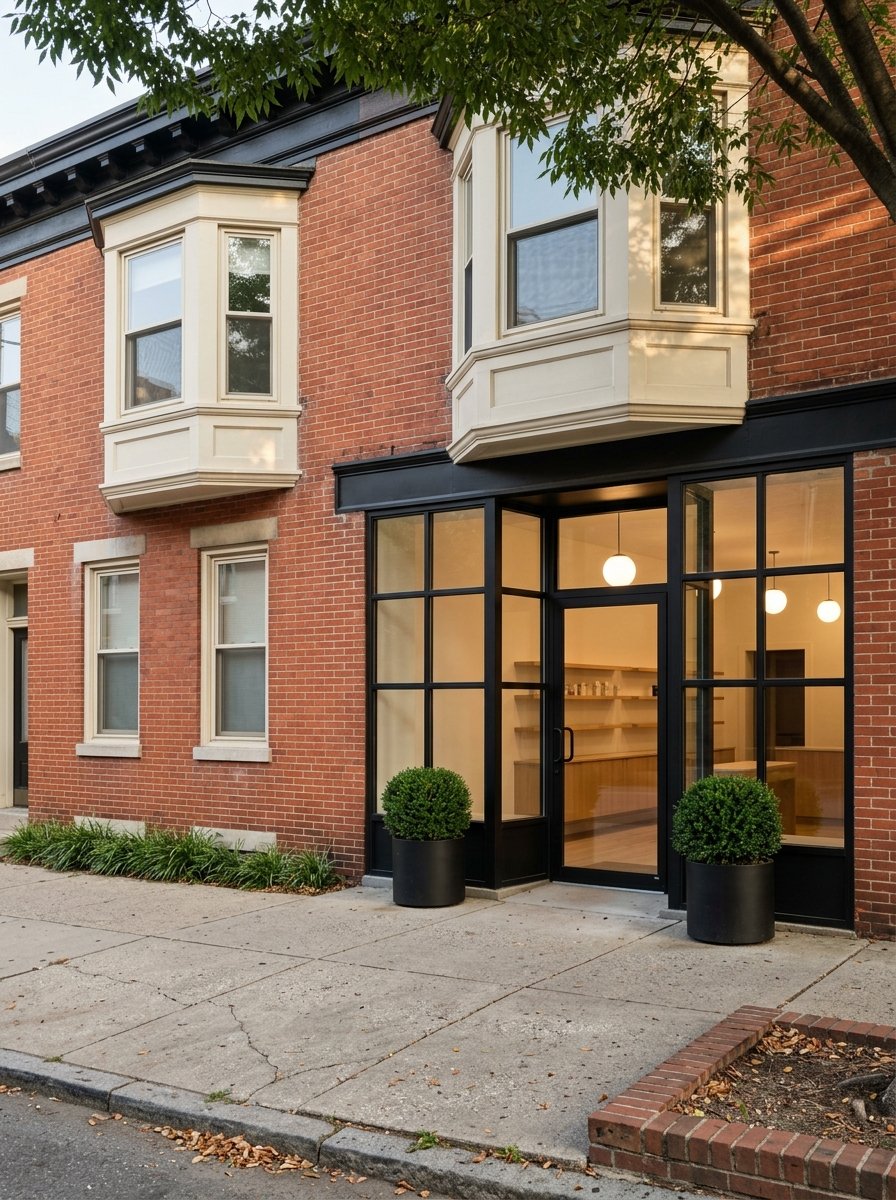
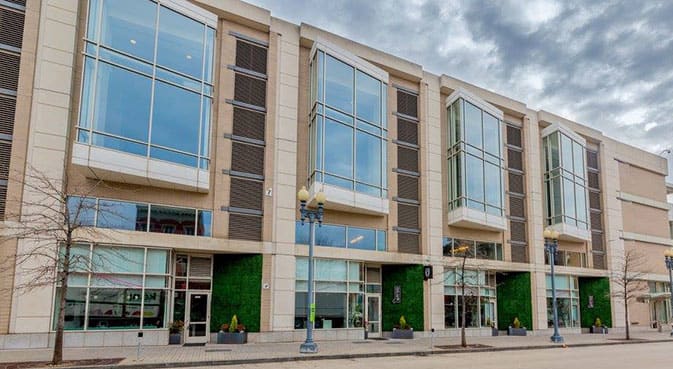
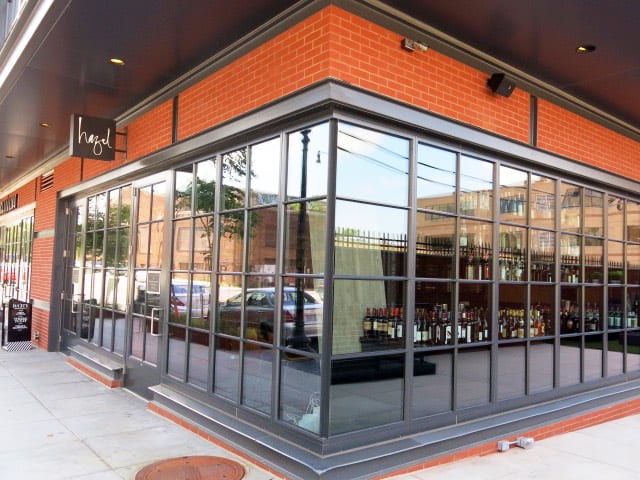
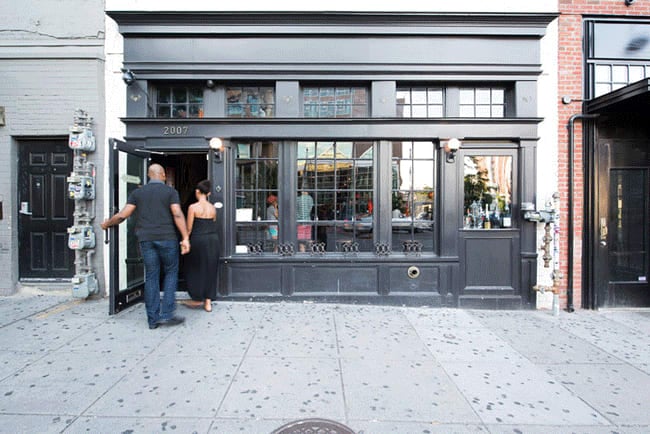
If you value being able to run errands, grab coffee, meet friends, or walk to dinner without planning your whole day around a car, U Street offers that kind of convenience. The built environment supports it too. Planning materials describe stores, restaurants, small businesses, nightclubs, and entertainment venues operating in renovated 19th- and early 20th-century buildings, creating activity throughout the day and night.
The neighborhood’s public life has even been studied directly. The Office of Planning’s 14th and U public life study looked at cultural legacy, pedestrian activity, and how street-level businesses and public spaces shape daily experience in the area.
The farmers market adds to the routine
For many residents, neighborhood rhythm is about the smaller recurring things. The 14 & U Farmers Market is held at 2000 14th St NW on Saturdays from 9:00 a.m. to 1:00 p.m., June through Nov. 18.
That kind of amenity may sound small, but it helps create a lived-in neighborhood feel. It gives you another reason to be out on foot and another way to enjoy the area outside peak nightlife hours.
Housing in the Corridor
If you are searching for a home here, the housing mix is one of the first things to understand. The U Street Historic District was designated in 1998, and its period of significance runs from 1862 to 1948, according to DC’s historic district overview.
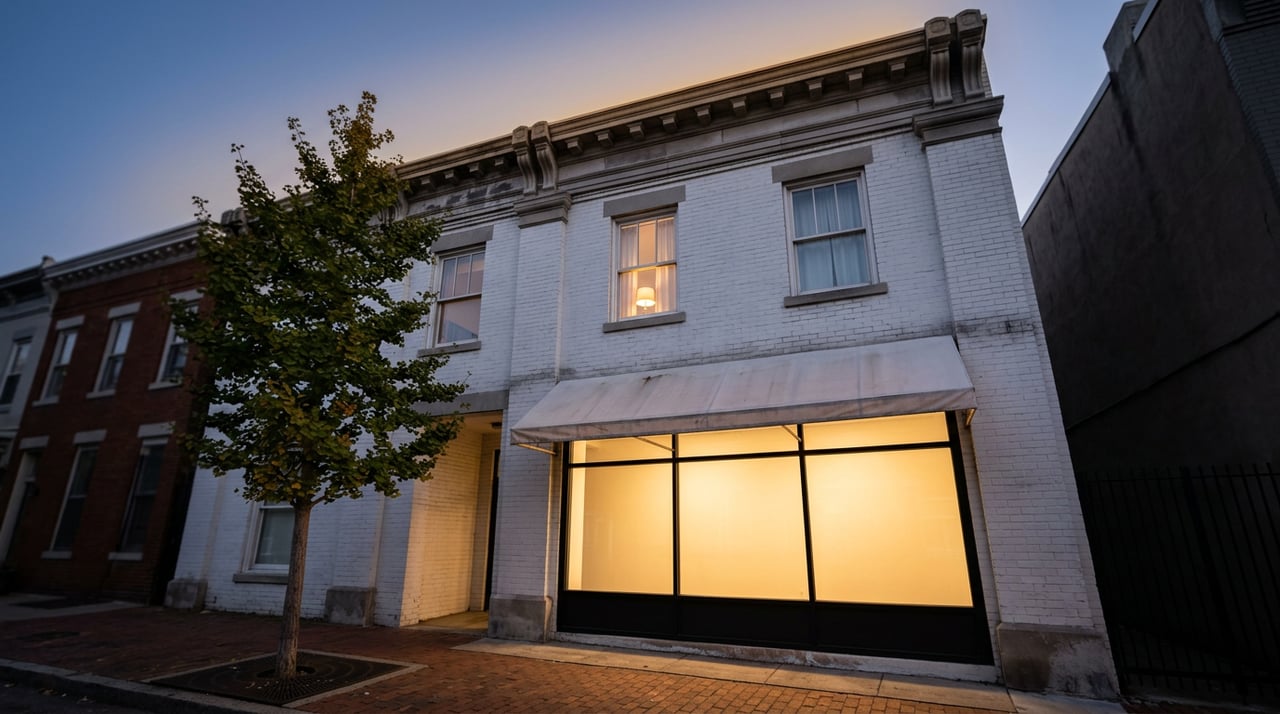
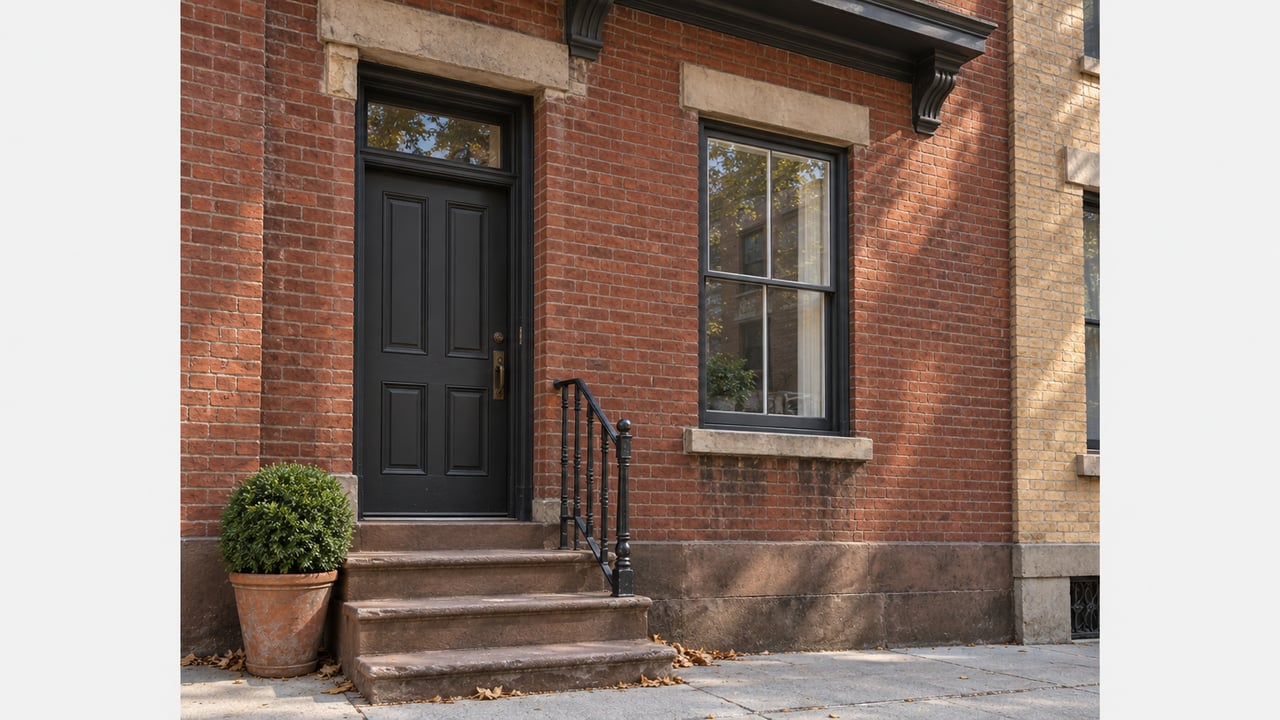
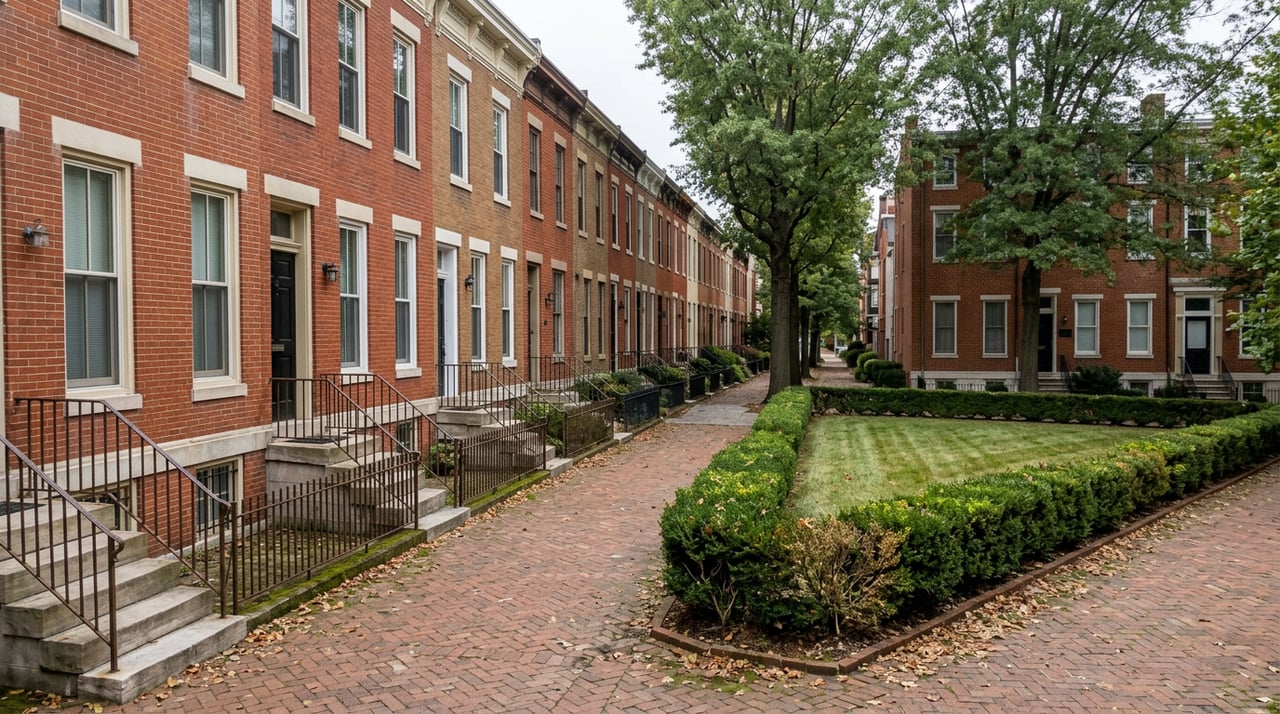
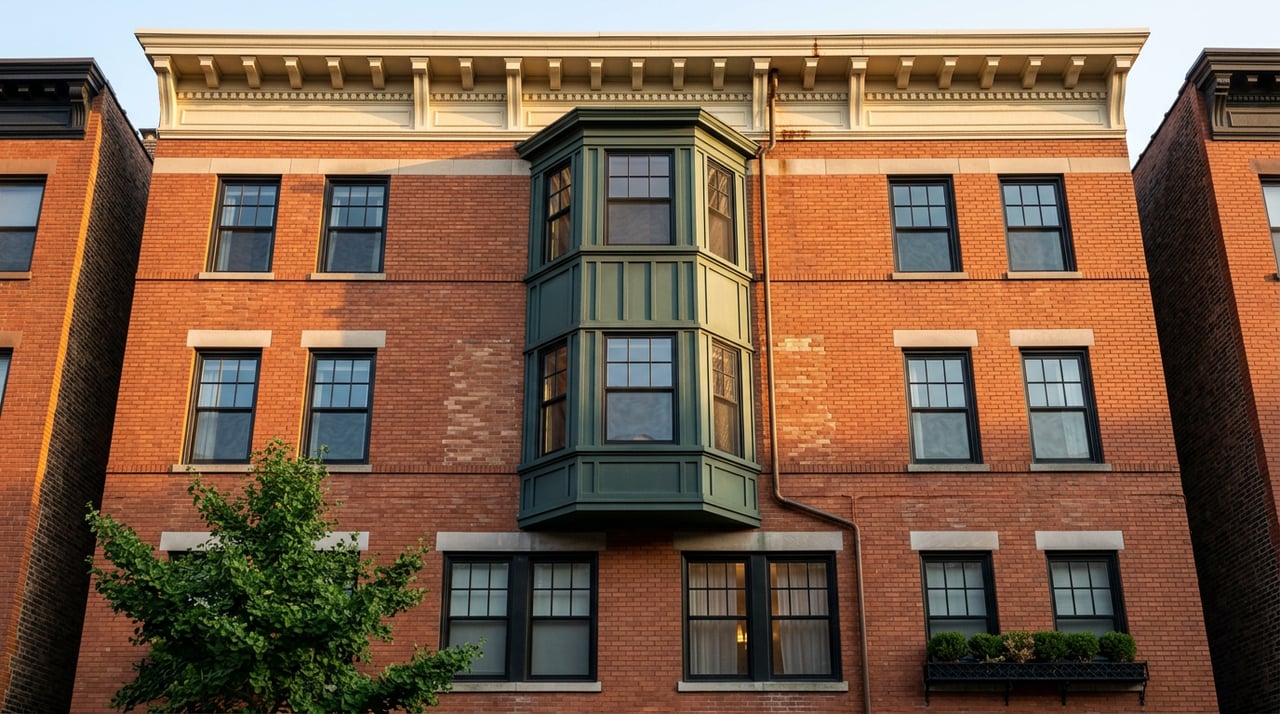
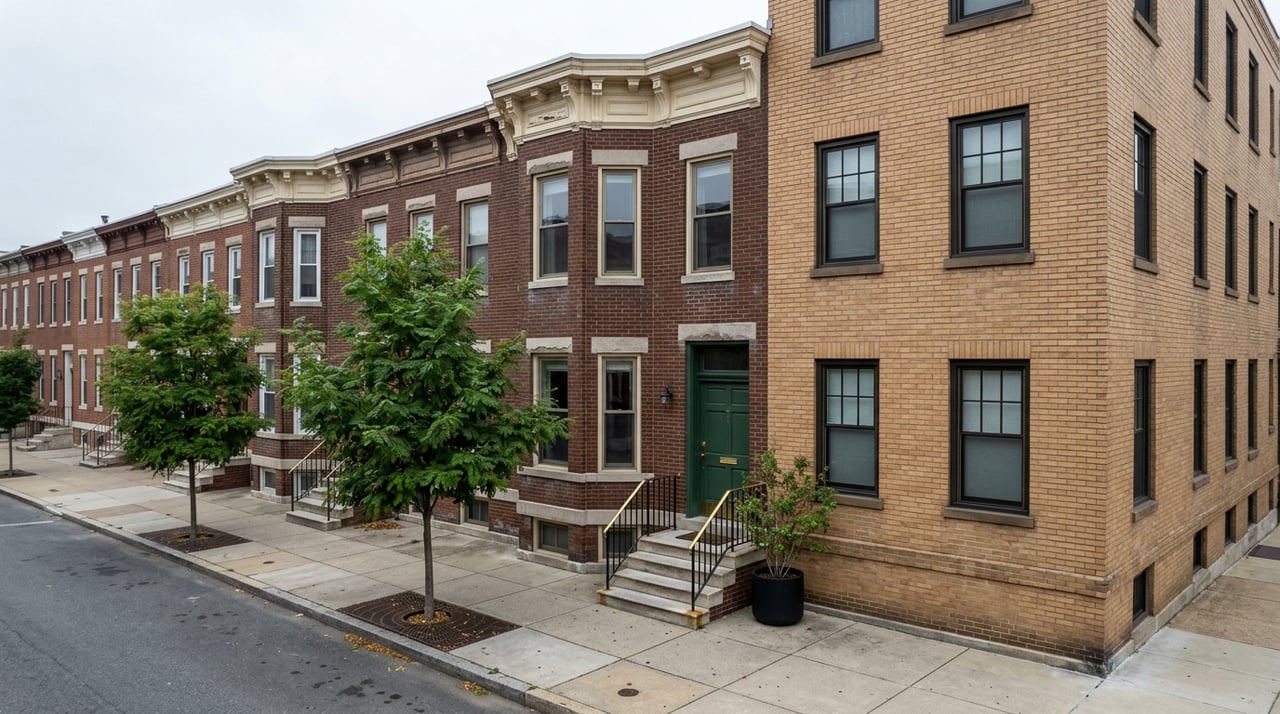
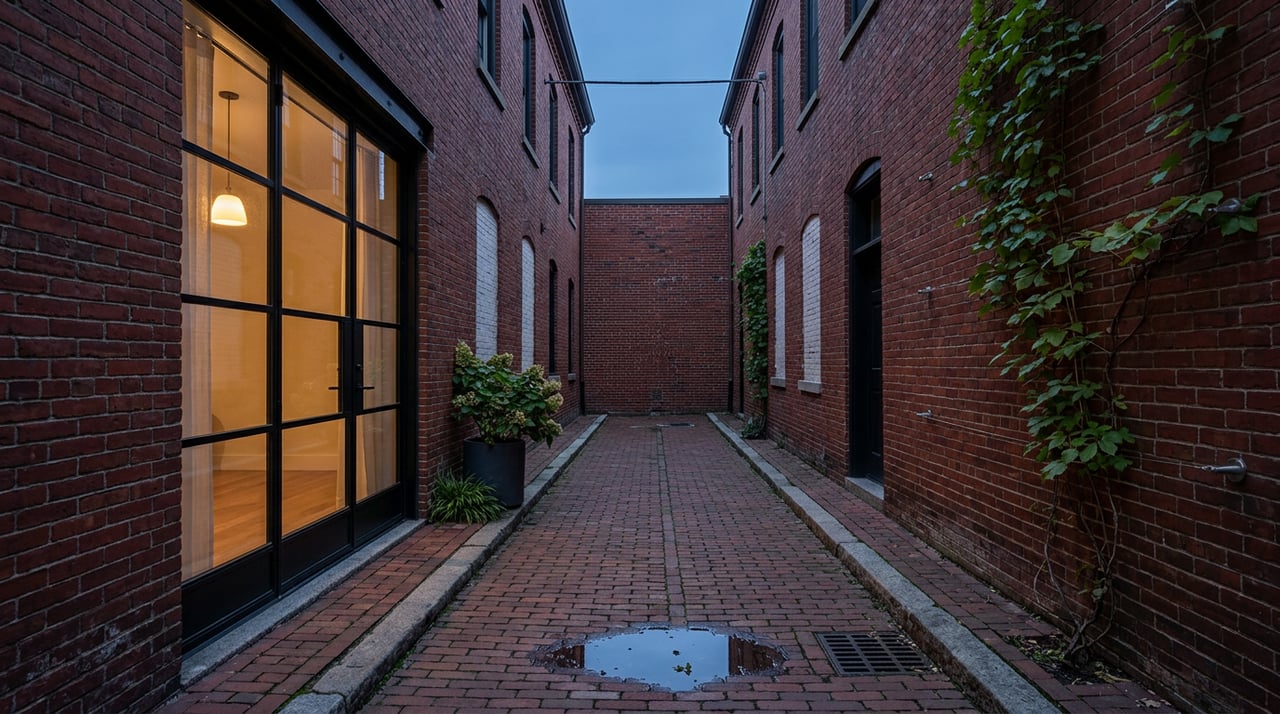
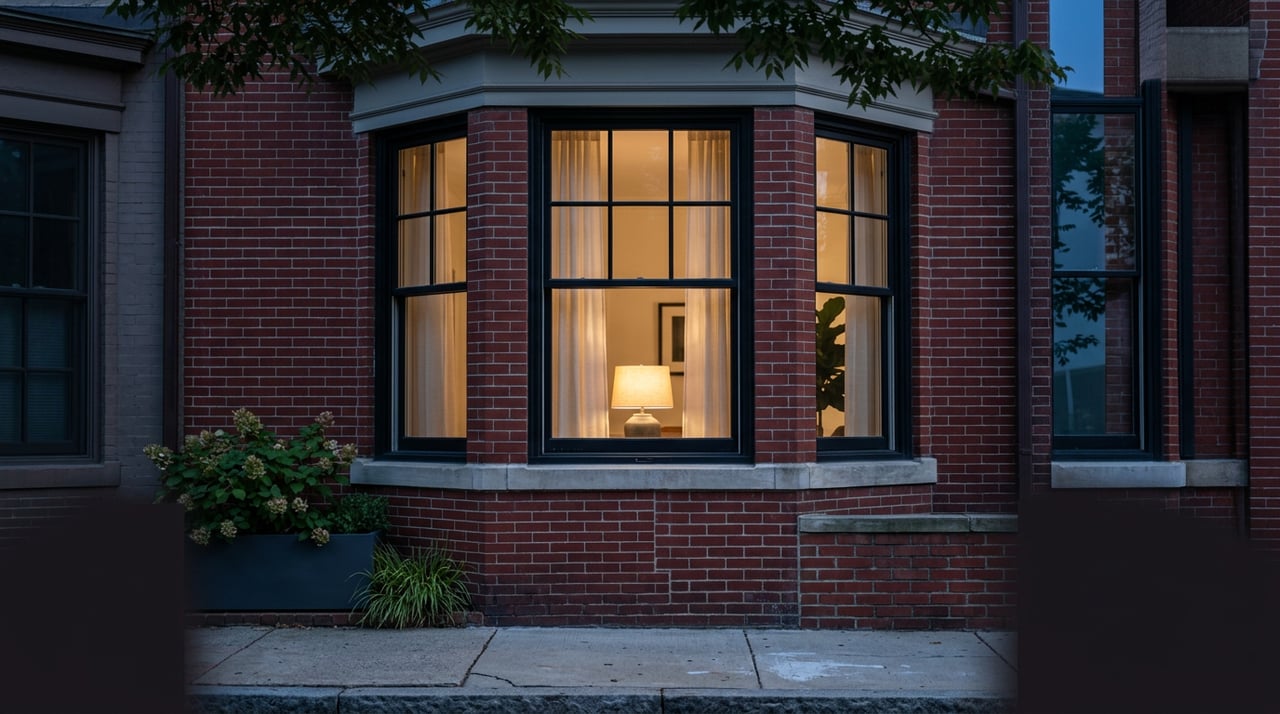
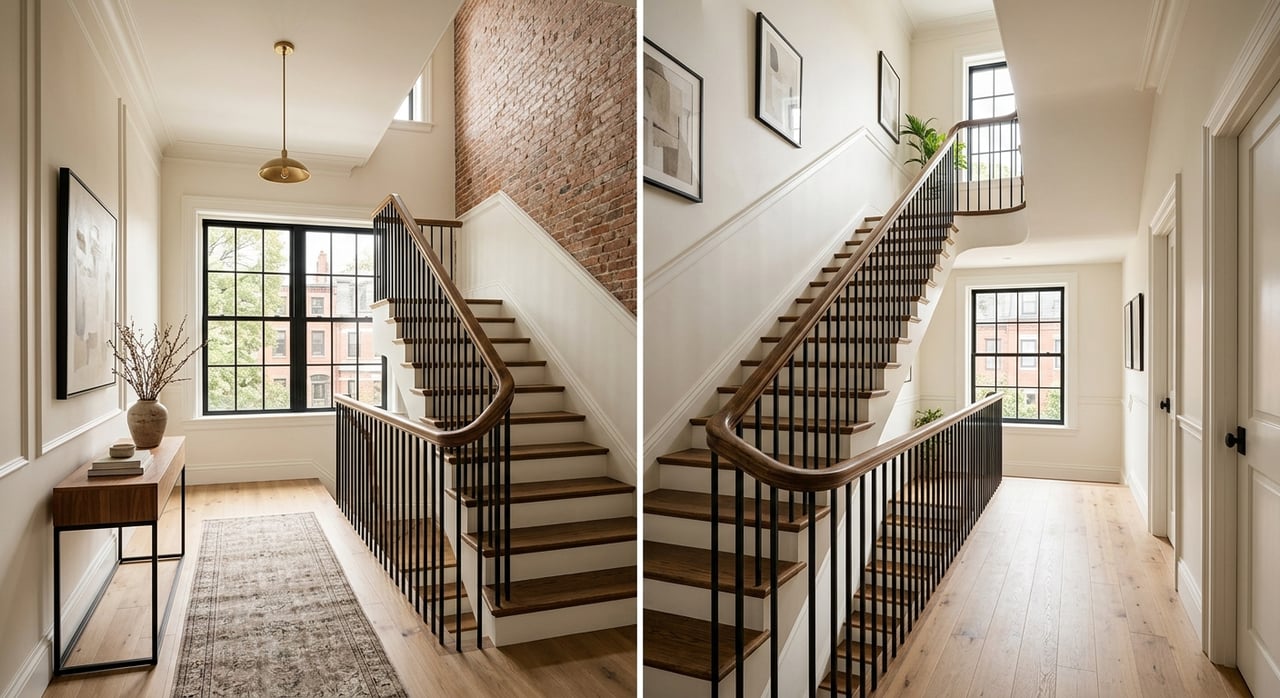
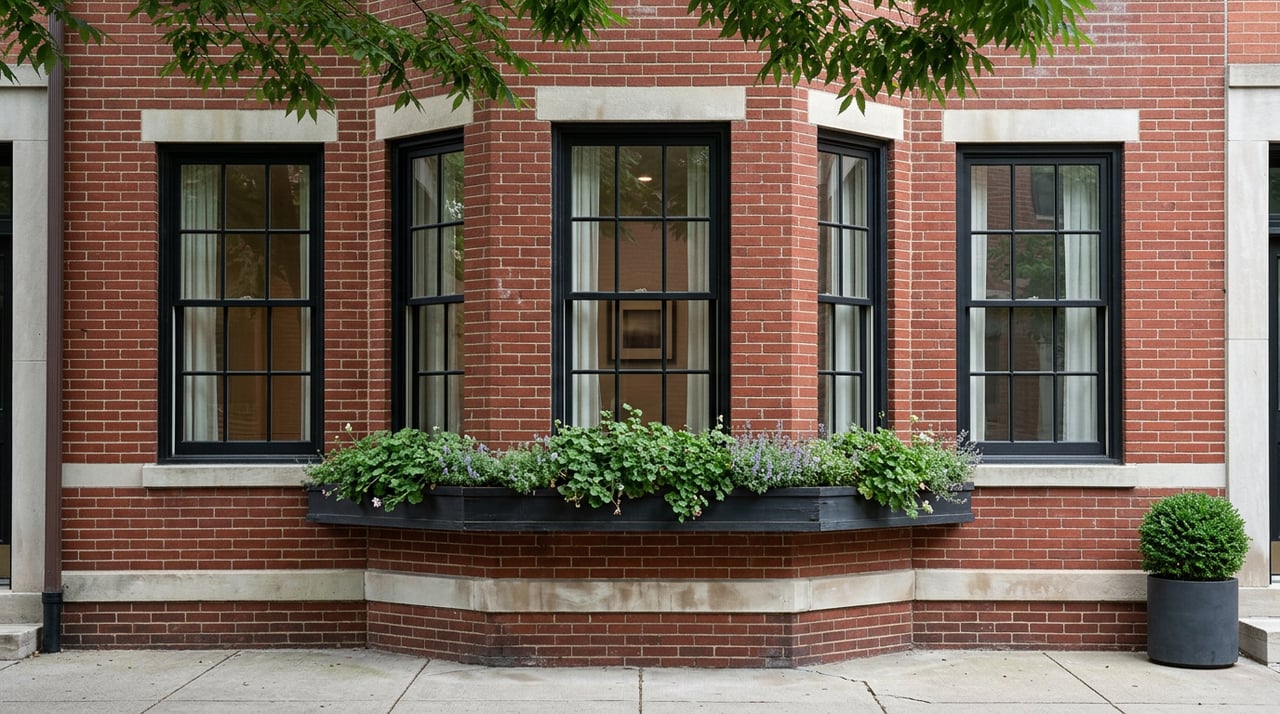
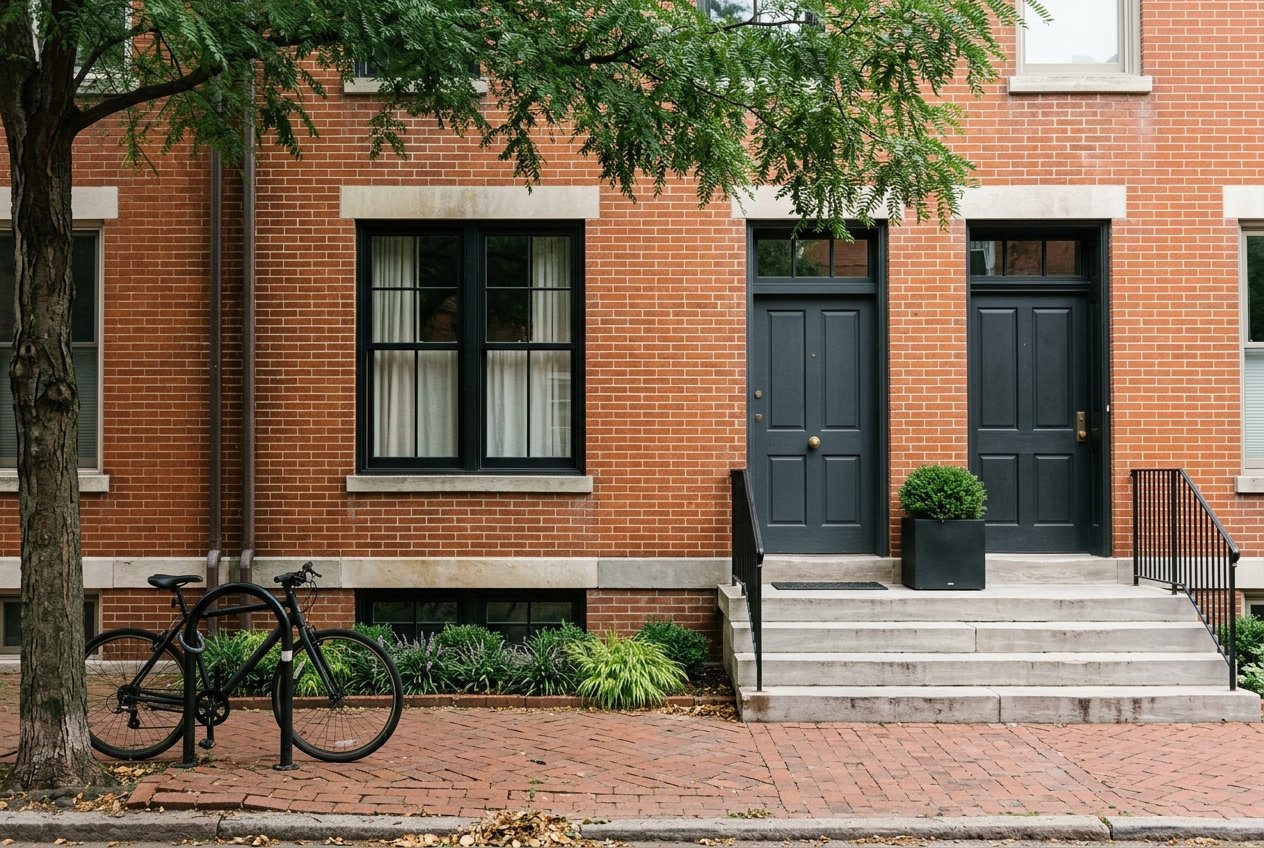
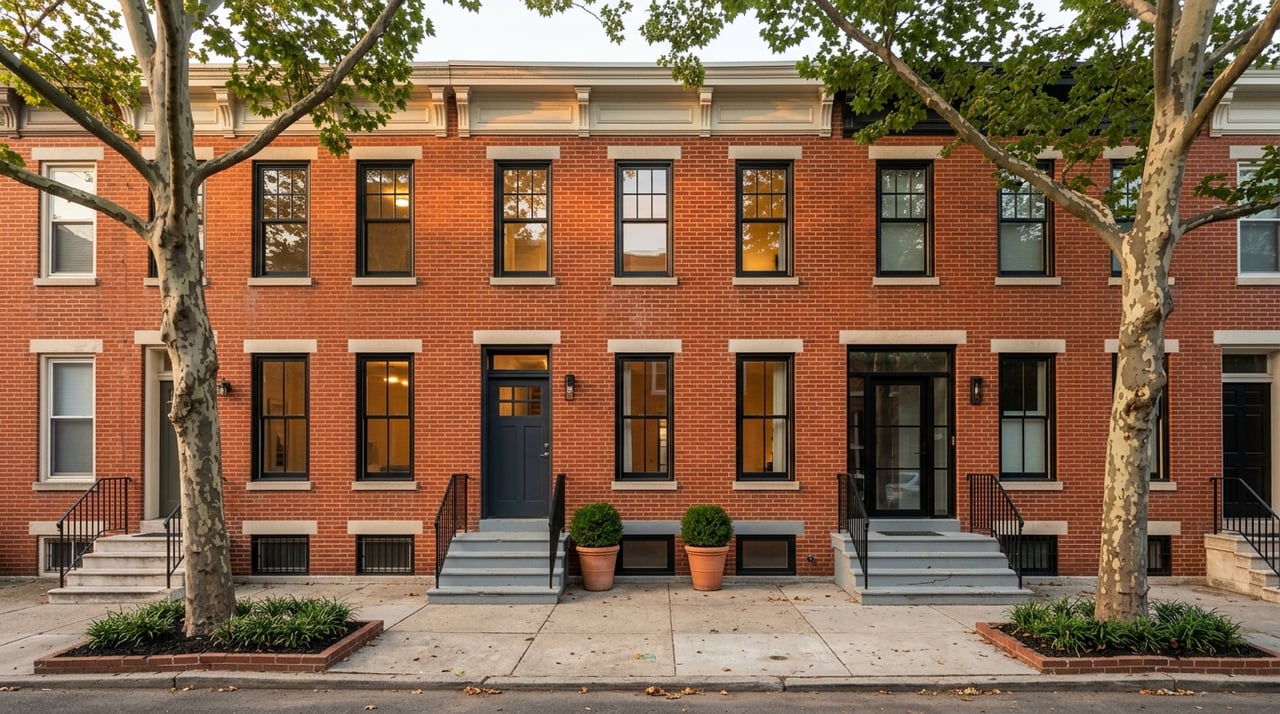
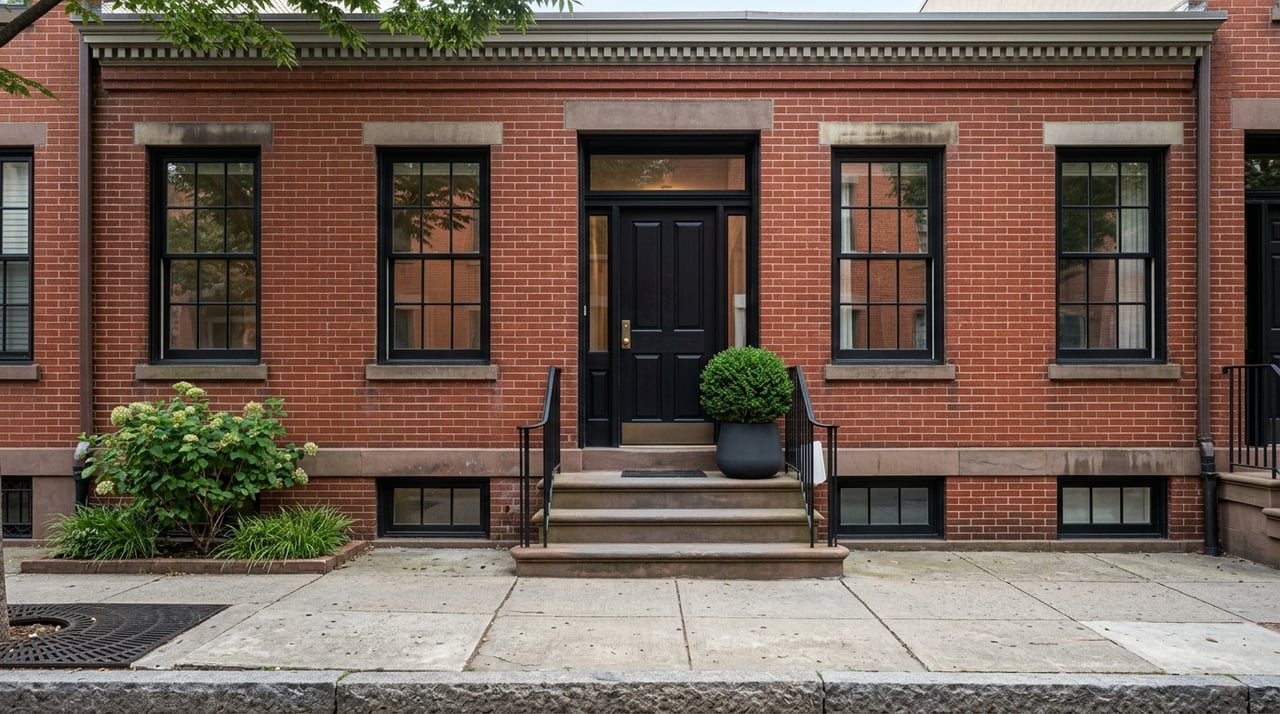
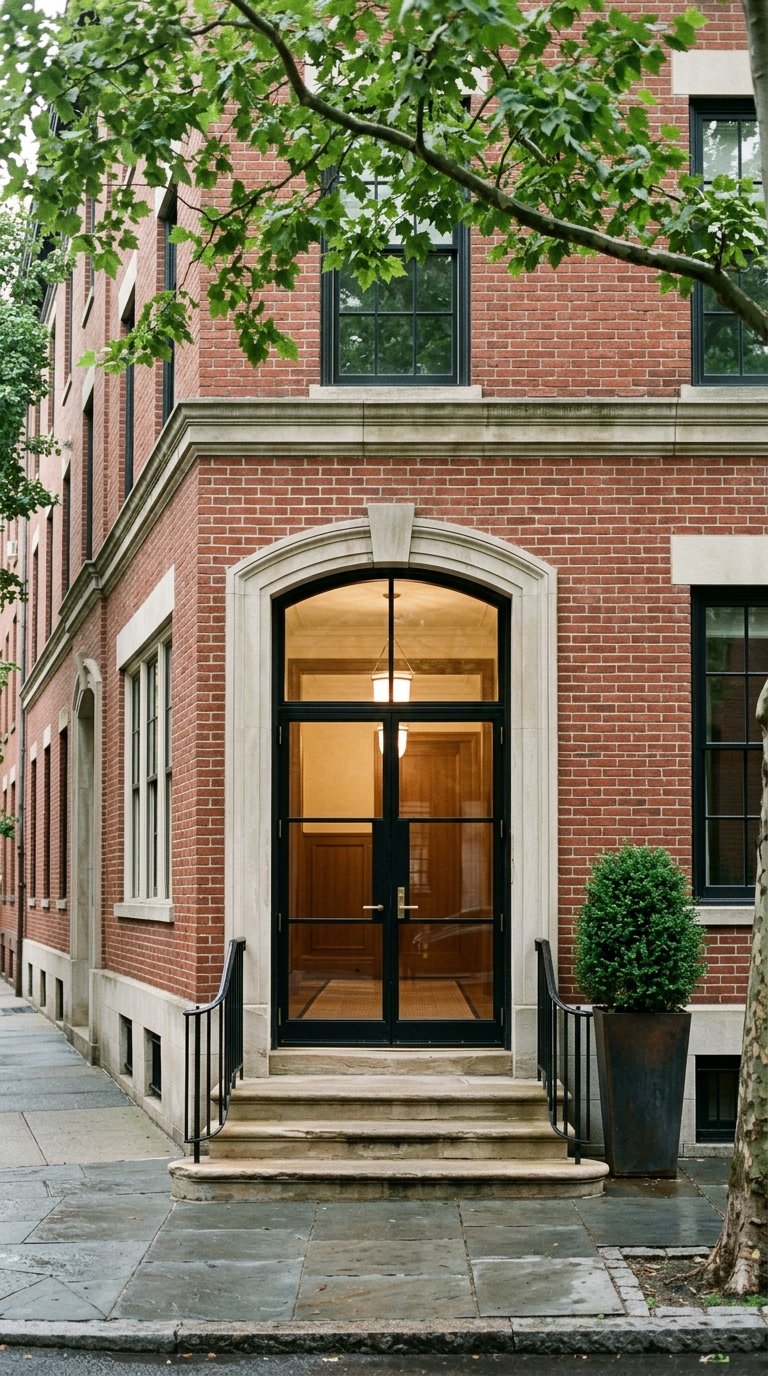
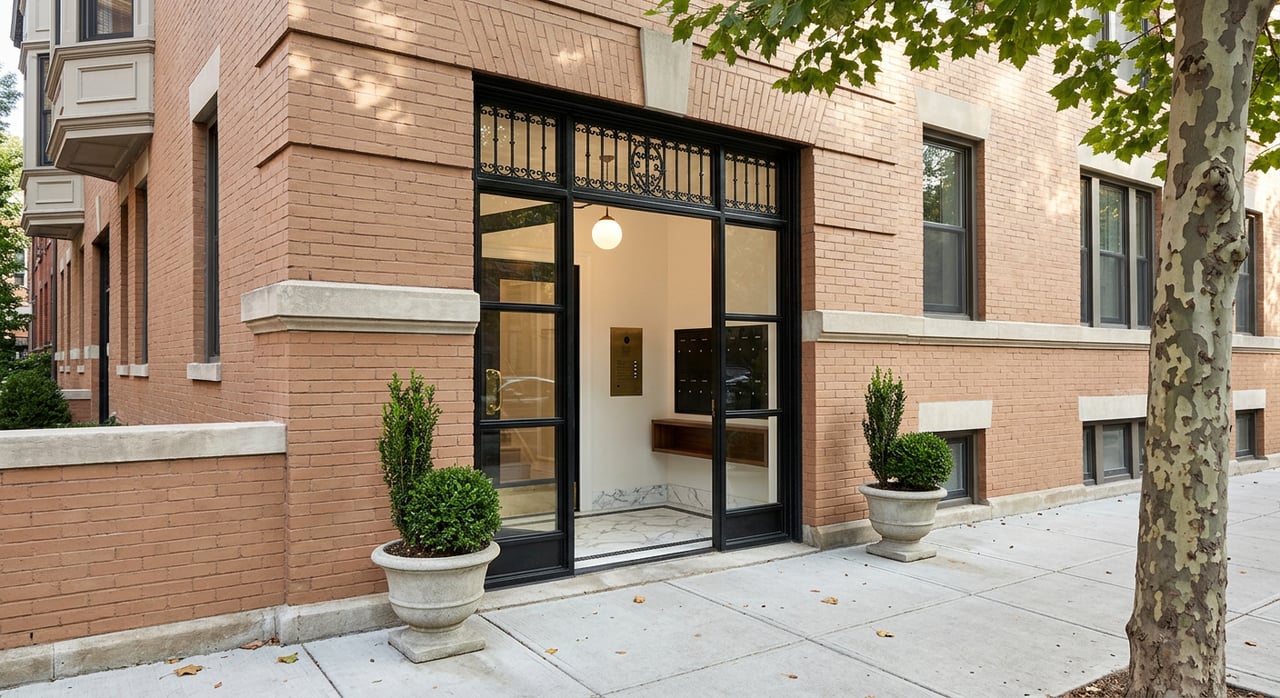
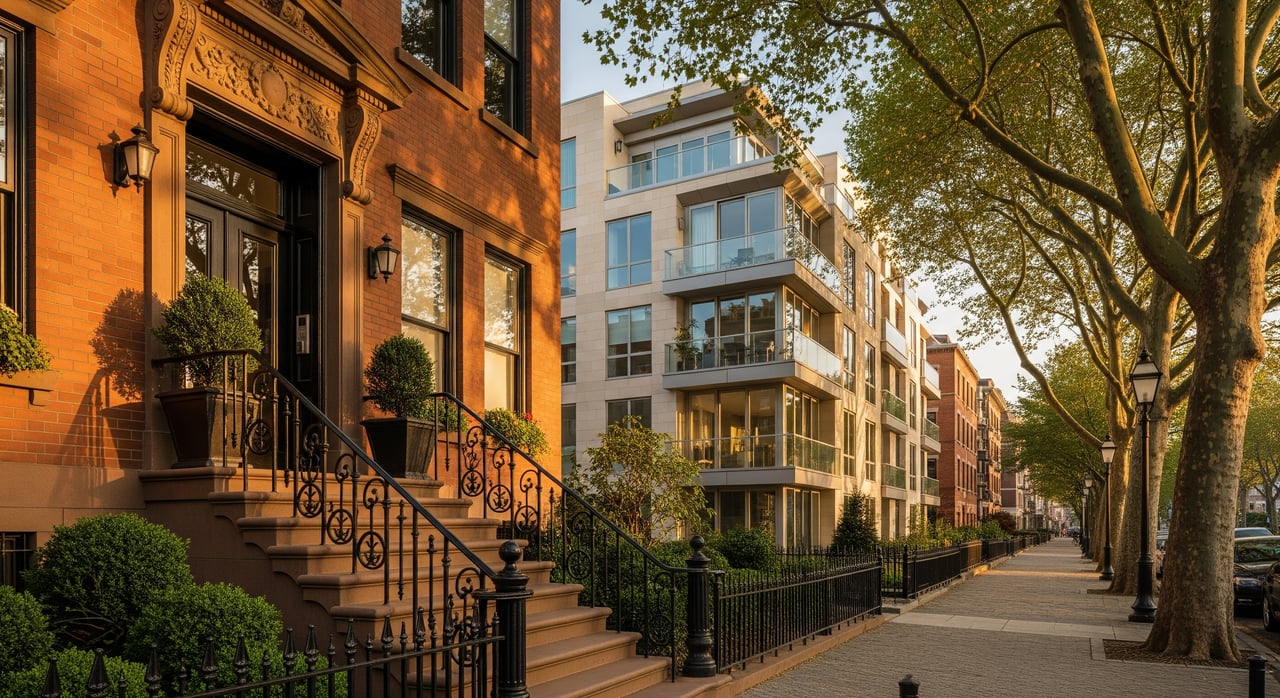
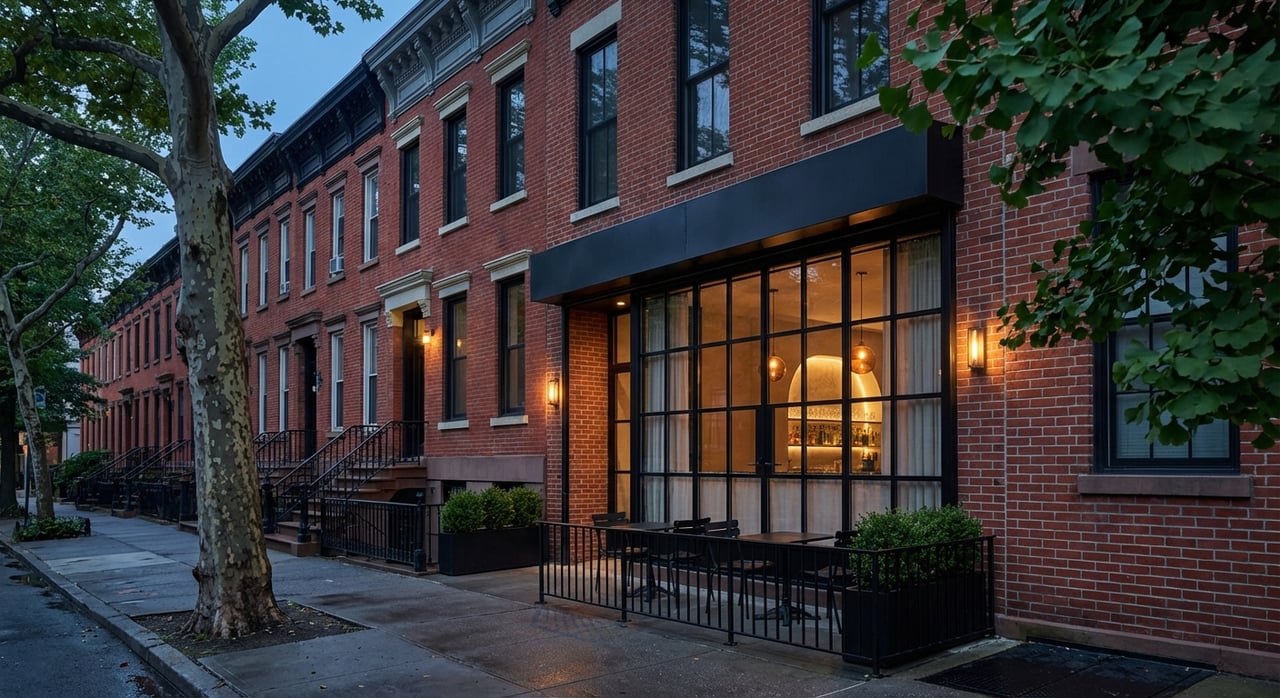
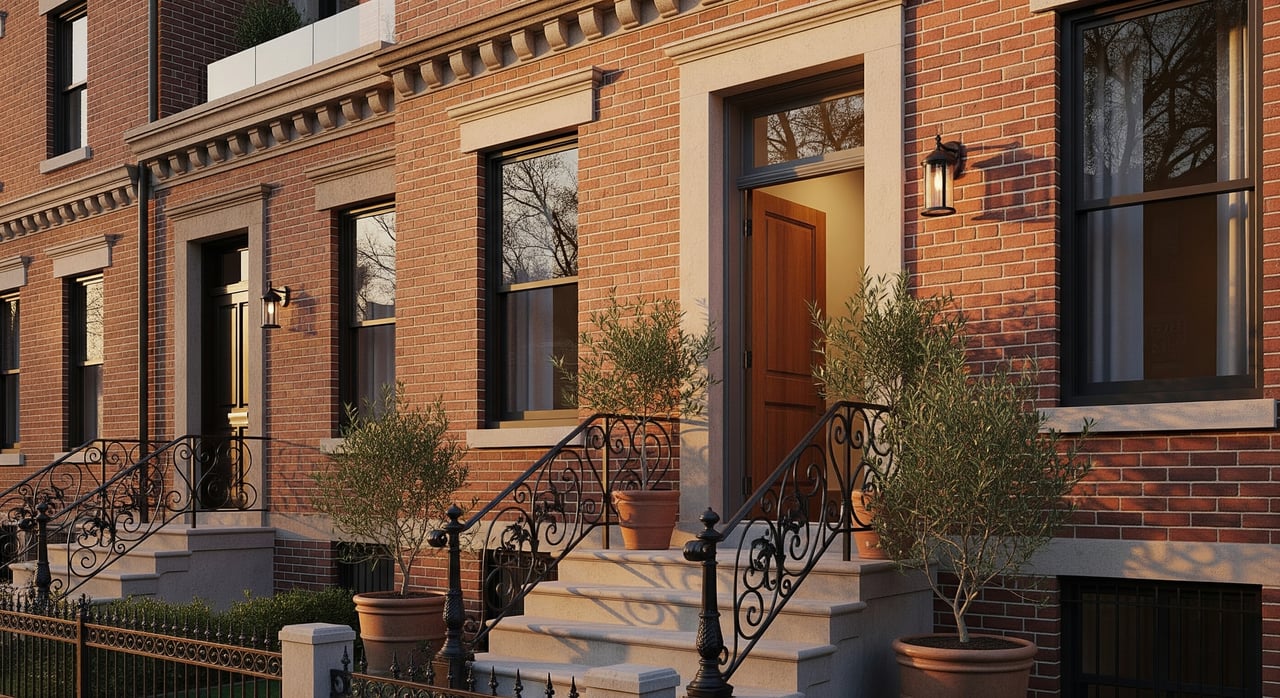
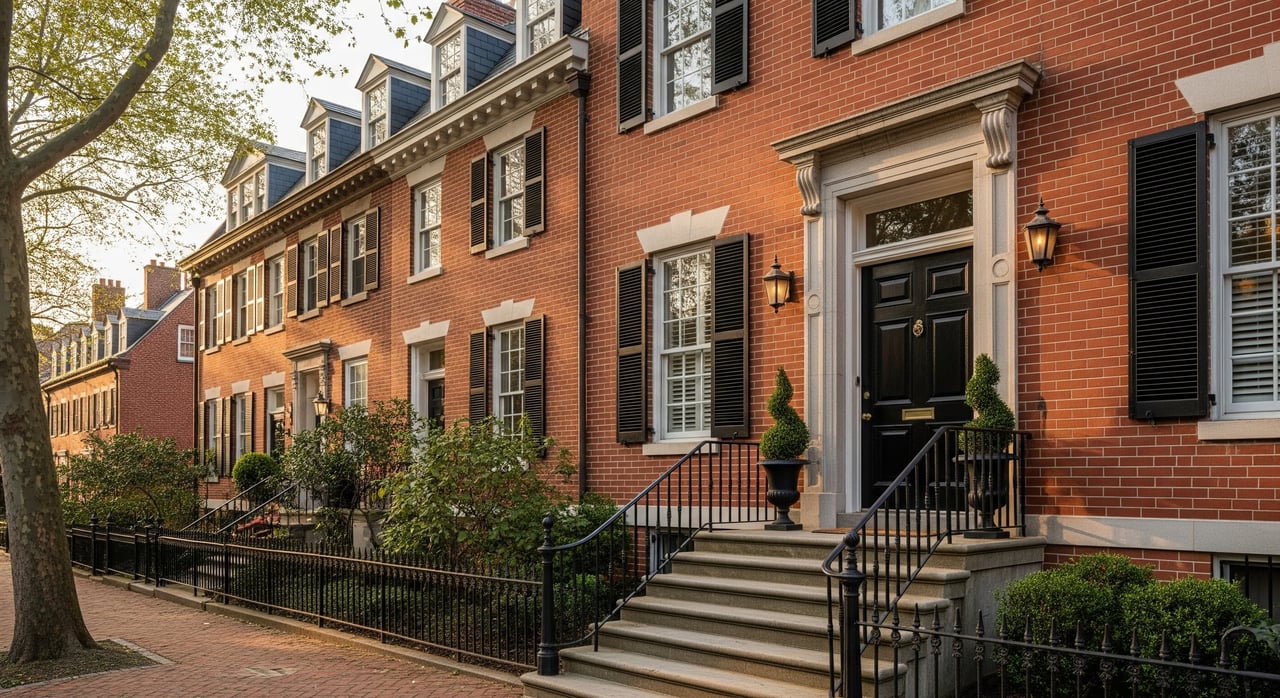
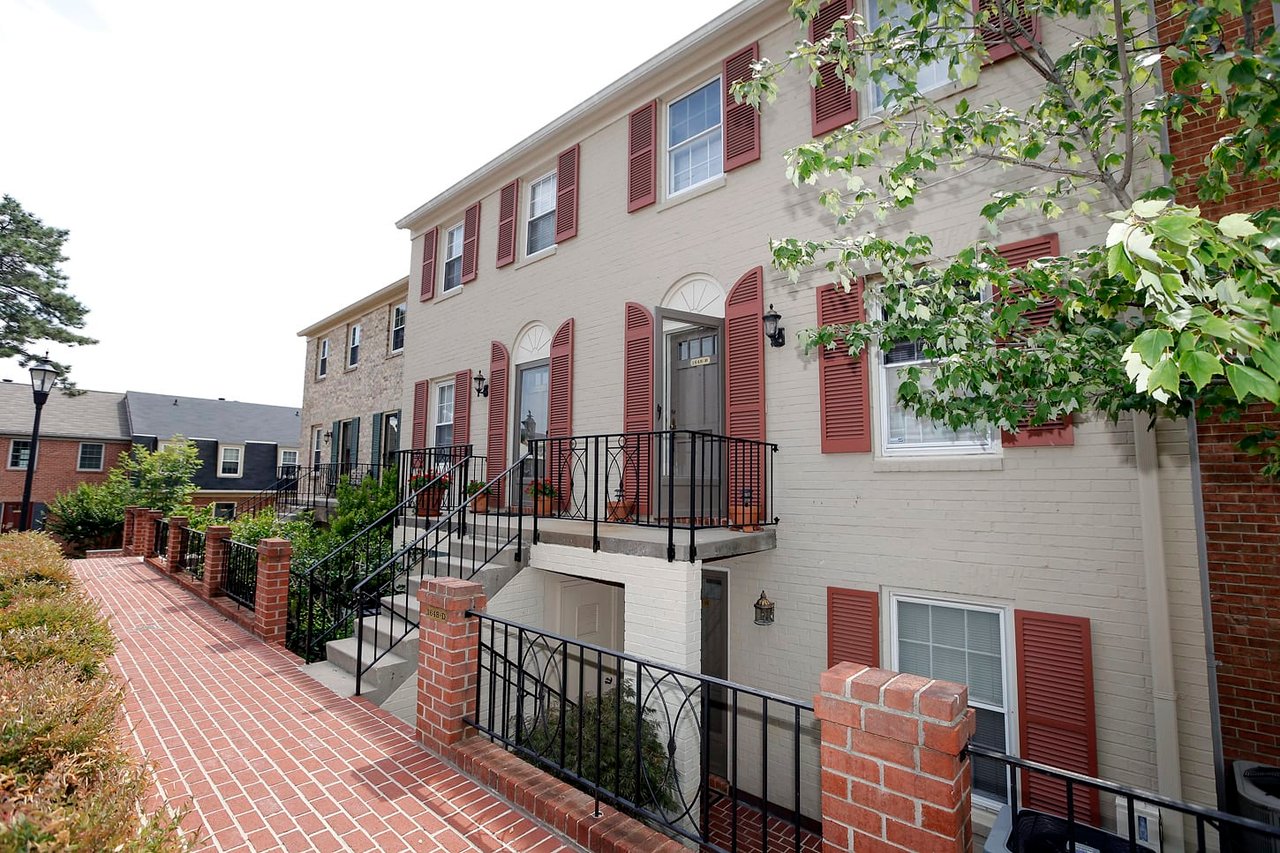
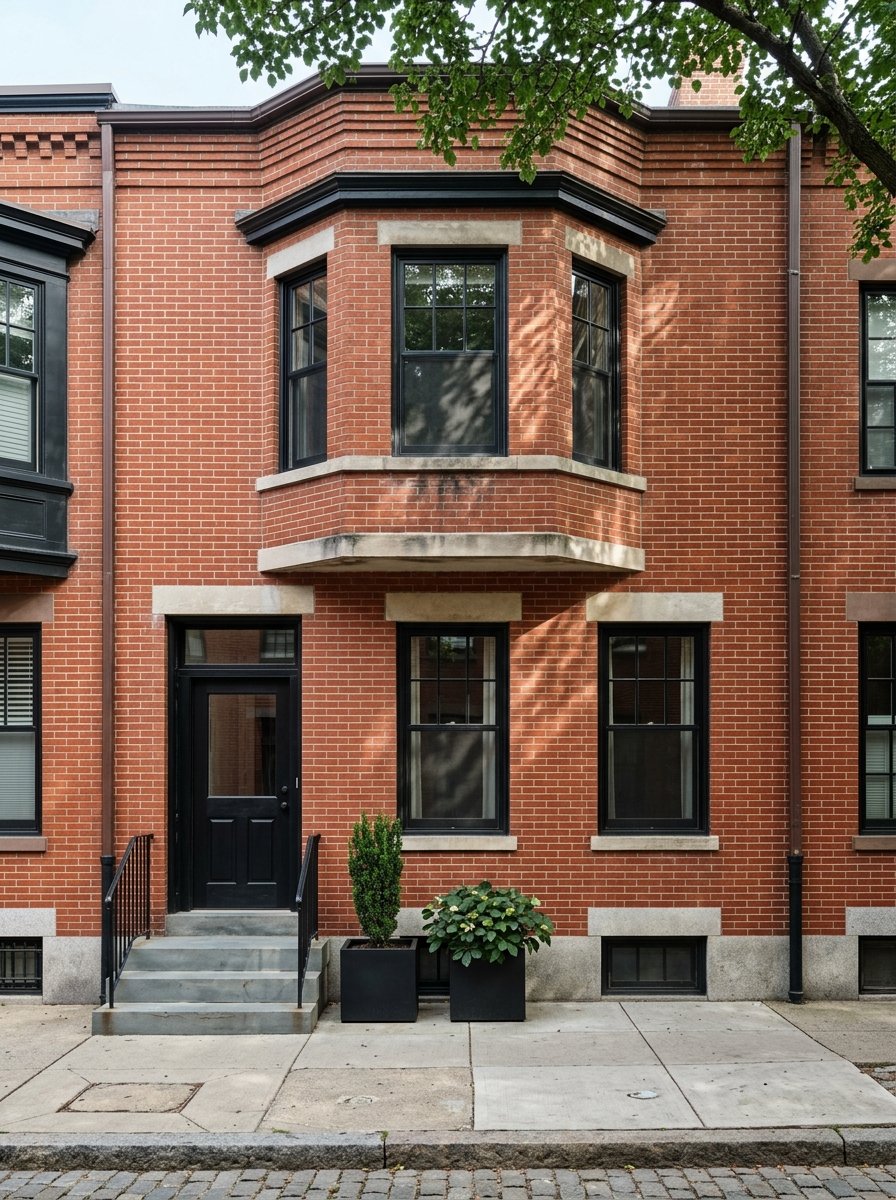
That history shows up clearly in the housing stock. On surrounding blocks, the historic fabric is dominated by 19th-century residential row houses, while U Street itself includes more commercial and institutional buildings from the late 19th and early 20th centuries.
Expect rowhouses, condos, and apartments
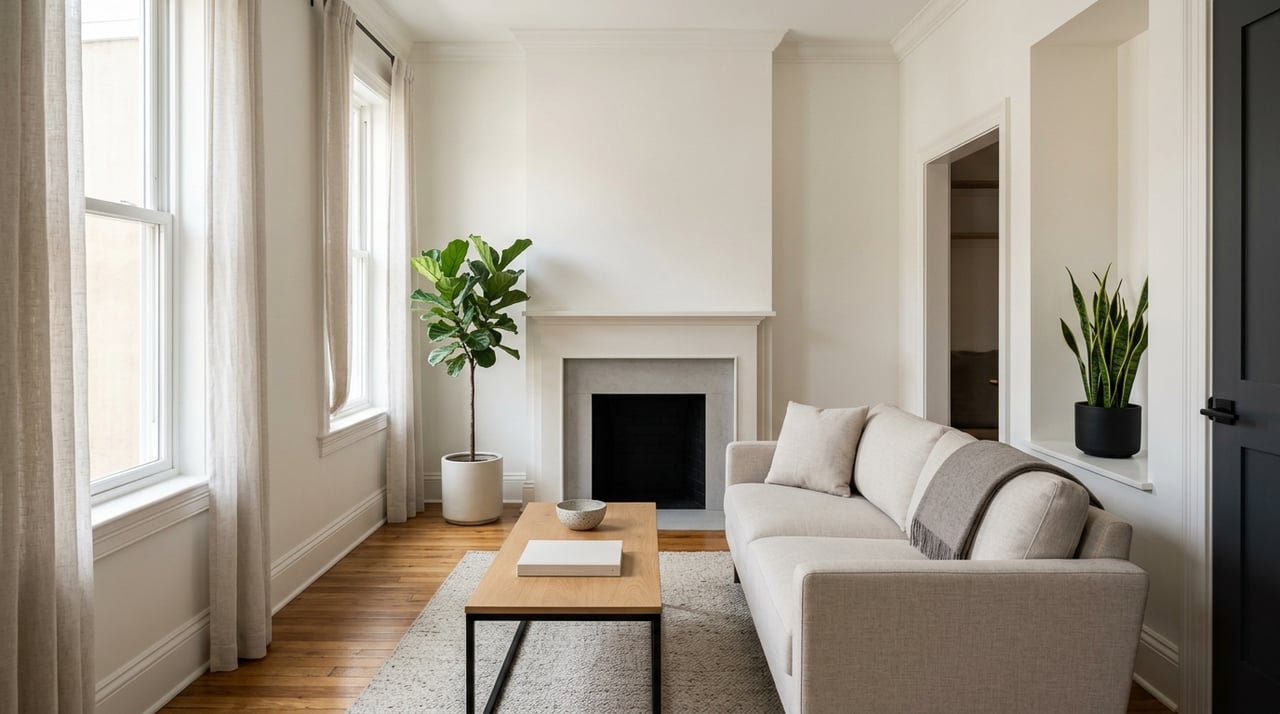
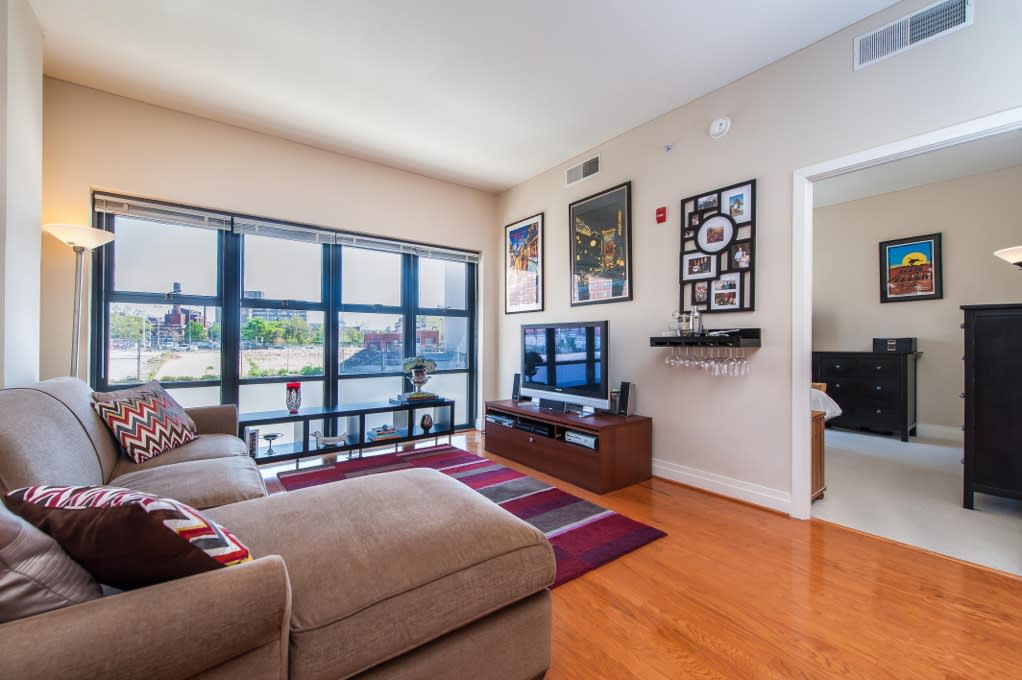
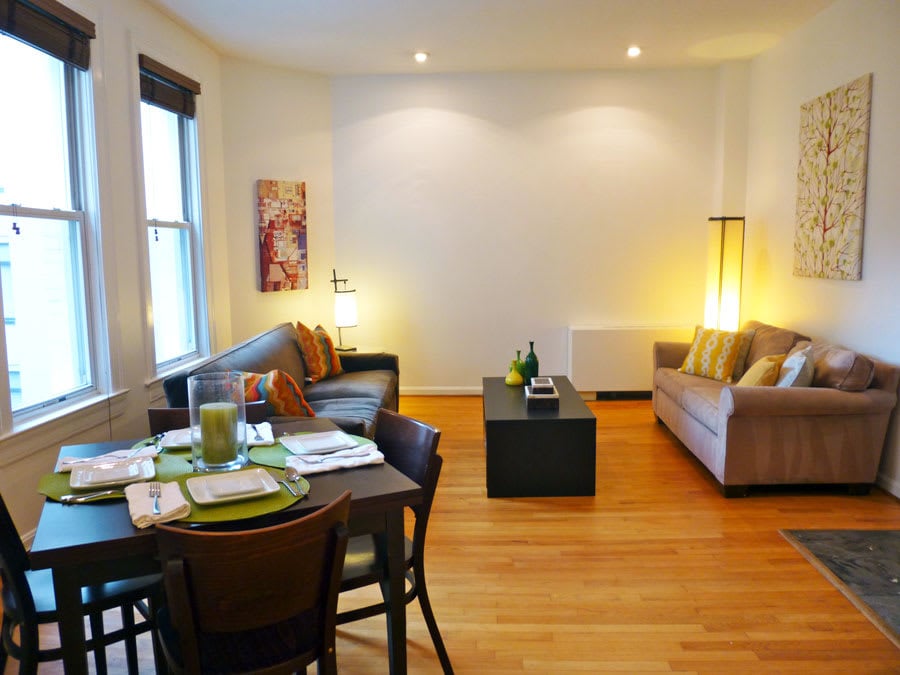
In practical terms, buyers near U Street are more likely to compare rowhouses, condos, and older apartment buildings than detached single-family homes. That follows the documented building mix in the neighborhood and nearby planning materials for Ward 1, which note a combination of rowhouse blocks, commercial cores, and larger apartment buildings along major arteries including 14th and 16th streets.
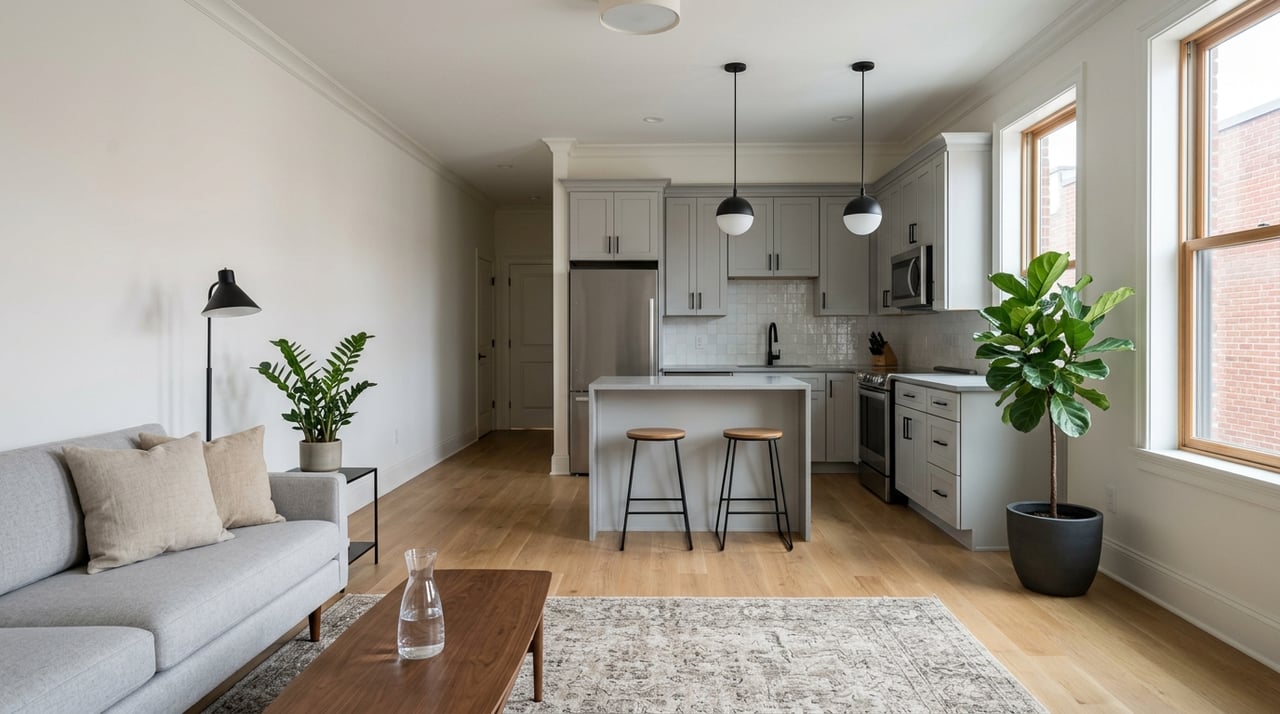
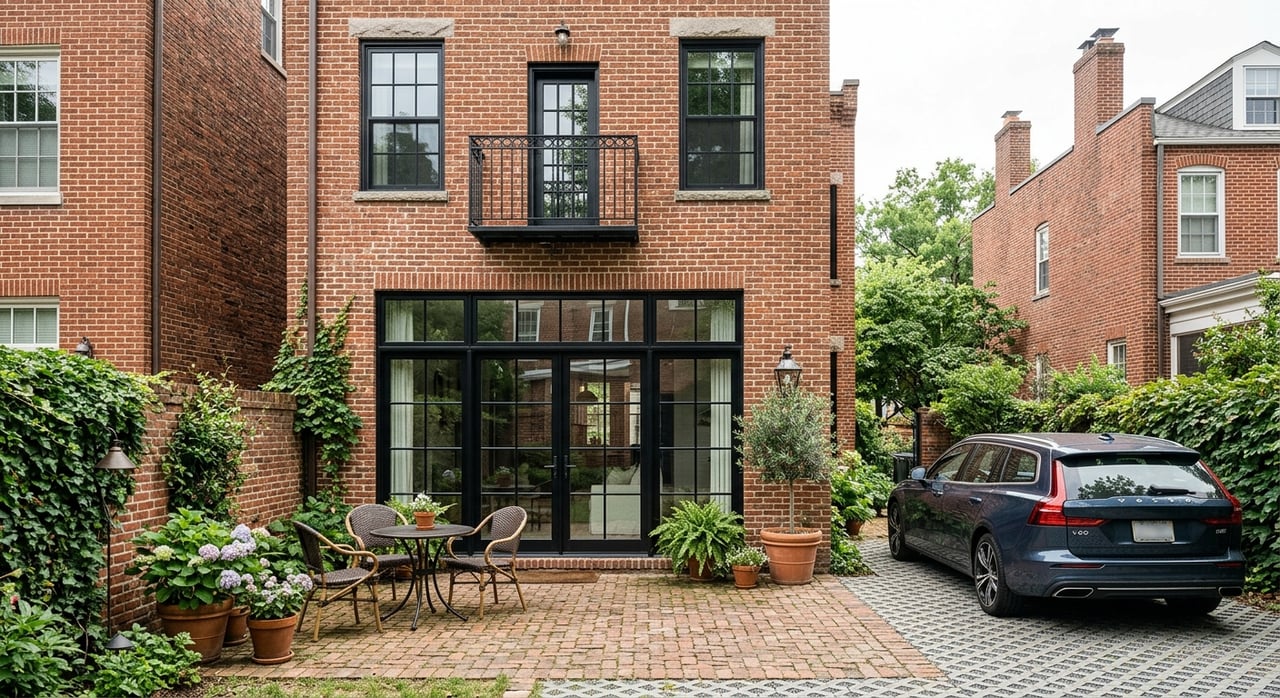
If you are a first-time buyer, that usually means your search may focus on one- and two-bedroom condos, co-ops, or smaller-scale historic residences nearby. If you are looking for more space, nearby rowhouses may offer that next step while still keeping you close to the corridor’s transit and amenities.
Transit, Parking, and Getting Around
For many residents, transit is one of U Street’s strongest advantages. The U Street Metro station serves the Green and Yellow lines, and WMATA specifically notes its connection to the neighborhood’s entertainment district and nearby landmarks like Ben’s Chili Bowl.
That access can make a big difference in your daily routine. You can move around the city without depending on a car, and many of the neighborhood’s best-known destinations are built around walking distance from Metro.
Music venues are closely tied to transit
The Lincoln Theatre sits directly across from the U Street station, and the 9:30 Club notes that it is two blocks from the Green Line station. The Howard Theatre’s tourism listing also places it two blocks from Metro and identifies Shaw-Howard U as the nearest station.
This is one reason U Street feels so connected. The corridor works well for people who want to commute, go out, and meet daily needs on foot or by rail.
Parking takes more planning
If you drive regularly, parking is worth understanding before you buy or rent. In December 2024, DDOT launched the Greater U Street Performance Parking Zone to improve curb availability, reduce congestion, and encourage transit, biking, and walking.
Some blocks now use Permit or Pay rules and demand-based pricing. That does not mean parking is impossible, but it does mean you should think carefully about how often you drive, where you expect to park, and whether your building or block setup supports your routine.
Noise and Lifestyle Tradeoffs
Every neighborhood has tradeoffs, and on U Street, one of the clearest is activity level. Because the corridor is officially described as a nightlife district with bars, nightclubs, and live-music venues, homes directly on the main strip will generally experience more ambient noise and foot traffic than homes on side streets a block or two away.
That is not automatically a negative. For some buyers, being close to the energy is the whole point. For others, the better fit may be a quieter residential block nearby that still keeps the corridor within easy walking distance.
Choosing the right block matters
This is where hyperlocal guidance becomes especially useful. Two homes can be close together on a map but feel very different in person depending on building type, street orientation, and distance from the busiest intersections or venues.
If you are buying in U Street, it helps to think beyond the neighborhood name and focus on the exact block experience. That is often what separates a home you like from one that truly fits how you want to live.
Is U Street Right for You?
U Street can be a strong fit if you want a neighborhood with transit access, architectural character, and a lively mix of culture and convenience. It offers a rare combination of historic identity and everyday usability, especially for buyers who value walkability and want to be close to restaurants, music, and neighborhood retail.
It may be less ideal if you want a very quiet environment right outside your front door or rely heavily on easy car storage. In that case, a nearby residential pocket may offer a better balance while still keeping the best of U Street within reach.
If you are weighing where to buy or sell in Northwest DC, I can help you compare not just properties, but the block-by-block feel that shapes daily life. Whether you are looking for a condo near Metro, a rowhouse on a quieter side street, or a strategy for selling in this fast-moving part of the city, Jen Angotti can help you make your next move with clarity and confidence.
FAQs
What is the U Street Corridor known for in Washington, DC?
- The U Street Corridor is known for its Black Broadway history, live music venues, walkable retail, restaurants, and historic building stock in Northwest DC.
What types of homes are common near DC’s U Street Corridor?
- Buyers near U Street are more likely to find rowhouses, condos, co-ops, and apartment-style homes than detached single-family houses.
How is public transit in the U Street Corridor?
- The neighborhood has strong transit access through the U Street station on the Green and Yellow lines, with several major venues located within a short walk of Metro.
What is parking like in DC’s U Street Corridor?
- Parking is actively managed, and some blocks are part of the Greater U Street Performance Parking Zone with Permit or Pay rules and demand-based pricing.
Is the U Street Corridor noisy to live in?
- Homes on the main corridor generally have more ambient noise and foot traffic because of the area’s nightlife and entertainment uses, while nearby side streets may feel quieter.