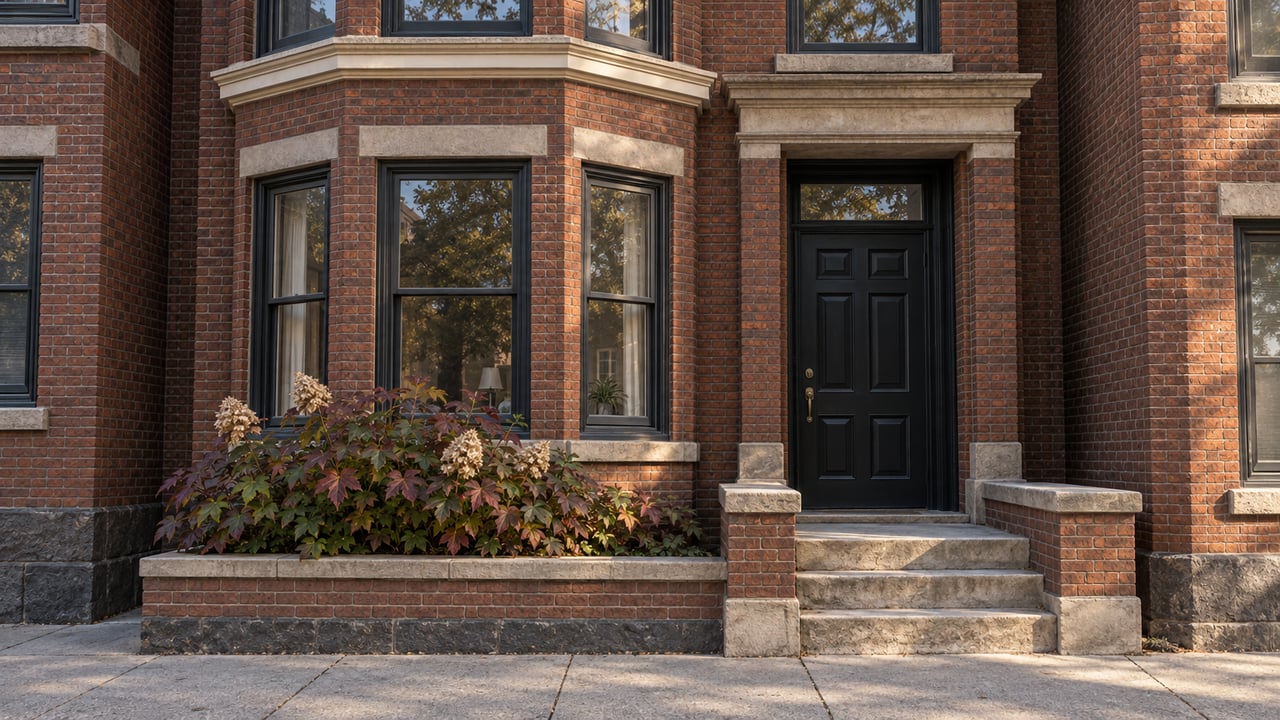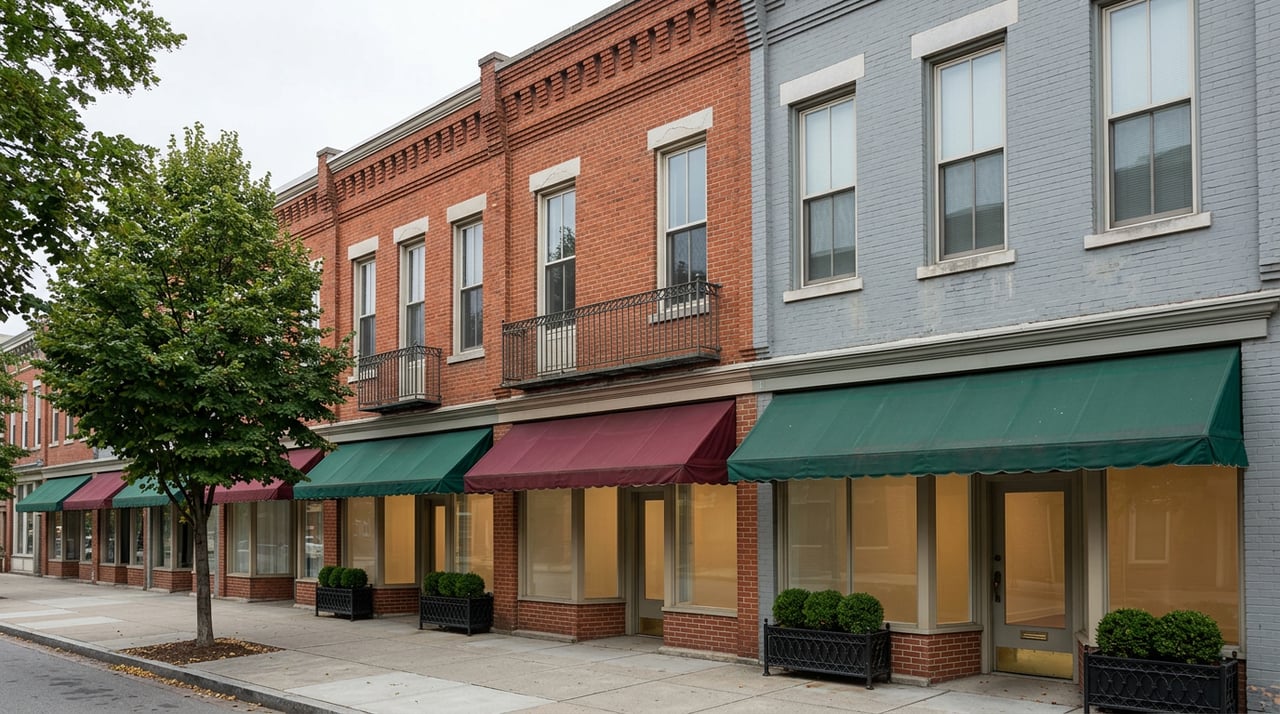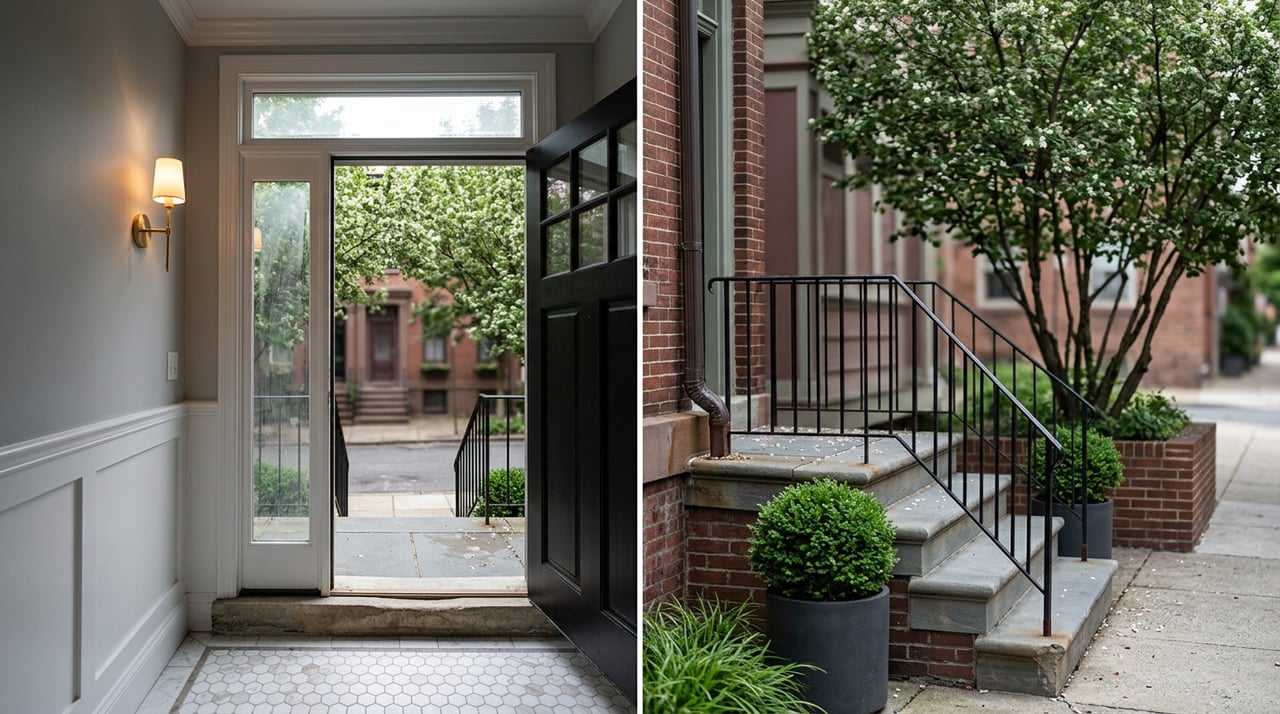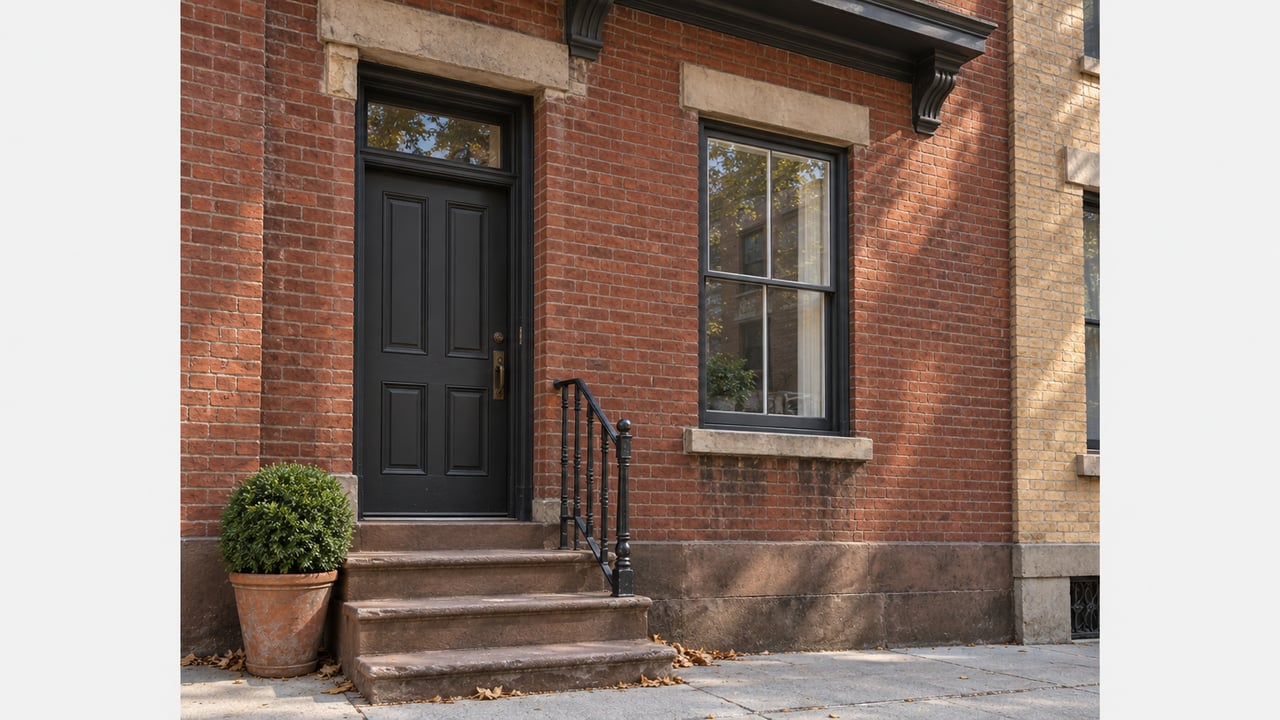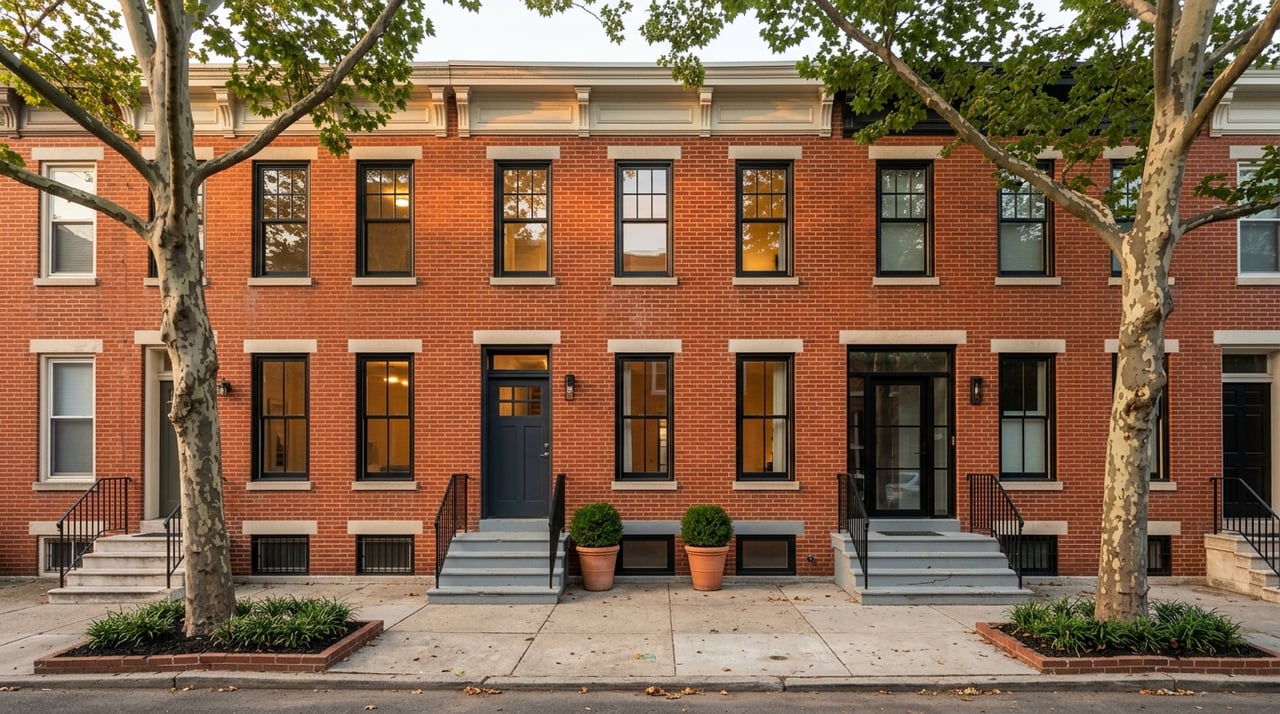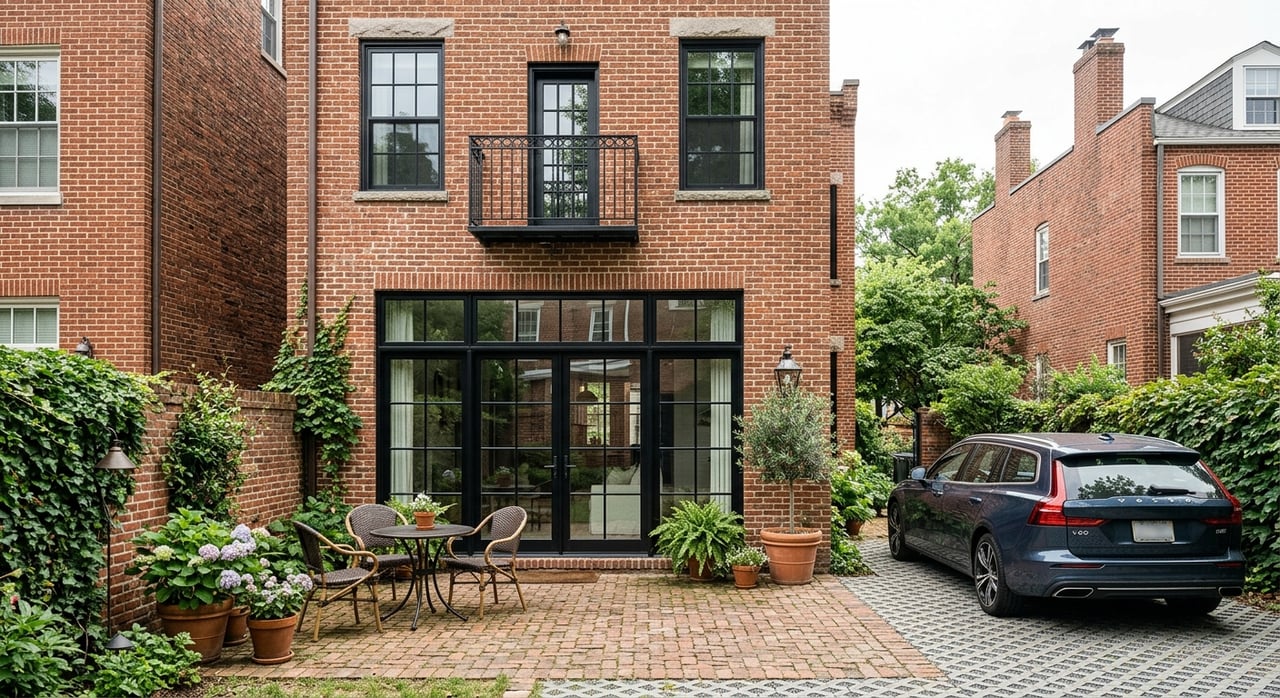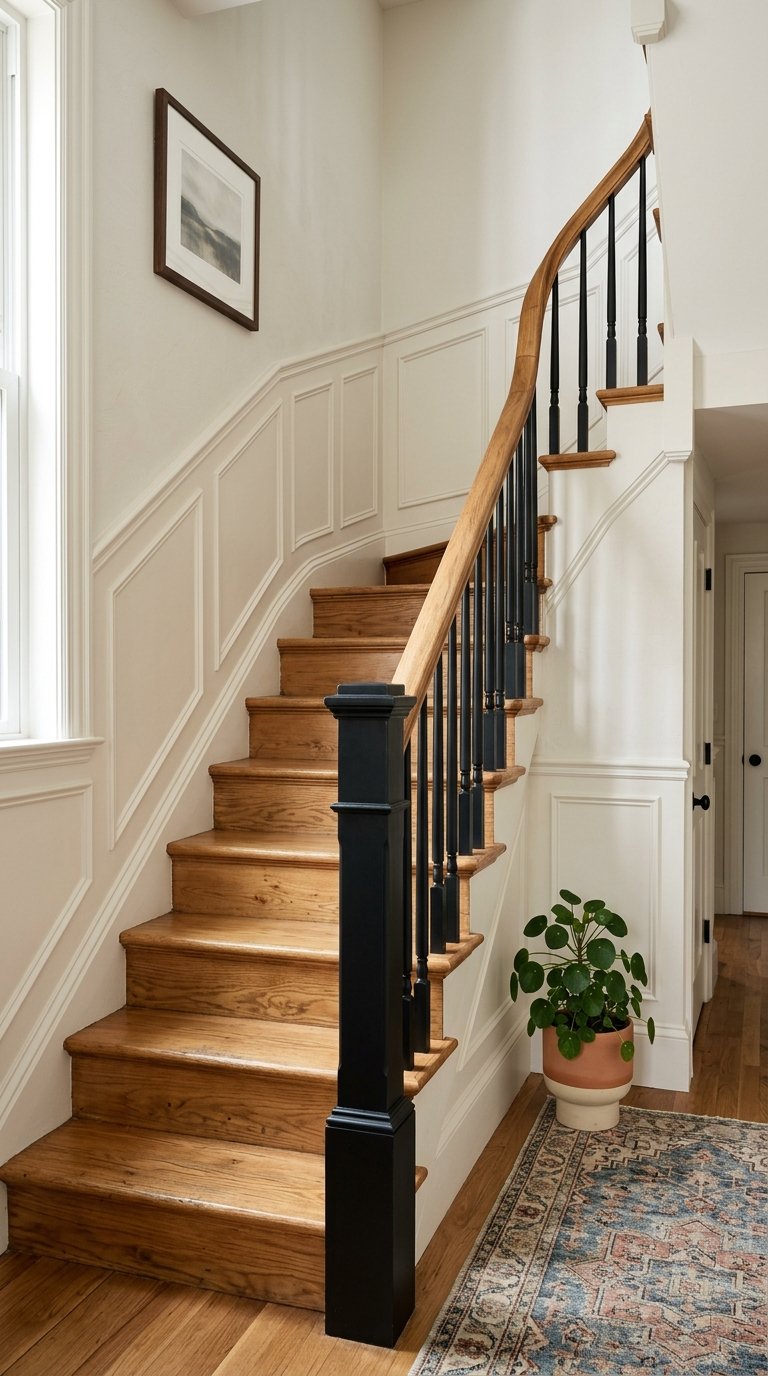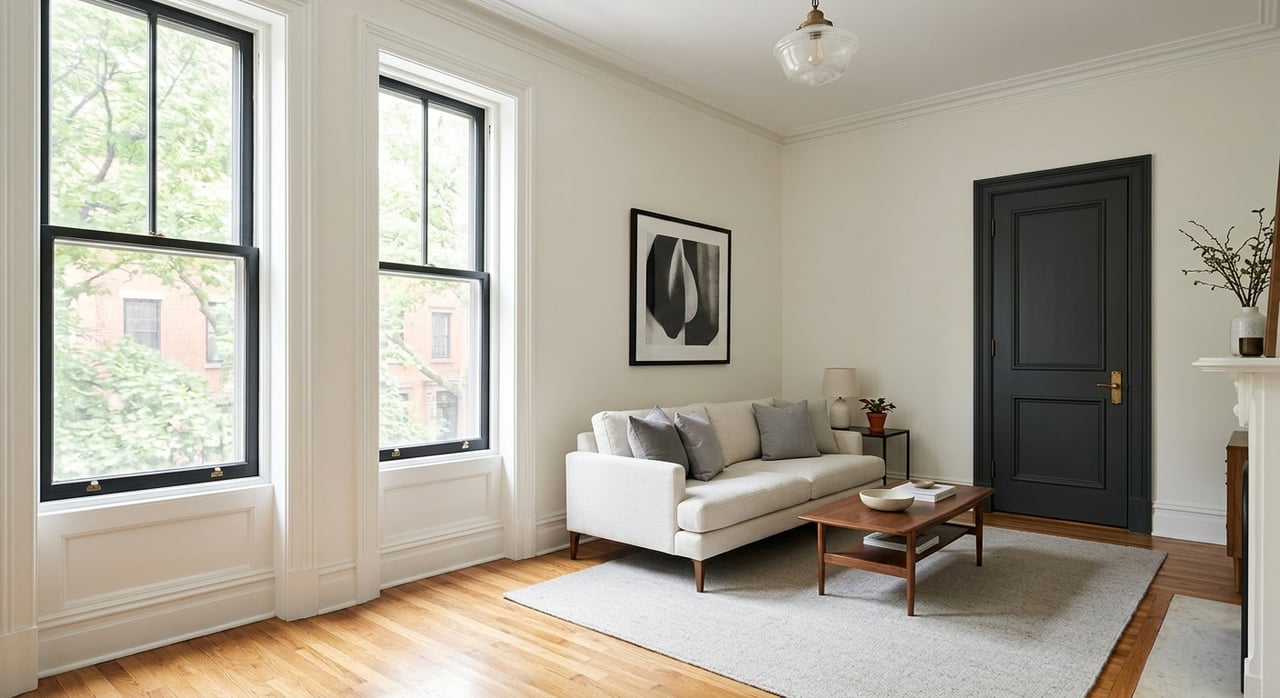
If you are thinking about selling in Columbia Heights, one question matters more than almost anything else: how do you price your home to attract real buyers without leaving money on the table? In this neighborhood, that answer is rarely as simple as pulling a neighborhood average or checking your tax assessment. You need a strategy that reflects your exact property, your real competition, and how buyers are behaving right now. Let’s dive in.
Columbia Heights pricing is hyperlocal
Columbia Heights is a dense, transit-oriented part of Ward 1 with major commercial corridors along 11th, 14th, and 16th Streets and access to the Columbia Heights Metro on the Green and Yellow lines. DC planning materials also note that the District does not use official neighborhood boundaries, which matters when you are trying to decide which recent sales actually compete with your home.
In practice, that means a condo near 14th Street may be competing with a different buyer pool than a rowhouse closer to another corridor. It also means you cannot rely on a strict neighborhood label alone. In Columbia Heights, pricing works best when it is built around street-level competition and true buyer alternatives.
Why broad market headlines can mislead sellers
At first glance, the wider DC market can look fast. Bright MLS and Compass reported 10,340 active listings, 2.52 months of supply, and 8 median days on market for the DC metro in April 2026.
But Columbia Heights is telling a more specific story. Redfin showed a March 2026 median sale price of $653,600 in Columbia Heights, with 112 median days on market and 61 homes sold. For condos, Redfin showed 91 condos for sale at a median listing price of $500,000, with condos typically selling in about 55 days and receiving about one offer.
That spread is the reason local analysis matters. A seller who hears that the “DC market is moving fast” could overprice and lose momentum. A seller who understands the Columbia Heights micro-market can position the home much more effectively.
Start with the right competitive set
A smart pricing strategy starts by deciding what your home is actually competing against. In Columbia Heights, that usually means separating rowhouses from condos and comparing homes with similar condition, layout, and features.
National pricing guidance supports that approach. The strongest comparables are the ones most similar in location, size, condition, and features, with adjustments made for meaningful differences. In Columbia Heights, those differences often include:
- Renovation level
- Bedroom and bathroom count
- Layout efficiency
- Parking
- Private outdoor space
- Bonus or lower-level flex space
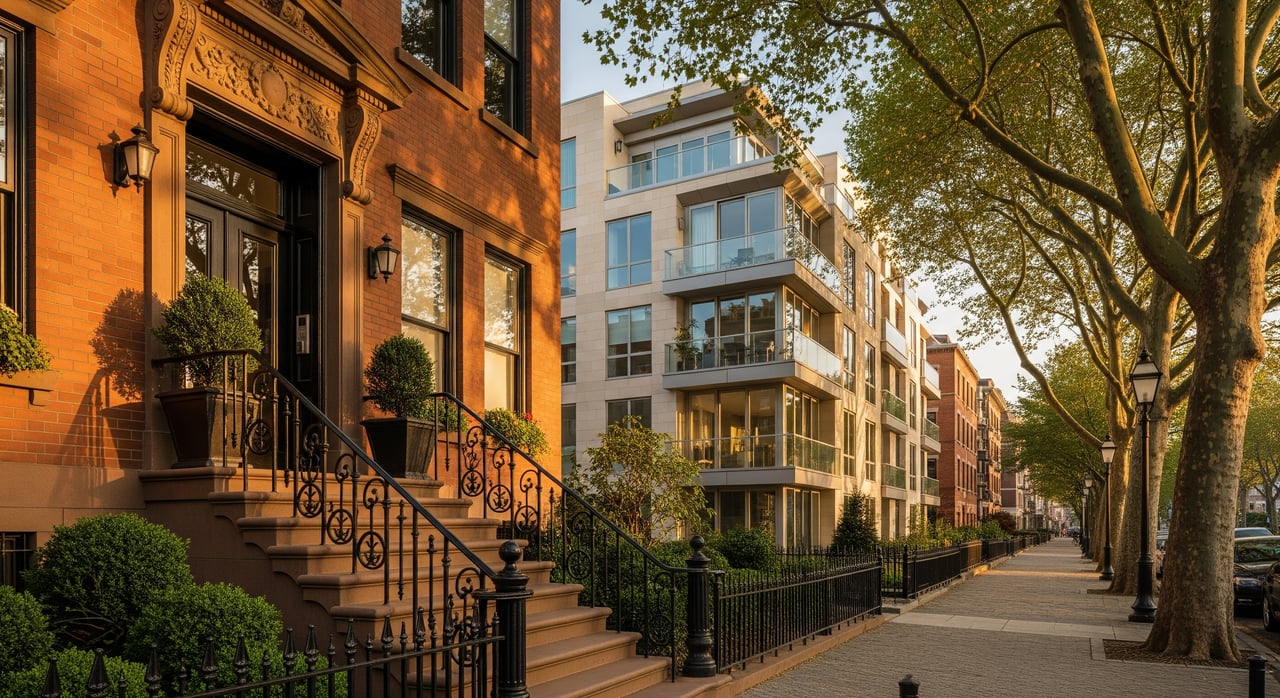
This matters because the neighborhood has a wide range of inventory. Current listings can include newer-style condos, two-bedroom units on major streets, and larger rowhomes priced above $1 million. That range is exactly why a micro-CMA is more useful than a neighborhood average.
Tax assessment is not your list price
A common seller question in DC is whether the tax assessment should guide the asking price. The short answer is no.
The DC Office of Tax and Revenue says assessments are annual estimates of market value based on values as of January 1. They are useful as background information, and OTR provides a property-value database along with property worksheets and area sales lists. But an assessment is not the same thing as a live market analysis.
Your list price should reflect what current buyers are doing now, not what an annual tax estimate suggested months earlier. A real pricing strategy uses recent sold properties, current competition, and the specific condition and features of your home.
Columbia Heights sellers need street-level comps
Because DC does not use official neighborhood boundaries, sellers should be careful about drawing comp lines too broadly. Columbia Heights also has meaningful variation by corridor. Planning materials note that 11th Street is preserved as a neighborhood shopping district, while 14th Street has seen public-realm improvements and redevelopment.
That means two homes with similar square footage can perform differently depending on where they sit and what buyers are cross-shopping nearby. A smart seller looks beyond the label and asks: what else would my buyer consider if they skipped my home? That is the comp set that matters most.
Nearby neighborhoods can distort expectations
It is easy to look at nearby areas and assume the numbers should carry over. But nearby submarkets are pricing very differently.
In March 2026, Redfin reported Logan Circle at a median sale price of $825,000 with 92 days on market, U Street at $675,000 with 109 days, Park View at $654,000 with 128 days, and Mount Pleasant at $1.3 million with 60 days. Those are meaningful differences in both price and pace.
For a Columbia Heights seller, the takeaway is simple: your home should be compared to the right property type in the right micro-market. The closest neighborhood name is not always the best benchmark.
Smart pricing is also a marketing decision
Pricing and marketing should work together, not as two separate steps. In a neighborhood where buyers may be comparing many similar condos and rowhouses, your presentation affects how buyers interpret the price.
NAR’s 2025 staging survey found that 83% of buyers’ agents said staging made it easier for buyers to visualize a home as their future home. The same survey found that 49% of sellers’ agents said staging reduced time on market, and 29% said it increased dollar value offered by 1% to 10%.
That is why launch quality matters. If your home enters the market with weak photos, cluttered rooms, or unclear room purpose, buyers may see the list price as too high even if the numbers are technically defensible.
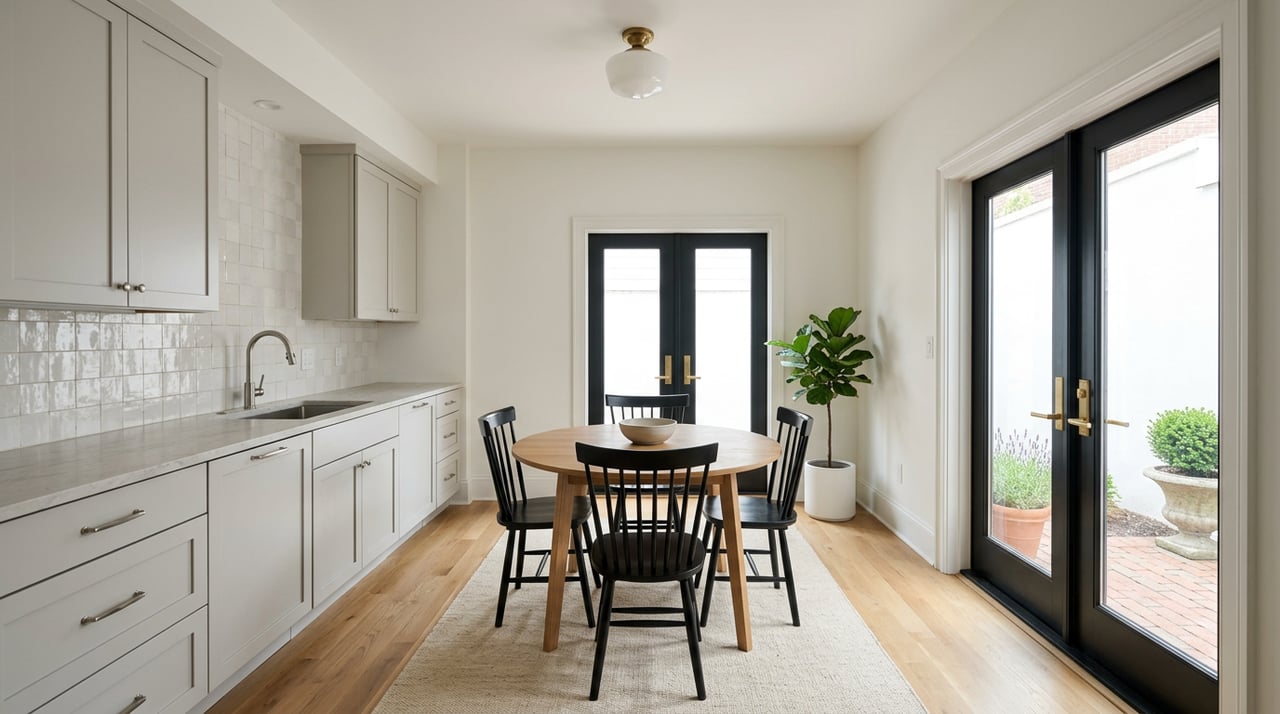
Staging should highlight how the home lives
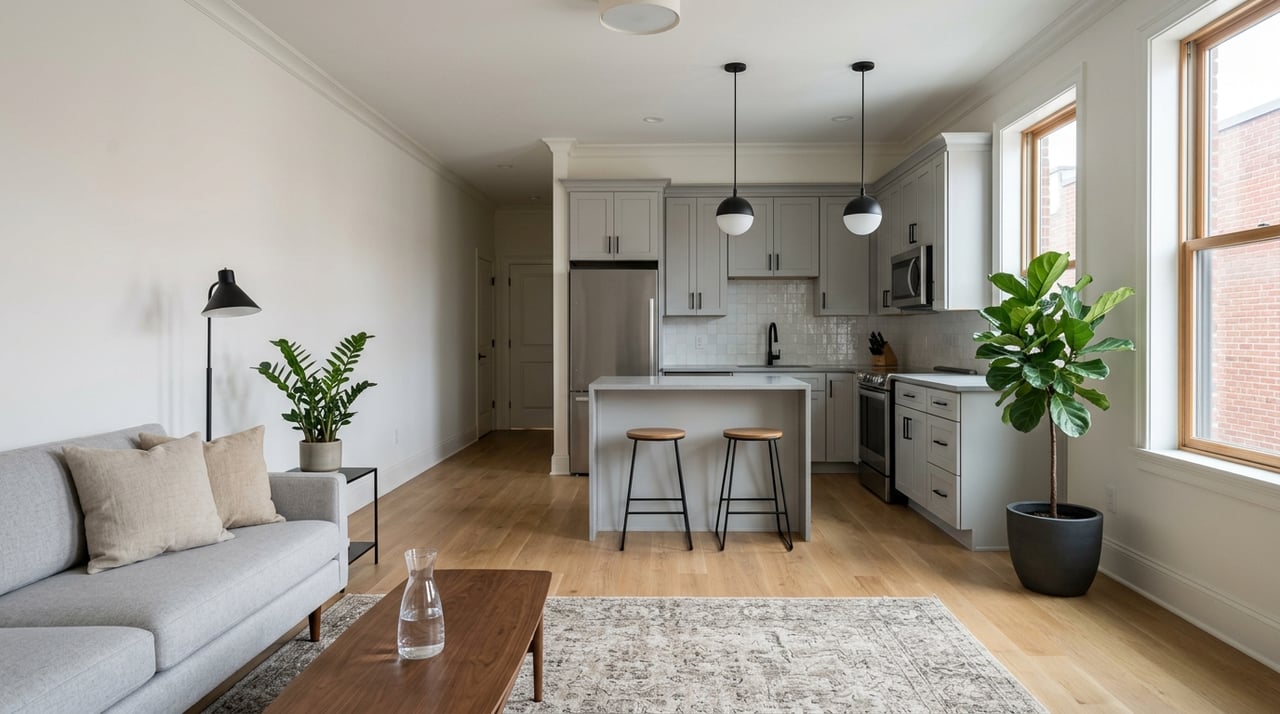
In Columbia Heights, buyers often make quick judgments about flow, light, and functionality, especially in compact urban homes. That makes staging especially important for both condos and rowhouses.
According to NAR’s staging guidance, the rooms that matter most are the living room, primary bedroom, and kitchen. Those spaces often set the tone for how buyers view the rest of the home.
A few staging priorities usually make the biggest difference:
- Declutter and remove personal items
- Use neutral presentation
- Make each room’s purpose clear
- Show flexible areas as office or bonus space when appropriate
- Keep surfaces clean and open to improve the sense of space
When buyers can quickly understand how the home functions, they are more likely to connect emotionally and view the price as justified.
Lead with the features buyers notice first
For a Columbia Heights listing, the first photo set should make the home’s differentiators obvious. Buyers are often scrolling through many options before they ever schedule a showing, so the listing needs to answer a few key questions immediately.
If your home has an updated kitchen, renovated baths, parking, private outdoor space, or flexible lower-level space, those features should be easy to spot right away. In this market, strong photography, thoughtful staging, and clear positioning help your home stand out before the first showing even happens.
You are competing with more than resale homes
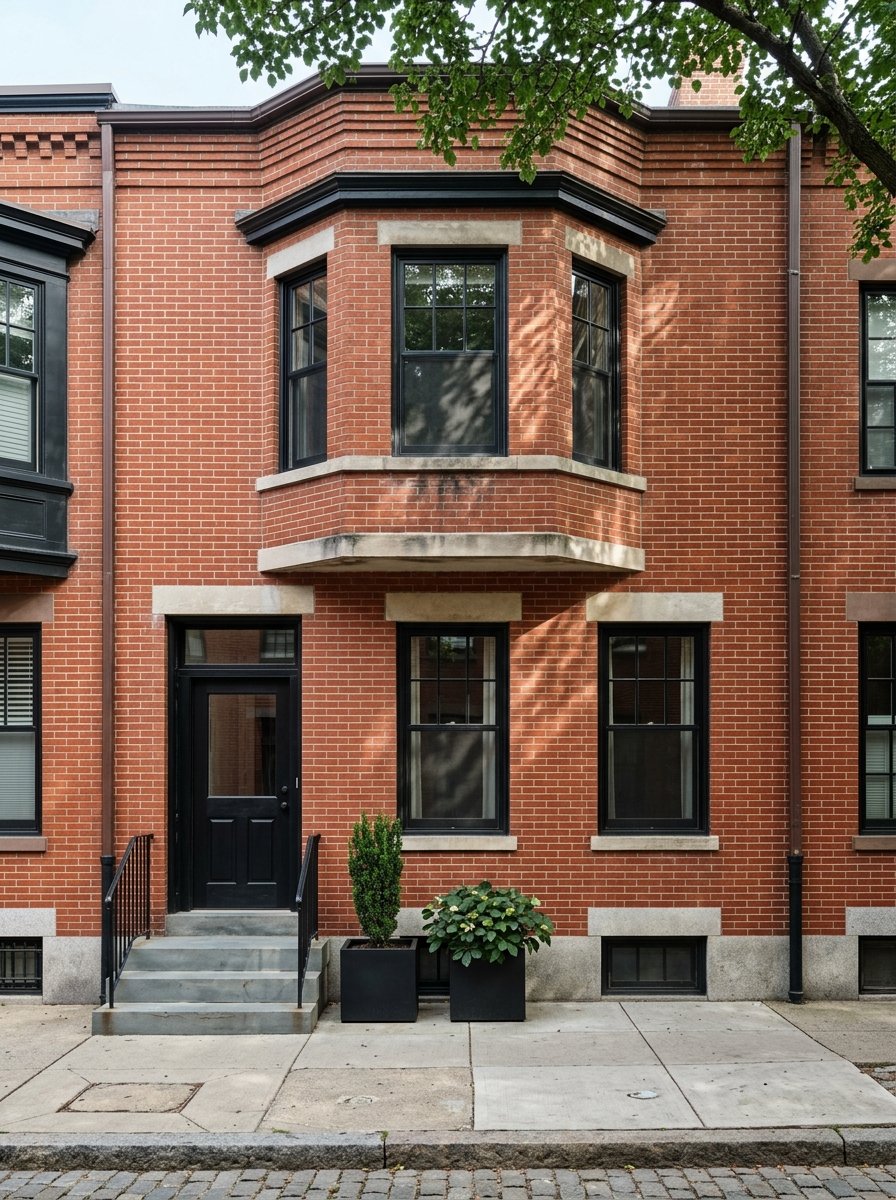
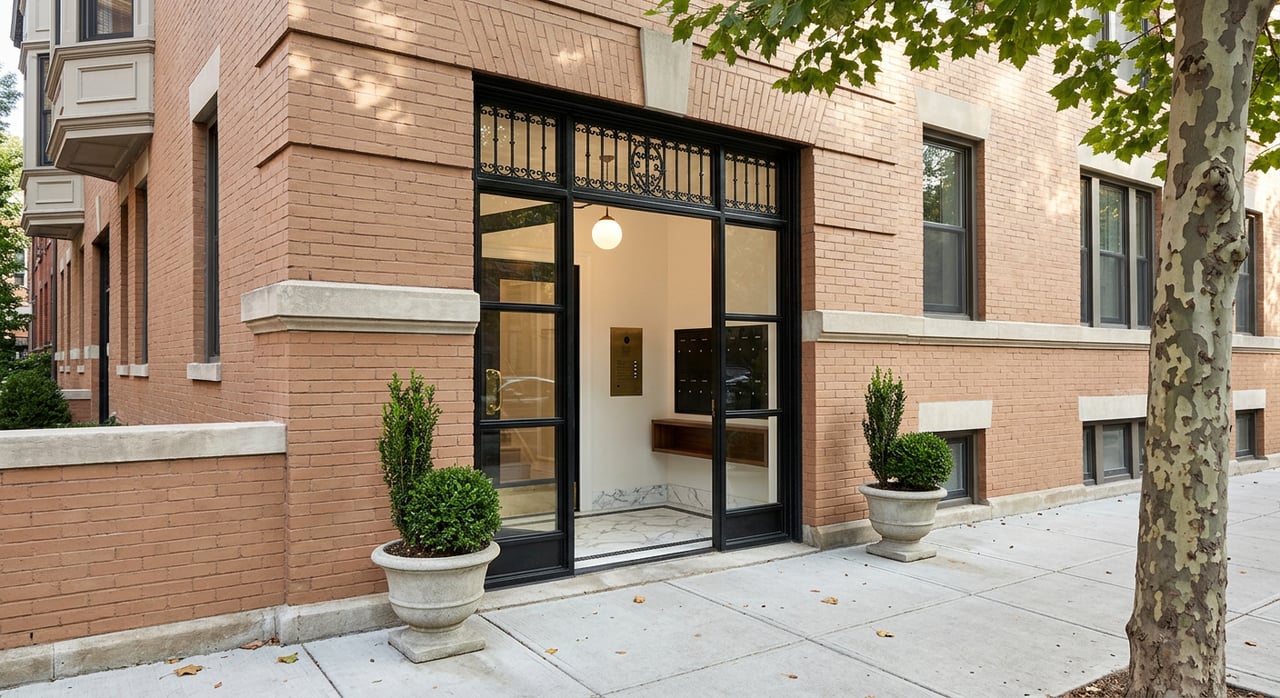
Columbia Heights has enough active inventory that sellers are competing against a broad product mix. That includes older homes, renovated resale properties, and newer-feeling homes shaped by the neighborhood’s continuing development.
Planning materials describe Columbia Heights as changing rapidly, with new housing and retail development and long-term public investment, especially along 14th Street. That means a renovated older property may compete directly with newer product based on finishes, convenience, and overall presentation.
The practical goal is not to beat every listing in the neighborhood. It is to identify your competitive set and price to win within that group.
What smart seller prep looks like
Most sellers want help with pricing, marketing, timeline, and deciding what to fix before listing. In Columbia Heights, those pieces are closely connected.
A strong listing plan usually includes:
- A data-driven CMA built from similar sold, active, and under-contract homes
- Advice on repairs or cosmetic improvements before launch
- Staging focused on key rooms and clear room function
- Professional photography and strong listing media
- Launch timing based on nearby competition
- Ongoing pricing feedback once the home hits the market
That coordination matters because the first days on market often shape the rest of the sale. The better your preparation, the more confidence buyers tend to have in both the home and the asking price.
The goal is not just to list
A smart Columbia Heights selling strategy is not about chasing the highest possible number on day one. It is about creating the right mix of price, presentation, and positioning so buyers respond.
When your home is priced against the right competition, staged to show its best features, and marketed clearly from the start, you give yourself a much better chance of attracting serious interest without unnecessary time on market. In a neighborhood with varied inventory and shifting block-by-block dynamics, that kind of strategy can make a meaningful difference.
If you are getting ready to sell in Columbia Heights, Jen Angotti can help you build a pricing and marketing plan that fits your home, your timeline, and the way buyers are shopping right now.
FAQs
How should a Columbia Heights seller price a home?
- A Columbia Heights seller should price a home using a micro-level comparative market analysis based on similar sold, active, and under-contract properties, with adjustments for condition, layout, parking, outdoor space, and property type.
Does a DC tax assessment determine a Columbia Heights list price?
- No. The DC Office of Tax and Revenue says assessments are annual estimates of market value for tax purposes, while a list price should reflect current buyer behavior and current competing listings.
What comps matter most for Columbia Heights sellers?
- The most useful comps for Columbia Heights sellers are nearby properties with similar location, size, condition, and features, especially within the same property type such as condo-to-condo or rowhouse-to-rowhouse comparisons.
Does staging help Columbia Heights homes sell?
- Yes. NAR’s 2025 staging survey found that staging can help buyers visualize the home, may reduce time on market, and can support stronger offers when paired with strong marketing.
What features should Columbia Heights sellers highlight in marketing?
- Columbia Heights sellers should highlight features such as updated kitchens and baths, parking, private outdoor space, efficient layout, and any bonus or lower-level flex space that helps the home stand out from similar listings.