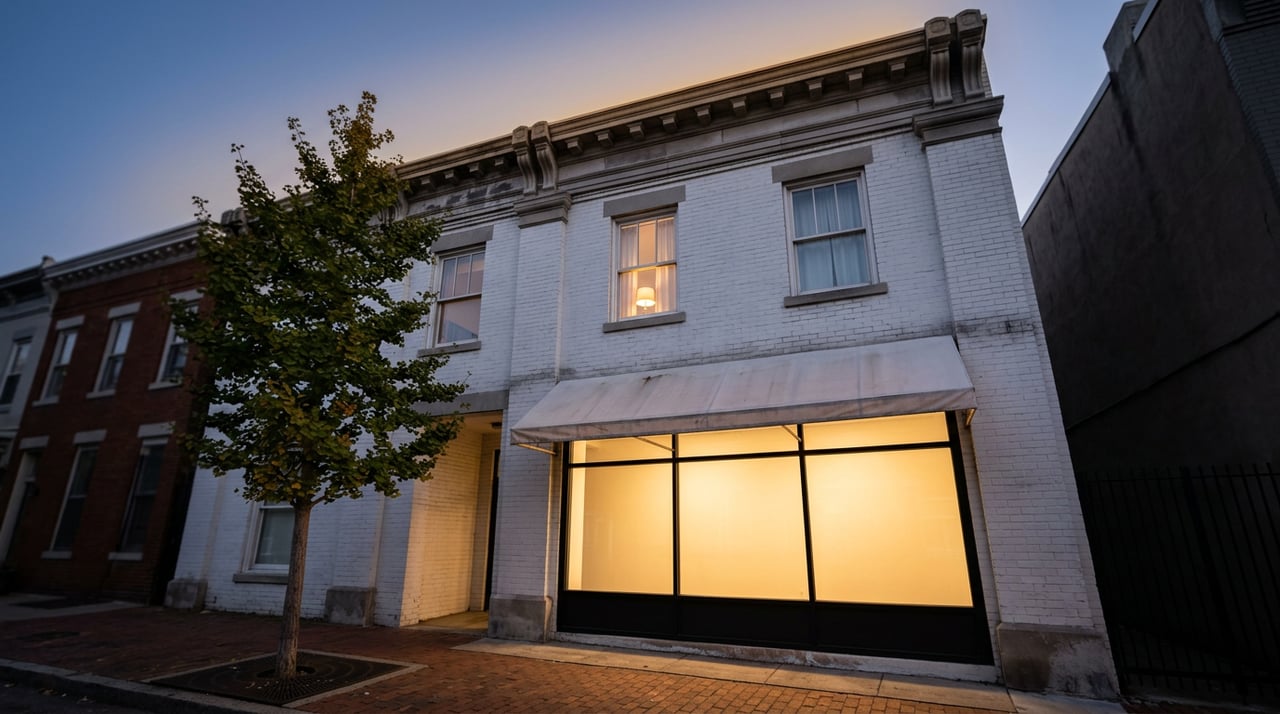
If you want a DC neighborhood where daily life feels easy without feeling generic, Columbia Heights deserves a close look. This is one of those places where you can grab coffee, pick up groceries, hop on Metro, and meet friends for dinner without turning your whole day into a commute. If you are trying to picture what living here actually feels like, this guide will help you understand the rhythm, housing mix, and lifestyle that shape Columbia Heights. Let’s dive in.
Columbia Heights feels connected
One of the biggest reasons people choose Columbia Heights is convenience. The neighborhood is built around the Columbia Heights Metro station at 14th and Irving, with access to the Green and Yellow lines. That transit core helps make the area feel plugged into the rest of DC while still functioning like a neighborhood with its own identity.
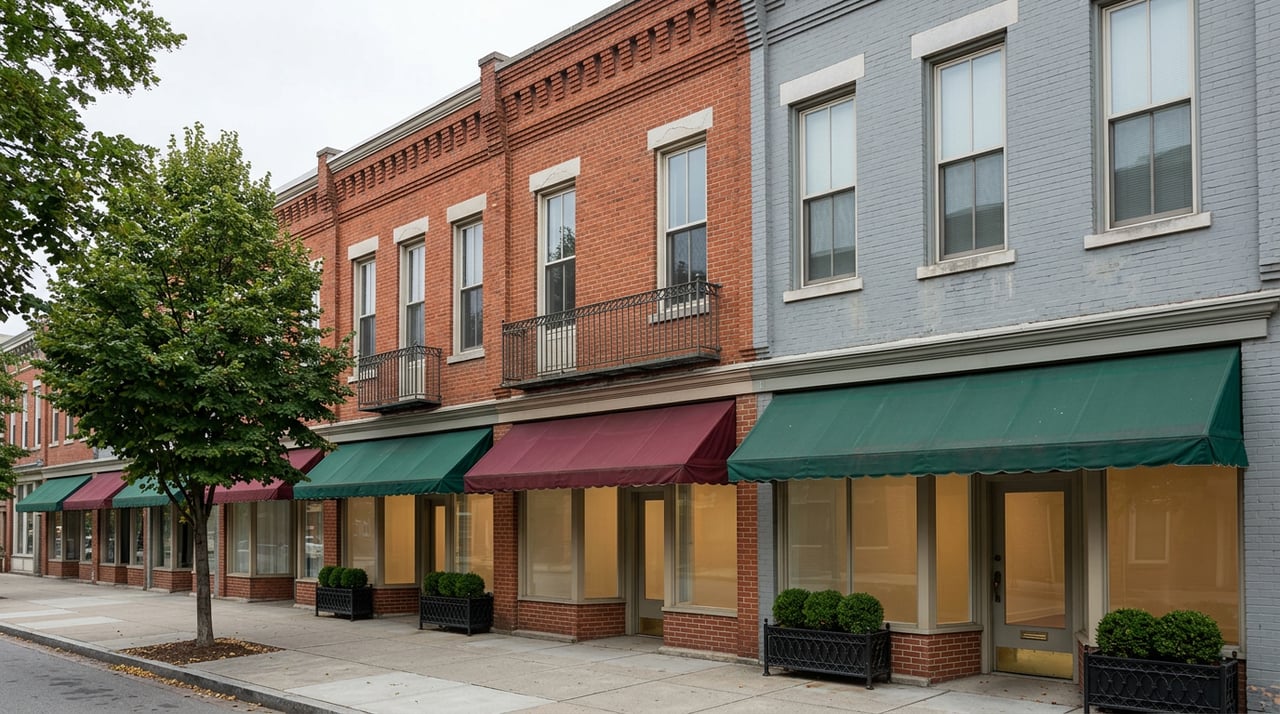
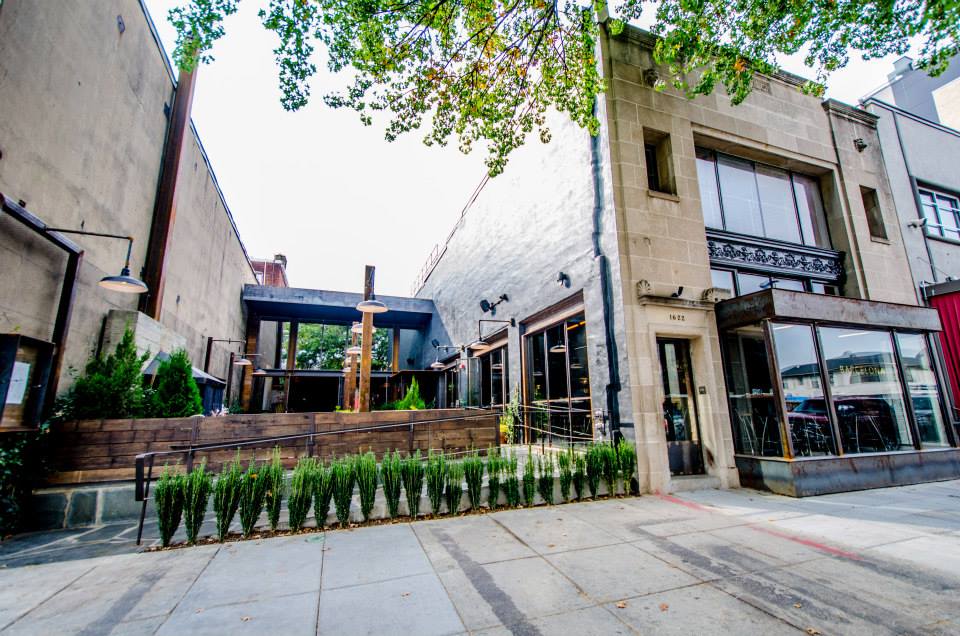
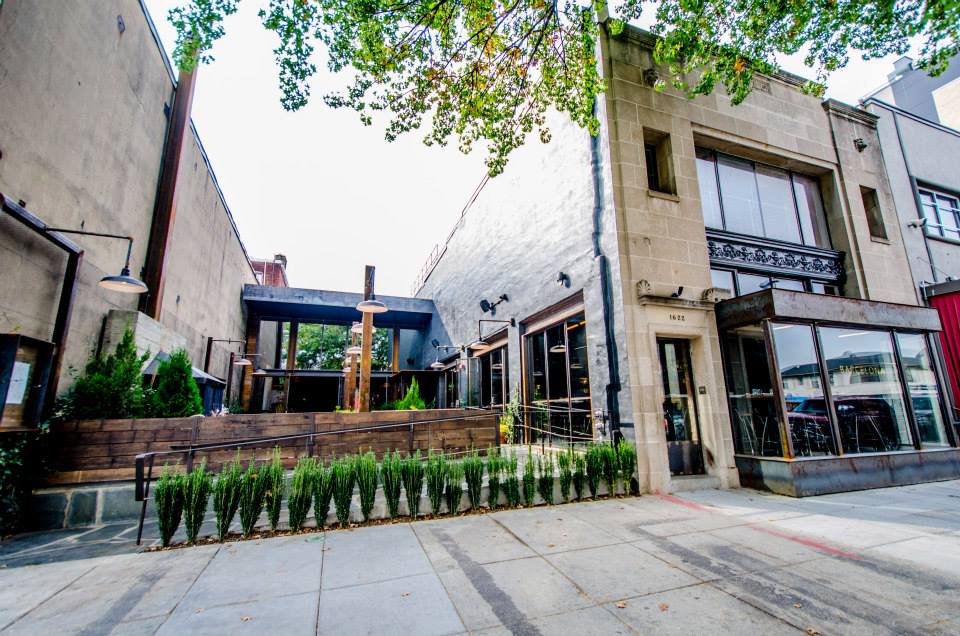
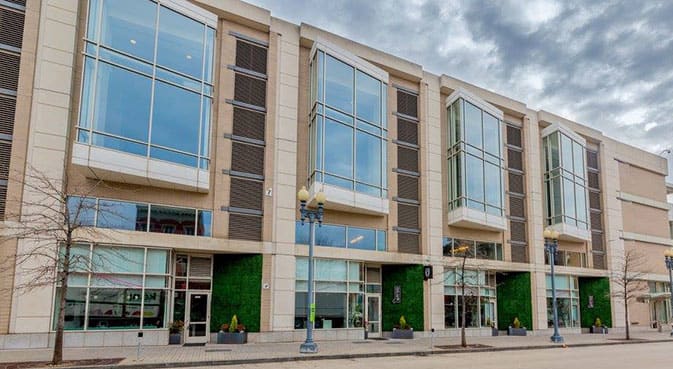
You also feel that connection above ground. The 14th Street corridor brings together retail, restaurants, public spaces, and apartment buildings in a way that supports a more car-light lifestyle. DC planning has long framed this part of Ward 1 around mixed-use development, pedestrian priority, and transit convenience, and you can see that approach in the way the neighborhood works day to day.
Daily life is very walkable
If you value walkability, Columbia Heights checks that box in a big way. The neighborhood is widely reported to have a Walk Score in the mid-to-high 90s, and many of the daily stops people care about are close together. That means errands can feel manageable, even on a busy week.
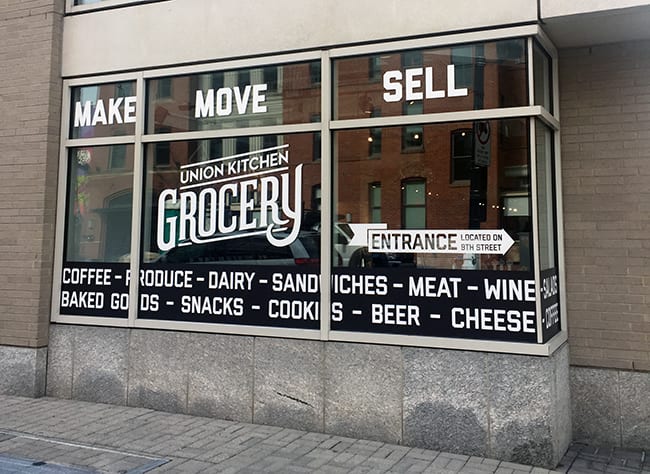
In practical terms, that might look like grabbing breakfast, stopping by the grocery store, and making it to Metro all within a few blocks. The local business district includes major shopping anchors like Target, Marshalls, Best Buy, Giant, and Lidl, along with smaller neighborhood spots like Odd Provisions. For many buyers and renters, that level of convenience is a major part of the appeal.
Biking is part of the picture too. DDOT says Capital Bikeshare includes more than 700 stations across the region, and WMATA notes bikeshare access plus 15 bike racks at the Columbia Heights station. If you prefer to mix walking, biking, and transit, the neighborhood gives you options.
The neighborhood has a real weekly rhythm
Columbia Heights is not just convenient. It also has the kind of everyday rhythm that helps a place feel lived in instead of transactional. You see that in recurring community touchpoints like the FRESHFARM Columbia Heights market on Civic Plaza and Columbia Heights Green, a community-run urban farm on 11th Street.
These kinds of places matter because they break up the routine of work and errands. They give you ways to spend time in the neighborhood that are not only about shopping or commuting. For many people, that mix of practicality and local texture is what makes Columbia Heights feel more personal.
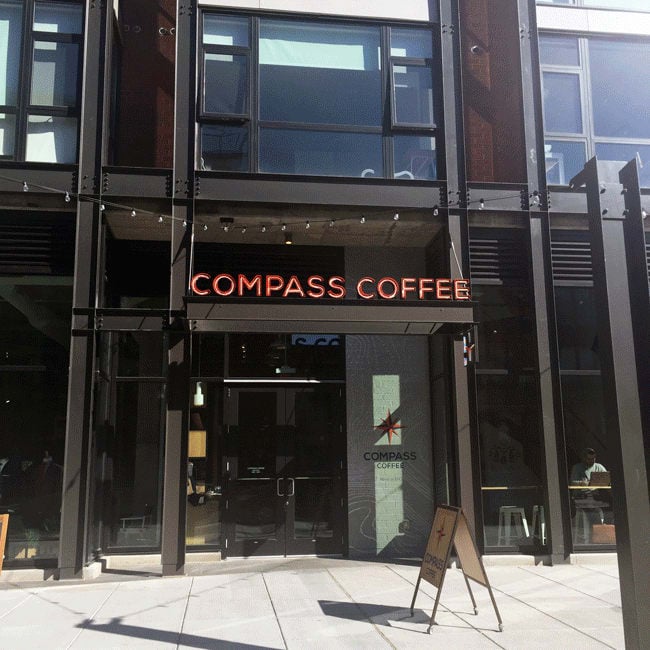
Food and coffee are part of the draw
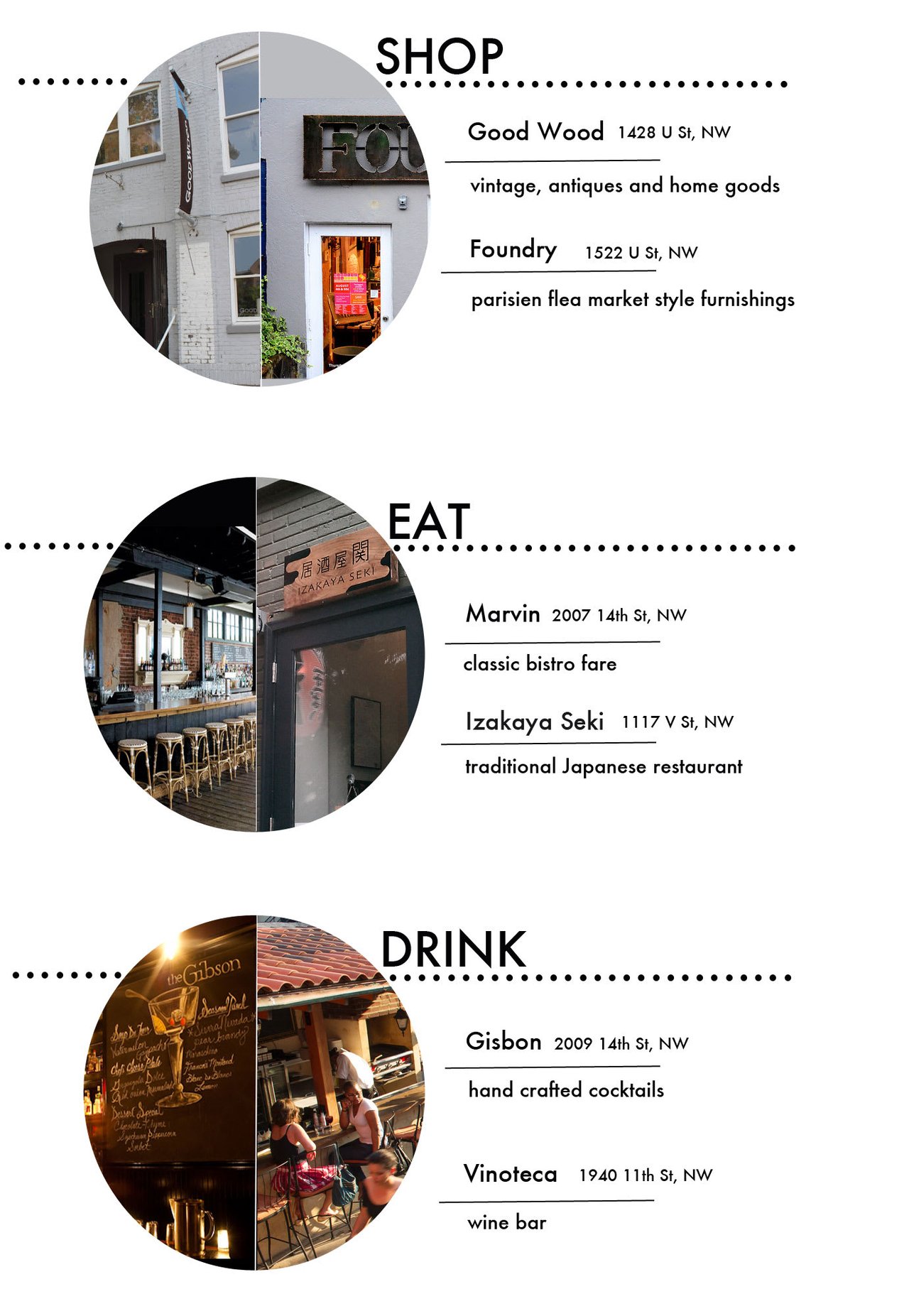
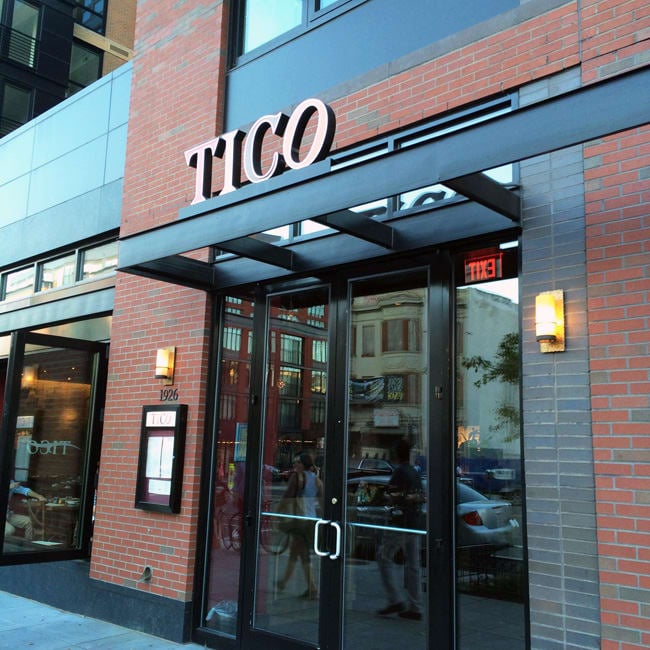
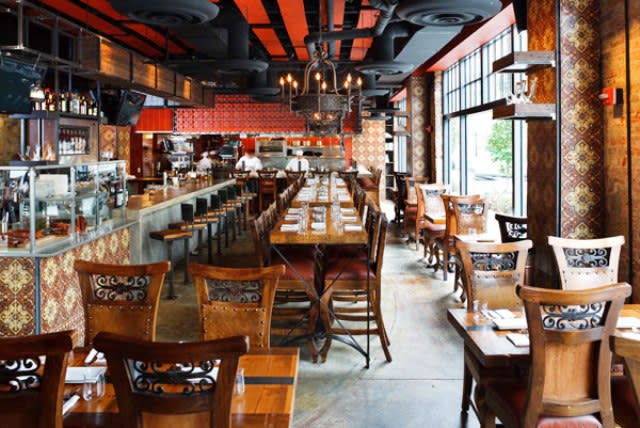
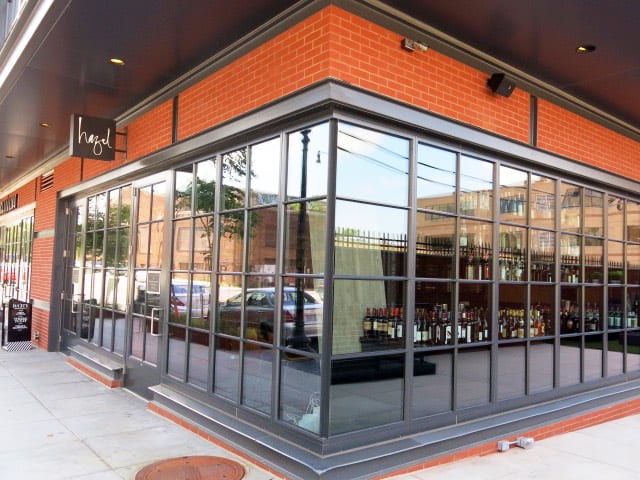
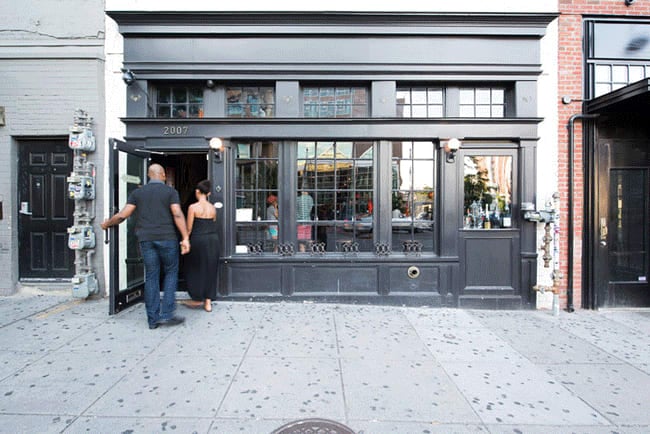
If you like neighborhoods where you can keep your options casual and local, Columbia Heights has a lot going for it. Washington.org describes the area as a place where you move between 11th Street, 14th Street, and nearby Mount Pleasant for global cuisines, late-night bites, and casual bars. In other words, the food scene is spread through the neighborhood rather than limited to one polished strip.
Current local fixtures help tell that story. The Coupe serves as a diner, coffee house, and bar, which makes it the kind of place that can fit into different parts of your day. Thip Khao brings a well-known Lao dining option to 14th Street, and The Wonderland Ballroom adds a neighborhood hangout feel with live music, comedy, and a beer garden.
That variety is part of what makes living here feel flexible. You can keep things low-key on a weeknight, meet friends nearby on a Friday, or wander into Mount Pleasant or Adams Morgan when you want a change of scenery. Columbia Heights gives you options without requiring a lot of planning.
Culture and community are visible
Some neighborhoods feel active because they are busy. Columbia Heights feels active because public life is visible. The neighborhood includes spaces and events like Columbia Heights Day, the Columbia Heights Civic Plaza, GALA Hispanic Theatre, and BloomBars, all of which contribute to a sense that people gather here for more than errands.
That community orientation is part of the broader Ward 1 context too. DC planning notes that nightlife energy extends south into the U Street Corridor, and Columbia Heights sits among several of the ward’s best-known residential neighborhoods. If you like having access to activity and cultural venues while still living in a place with a neighborhood feel, that balance is a real strength.
Housing in Columbia Heights is mixed
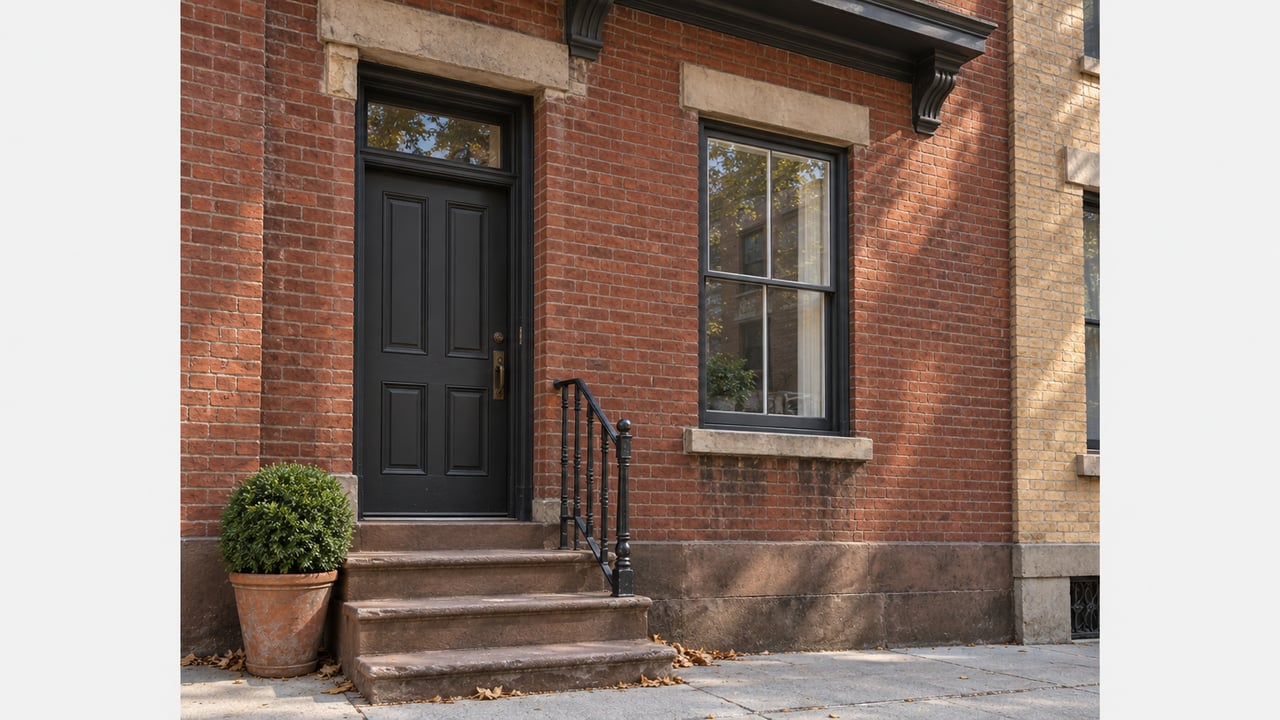
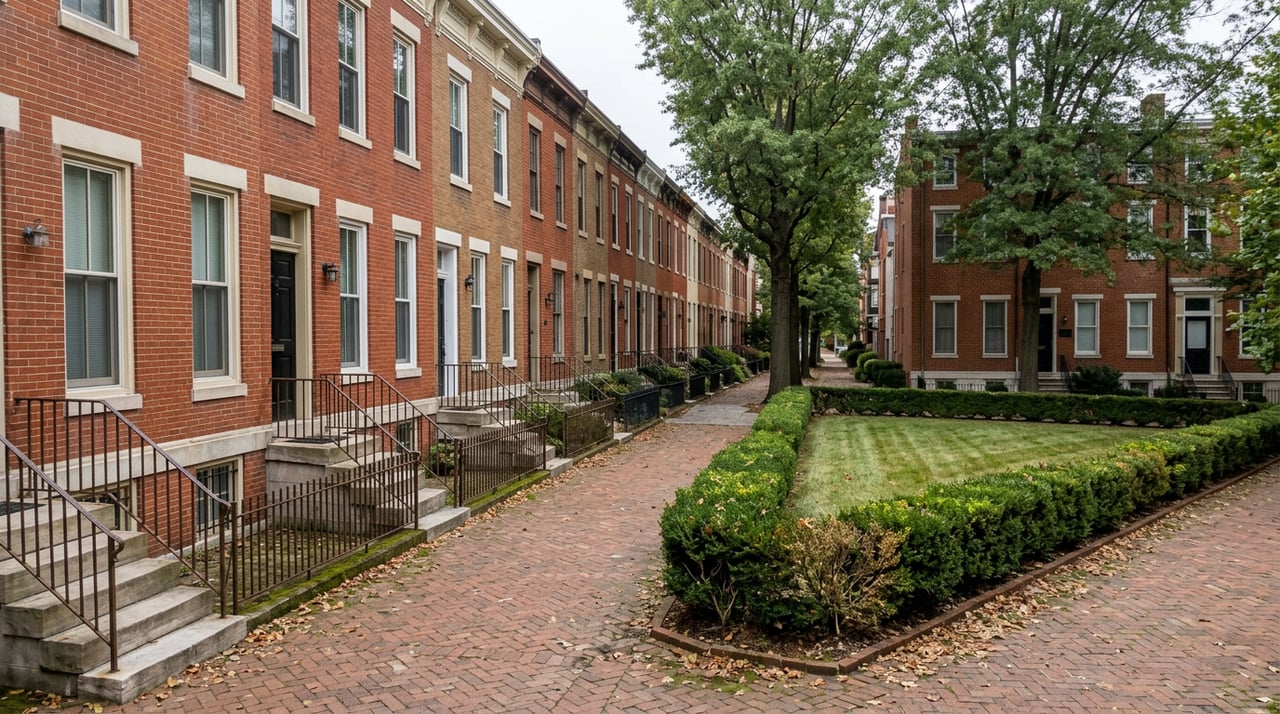
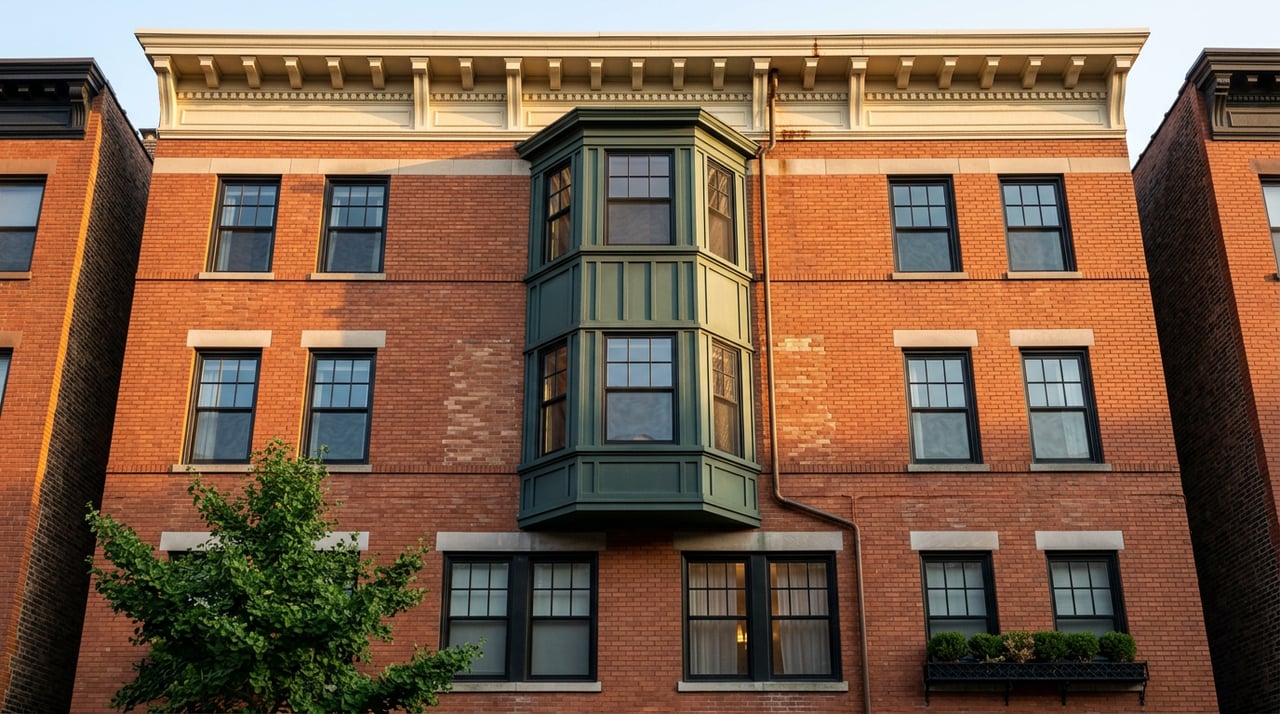
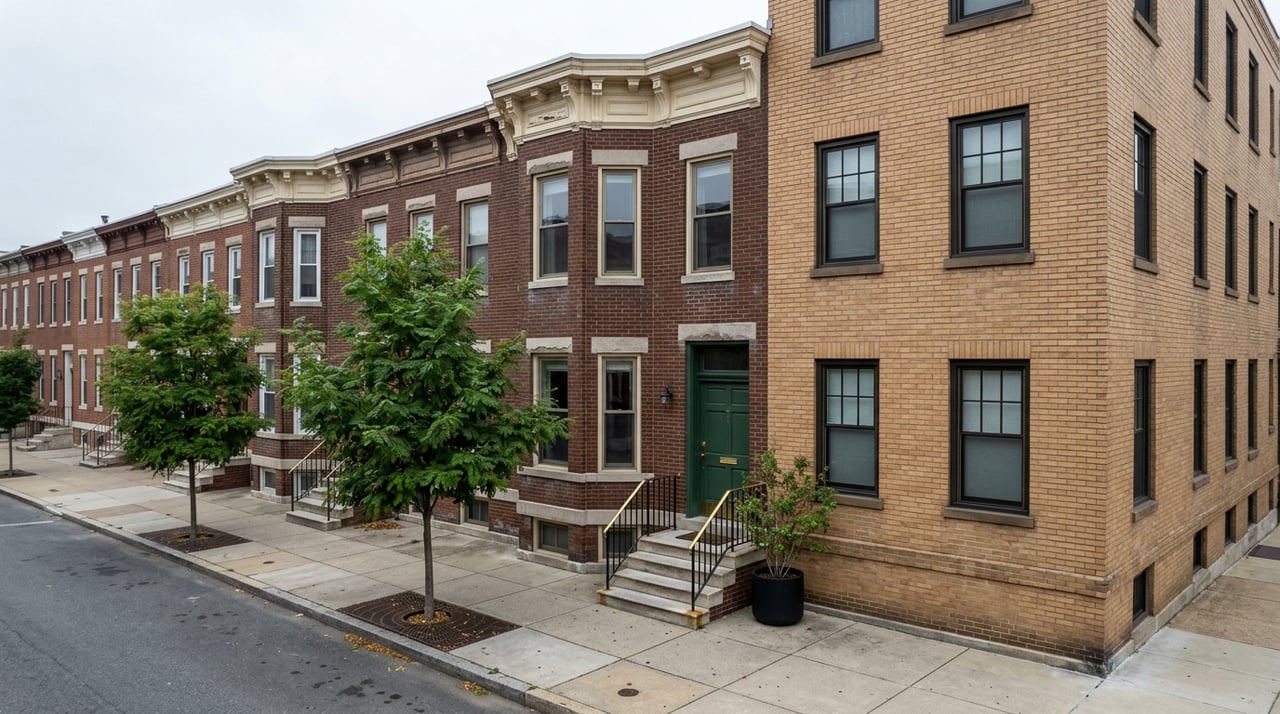
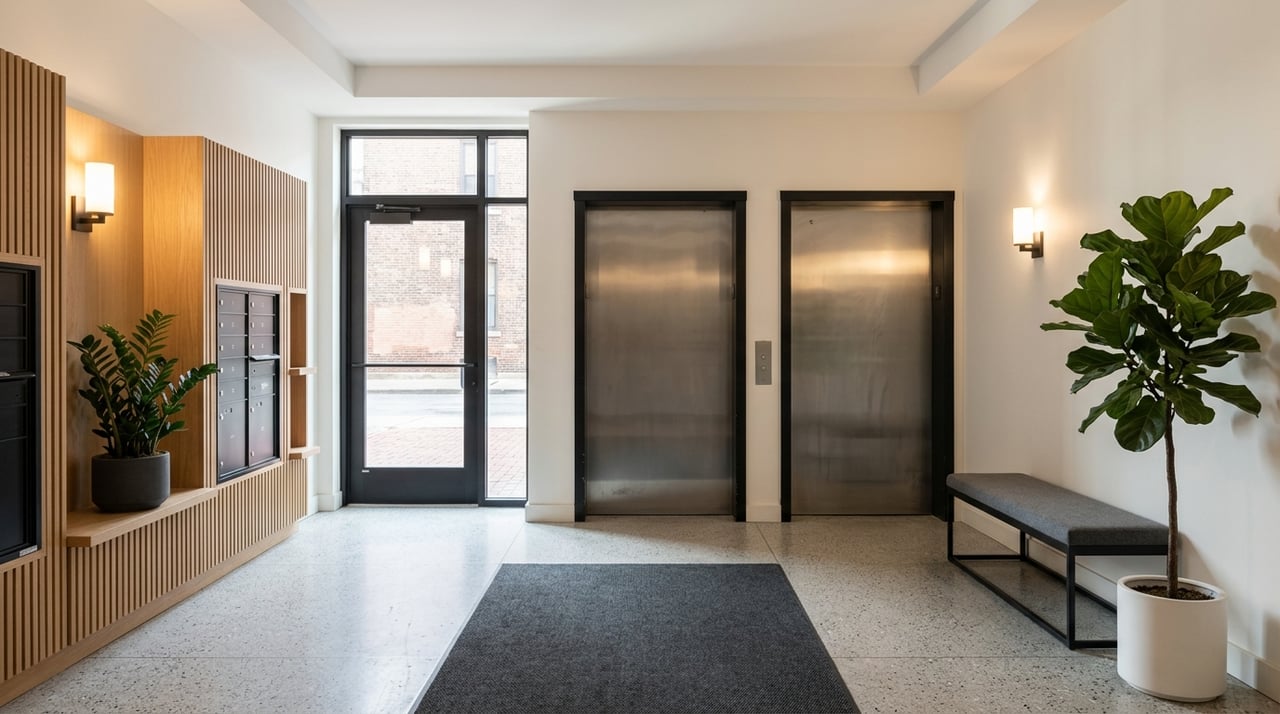
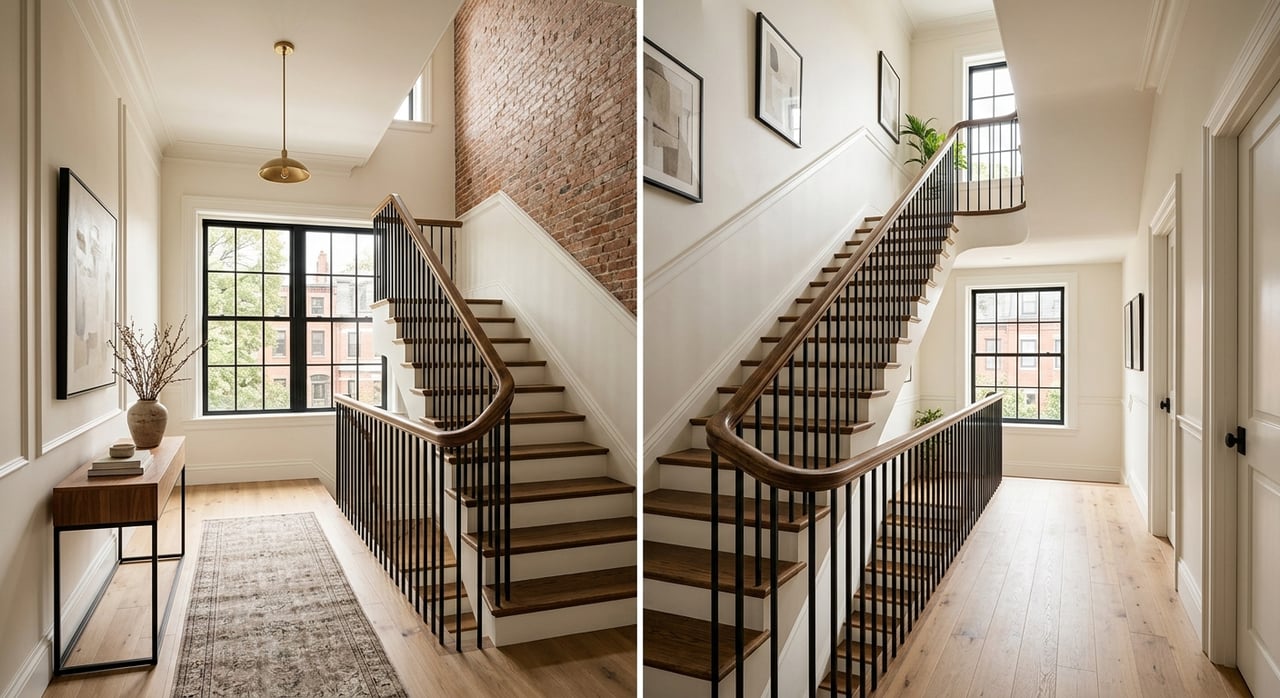
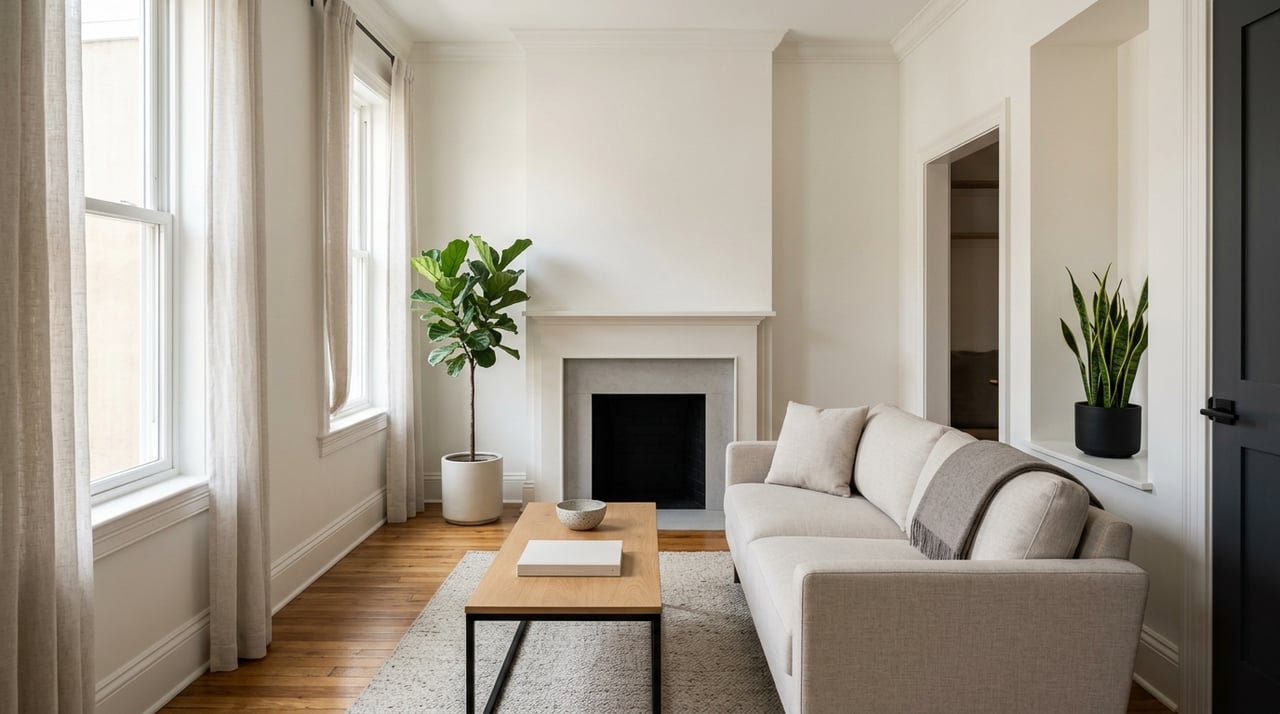
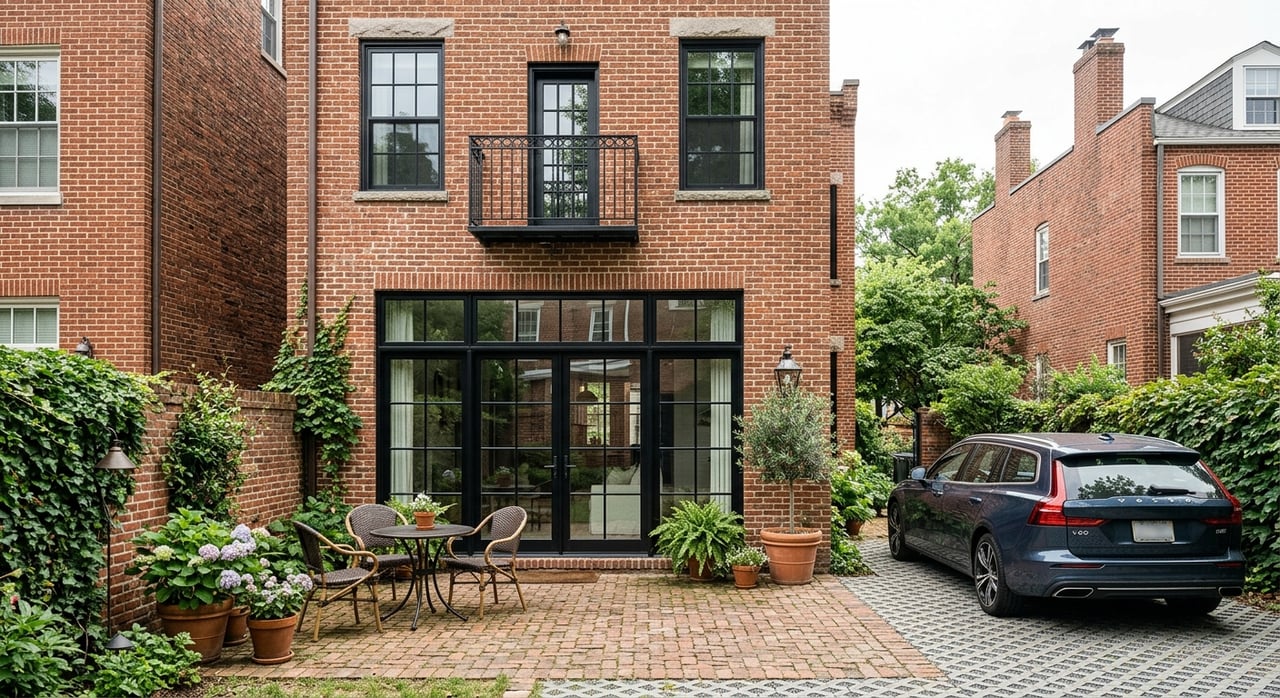
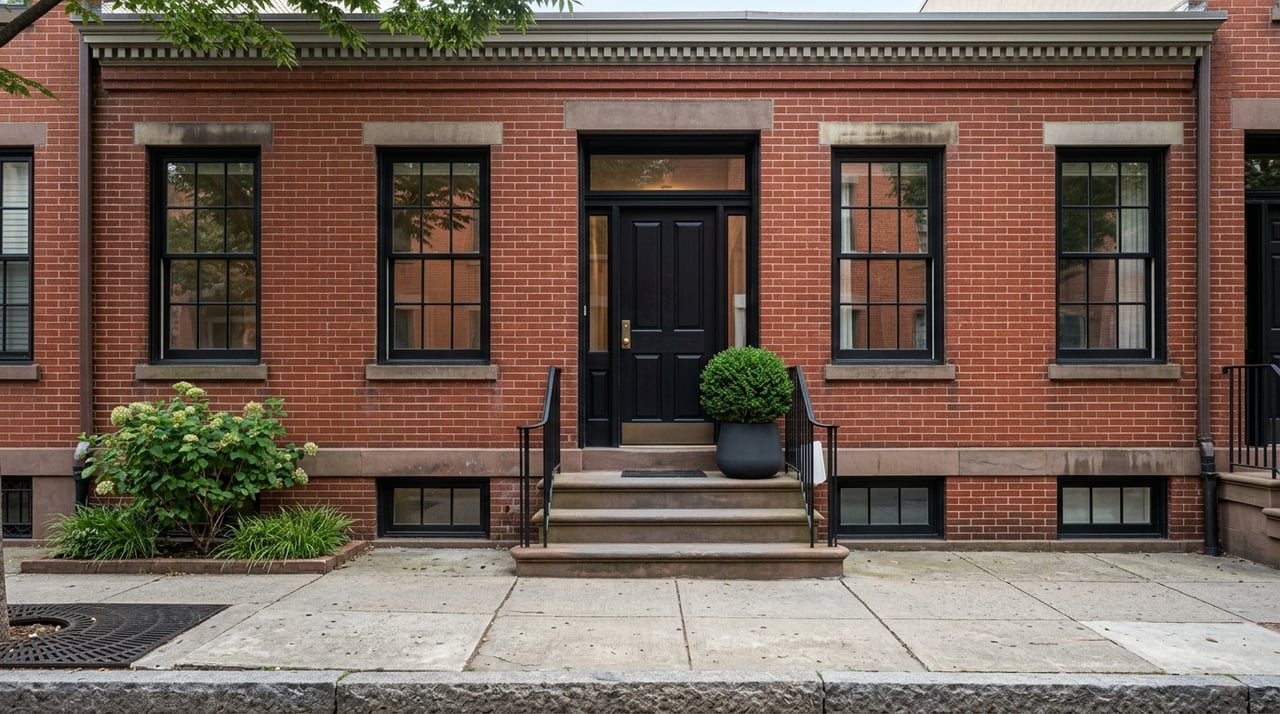
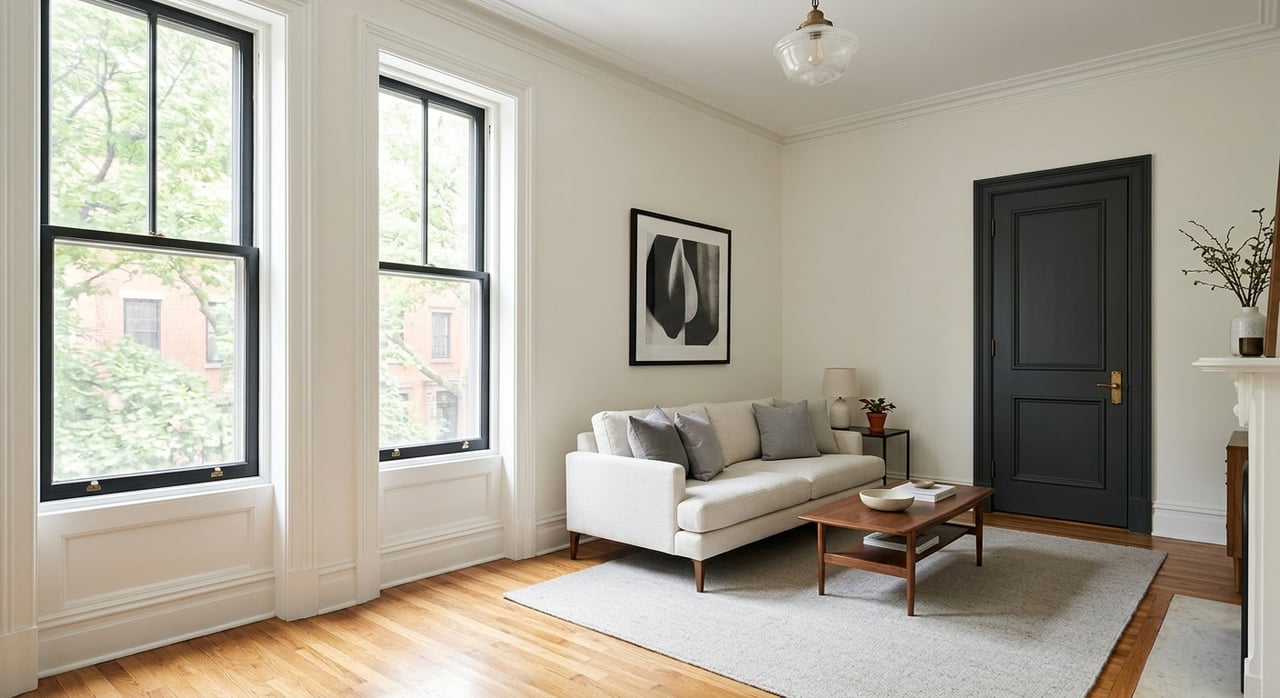
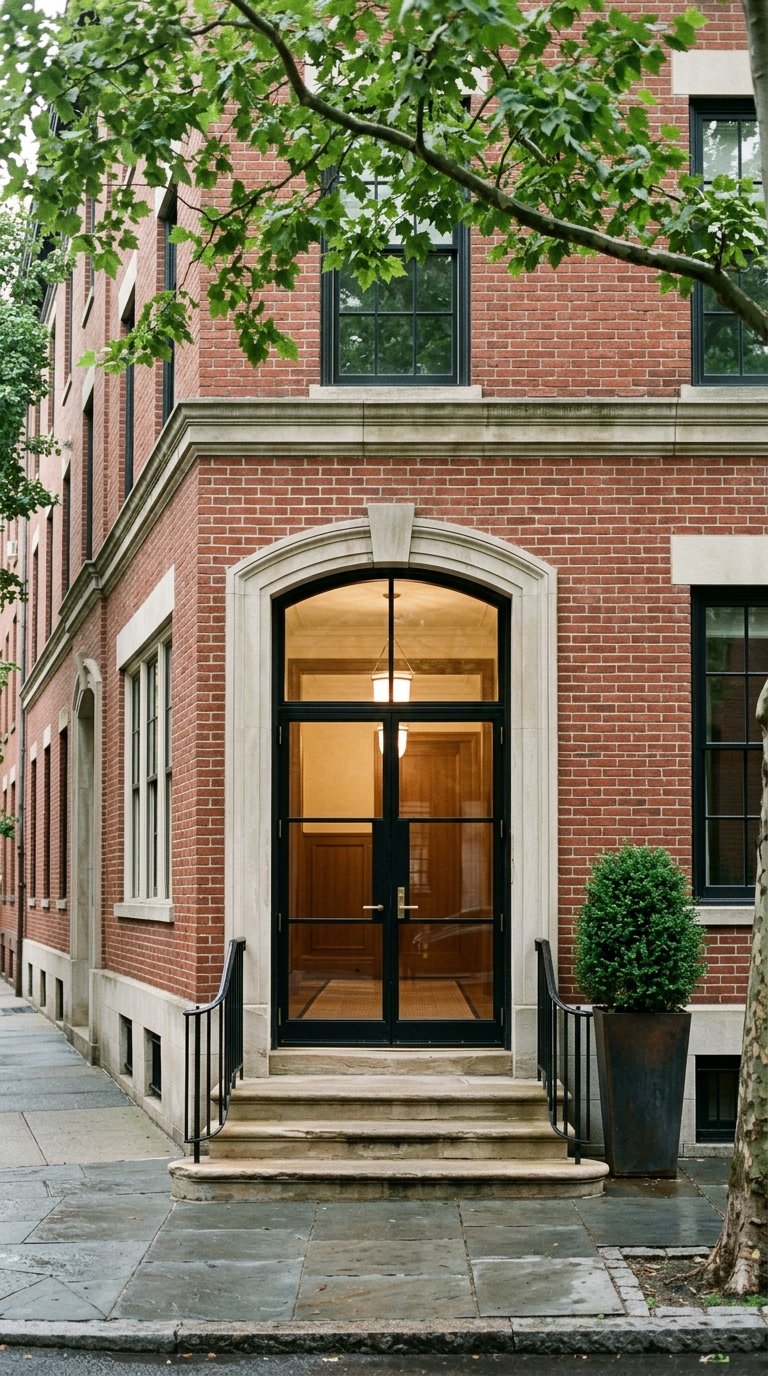
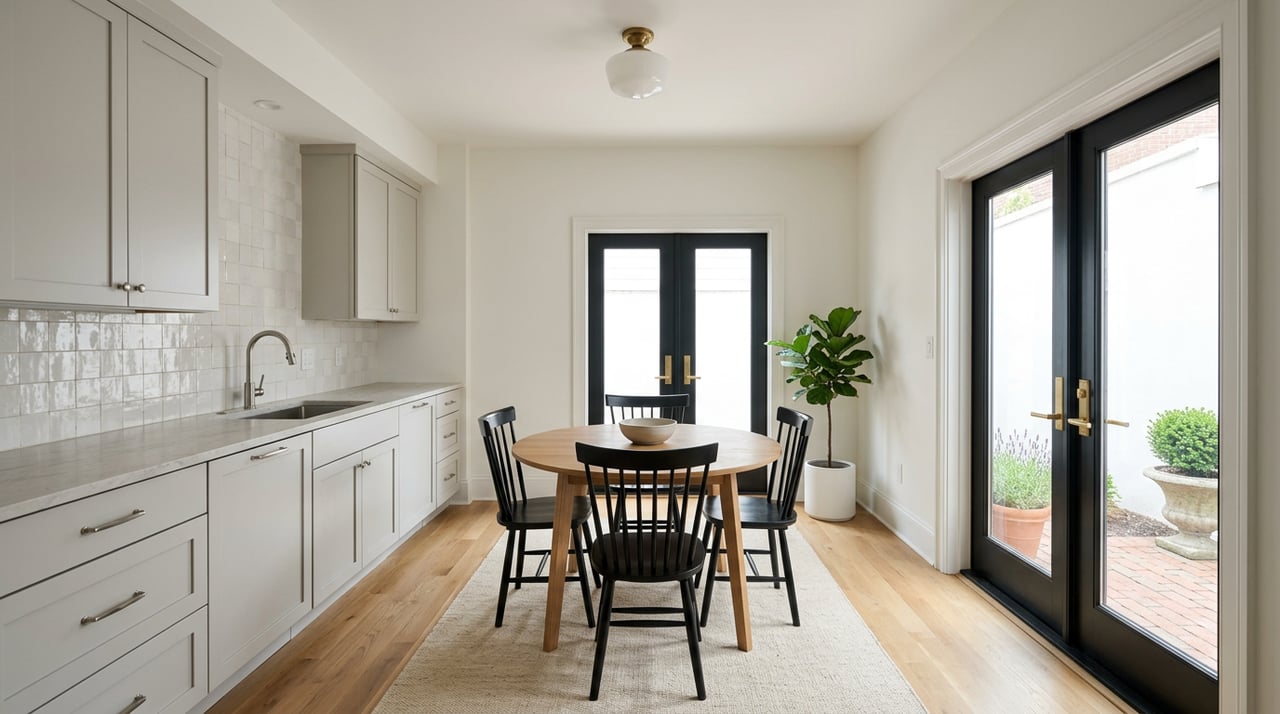
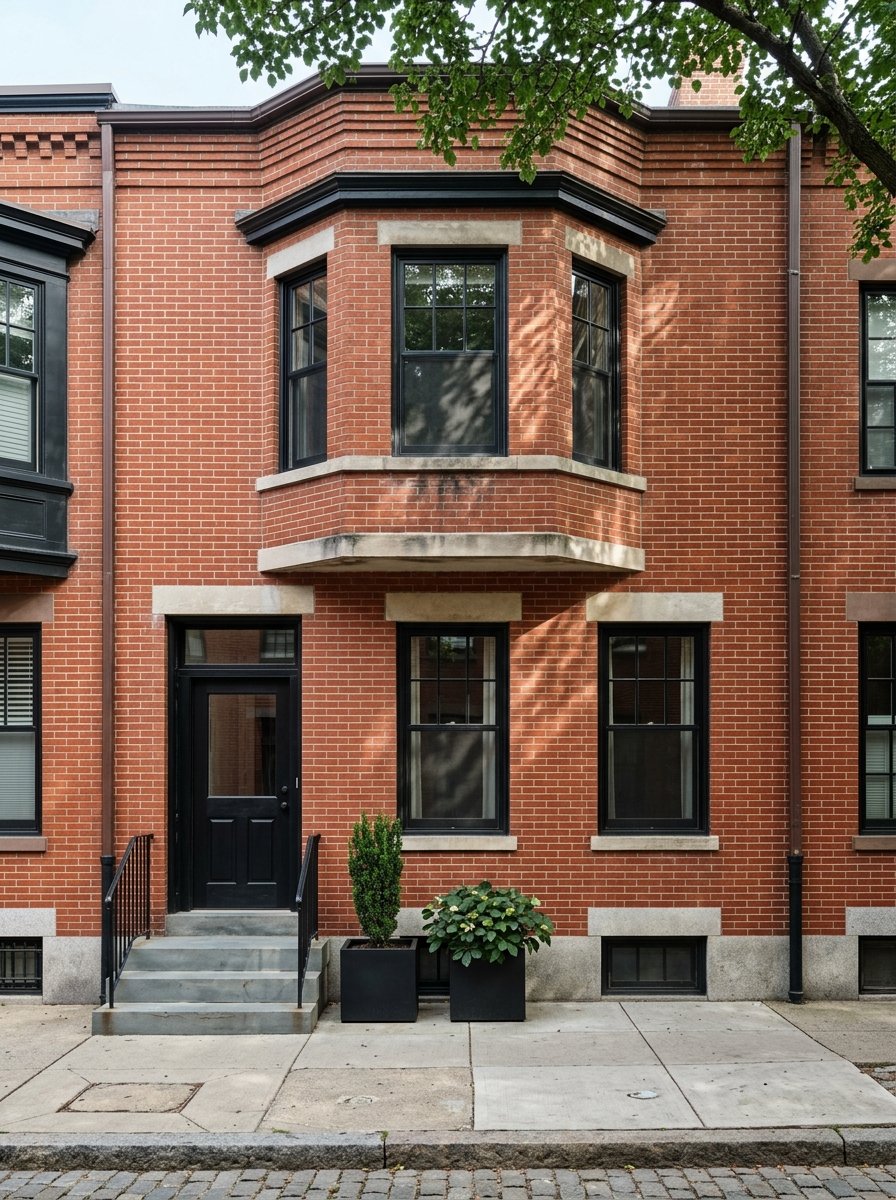
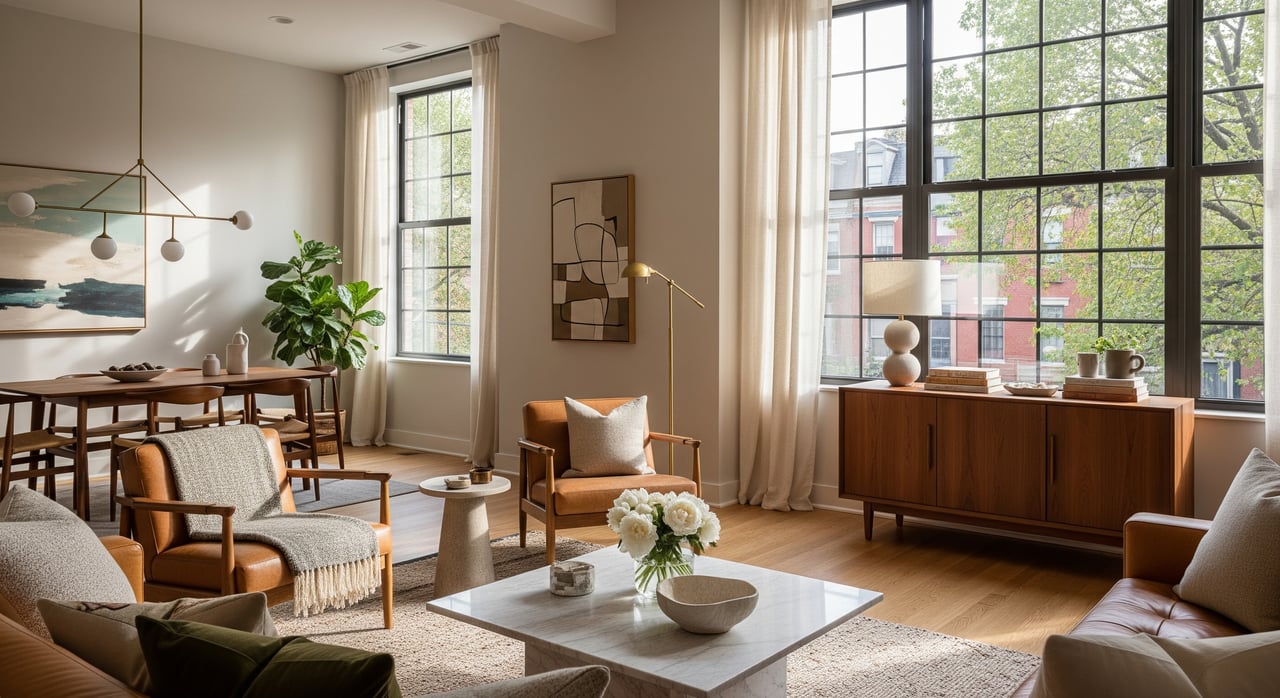
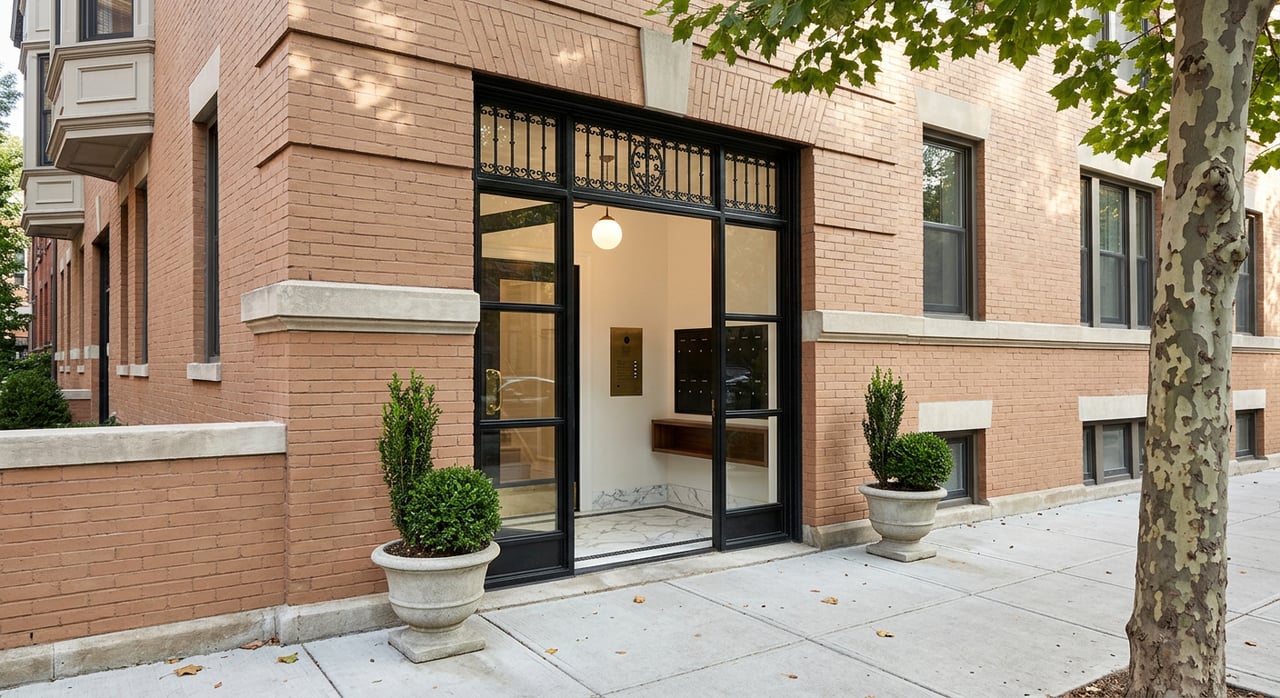
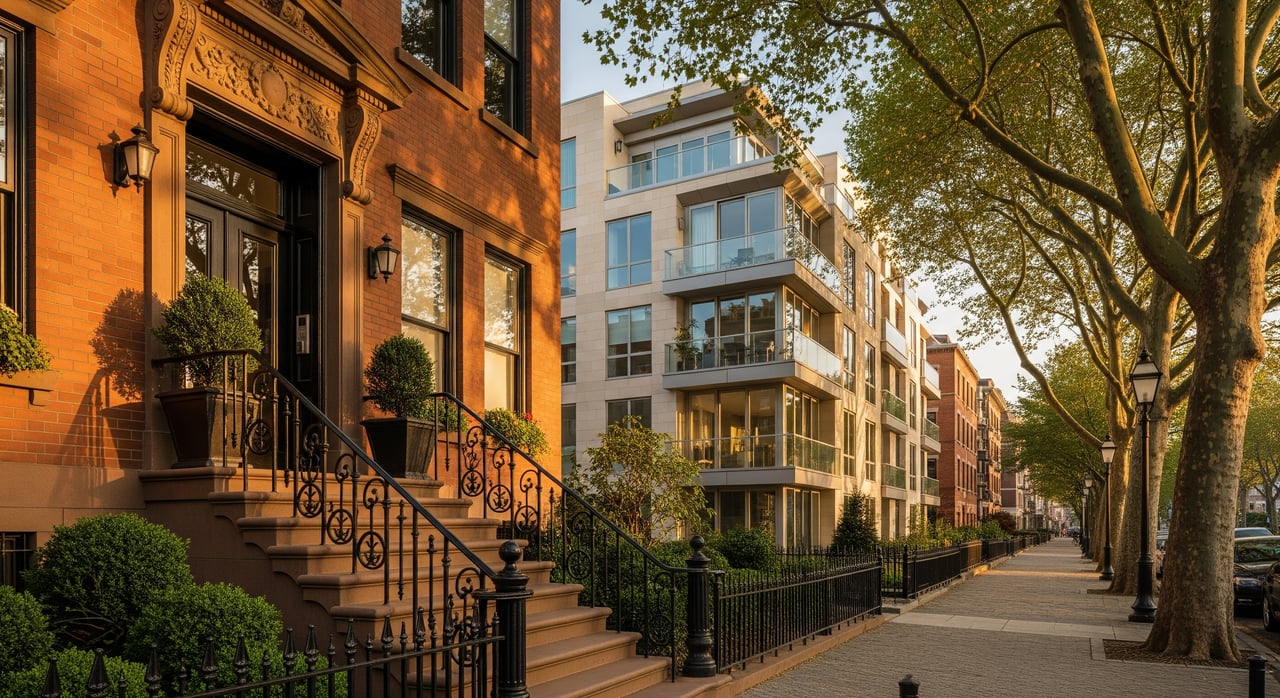
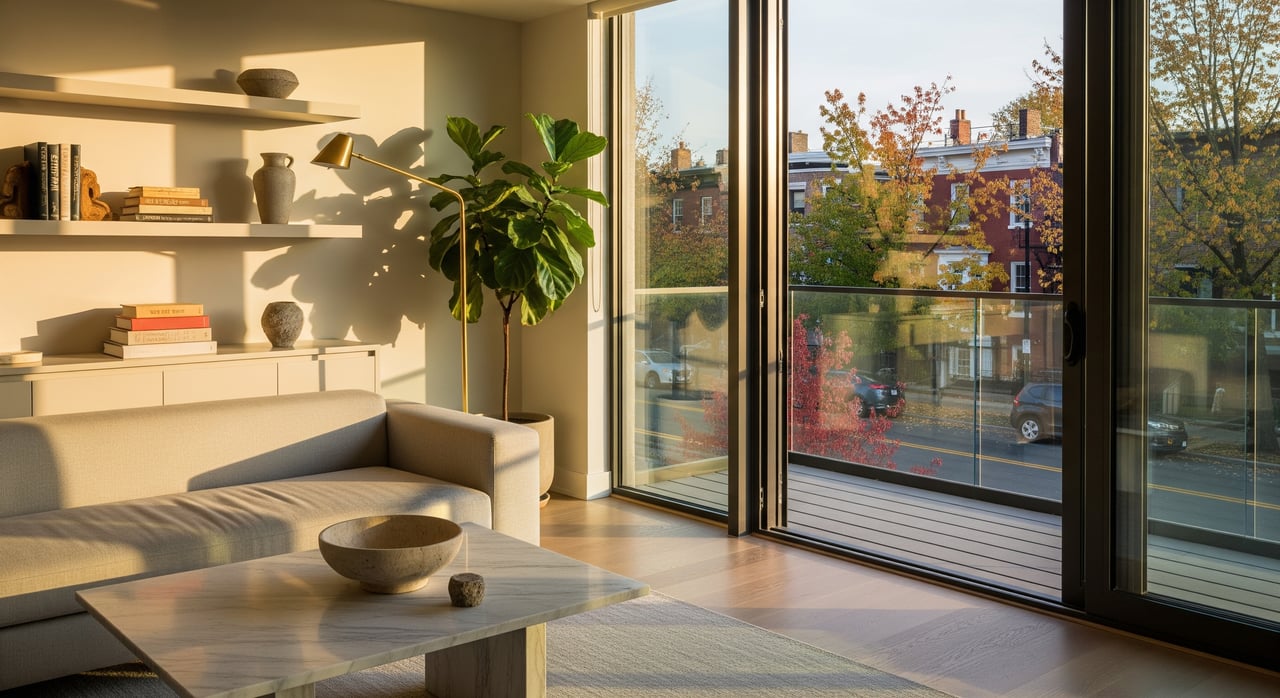
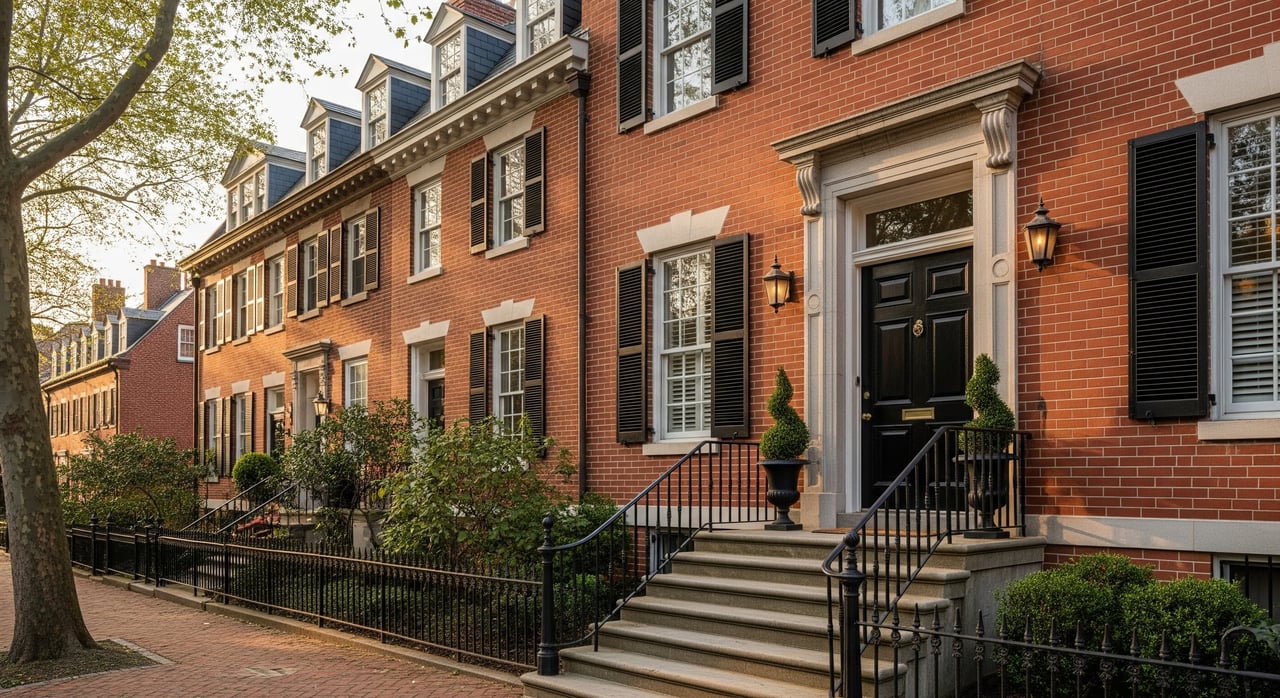
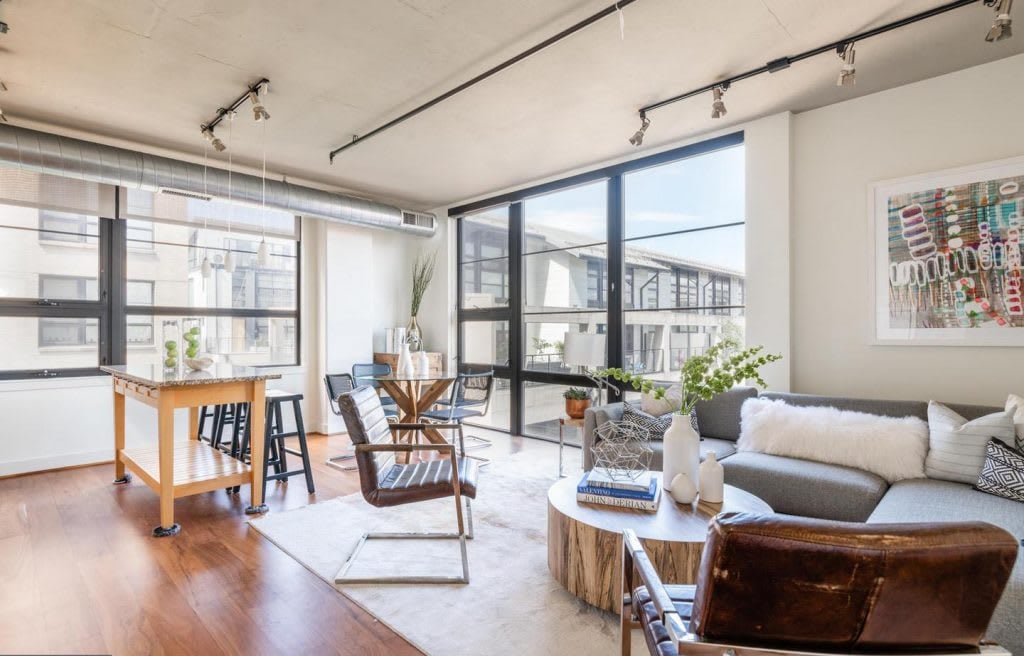
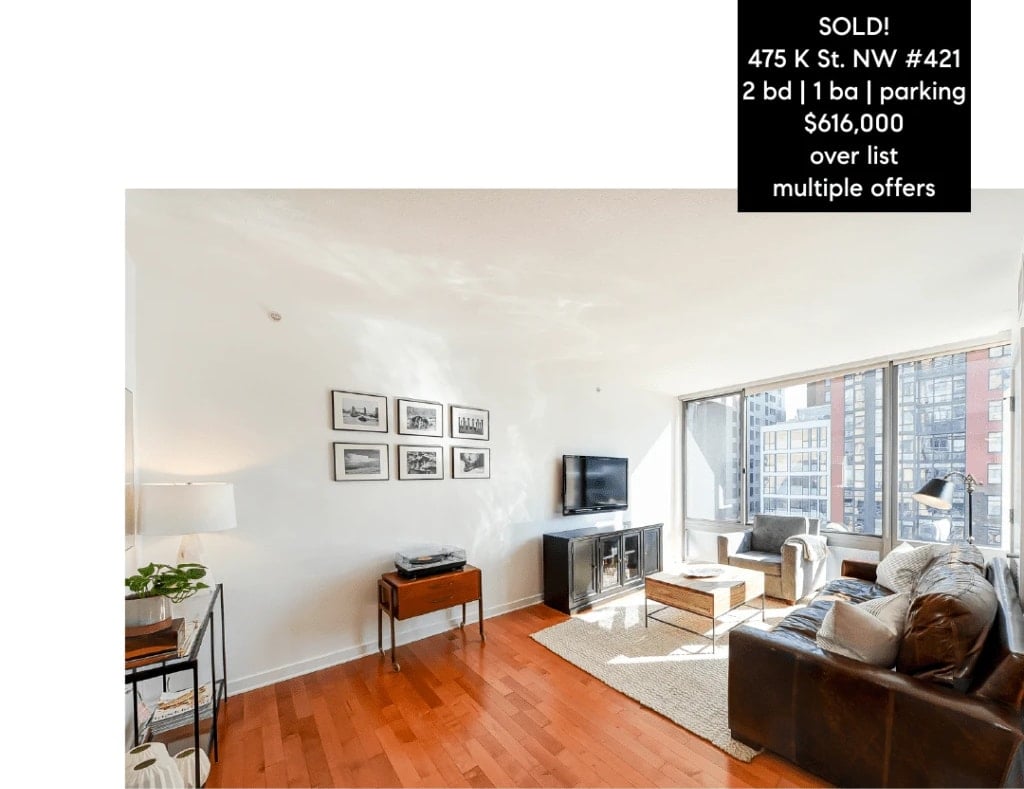
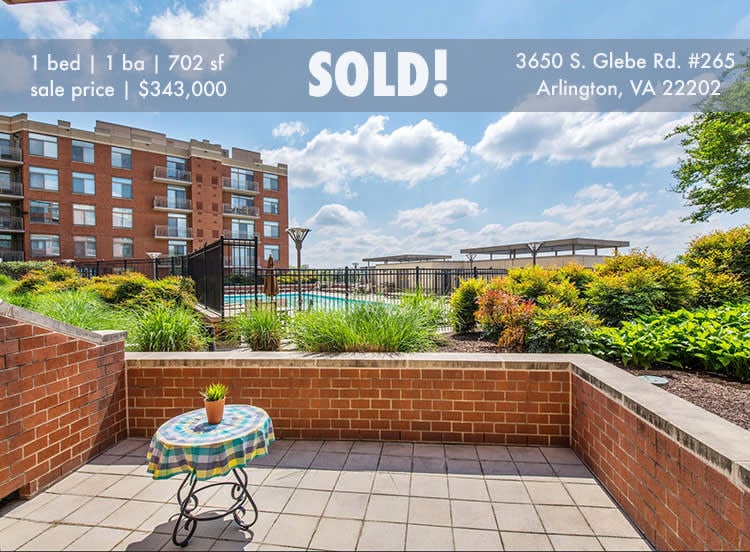
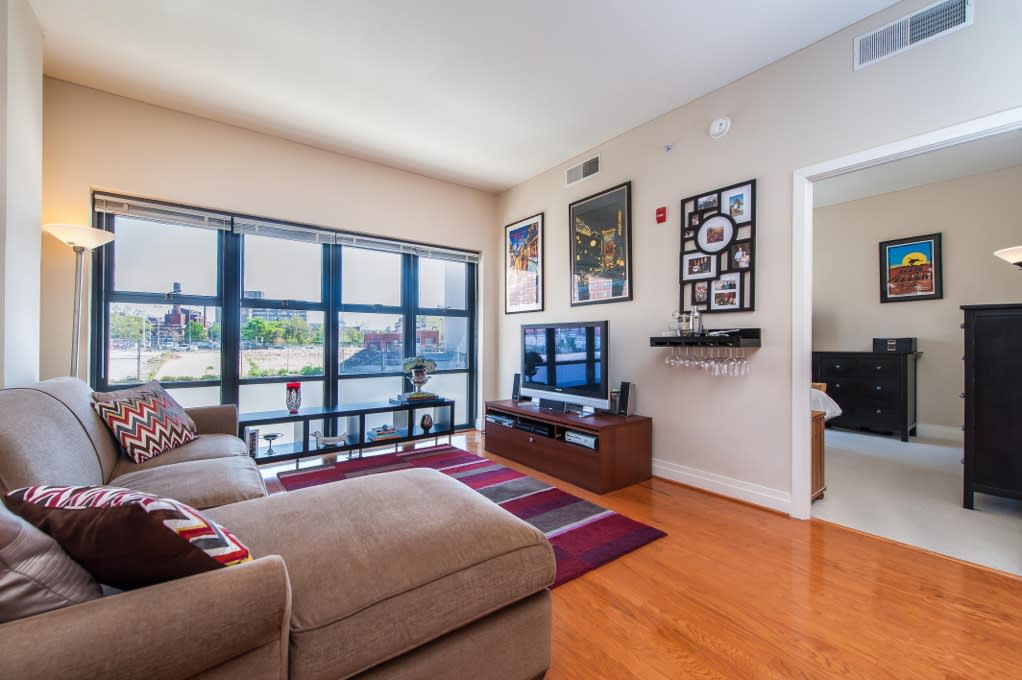
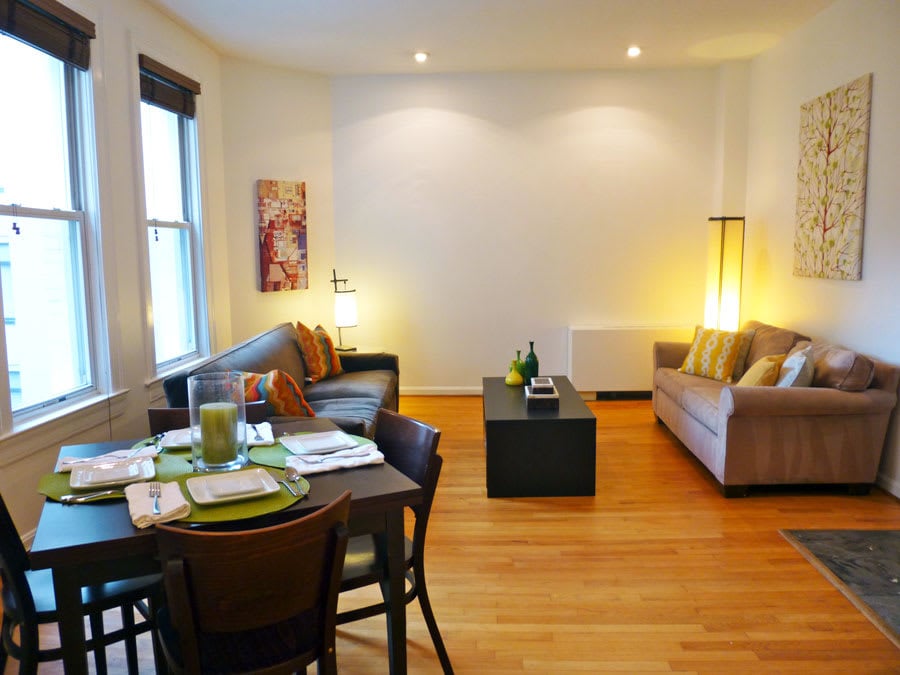
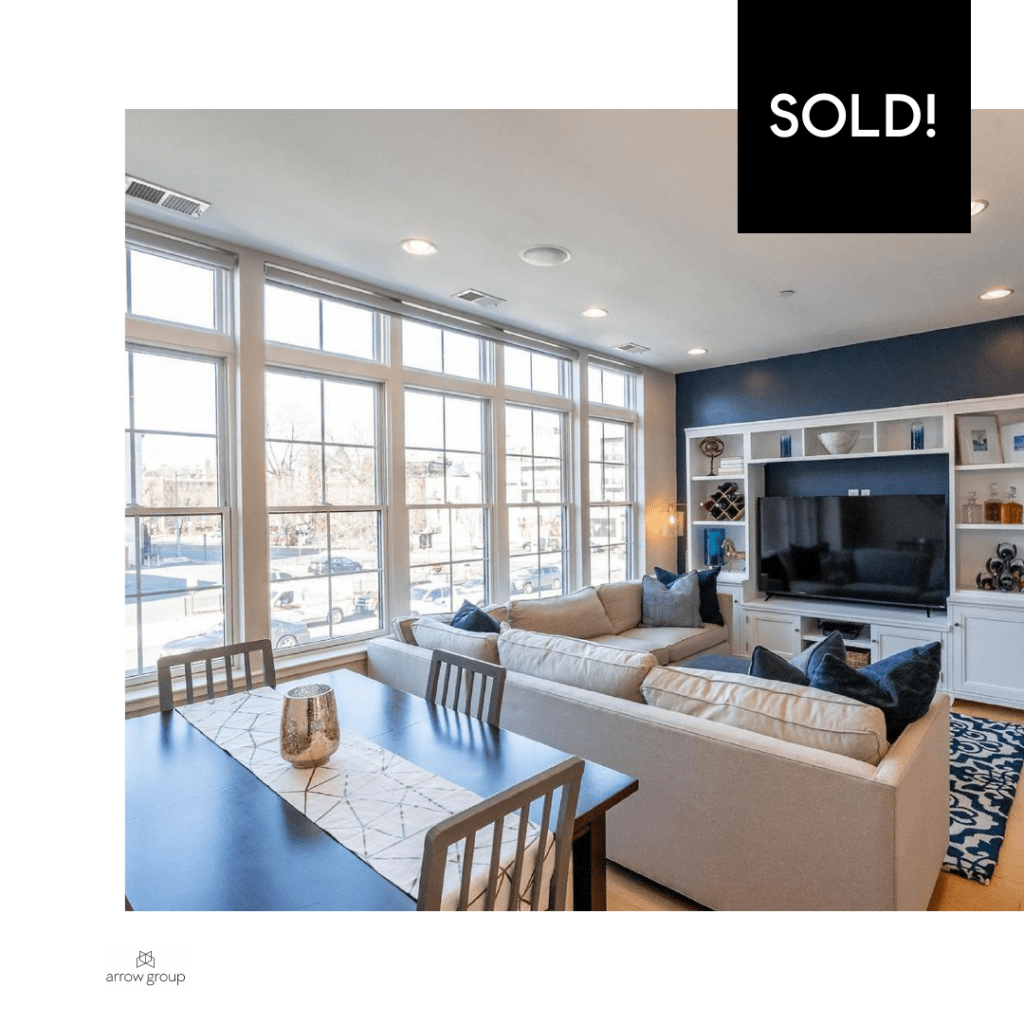
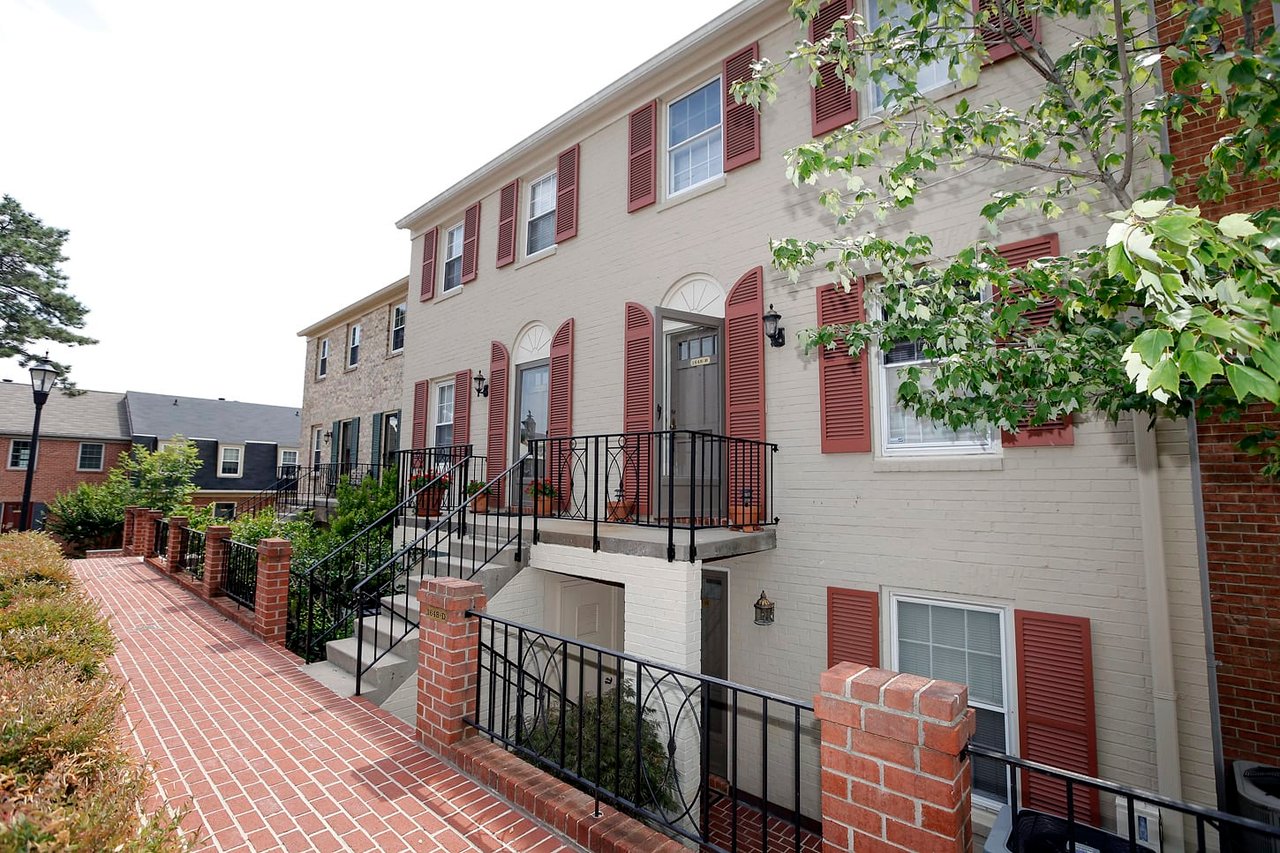
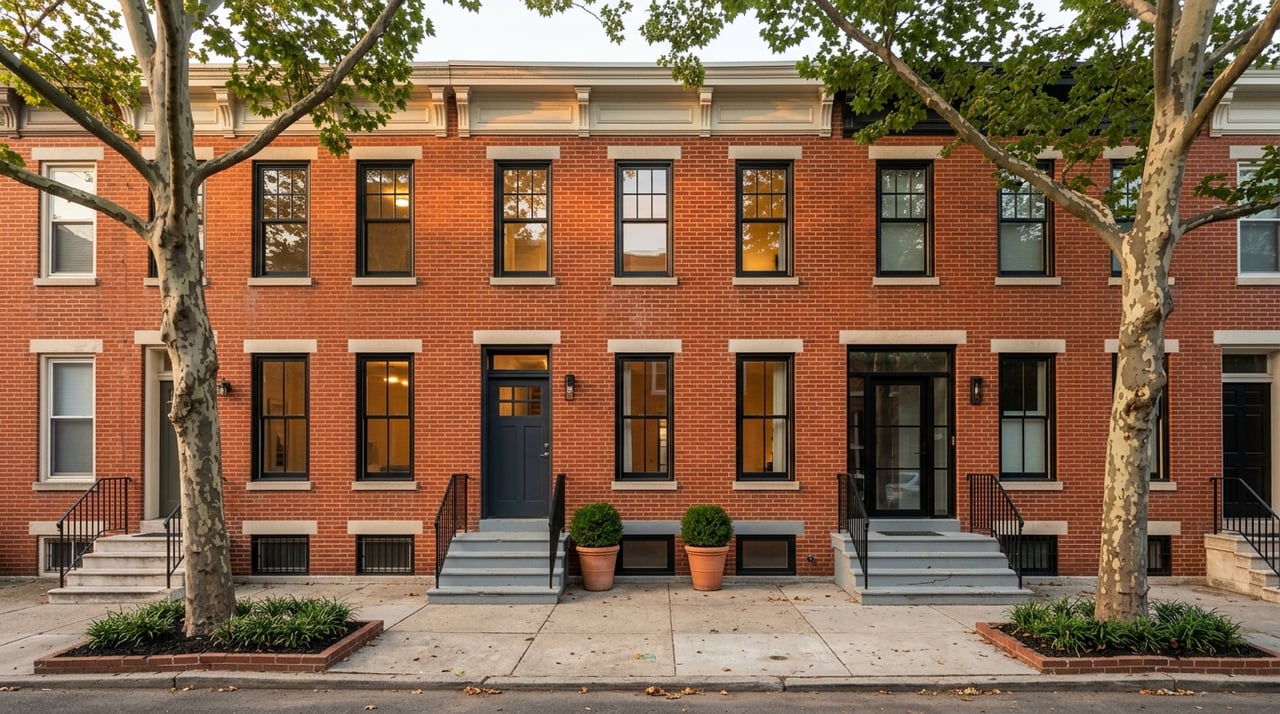
When people first picture Columbia Heights, they often think of apartments and condos near Metro. That is a big part of the housing story, but it is not the whole picture. This is a mixed housing market with condo and co-op options, townhouses, rowhouses, and single-family homes all in the mix.
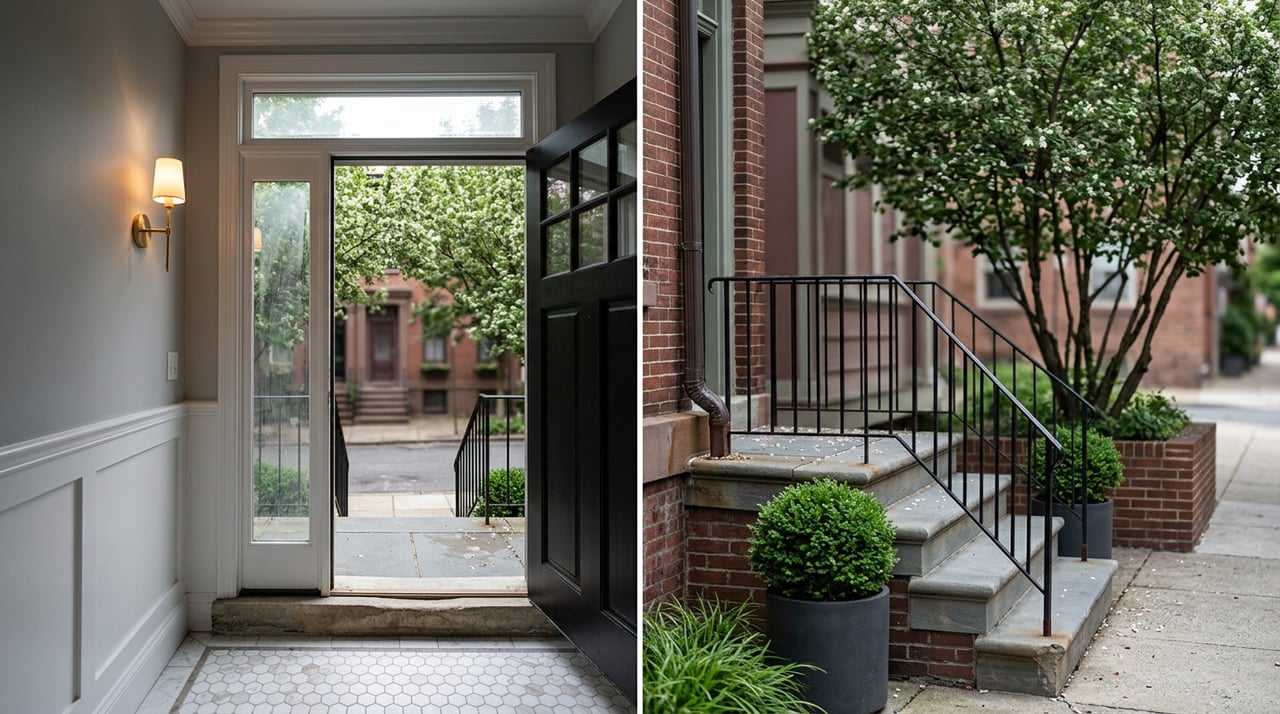
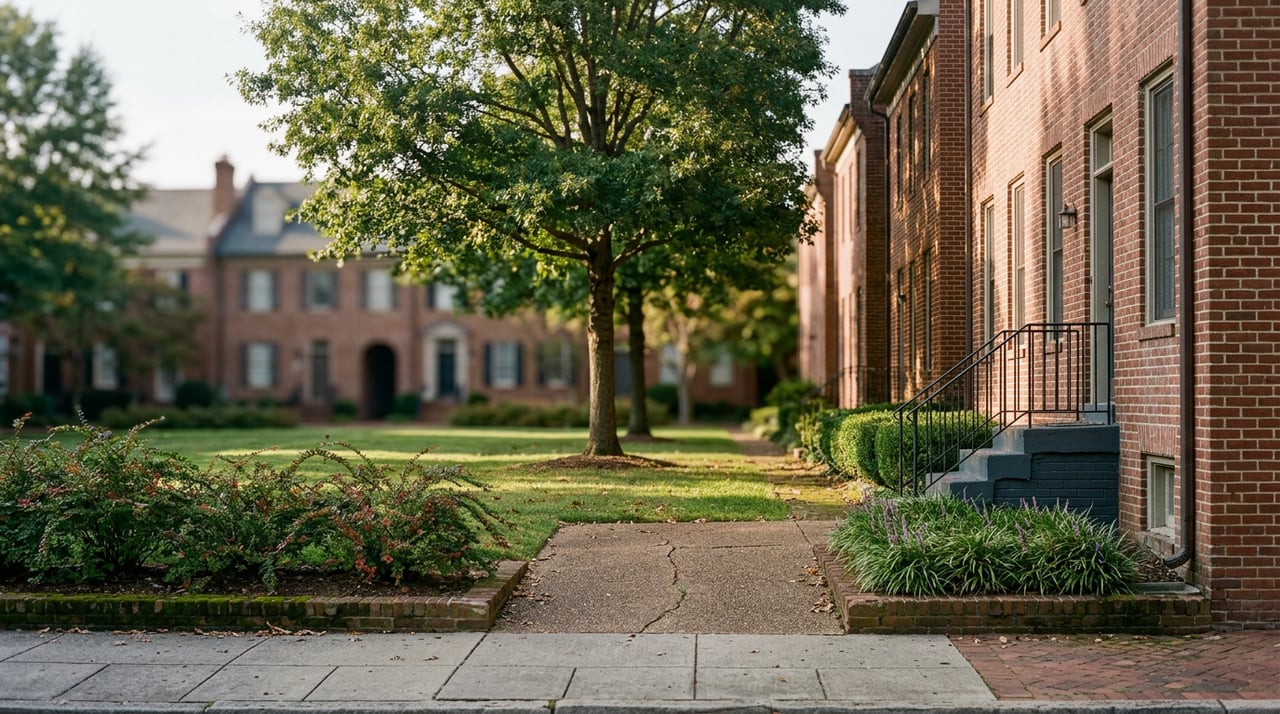
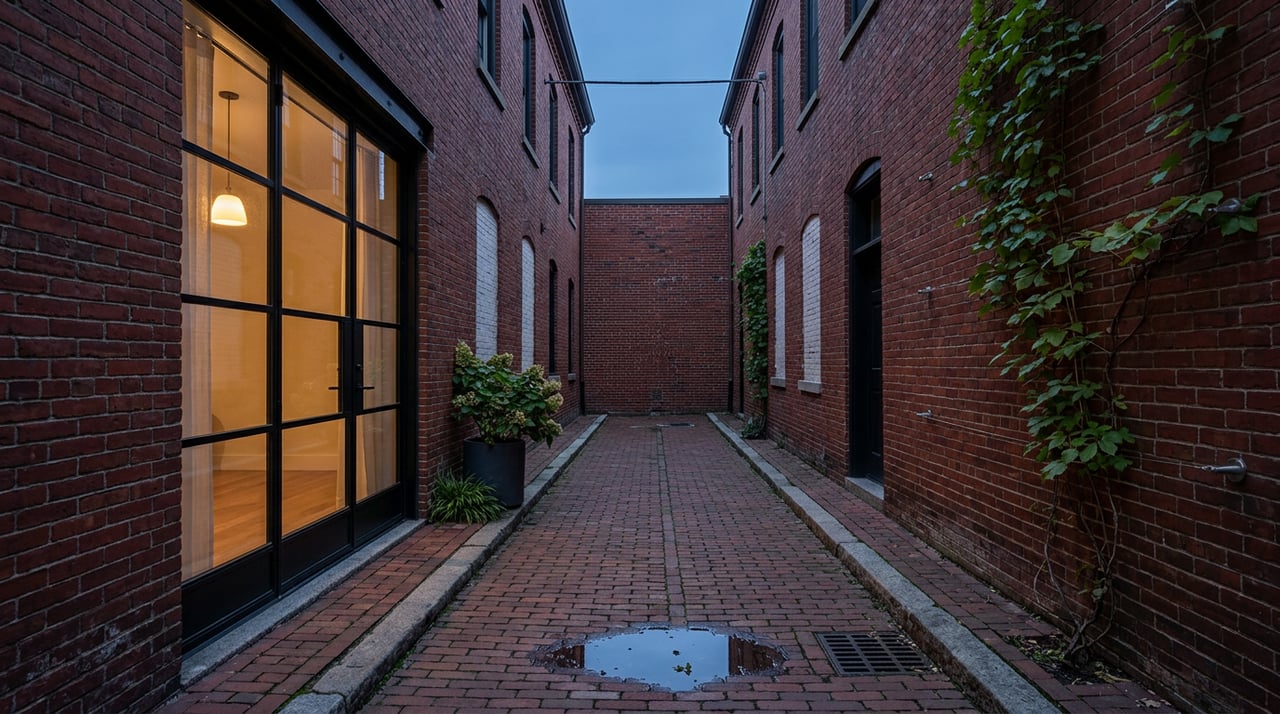
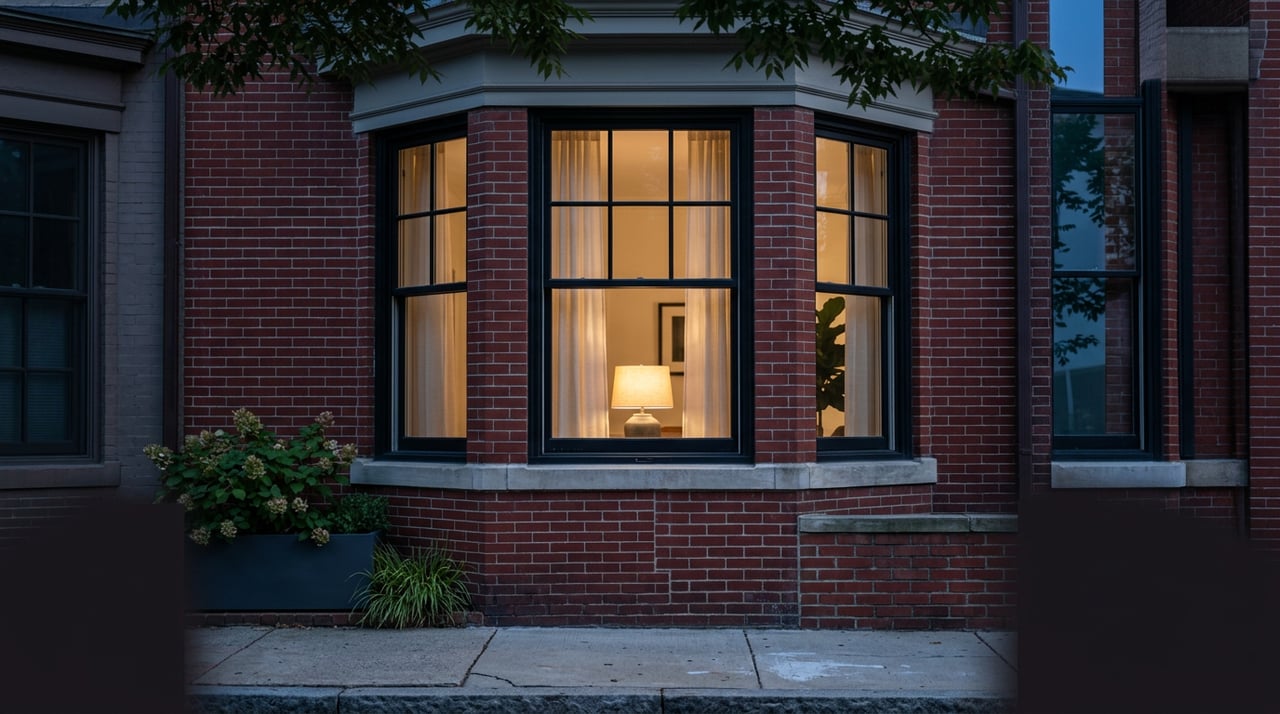
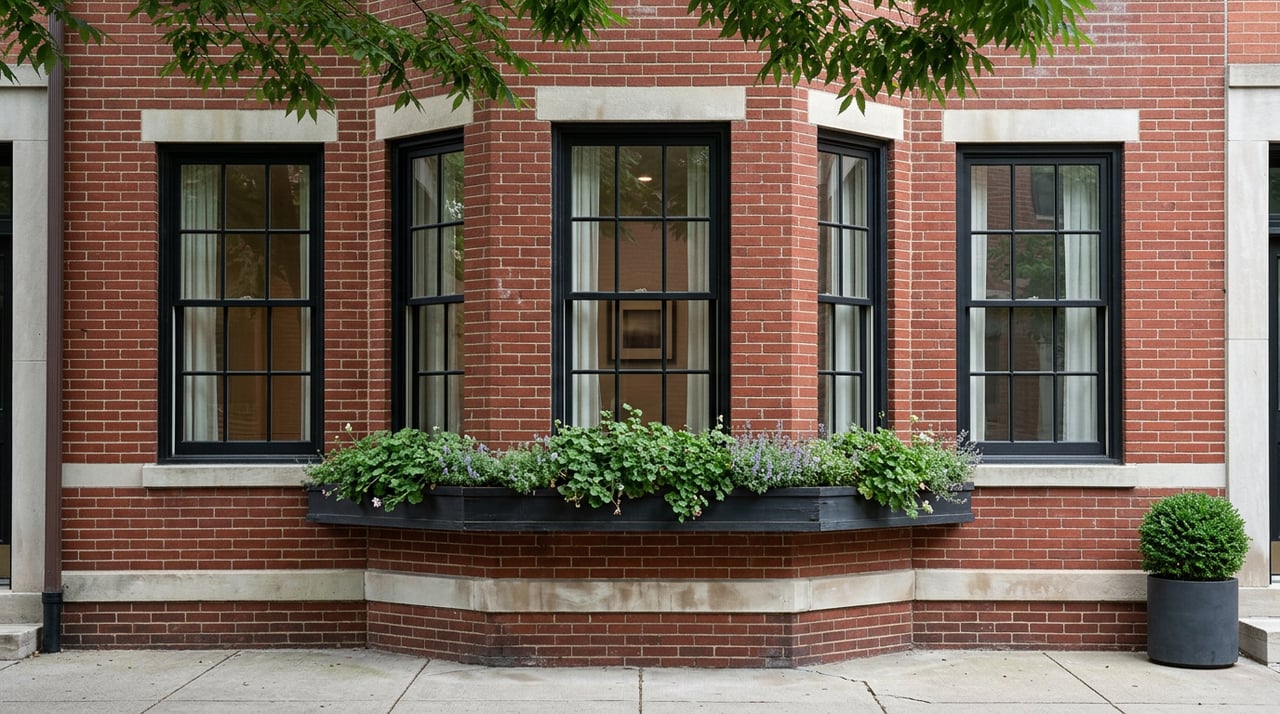
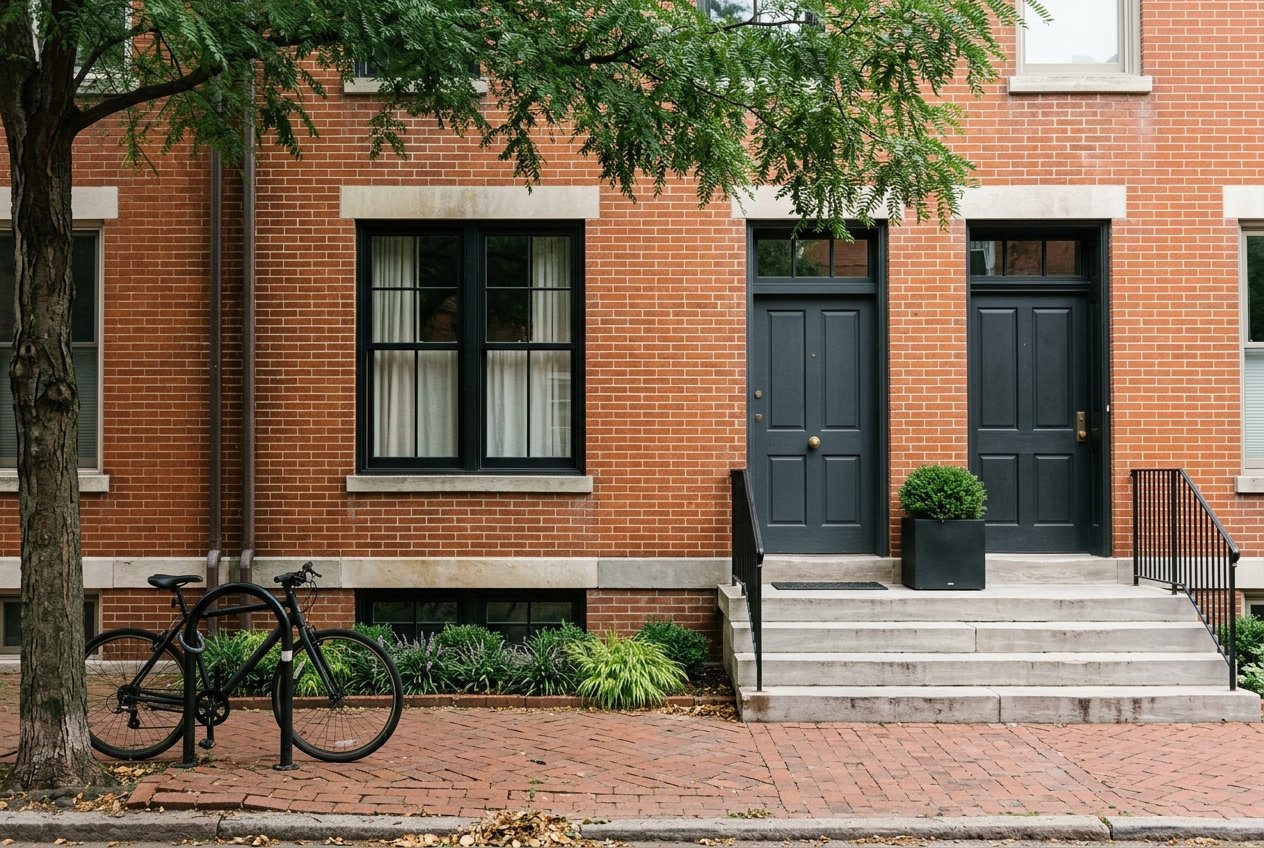
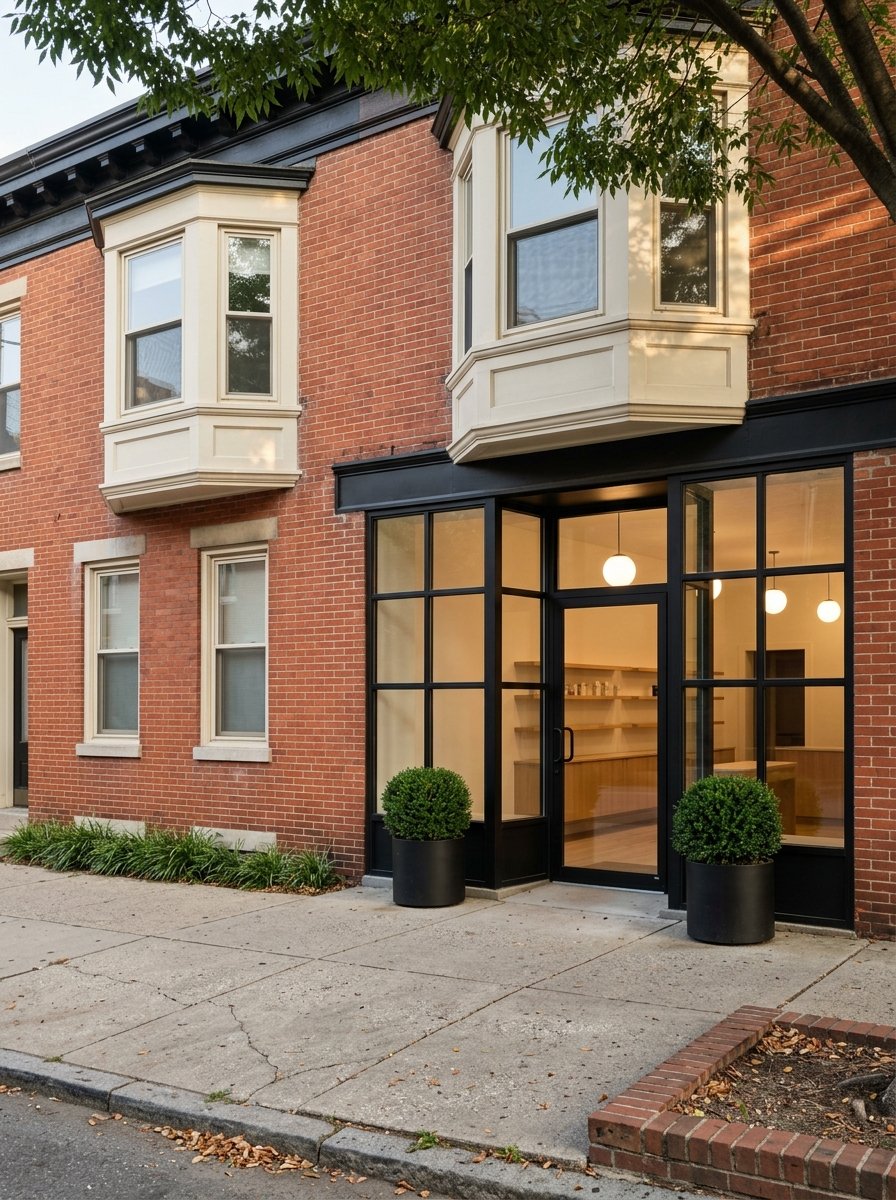
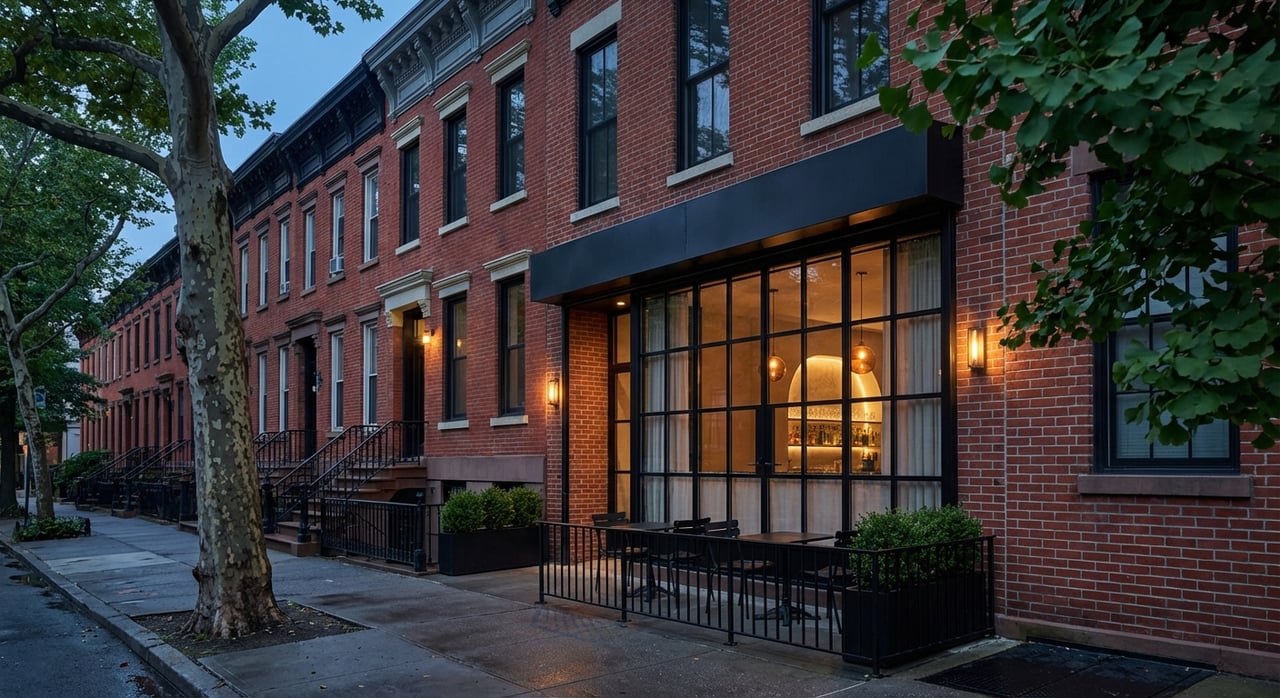
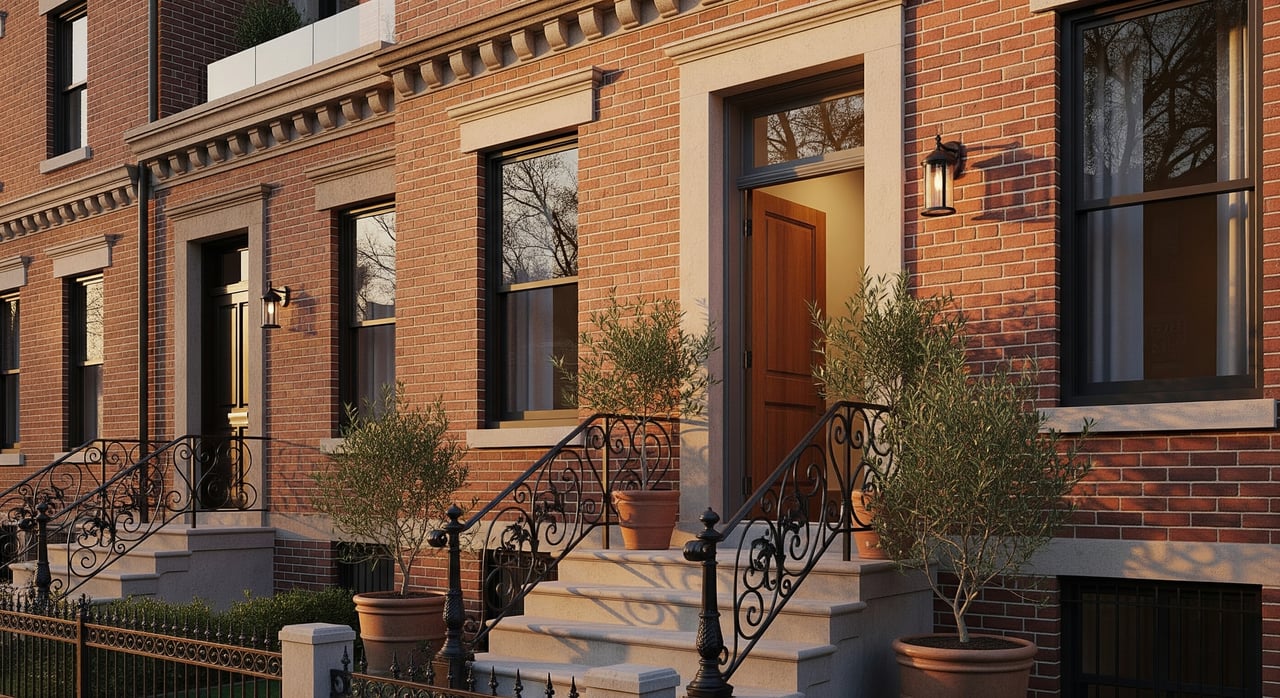
Ward 1 planning describes Columbia Heights as a neighborhood with historic townhomes and a major commercial core, while public planning for 14th Street emphasizes mixed-use development. On the ground, that translates into rowhouse streets alongside apartment and condo buildings near the transit spine. If you are looking here, it helps to think in terms of different micro-feels within the same neighborhood.
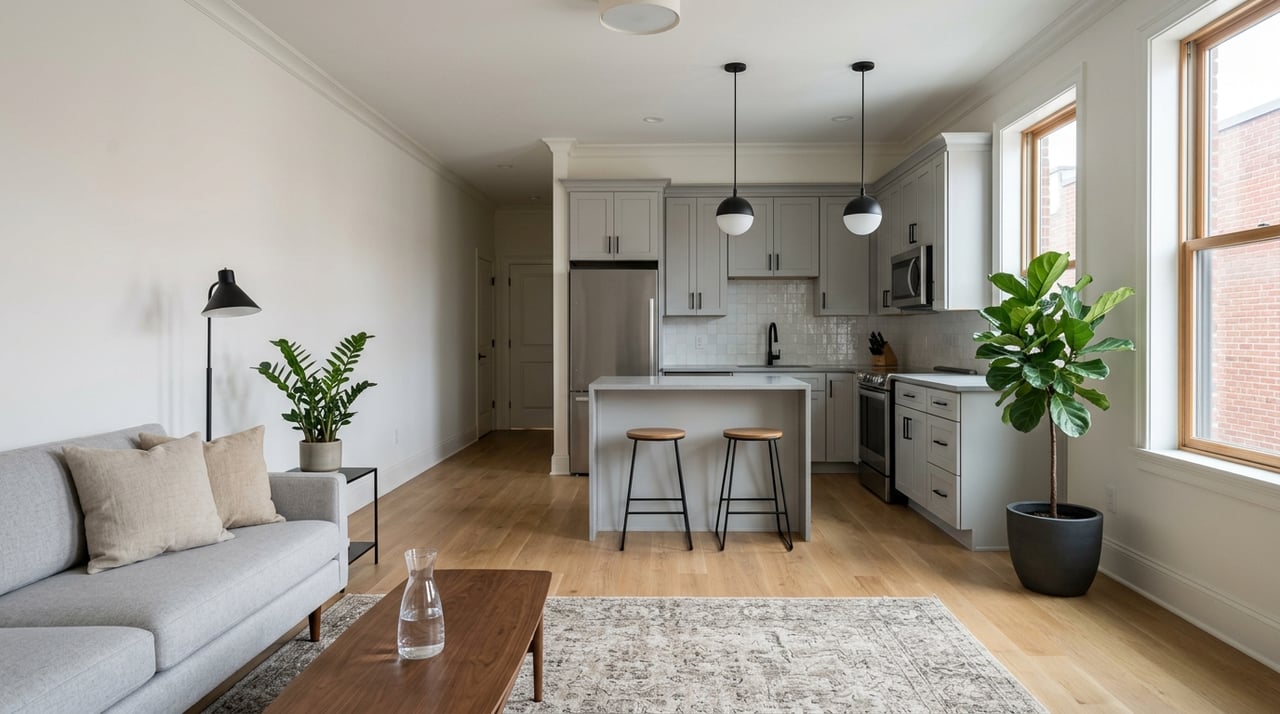
For first-time buyers, that can be a plus. You may find that a condo near the retail core fits your budget and lifestyle priorities better than a larger home in another part of the city. For move-up buyers, the rowhouse and townhome stock may offer more space while keeping you connected to the same walkable setting.
It is a renter-heavy market
Columbia Heights has a strong rental presence, and that shapes the neighborhood too. WDCEP estimates that within a half-mile of the neighborhood center, about 71% of households are renter-occupied and 29% are owner-occupied. That mix helps explain why the area feels active, dense, and constantly in motion.
From a housing-cost perspective, the same source places the median home value near $801,217. Recent Redfin data shows a median sale price around $659,755, with homes selling in roughly 62 to 75 days. For renters, Apartments.com and Zumper place average neighborhood rent at about $2,230 to $2,300 per month in late May and early June 2026.
Those numbers matter because they help set expectations. Columbia Heights is not a hidden bargain, but it can offer a strong lifestyle return for people who want urban convenience, transit access, and a wide mix of housing types. The best fit often comes down to how much you value being able to do more of daily life close to home.
Who tends to like living here
Columbia Heights often appeals to people who want a compact urban lifestyle. If you like the idea of coffee nearby, groceries within reach, easy Metro access, and restaurants or bars you can walk to, this neighborhood lines up well with that routine. It can be especially appealing if you want to be in the middle of things without committing to a single nightlife district.
It is also a neighborhood that works well for people who want access to nearby areas. WMATA notes that the station is within walking distance of shopping, local eateries, Mount Pleasant, and Adams Morgan. Add in the connection to the broader Ward 1 area, including U Street, and you get a location that feels flexible both day and night.
What to consider before you move
Like any dense city neighborhood, Columbia Heights comes with tradeoffs. The same features that make it lively and convenient also mean you are living in a busier environment with more foot traffic, more activity, and a faster pace than you might find in quieter parts of DC. If you are considering a move, it helps to be honest about how much energy you want around you every day.
It is also smart to think carefully about your housing type. A condo near the Metro and retail core may deliver maximum convenience, while a rowhouse on a residential block may offer a different feel. Neither is better across the board. The right choice depends on your budget, space needs, and the version of city living that fits you best.
Why Columbia Heights stands out
What makes Columbia Heights memorable is not just one thing. It is the combination of transit access, practical shopping, local food, public spaces, and a housing mix that supports different stages of life. The neighborhood feels useful in the best sense of the word, but it also has personality.
If you are weighing where to live in Northwest DC, Columbia Heights is worth considering because it supports real day-to-day ease. You can build a routine here that feels efficient, social, and connected to the city around you. For many buyers and renters, that is exactly the point.
If you are thinking about buying or selling in Columbia Heights, working with someone who understands the neighborhood block by block can make the process much clearer. Jen Angotti combines hyperlocal DC knowledge with hands-on guidance to help you find the right fit and move forward with confidence.
FAQs
What is daily life like in Columbia Heights, DC?
- Daily life in Columbia Heights often centers on walking to groceries, coffee, restaurants, and Metro, with many errands and social plans happening close to home.
What types of homes are available in Columbia Heights?
- Columbia Heights has a mixed housing market that includes condos, co-ops, townhouses, rowhouses, and single-family homes.
What is the Columbia Heights Metro station connected to?
- The Columbia Heights Metro station at 14th and Irving is on the Green and Yellow lines, which helps connect the neighborhood to other parts of DC.
What makes Columbia Heights appealing to buyers and renters?
- Many buyers and renters are drawn to Columbia Heights for its walkability, transit convenience, shopping access, neighborhood food scene, and connection to nearby areas like Mount Pleasant, Adams Morgan, and U Street.
Is Columbia Heights a renter-heavy neighborhood?
- Yes. WDCEP estimates that about 71% of households within a half-mile of the neighborhood center are renter-occupied, compared with 29% owner-occupied.
What should you consider before moving to Columbia Heights?
- It helps to think about your comfort with a dense, active neighborhood and decide whether a condo near the commercial core or a home on a more residential block better fits your lifestyle.