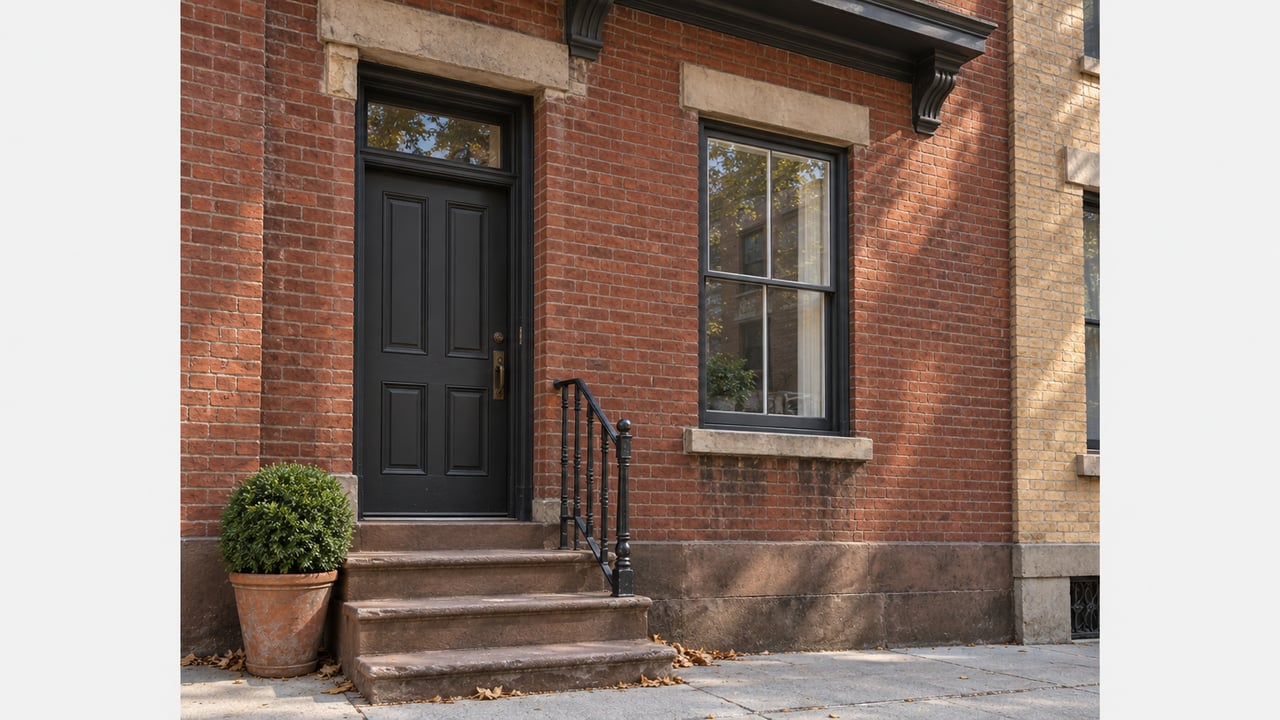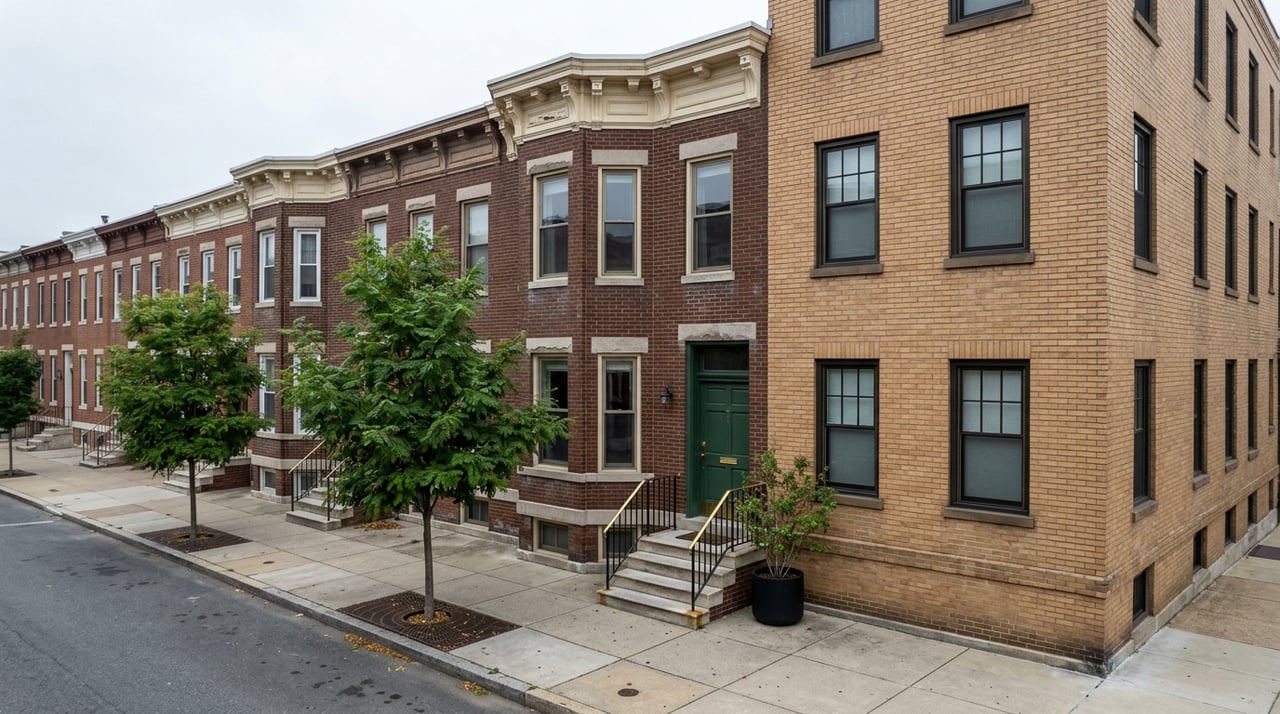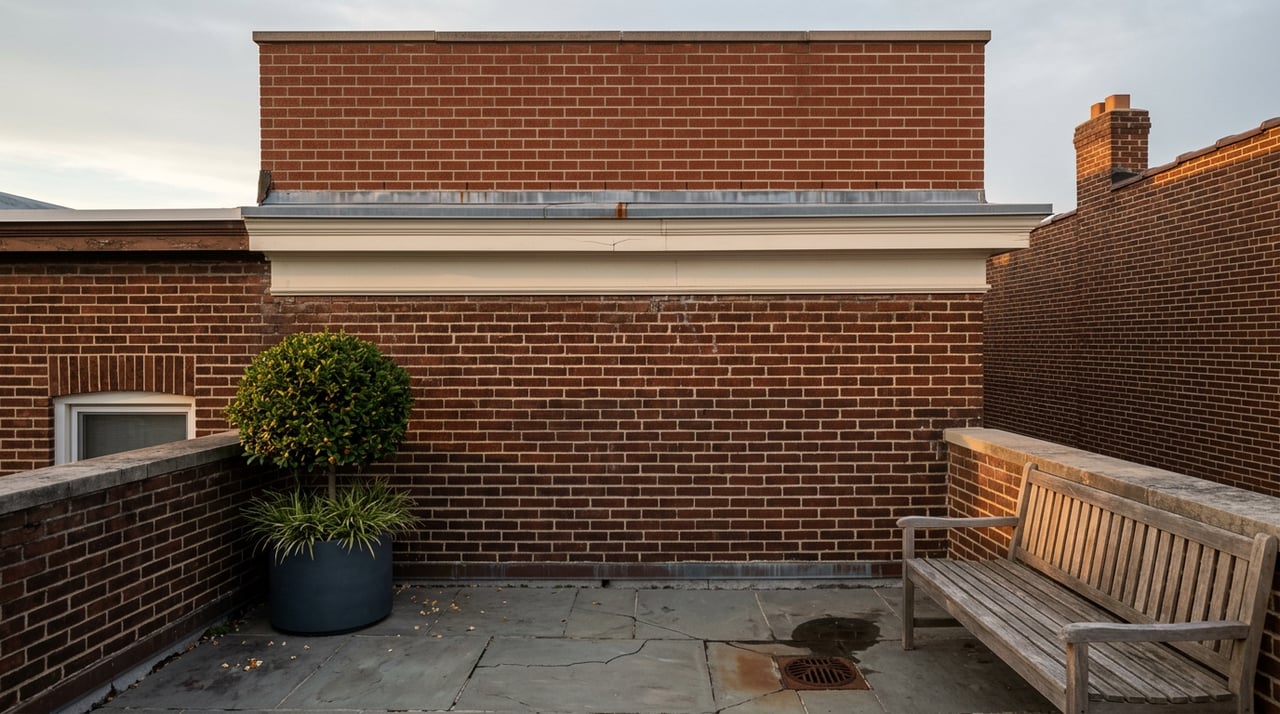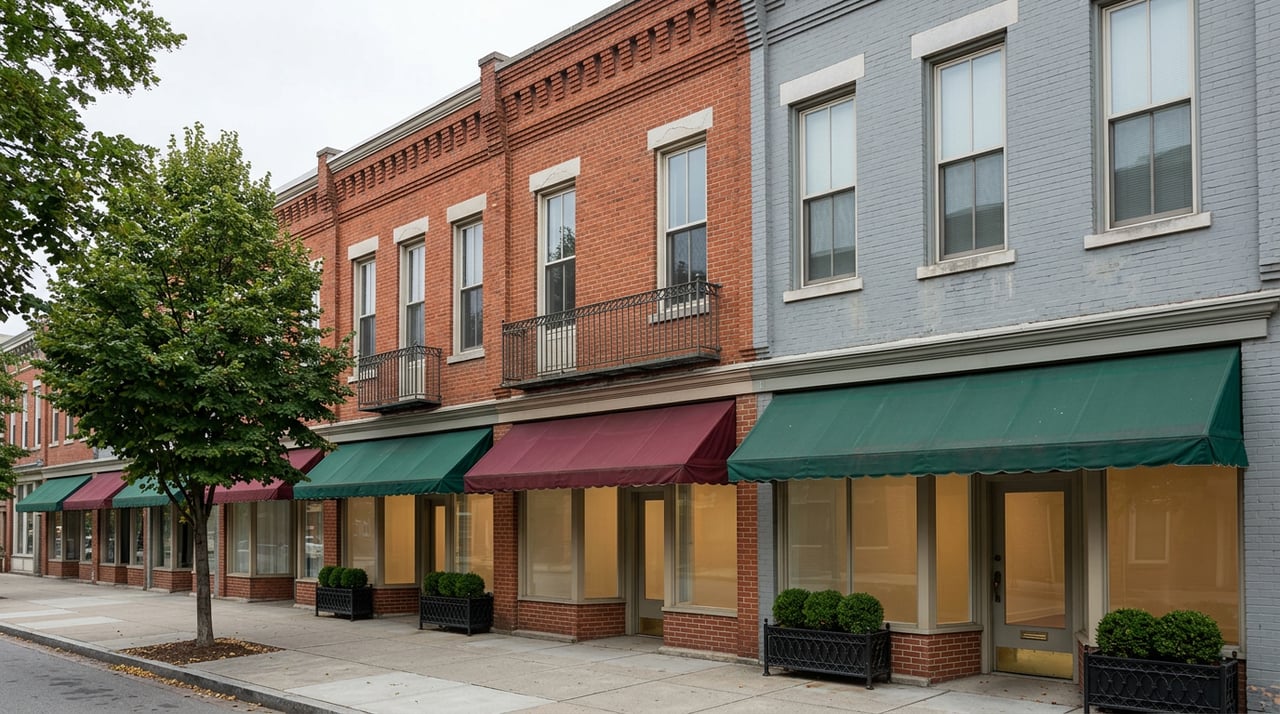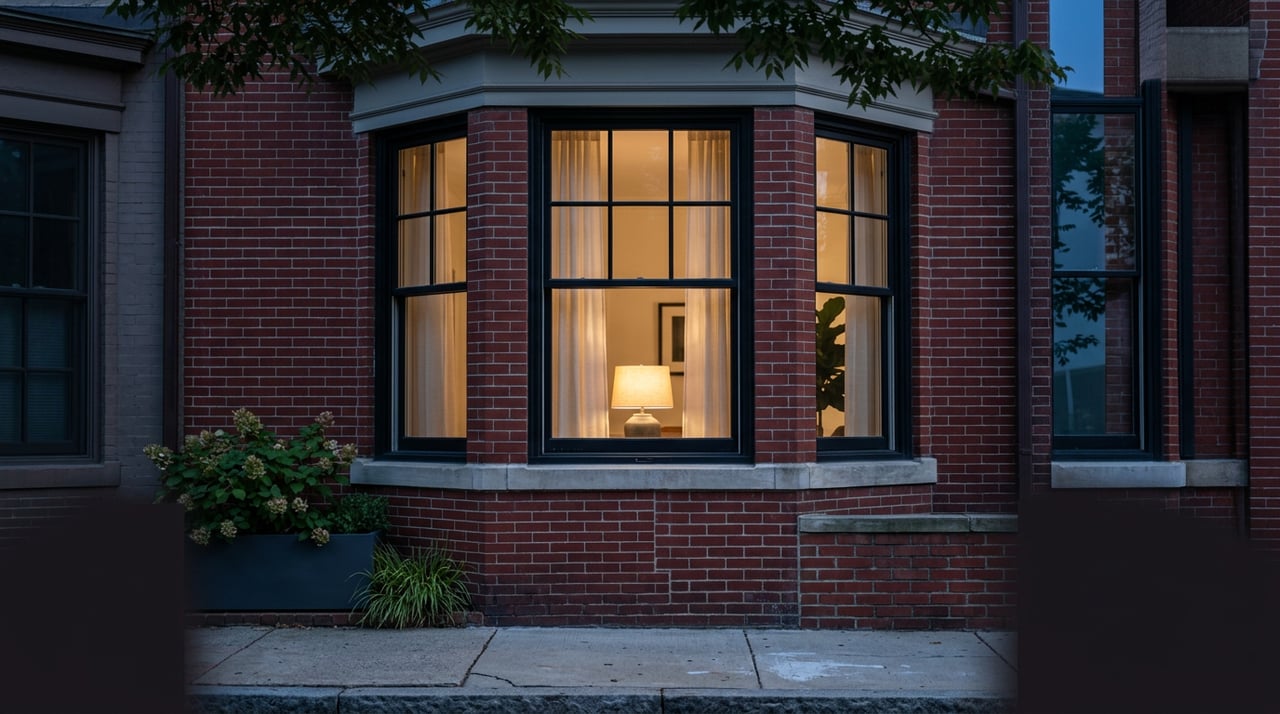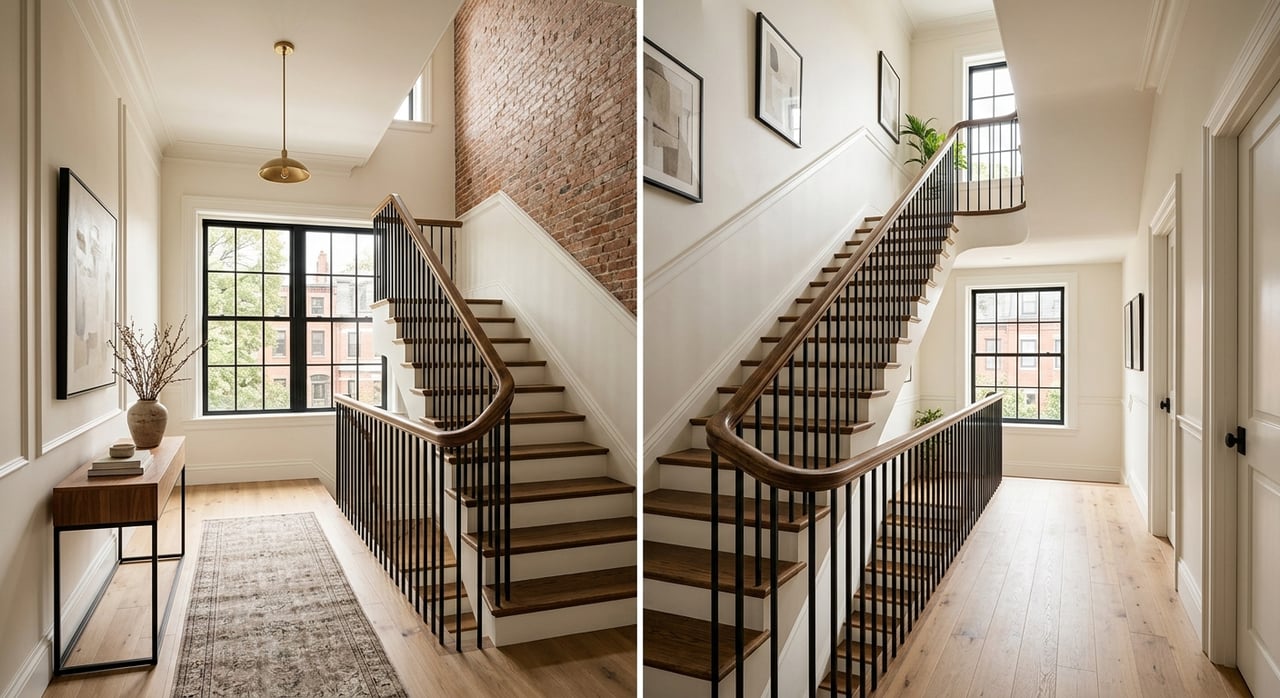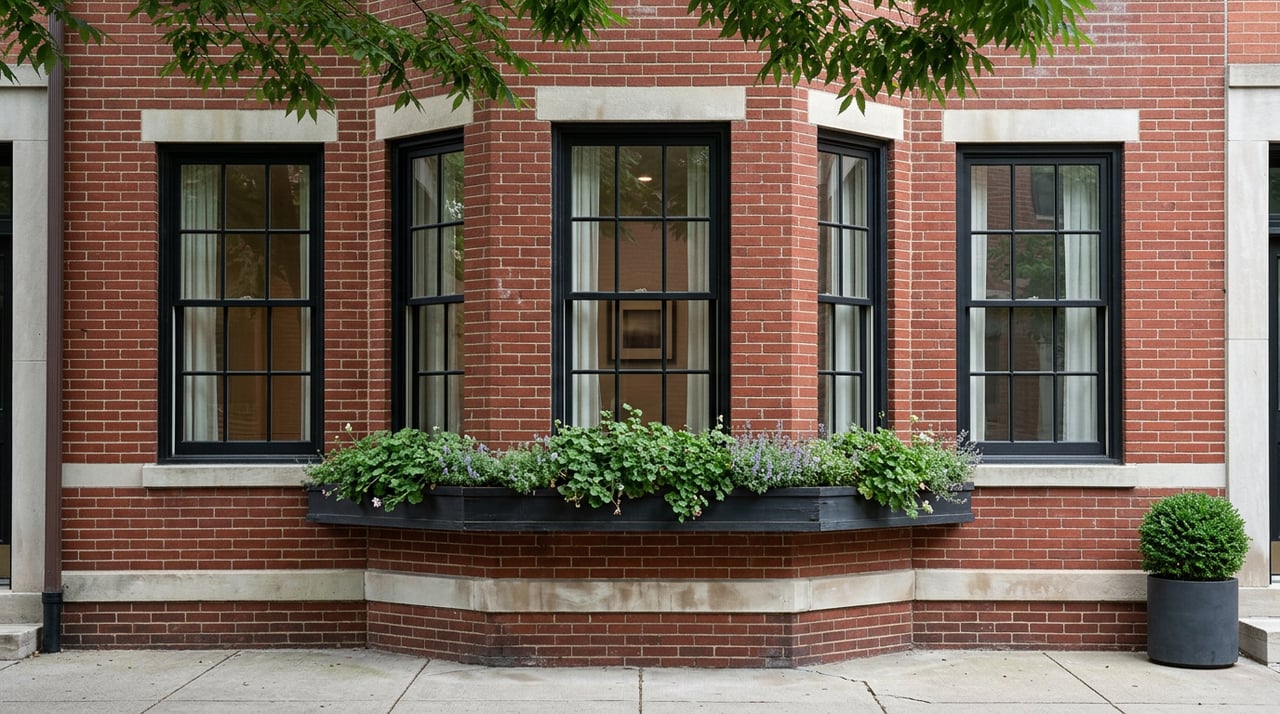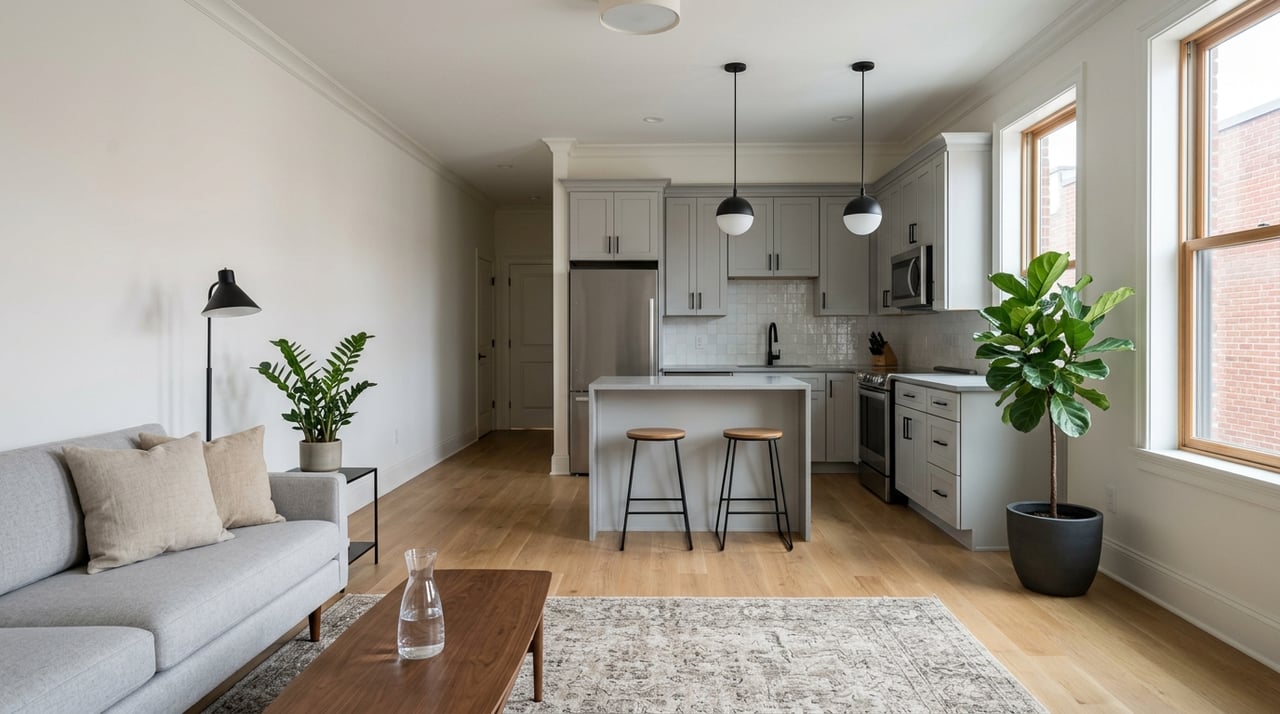
Finding the right condo in Mid City DC can feel simple until you start comparing actual buildings. One block has a small walk-up with a low monthly fee, another has an elevator and roof deck, and a few streets over you may find a newer unit with a much higher HOA than expected. If you are shopping in Columbia Heights, the key is not just finding a condo you like. It is understanding how the building, the block, and the monthly costs fit the way you want to live. Let’s dive in.
Start with Columbia Heights as a spectrum
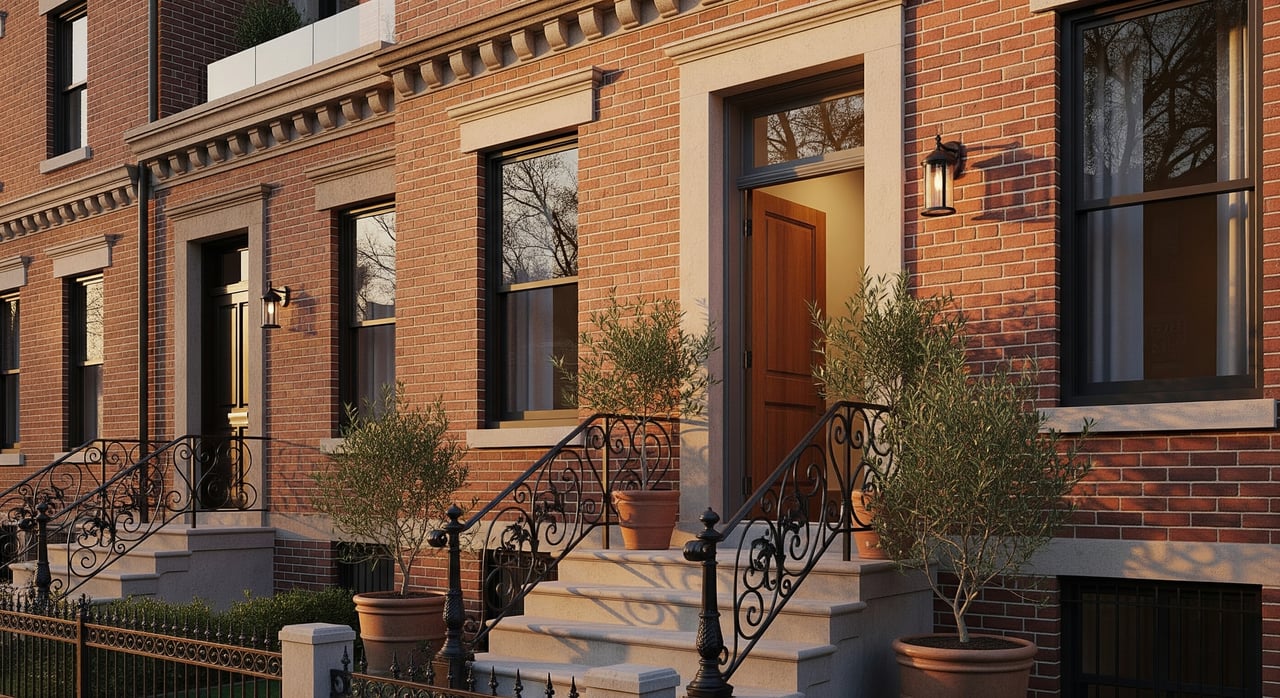
Columbia Heights is part of DC’s broader Mid-City planning area, and it works best to think of it as a range of condo options rather than one uniform market. The neighborhood is shaped by major corridors like 14th Street, Georgia Avenue, Mt. Pleasant Street, and Columbia Road, so inventory can vary a lot from block to block.
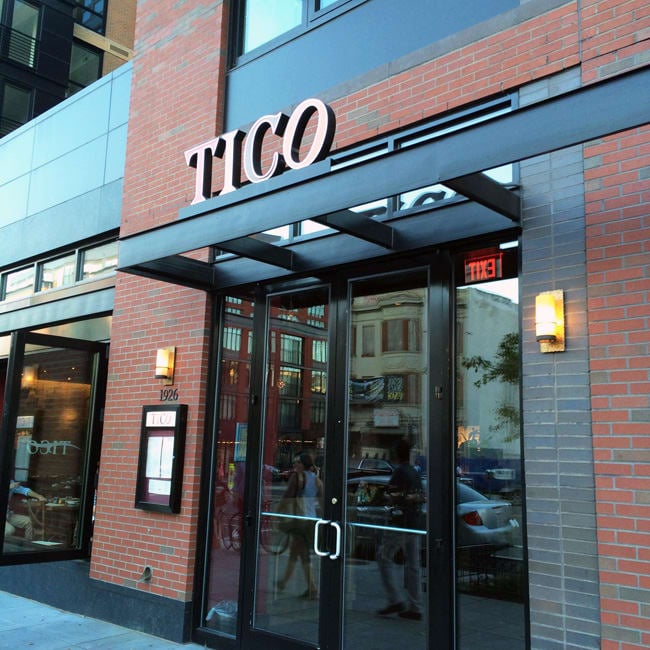
That matters when you start touring. A condo near the commercial core may offer a different day-to-day feel than one on a quieter residential street, even if the square footage and price look similar online. In practice, many buyers are comparing nearby pockets with different building ages, street character, and price points.
Ward 1 planning materials also show how close-in neighborhoods each have their own flavor. Adams Morgan is more retail and nightlife oriented, Mount Pleasant is known for leafy streets and townhouse fabric, and the U Street Corridor extends activity to the south. If you are choosing a Mid City condo, you are often choosing between several connected but distinct pockets.
Know the current price ladder
Columbia Heights condo pricing covers a fairly wide range. As of early June 2026, there were 96 condos for sale with a median listing price of $499,000 and about 57 days on market.
Recent listings help show what that range looks like in real terms. Entry-level options can still land in the mid-$300,000s to low-$400,000s, with examples like a 2-bedroom, 1-bath at $349,900 and 1-bedroom, 1-bath units around $395,000 to $403,000. Larger or more upgraded homes move up quickly, with a 2-bedroom, 2-bath around $510,000 and higher-end units reaching $875,000.
That creates a useful working price ladder:
- Mid-$300Ks to low-$400Ks: smaller or simpler walk-up condos
- Around $500K: many two-bedroom options or more updated homes
- Mid-$500Ks to $800Ks+: larger, upgraded, penthouse, or more premium building options
If you are comparing nearby neighborhoods, the spread shifts. U Street had a median listing price of $450,000 in early June 2026, while Logan Circle was higher at $550,000. Shaw Historic District and Mount Pleasant trend pricier as broader neighborhood context, though those figures are best used directionally rather than as direct condo comps.
Match the building type to your lifestyle
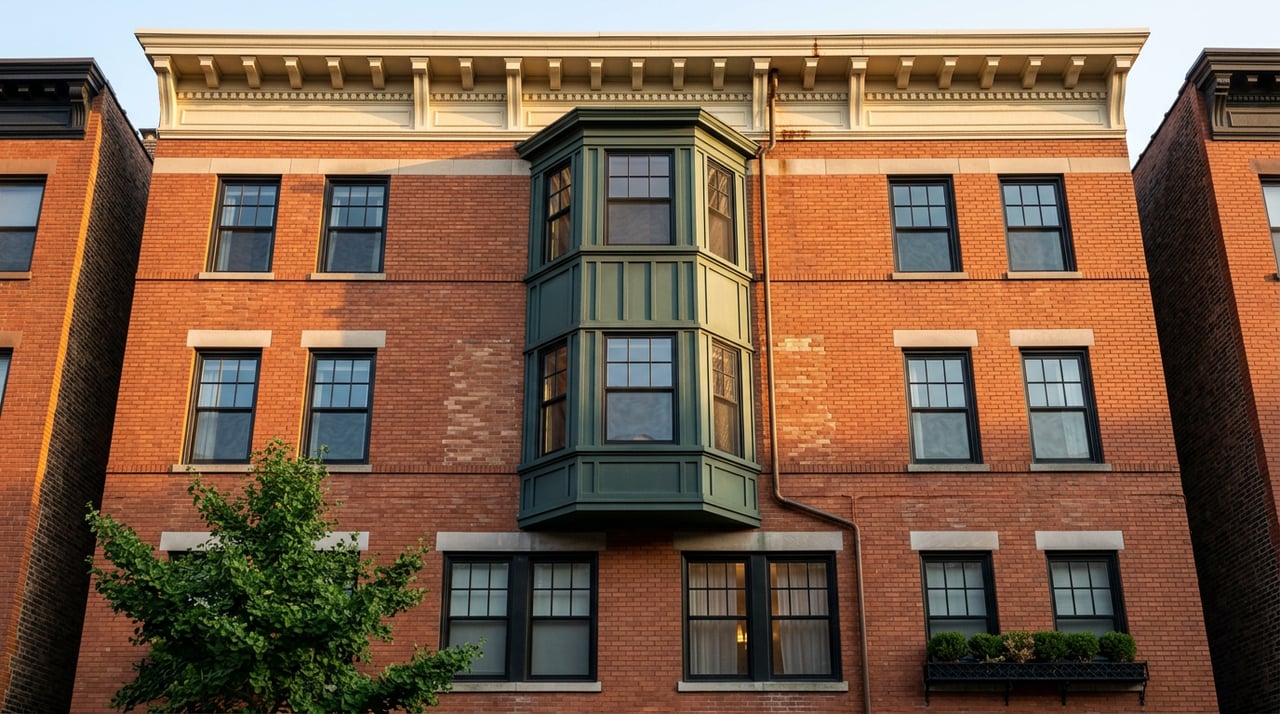
One of the biggest condo mistakes is focusing only on the unit and not enough on the building itself. In Columbia Heights and nearby Mid City neighborhoods, building type often shapes your monthly costs, maintenance expectations, and resale experience.
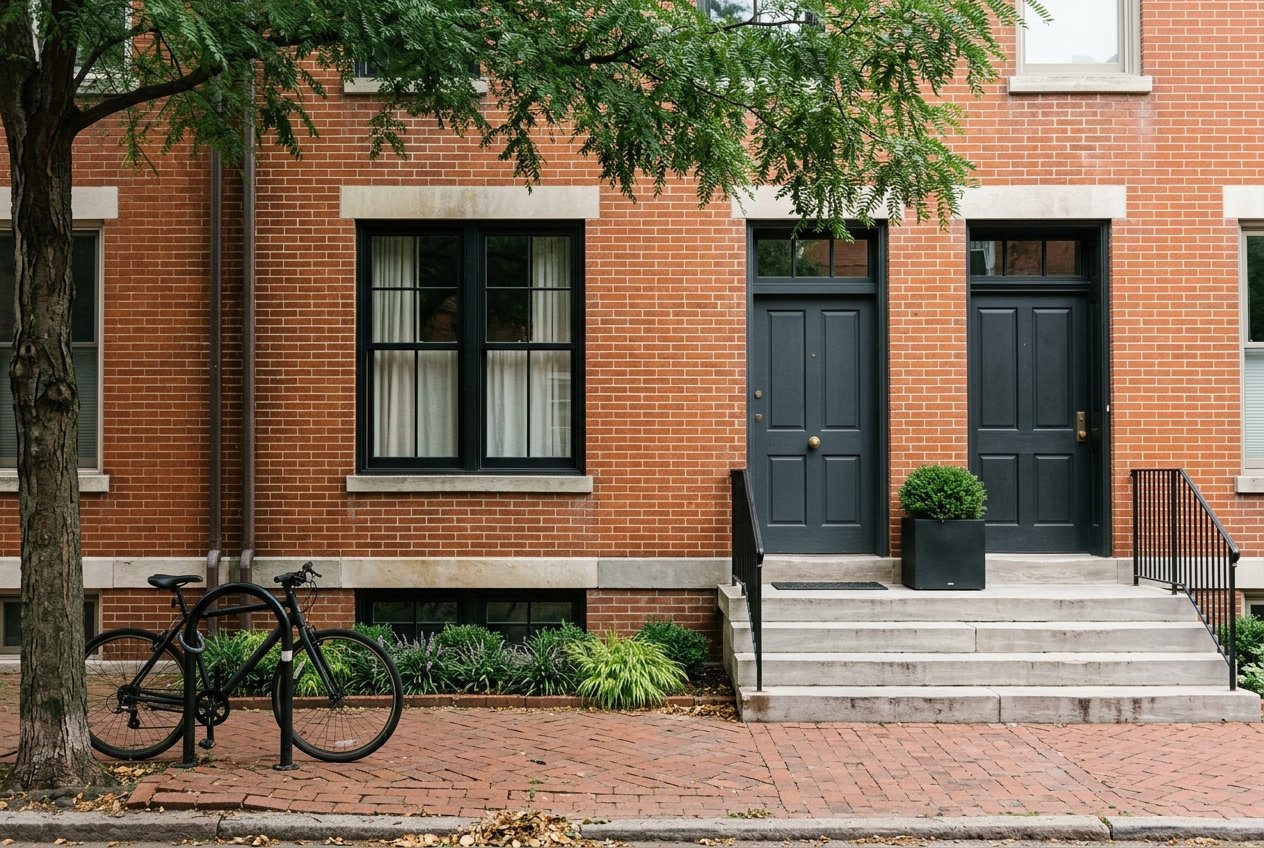
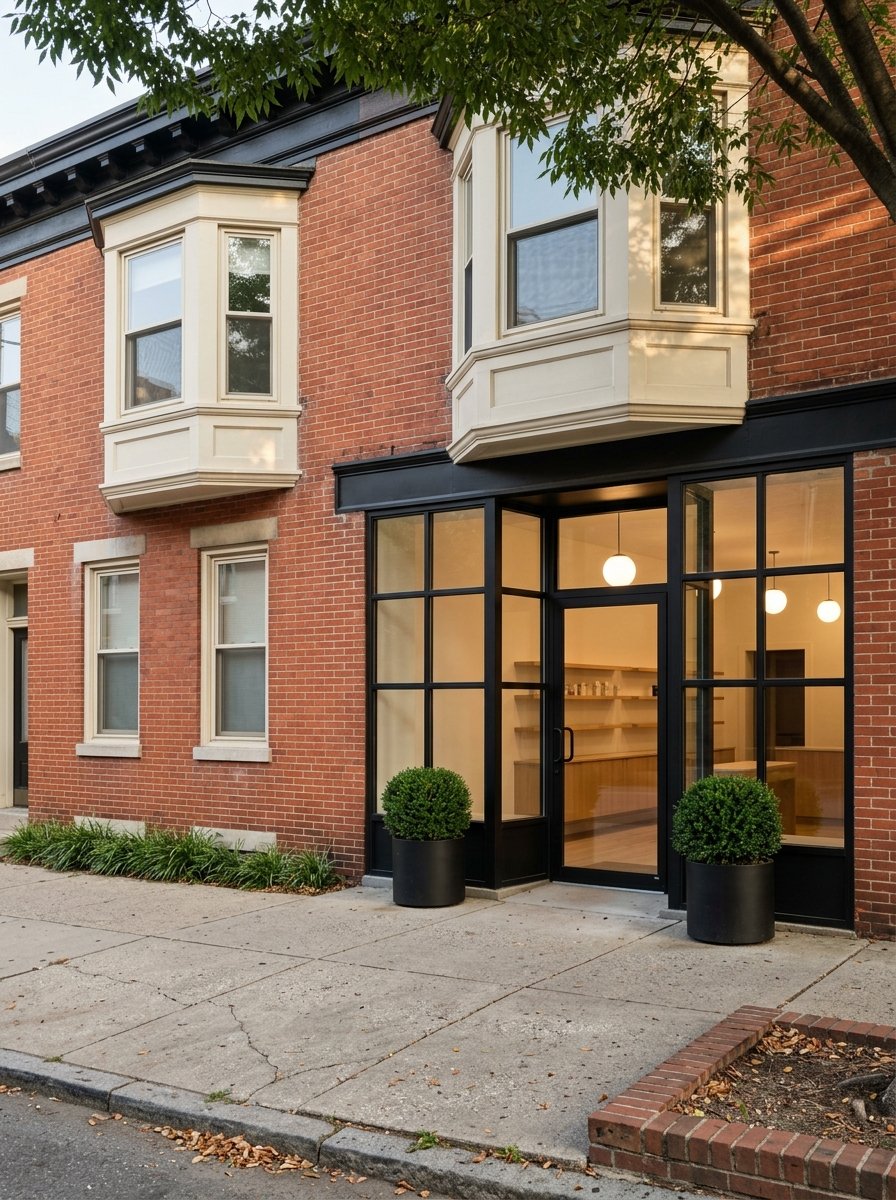
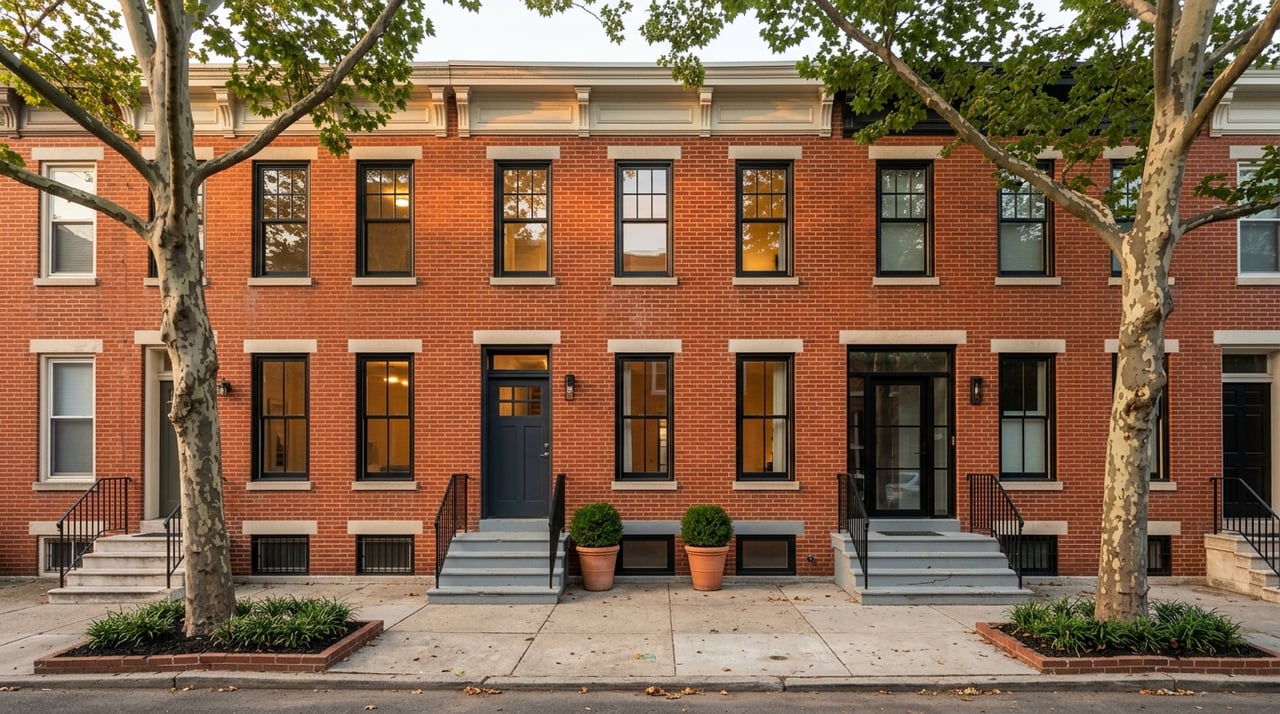
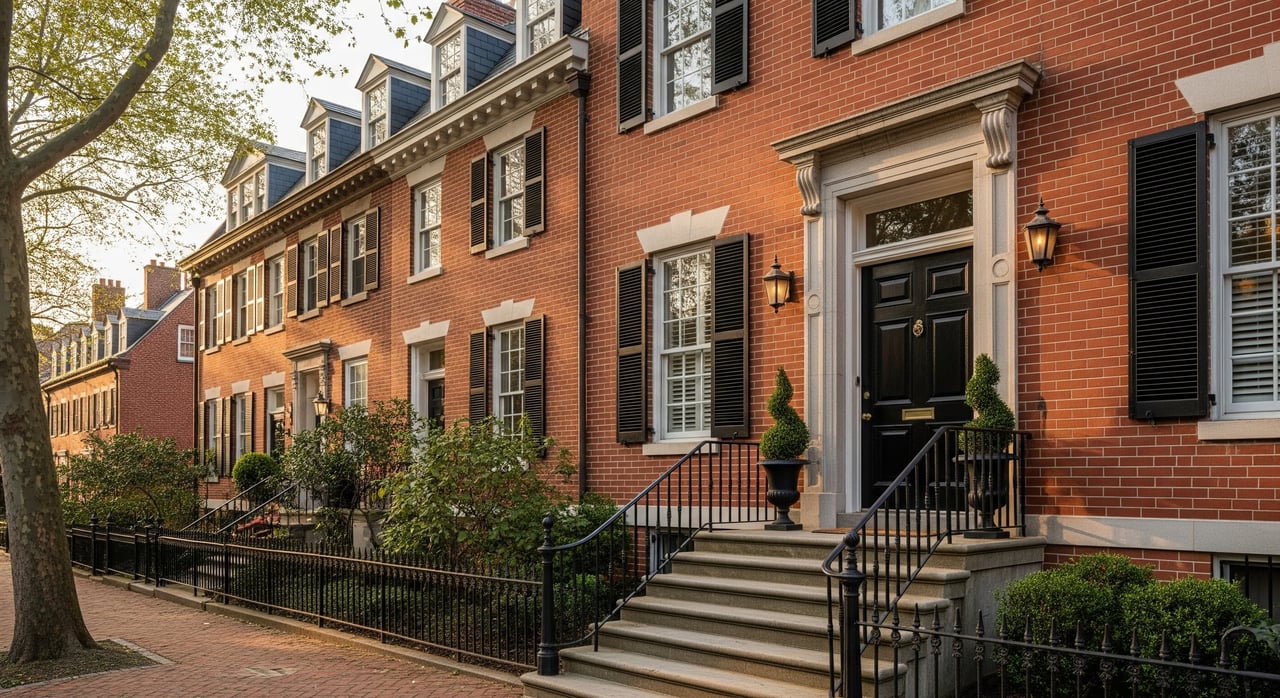
A smaller walk-up may appeal if you want lower shared-building complexity and fewer amenities. An elevator building may make daily life easier, especially if you want convenience or plan to stay longer. A boutique conversion in an older rowhouse may offer character, but it can also come with a very different reserve profile and repair timeline than a larger association.
This is why newer does not always mean cheaper to own, and older does not always mean a lower monthly cost. Nearby Logan Circle inventory showed a 2022-built condo with a $460 HOA and a 1900 rowhouse conversion with a $623 HOA. The monthly fee only makes sense when you know what it includes and what the building may need next.
Ask what the HOA fee is buying
A condo fee is not just a number on a listing sheet. It is a monthly budget line tied directly to how the building operates and how much risk you may be taking on later.
When you compare condos, ask what the fee covers right now. That can include reserves, insurance, trash, water, elevator service, and amenities. You should also ask whether parking or storage is deeded or assigned, and whether there are rental caps or pet rules that matter to your plans.
Here are smart questions to ask during your search:
- What utilities or services are included in the monthly fee?
- How much of the budget goes to reserves?
- Are there planned capital projects?
- Has the association discussed a special assessment?
- How old are key systems like the roof, facade, elevator, or HVAC?
- Are parking and storage included, deeded, or separate?
A lower HOA fee can be attractive, but it is not always the better value. If a building has thin reserves and major work ahead, a lower monthly number today can lead to bigger costs later.
Understand DC condo document timing
DC law gives condo buyers an important due diligence window, and it is one of the most valuable tools you have in this process. After a contract is executed, the seller must provide condo instruments and a certificate with key disclosures, including reserve information and planned capital expenditures, within 10 business days.
Once you receive those documents, you have a 3-business-day cancellation window. That means your review of the condo docs is not a side task. It is a central part of deciding whether a building is financially healthy and operationally sound.
The law also gives the unit owners’ association a lien for unpaid assessments. For buyers, that is another reason to understand how the association is run and whether the building’s finances appear stable.
Weigh amenities against monthly carry costs
Many buyers in Columbia Heights are balancing two good options. Do you choose the simpler building with fewer amenities and a lower monthly payment, or do you pay more each month for convenience features that may improve daily life?
There is no one right answer. If you want low maintenance and ease, an elevator, package area, professional management, or shared outdoor space may be worth the added cost. If your priority is keeping monthly carry costs down, a smaller walk-up with fewer building systems may be a better fit.
Think about how you actually live, not just what sounds nice during a showing. If you rarely drive, paying more for deeded parking may not improve your day-to-day life. If you work from home and use every inch of your space, storage or an extra half bath may matter more than a roof deck.
Think carefully about parking and transit
Columbia Heights, U Street, and Shaw-Howard U are all served by the Yellow and Green lines, and WMATA notes that these stations do not have parking. Columbia Heights station sits at 14th and Irving NW and is within walking distance of shopping, local eateries, and nearby destinations including Mt. Pleasant and Adams Morgan.
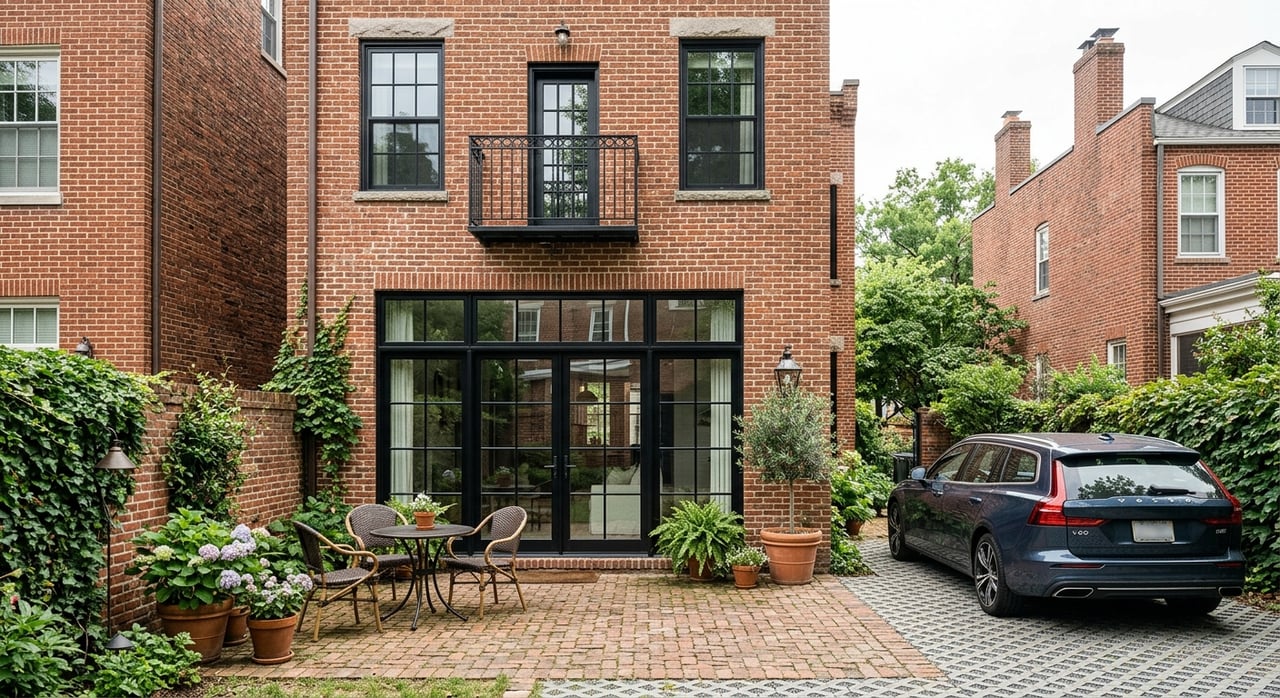
That makes one question especially important: do you want a car-light home, or do you want your condo to support car ownership more easily? For some buyers, being close to Metro is enough to skip paying for parking. For others, a deeded space or easier street parking changes the whole value equation.
This is where block-level differences really matter. A condo that looks slightly more expensive at first may actually fit better if it saves time, reduces transportation stress, or gives you storage and parking that you would otherwise need to rent or manage separately.
Use DC tax relief to shape your budget
If you plan to live in the condo as your primary residence, DC tax relief may improve affordability more than many buyers expect. For tax year 2026, the homestead deduction reduces assessed value by $91,950 for eligible owner-occupants.
DC also offers a reduced recordation tax rate for first-time homebuyers on houses and condominium units, with a purchase-price ceiling of $777,000 for tax year 2026. The reduced recordation tax rate is 0.725%.
For a first-time buyer in Columbia Heights, those savings can affect what monthly payment feels comfortable or whether a slightly stronger building becomes realistic. It is a good reminder to think about total ownership cost, not just the list price.
Compare nearby Mid City pockets wisely
If you are not sure Columbia Heights is your exact fit, that is normal. Mid City buyers often compare Columbia Heights with U Street, Logan Circle, Adams Morgan, or Mount Pleasant before they decide.
A practical way to compare is to focus on the trade-offs that affect your daily life:
- Columbia Heights: broad condo mix, strong transit access, major commercial core, wide pricing range
- U Street: active corridor, Metro access, lower entry points still possible for some one-bedrooms, larger units can climb fast in price
- Logan Circle: generally higher pricing, more premium product mix in many cases
- Mount Pleasant: different street character and housing fabric, often part of the conversation for buyers who want a more residential feel
This kind of comparison helps you avoid shopping by listing photos alone. You are not just choosing finishes or square footage. You are choosing a building type, a monthly cost structure, and a neighborhood rhythm.
Focus on the right condo for you
The right Mid City DC condo is usually not the one that checks the most boxes on paper. It is the one where the unit, the HOA, the block, and the budget all make sense together.
In Columbia Heights, that often means deciding what matters most before you tour too many homes. Do you want the lowest monthly carry costs, or a building that feels easier to own? Do you want to live closest to Metro and retail, or would you rather trade a few minutes of walking for a quieter block? Do you care more about parking, storage, and amenities, or more about reserve strength and long-term predictability?
When you answer those questions early, your search gets much clearer. And when you review each building with the same practical lens, you are much more likely to choose a condo that feels good on closing day and still feels right a few years later.
If you want help comparing Columbia Heights condos, nearby Mid City options, or the real monthly cost behind the listings, Jen Angotti can help you narrow the field and make a confident decision.
FAQs
How much do Columbia Heights condos cost in 2026?
- As of early June 2026, Columbia Heights had 96 condos for sale with a median listing price of $499,000, with examples ranging from $349,900 to $875,000.
What should buyers review in DC condo documents?
- Buyers should review reserve information, planned capital expenditures, condo instruments, and other disclosures the seller must provide after contract execution, then use the 3-business-day cancellation window after receiving those documents if needed.
Are lower HOA fees always better for Columbia Heights condos?
- No. A lower fee may mean fewer services or thinner reserves, so it is important to ask what the fee covers and whether the building may need major work or special assessments.
Is parking important when buying a condo in Columbia Heights?
- It depends on how you live. Since Columbia Heights, U Street, and Shaw-Howard U stations are on the Yellow and Green lines and do not have station parking, some buyers prioritize Metro access while others place extra value on deeded parking or easier street parking.
Can first-time buyers get DC tax relief on a Columbia Heights condo?
- Yes. DC offers a reduced recordation tax rate of 0.725% for eligible first-time homebuyers on houses and condominium units up to the 2026 purchase-price ceiling of $777,000, and eligible owner-occupants may also qualify for the homestead deduction.
How does Columbia Heights compare with nearby Mid City neighborhoods for condo buyers?
- Columbia Heights offers a wide range of condo types and price points, while nearby areas like U Street, Logan Circle, and Mount Pleasant may differ in price baseline, building mix, street character, and day-to-day lifestyle fit.