If you are shopping for a condo in Logan Circle, the monthly condo fee can feel like one of the hardest numbers to judge. A fee that looks low at first glance is not always a bargain, and a higher fee is not always a red flag. When you understand what that number says about the building, its budget, and future costs, you can make a much more confident decision. Let’s dive in.
Why Logan Circle Fees Vary
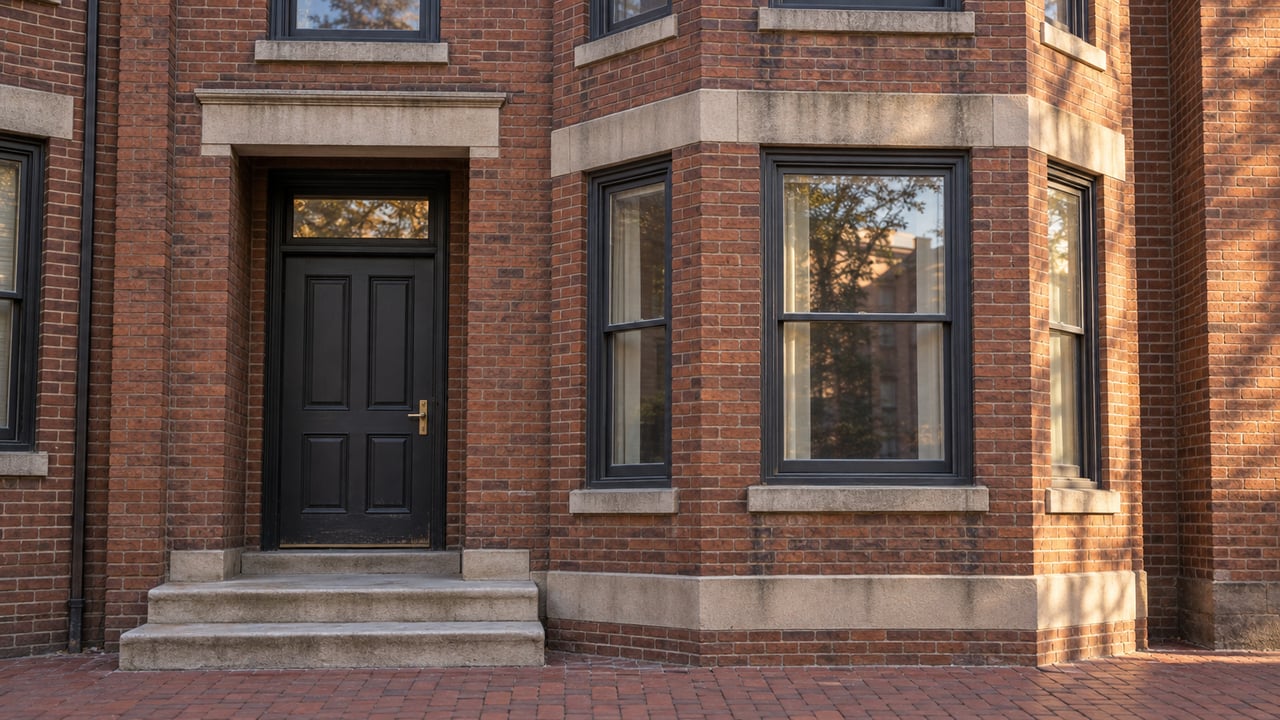
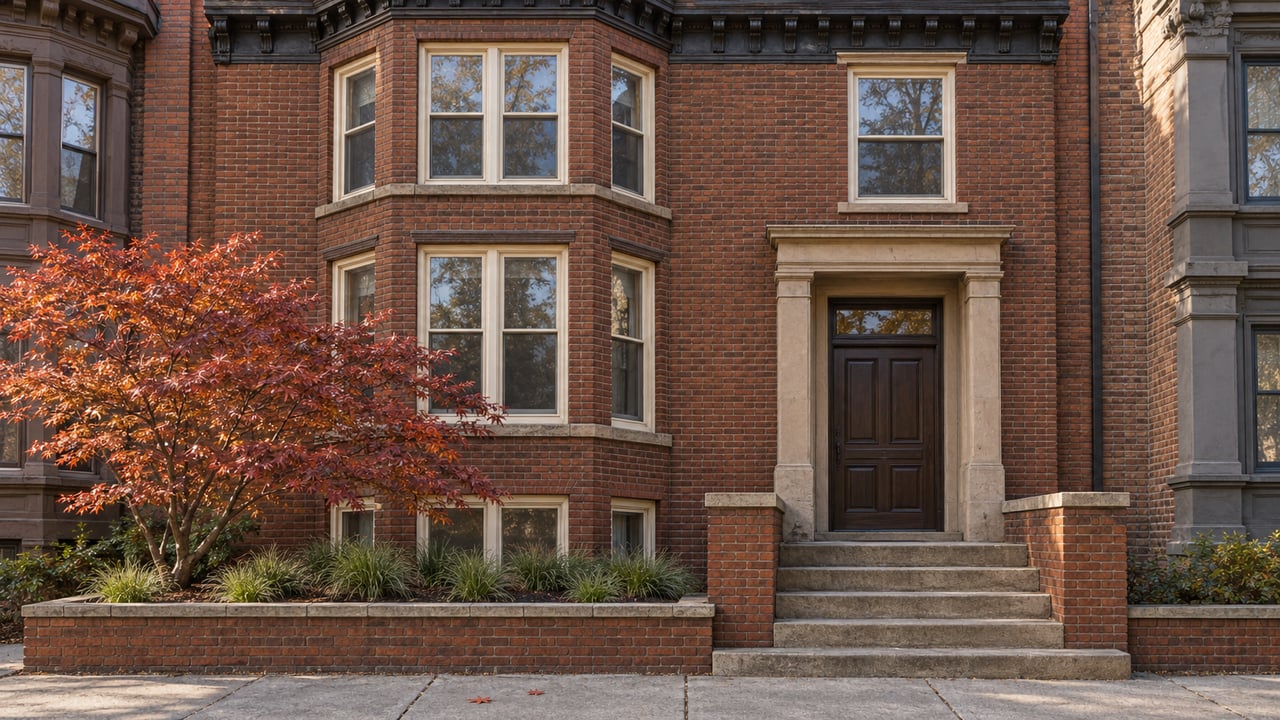
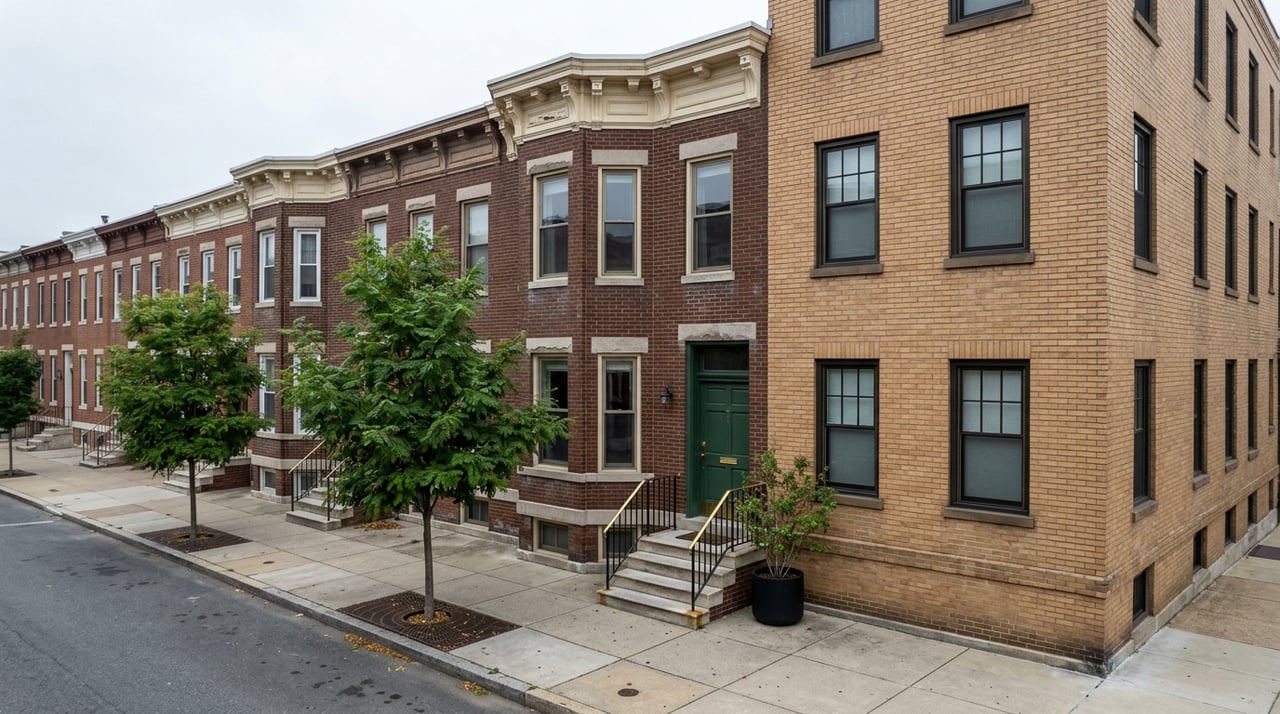
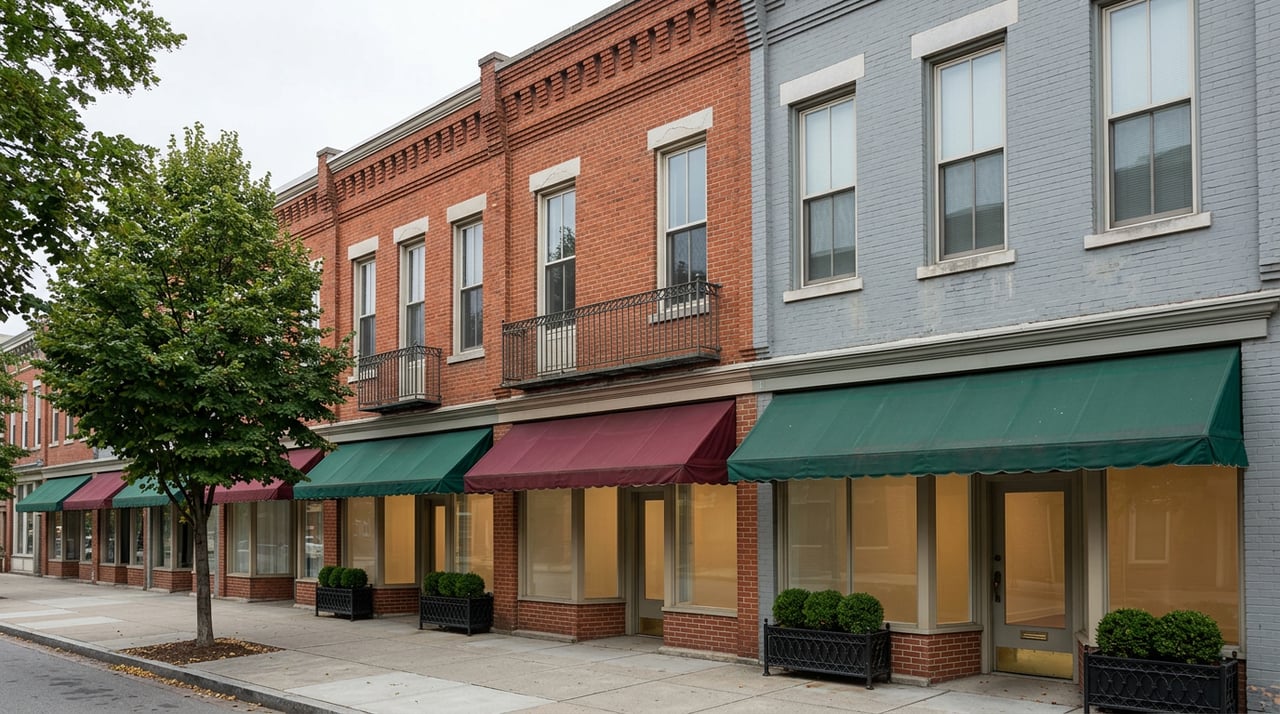
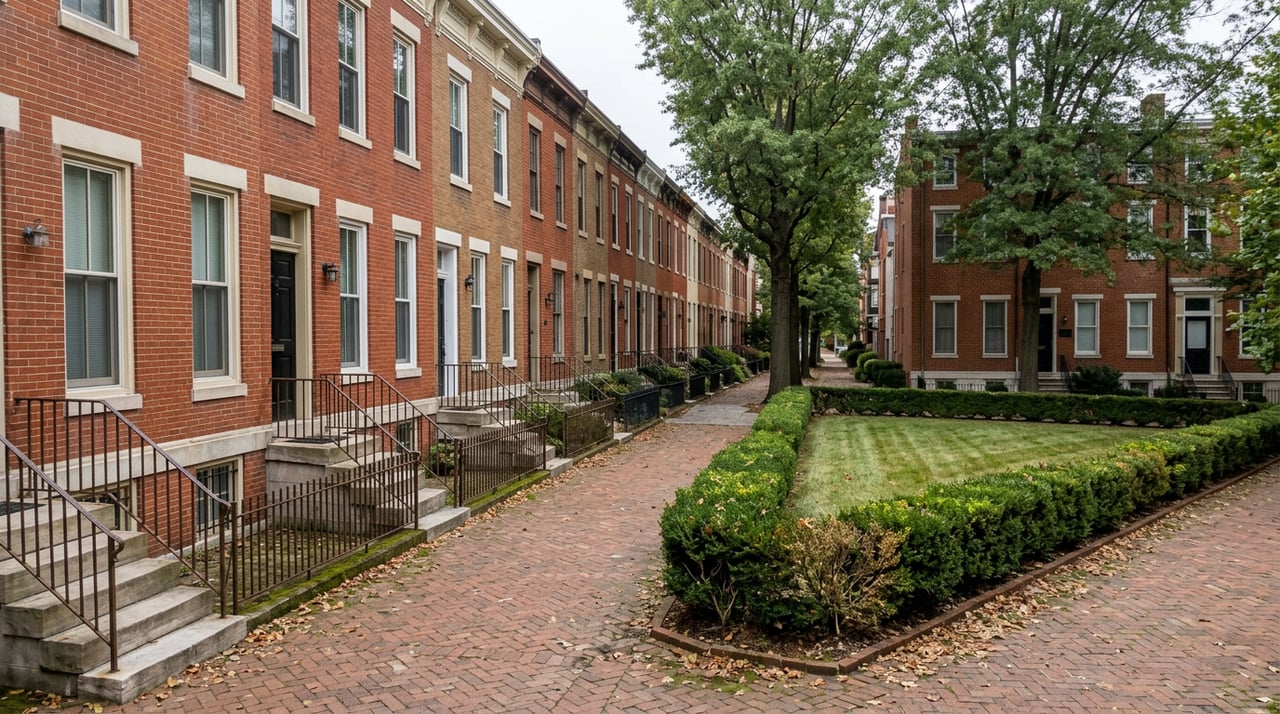
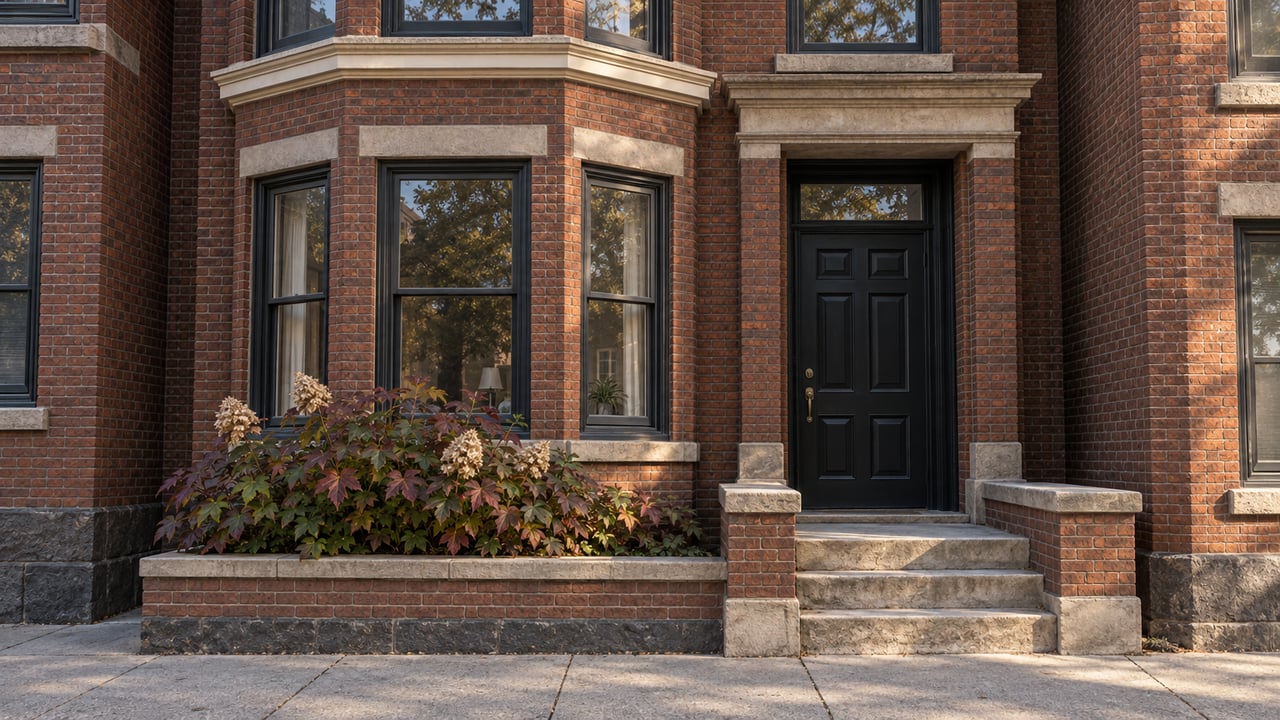
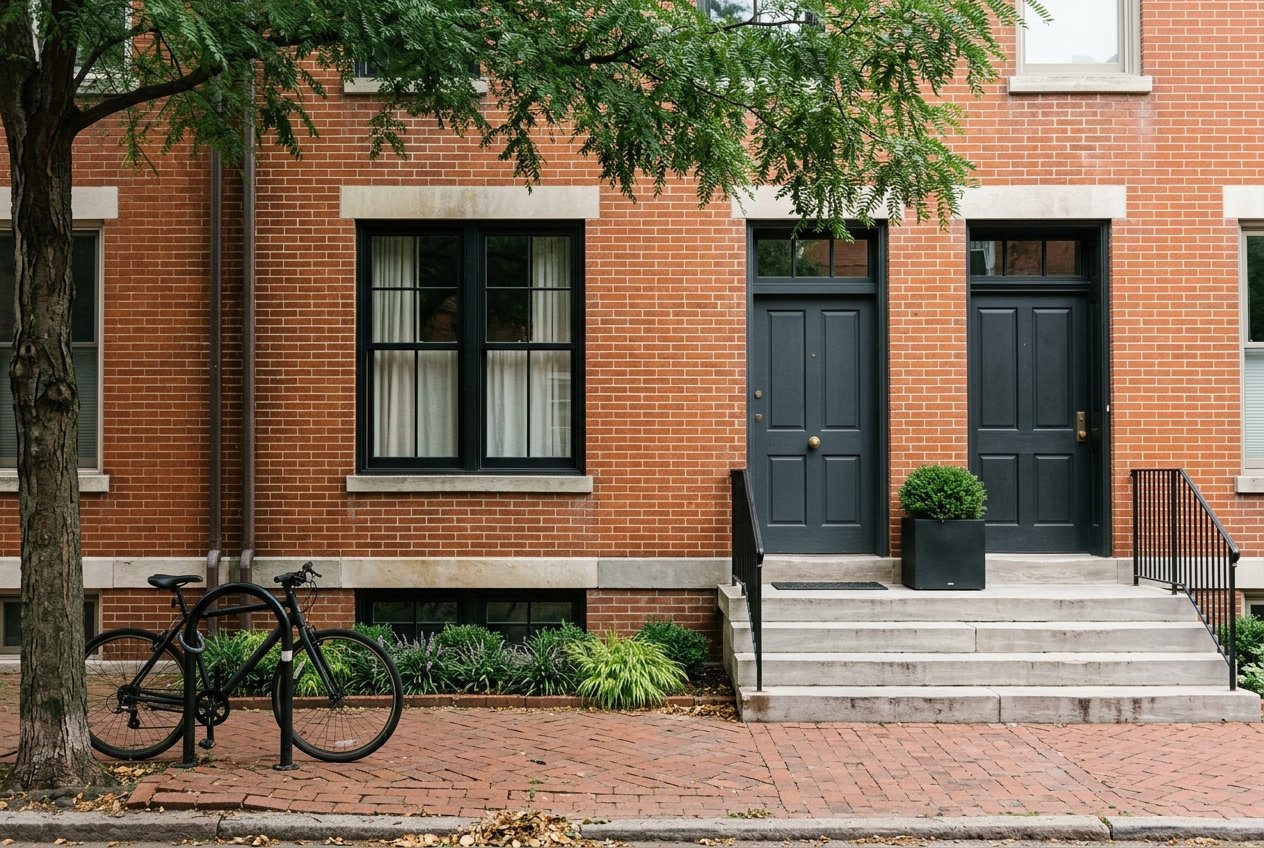
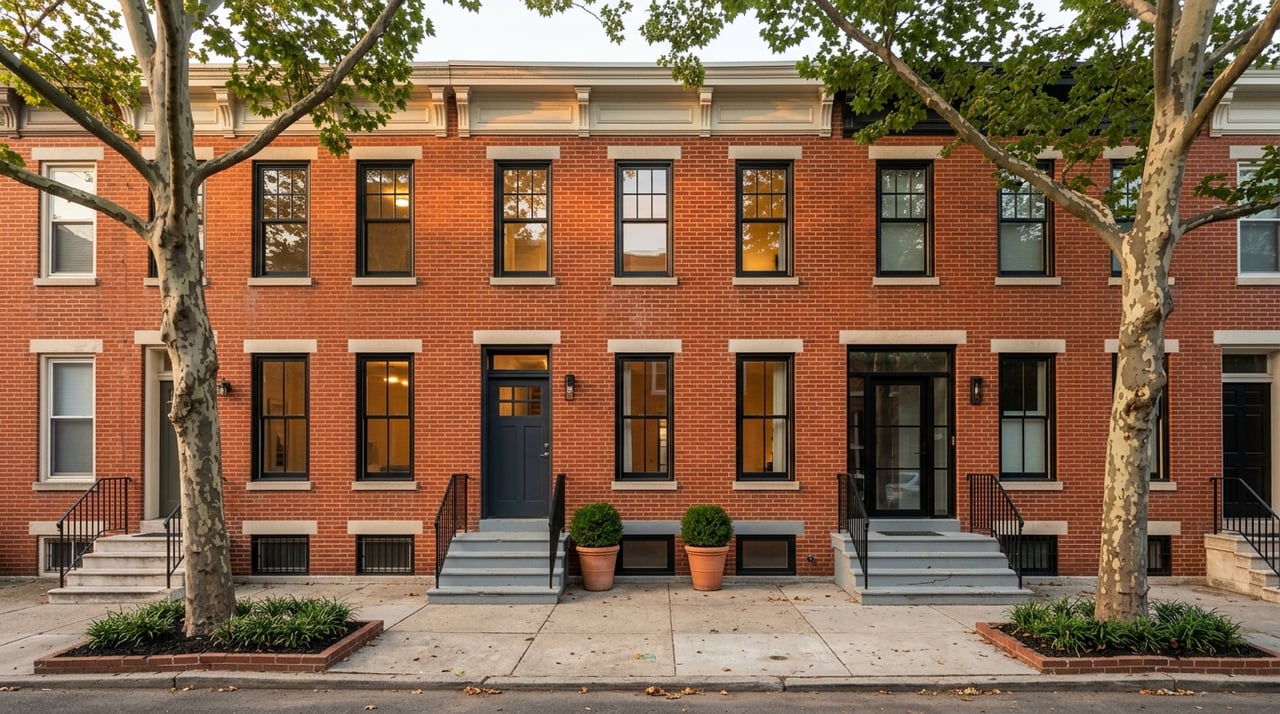
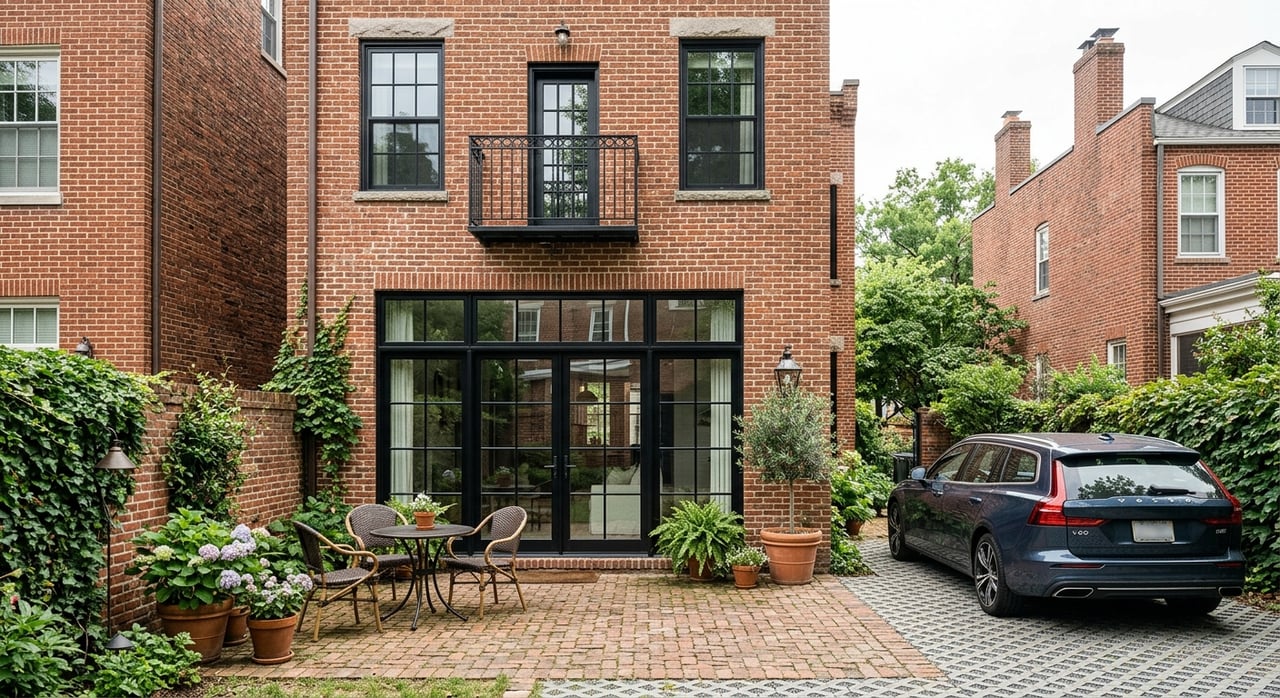
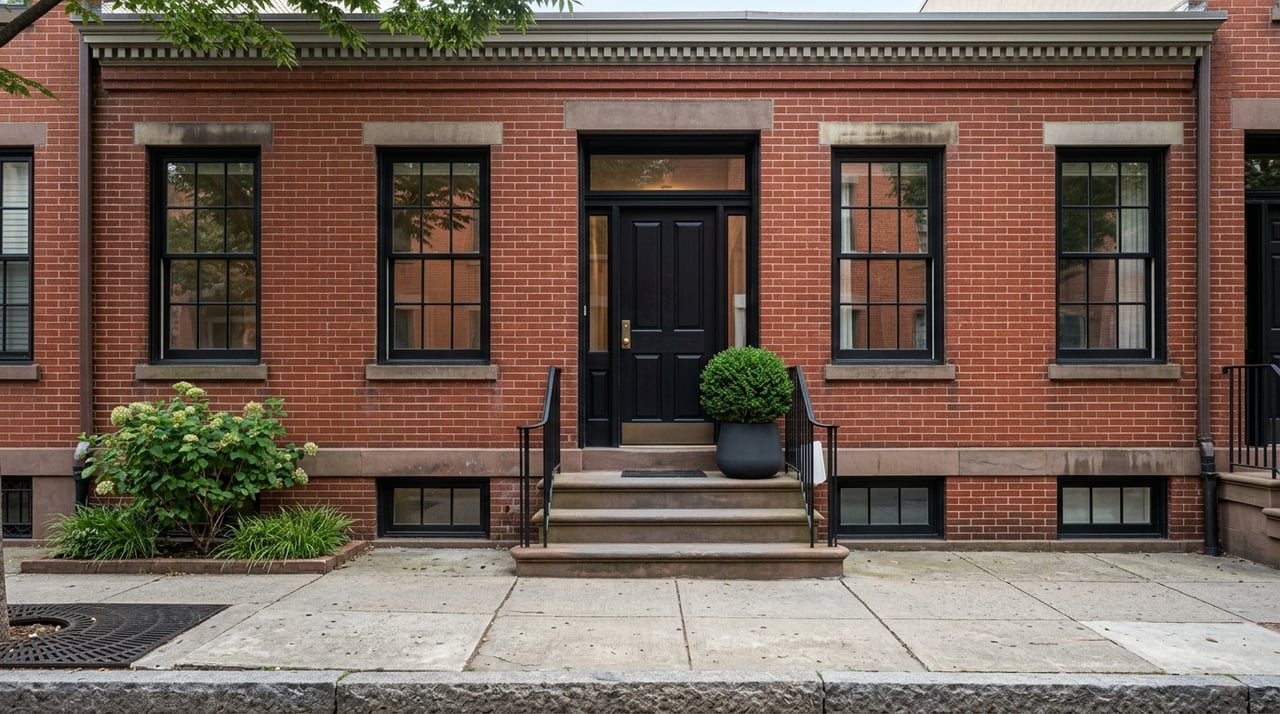
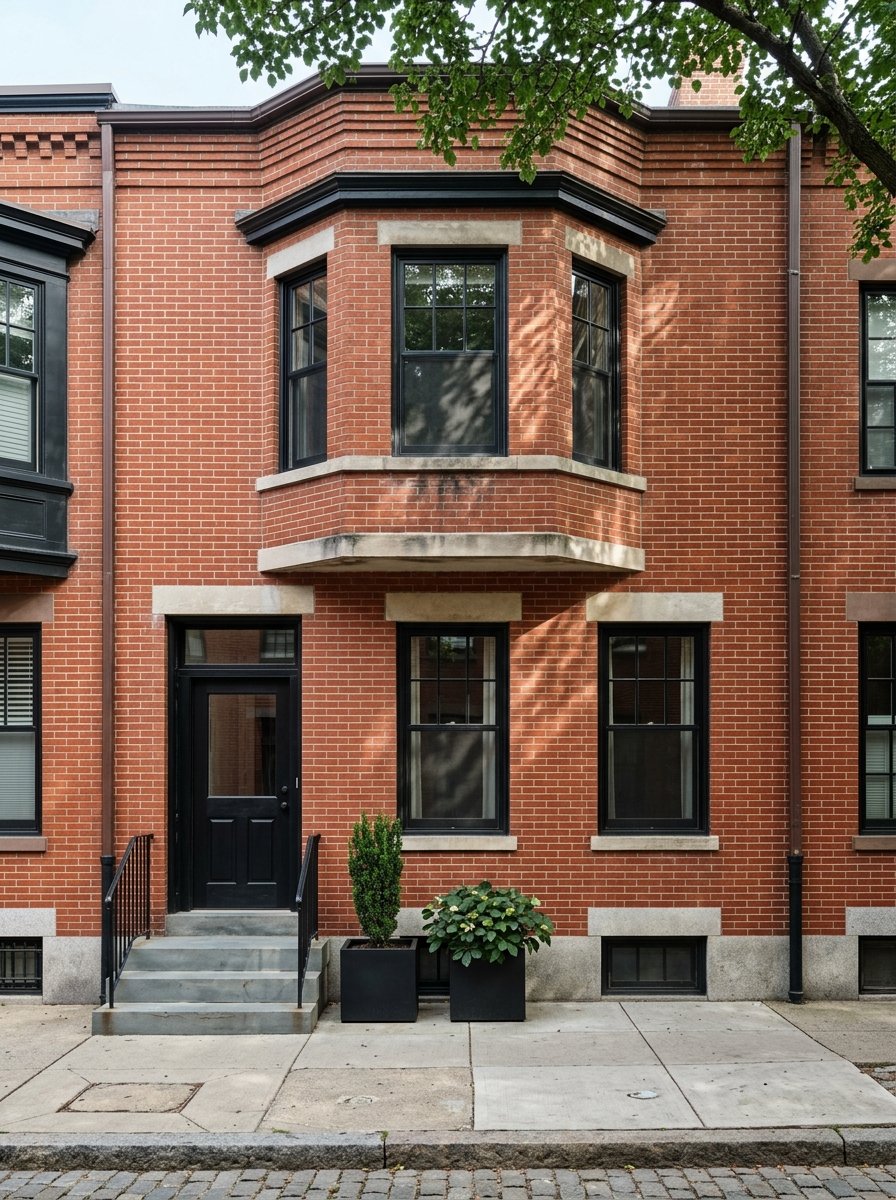
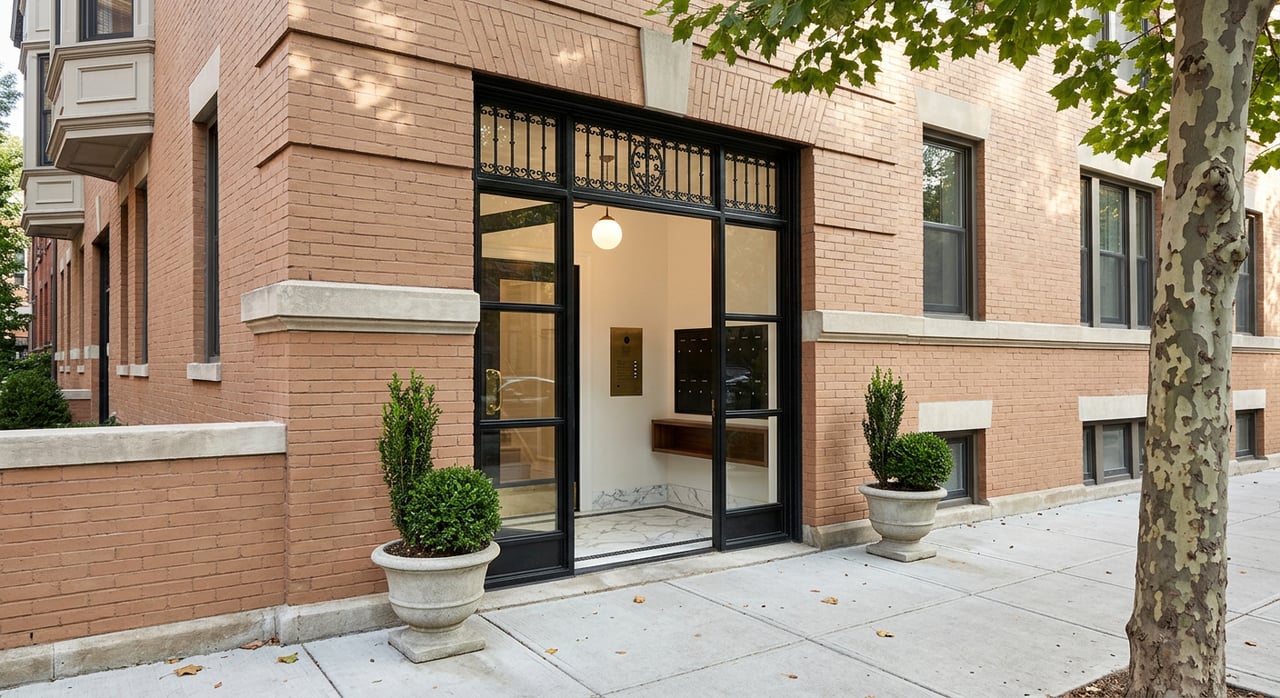
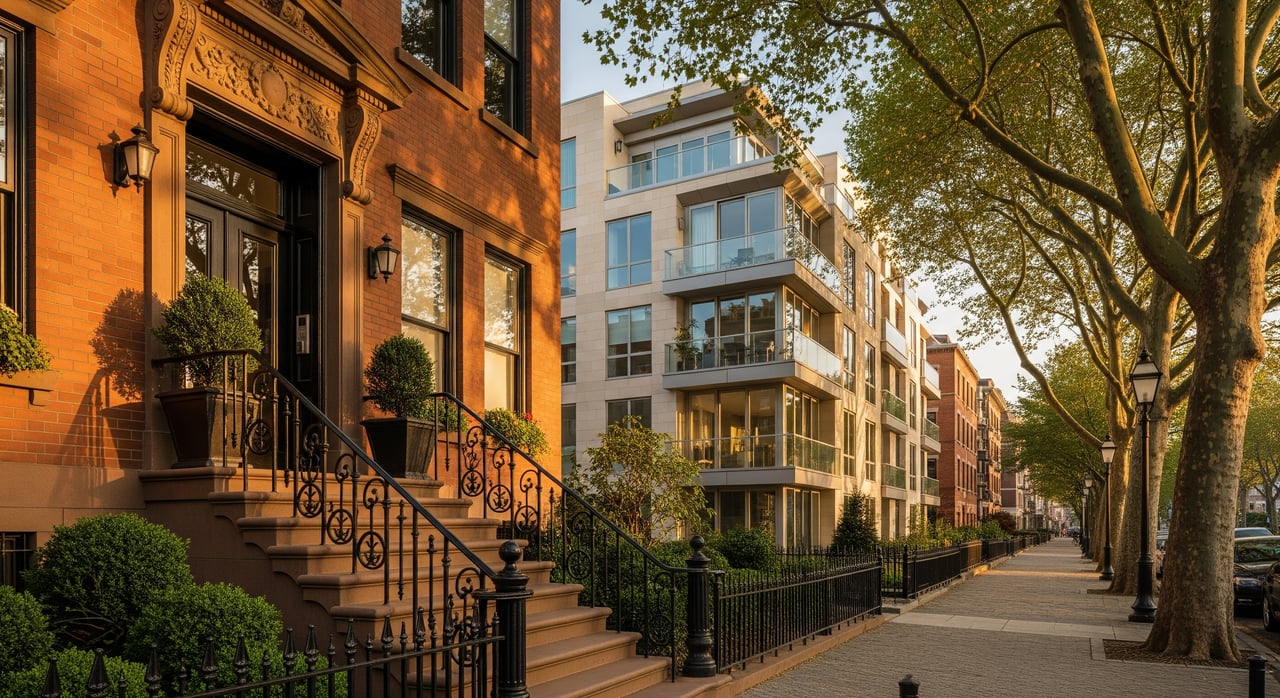
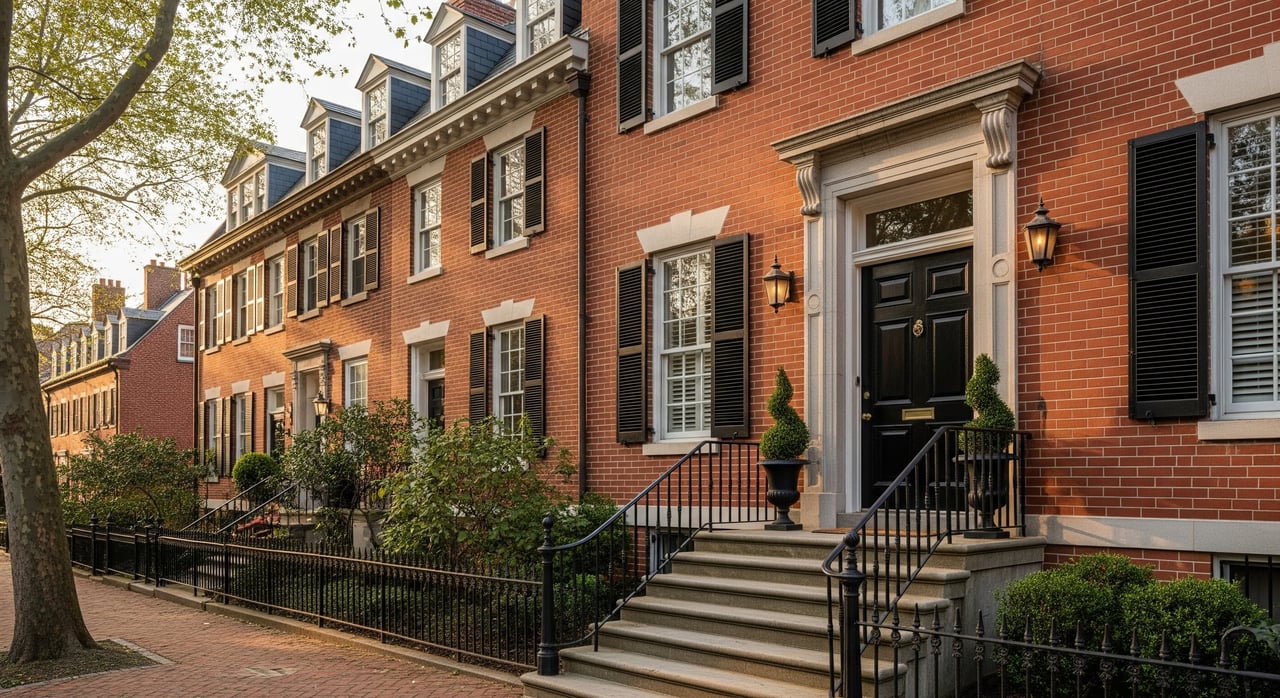
Logan Circle has a mix of housing types, and that matters. The neighborhood includes historic late-19th-century buildings, many of them three- and four-story houses, along with renovated properties and newer multi-family development near the 14th Street corridor.
That blend helps explain why condo fees can vary so much from one building to the next. Two condos only a few blocks apart may have very different budgets because they are operating very different kinds of buildings.
Older Conversions vs Newer Buildings
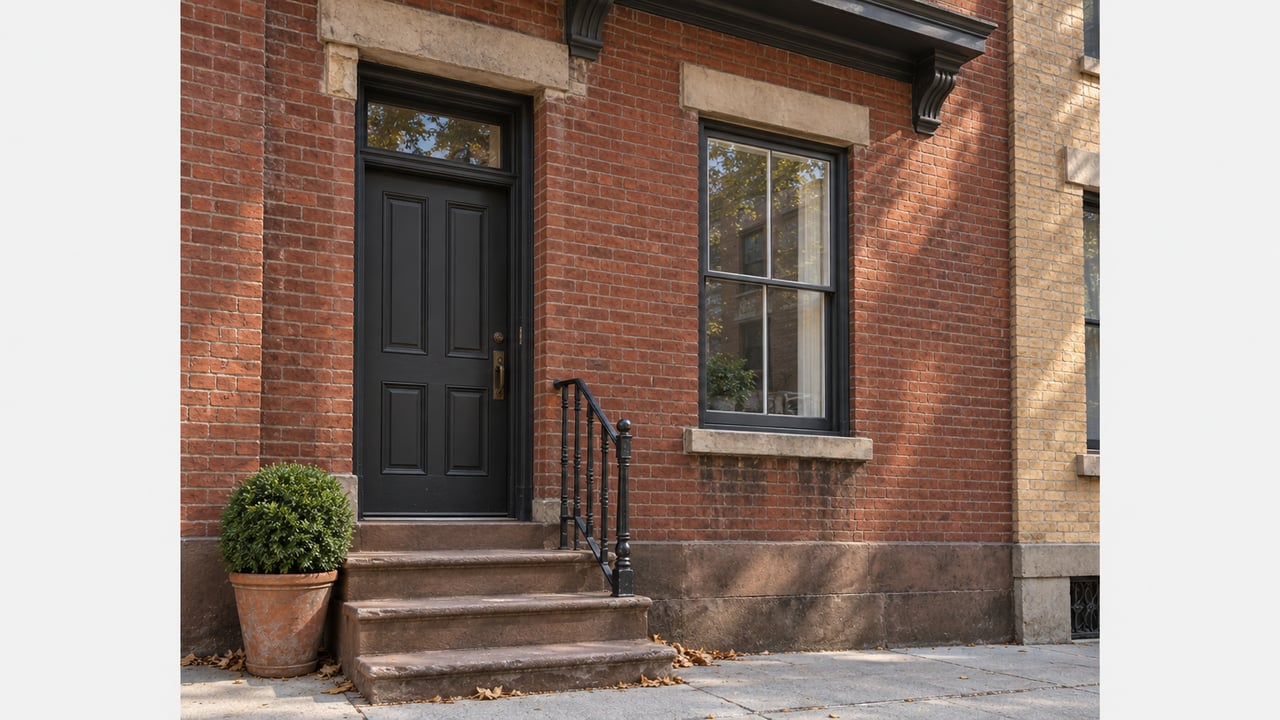
In older converted buildings, the budget may lean more heavily toward repairs and replacement of aging systems. Think roofs, masonry, shared mechanical systems, and other common elements that need ongoing care over time.
In newer buildings, fees may be shaped more by staffing, shared services, and amenity operations. D.C. condo associations are allowed to budget for revenues, expenditures, reserves, and services, so the monthly fee often reflects the building’s overall structure and priorities.
What Condo Fees Usually Cover
Condo fees are usually paid directly to the association, and they are usually not included in your monthly mortgage payment. That means you should treat the fee as part of your total monthly housing cost from the start.
In D.C., associations can charge unit owners for common expenses tied to the maintenance, repair, renovation, restoration, or replacement of common elements. Fees also often include master insurance for common areas, while you still need your own insurance for the inside of your unit.
Common Budget Categories
A condo budget can include several types of shared costs. While every building is different, common categories often include:
- Maintenance and repairs of common elements
- Building insurance for common areas
- Reserve funding for future repairs and replacement
- Cleaning, management, and other shared services
- Costs tied to operating common elements
The important point is that the fee is not just a random monthly charge. It is the mechanism the association uses to operate and maintain the building.
Why Fees Can Differ Within One Building
Not every owner in the same building always pays the exact same amount. D.C. law allows bylaws to allocate common expenses in proportion to unit size or par value, and if the bylaws do not do that, liability is generally equal.
Associations can also assign certain expenses to only one unit or a smaller group of units. That can happen with limited common elements or other costs that benefit fewer than all units.
What Drives Higher or Lower Fees
When buyers compare condos in Northwest DC, it is easy to focus on the sticker number alone. In practice, the better question is why the fee is set where it is.
A fee usually reflects some combination of the building’s age, level of service, reserve planning, and expected repair needs. Looking at those factors gives you a much clearer picture than comparing dues in isolation.
Building Age and Maintenance Needs
Because Logan Circle includes both historic housing stock and newer redevelopment, maintenance needs can differ widely. Older buildings may require more ongoing repair work or future replacement planning.
That does not automatically make an older building a bad choice. It simply means you should expect the budget to reflect the realities of maintaining an older structure.
Amenities and Shared Services
The more a building offers, the more it usually costs to operate. In D.C., associations can impose charges for the use, rental, or operation of common elements and for services provided to unit owners.
So if a building has more shared systems, more staff involvement, or more services, the fee may be higher for a practical reason. A higher fee may simply match a higher level of building operation.
Reserve Funding Matters
Reserve funding is one of the most important parts of a condo budget. For new condos in D.C., disclosure materials must include a projected budget for at least the first year and state the amount included as a reserve for repairs and replacement, or state that there is no reserve amount.
For conversion condos, the declarant must assure that the budget includes adequate reserves for future maintenance, repair, or replacement of common elements. For resale purchases, buyers are entitled to see the most recent financial statement, current operating budget, reserve status, and planned capital expenditures that are not already in the budget.
Why a Low Fee Is Not Always Better
A low monthly fee can look attractive, especially if you are trying to keep your payment comfortable. But a low fee does not tell you whether the building is well prepared for future expenses.
If reserves are not strong enough for a major project, the association may levy a special assessment. That is one reason a lower fee is not automatically a better deal in Logan Circle or anywhere else in DC.
Special Assessments Can Change the Math
D.C. law allows special assessments for certain common expenses, including costs tied to limited common elements or other expenses that benefit fewer than all units. If a major repair comes up and reserve funds fall short, owners may have to contribute extra money beyond regular monthly dues.
That can change your real housing cost quickly. A building with moderate dues and healthier reserves may be easier to budget for than a building with very low dues and a higher chance of future assessments.
Unpaid Assessments Carry Real Consequences
It is also worth understanding that unpaid assessments are serious. Under D.C. law, unpaid assessments can become a lien on the unit and may lead to late fees, collection costs, and possible foreclosure consequences.
For buyers, this underscores why condo finances deserve close review before you make an offer. The monthly fee is only part of the story.
How to Budget for a Logan Circle Condo
The smartest way to budget is to build the full monthly number, not just the mortgage payment. A condo fee should sit alongside your principal and interest, property taxes, insurance, and other regular housing costs.
You should also leave room in your budget for utilities, maintenance inside the unit, and future repair needs that are not covered by the association.
Build Your Full Monthly Cost
A practical monthly budget should include:
- Mortgage principal and interest
- Property taxes
- Mortgage insurance, if applicable
- Homeowner’s insurance for your unit
- Condo fees
- Utilities and unit-level upkeep
When you review a condo in Logan Circle, this full-cost approach gives you a more accurate picture of affordability.
What Buyers Should Review Before Making an Offer
D.C. gives resale buyers important access to condo documents, and those materials can tell you a lot about the building’s financial health. The seller must provide the condo instruments and a certificate that includes the association’s financial condition, current operating budget, reserve status, planned capital expenditures, pending lawsuits, and insurance coverage.
If those documents are not delivered on time, the purchaser has a statutory cancellation right. Even when they are delivered on time, the buyer gets a short review period after receipt.
Key Questions to Ask
When I help buyers compare condos in Logan Circle, these are the questions that tend to matter most:
- Is the association funding reserves in a meaningful way?
- Are major repairs already planned?
- Is there any sign that a special assessment may be likely?
- Does the fee level match the services and insurance the building actually provides?
- Are there unit-specific or limited common element costs that could affect this purchase?
Those questions can reveal whether the monthly dues support a stable budget or simply look appealing on paper.
Why Documents Matter Beyond the Fee
The condo documents are not just paperwork. They give you a window into the building’s priorities, risks, and financial habits.
Owners in D.C. also have rights to attend annual meetings, observe meetings and minutes, request a statement of unpaid assessments, and access books and records, subject to governing documents and D.C. law. That framework supports transparency, but buyers still need to review the available materials carefully during due diligence.
The Bottom Line on Logan Circle Condo Fees
In Logan Circle, a condo fee is best understood as a clue to the building behind it. It can reflect building age, amenity level, reserve policy, maintenance needs, and the risk of future repair costs.
If you are comparing condos in Northwest Washington, it helps to look past the monthly number and ask what it is funding, what it is not funding, and how the association plans ahead. That kind of review can save you from surprises and help you buy with more confidence.
If you want help comparing condo buildings, reviewing the bigger monthly budget, or narrowing down the right fit in Logan Circle, U Street, or nearby Northwest DC neighborhoods, Jen Angotti can help you make a clear and informed next move.
FAQs
What do condo fees usually cover in a Logan Circle DC building?
- Condo fees usually cover common expenses such as maintenance, repair, replacement of common elements, reserve funding, shared services, and common-area insurance.
Are Logan Circle condo fees included in a monthly mortgage payment?
- Condo fees are usually paid directly to the association and are usually not included in your monthly mortgage payment.
Why are condo fees different between Logan Circle buildings?
- Fees can differ because Logan Circle has a mix of historic conversions, renovated properties, and newer multi-family buildings with different maintenance needs, services, and budget structures.
Can condo fees vary between units in the same DC building?
- Yes. In D.C., common expenses may be allocated based on unit size or par value, and some costs can be assigned to fewer than all units.
What should a Logan Circle condo buyer review before making an offer?
- A buyer should review the current operating budget, reserve status, financial condition, planned capital expenditures, insurance coverage, and any signs of possible special assessments.
Why is a low condo fee not always a good sign in Logan Circle?
- A lower fee may mean reserves are limited or that future repairs could lead to special assessments, so it is important to look at the full financial picture of the association.