Ever wish you could step outside and have your coffee shop, dinner spot, grocery run, Metro stop, and a park all within easy reach? That is the appeal of Columbia Heights, where 11th Street and 14th Street each offer a different version of walkable city living. If you are trying to picture what daily life here actually feels like, this guide will help you understand the rhythm of both corridors and how they shape the neighborhood. Let’s dive in.
Why Columbia Heights Feels So Walkable
Columbia Heights works because it is not built around a single main street. It functions more like a two-corridor neighborhood, with 11th Street and 14th Street each serving a distinct role. Local planning documents and neighborhood materials consistently point to those streets as core commercial and community anchors.
In simple terms, 11th Street feels more intimate and neighborhood-serving, while 14th Street handles more of the area’s retail, errands, and transit flow. That split is a big reason Columbia Heights appeals to buyers who want convenience without giving up character. You can choose blocks that feel a little quieter or a little busier, while still staying close to what you need.
11th Street Living
11th Street has a local rhythm
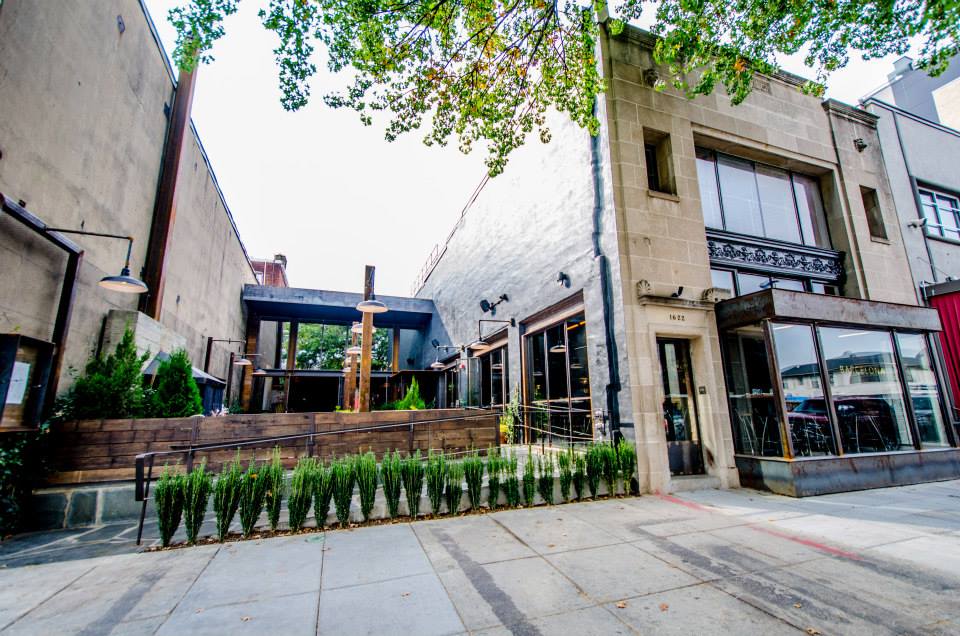
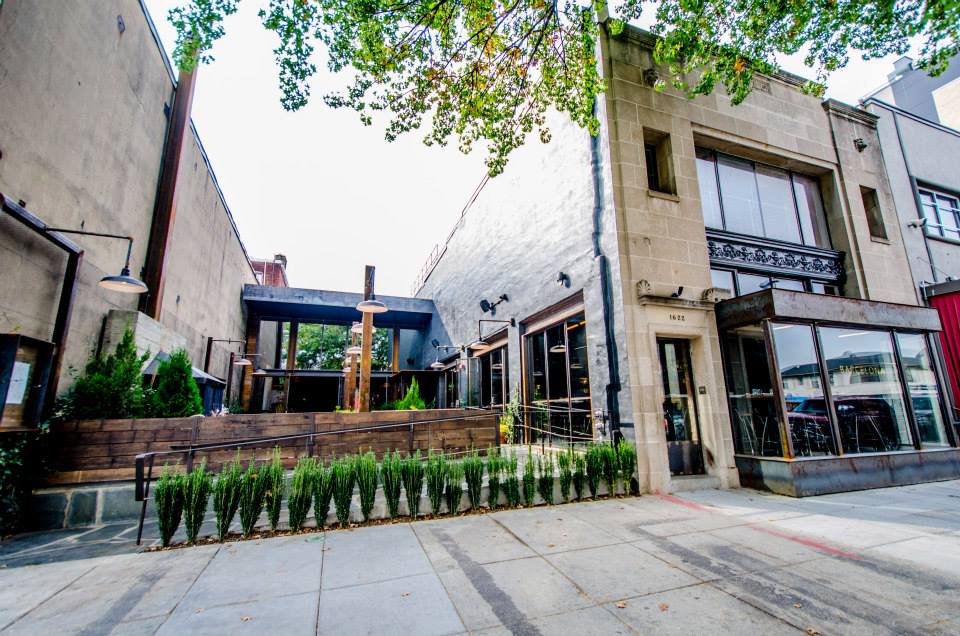
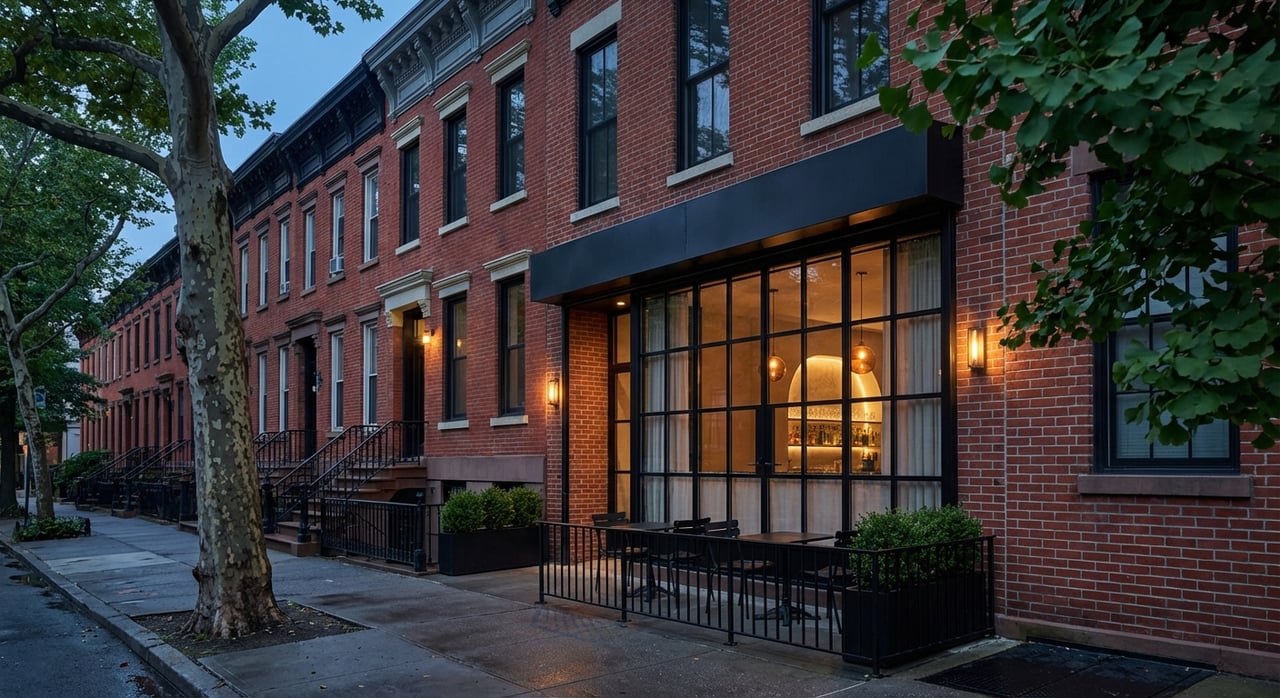
On 11th Street, daily life tends to feel close-knit and easy to manage on foot. Planning guidance for the corridor emphasizes mixed-use character and local-serving retail, and the current mix reflects that goal well. It is the kind of street where a short walk can cover coffee, dinner, a market stop, and even an arts event.
This part of Columbia Heights often feels more like a lived-in neighborhood main street than a major commercial strip. That matters if you want walkability but do not necessarily want to be in the center of the busiest retail traffic. For many buyers, that balance is part of the draw.
Everyday stops on 11th Street
Several businesses help define the day-to-day feel of the corridor:
- The Coupe at 3415 11th Street NW offers a diner, coffee house, and bar in one place
- Odd Provisions at 3301 11th Street NW serves as a corner market with prepared food, groceries, beer, and wine
- Queen’s English at 3410 11th Street NW adds a destination dining option
- Buddy’s at 3234 11th Street NW brings another sit-down restaurant and nightlife presence
- BloomBars at 3222 11th Street NW gives the street an arts and event-space function
Taken together, those uses make 11th Street feel practical as well as social. You are not just visiting it for one big errand. You are likely weaving it into your regular routine.
14th Street Living
14th Street is the retail spine
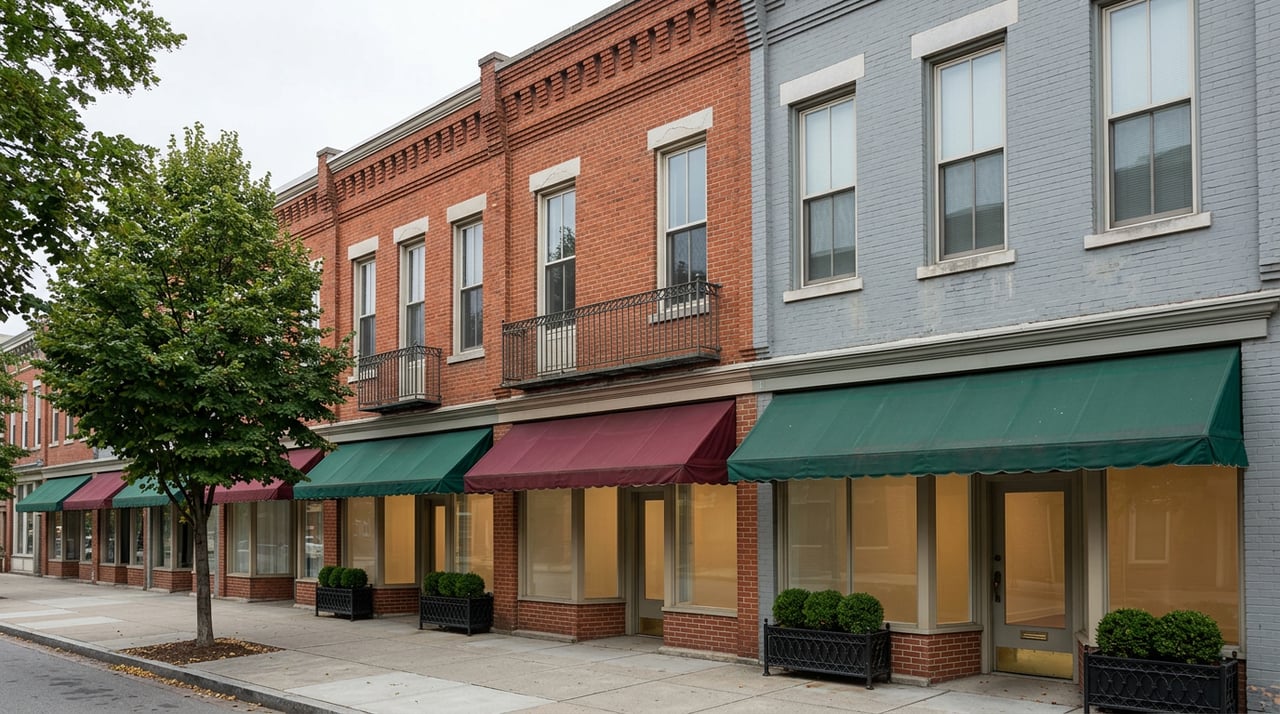
If 11th Street feels like the neighborhood’s living room, 14th Street is more like its main utility corridor. This is where Columbia Heights’ larger retail base, higher foot traffic, and direct Metro access come together. For many residents, it is the easiest place to handle multiple errands in one trip.
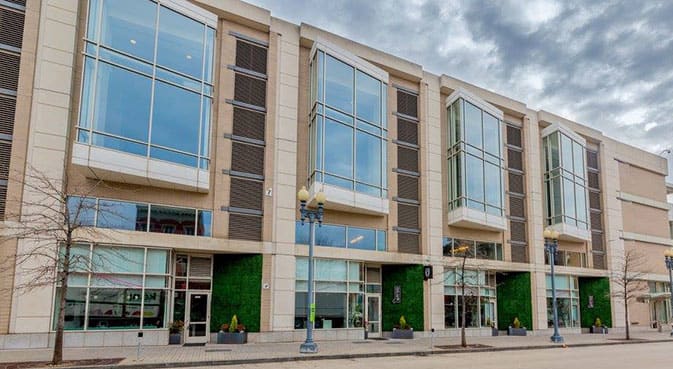
The corridor centers around DC USA near the Columbia Heights Metro station. DC USA describes itself as the District’s largest retail development, and it anchors much of the neighborhood’s shopping activity. That concentration is a major part of what makes the area convenient for people who prefer to rely less on a car.
What you can access on 14th Street
The 14th Street corridor includes a wide mix of practical shopping and dining options:
- Target at 3100 14th Street NW
- Best Buy at 3100 14th Street NW
- Marshalls in the broader shopping hub
- Giant in the broader shopping hub
- Lidl in the broader shopping hub
- Thip Khao at 3462 14th Street NW
- Letena at 3100 14th Street NW
- CAVA at 3105 14th Street NW
- Mi Casita Bakery at 3429 14th Street NW
- Le Caprice at 3460 14th Street NW
- Rue Café at 3906 14th Street NW
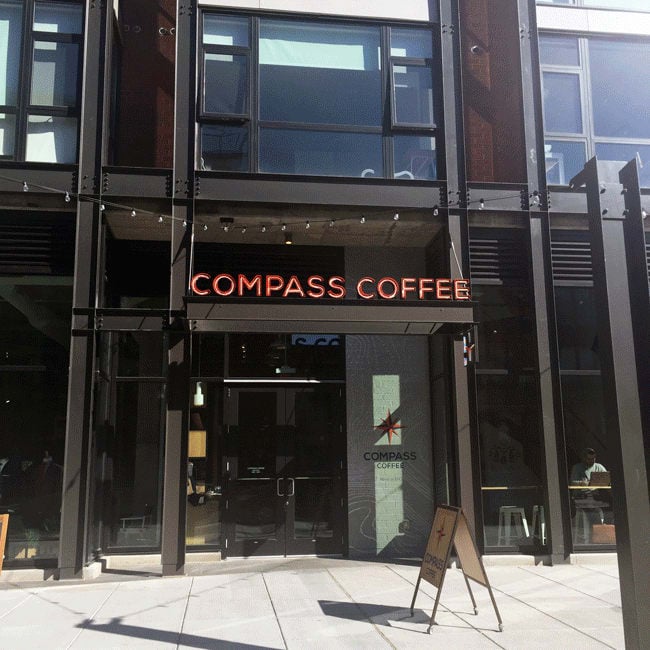
- Land of a Thousand Hills Coffee & Social at 2601 14th Street NW
This is the side of Columbia Heights that often appeals to buyers who want easy access to stores, transit, and a steady street scene. It can also be a strong selling point when a home is located within easy reach of these everyday conveniences.
The civic side of 14th Street
14th Street is not only about shopping. The Columbia Heights Civic Plaza at Park Road and 14th Street NW hosts the FRESHFARM Columbia Heights market, which adds a recurring public-space and market component to the corridor. That helps the street feel active in a community sense, not just a commercial one.
For buyers, this kind of public activity can make a neighborhood feel more connected and usable. You are not only walking to stores. You are walking through places where neighborhood life happens in plain view.
Parks and Public Spaces Nearby
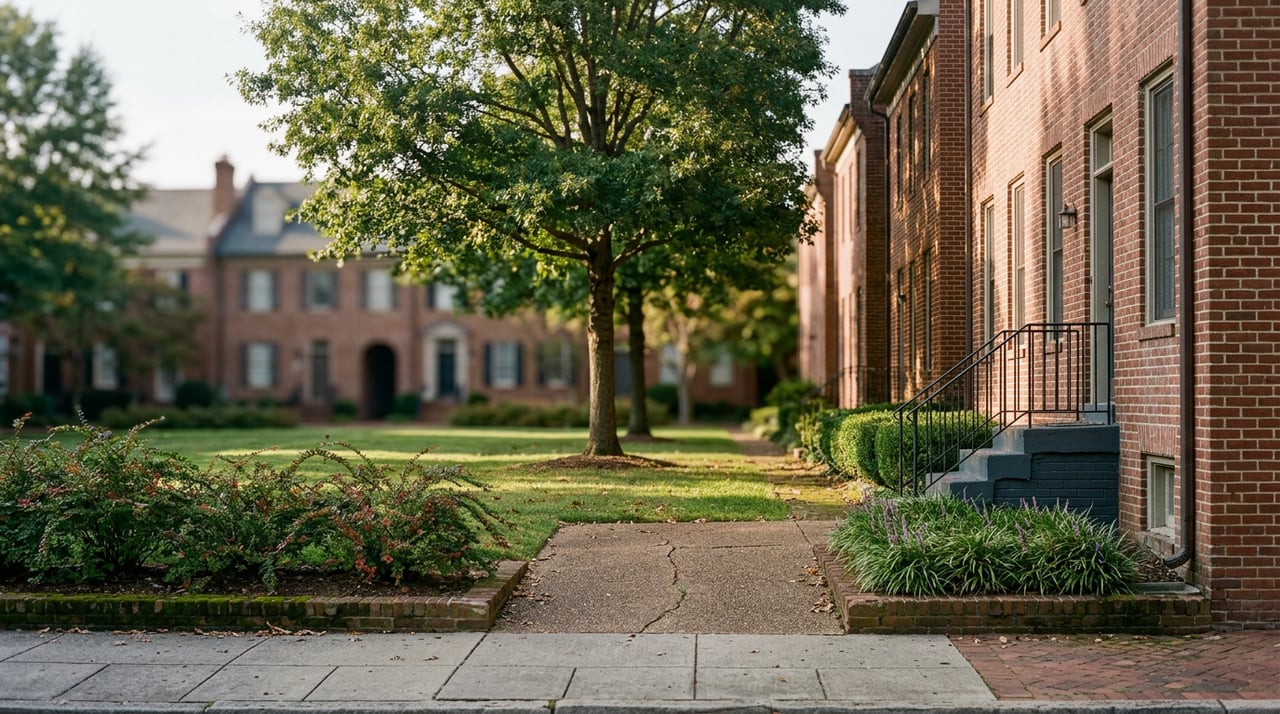
Walkability is stronger when a neighborhood gives you places to pause, not just places to spend money. Columbia Heights benefits from several public spaces that add variety to daily life. That broader public realm is one reason the neighborhood feels livable beyond its storefronts.
Meridian Hill Park, also known as Malcolm X Park, is an over-11-acre National Historic Landmark with terraces, fountains, statues, and the well-known Sunday drum circle. It offers a completely different pace from the retail corridors. If you value a nearby green space for walking, relaxing, or meeting friends, this park is a major asset.
Closer to the neighborhood core, the Columbia Heights Community Center at 1480 Girard Street NW includes outdoor amenities such as a playground, community garden, basketball court, and spray park. Those features add another layer of everyday usability. For many households, access to both commercial convenience and public amenities is what makes the area feel well-rounded.
Metro Access and Getting Around
A walkable neighborhood becomes even more useful when it connects easily to the rest of the city. In Columbia Heights, the Metro station reinforces that convenience in a big way. WMATA places the Columbia Heights station at 3030 14th Street NW on the Green and Yellow lines.
The station also includes bike racks and bikeshare access. That means the neighborhood supports several ways to get around without depending entirely on a car. For buyers comparing DC neighborhoods, that kind of transit access often becomes a deciding factor.
How 11th and 14th Shape Housing Feel
The neighborhood has a layered housing mix
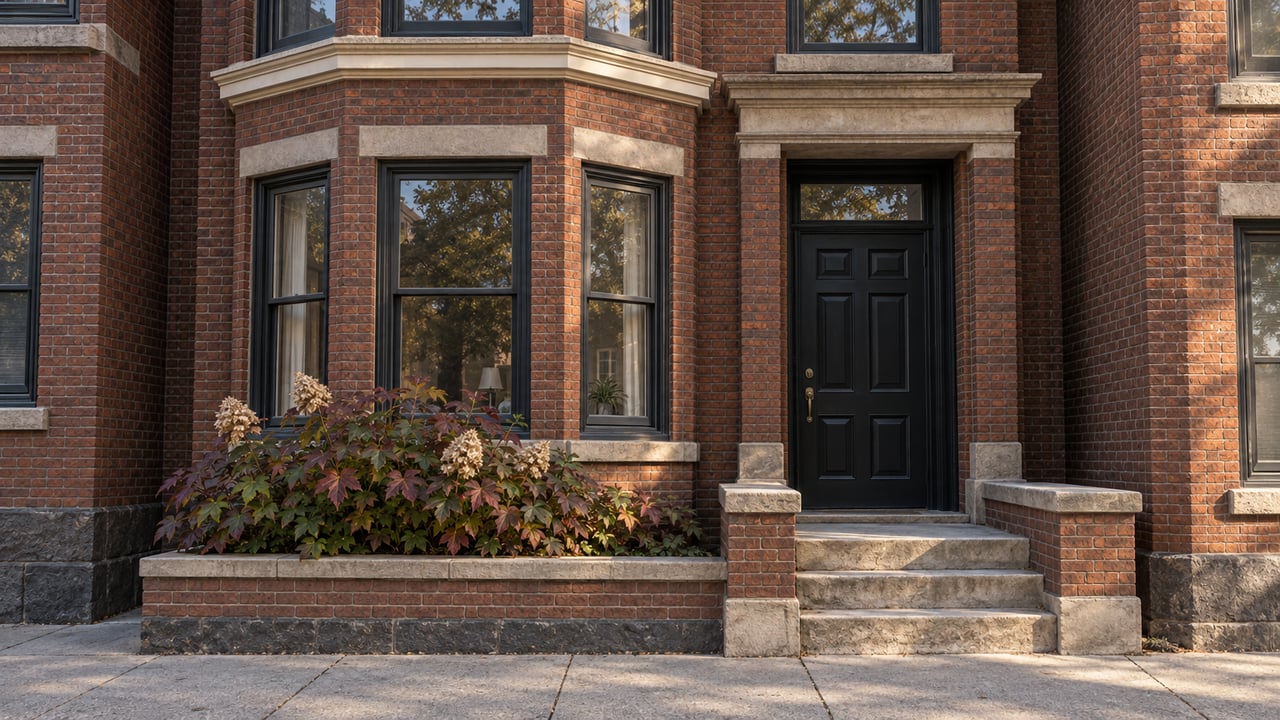
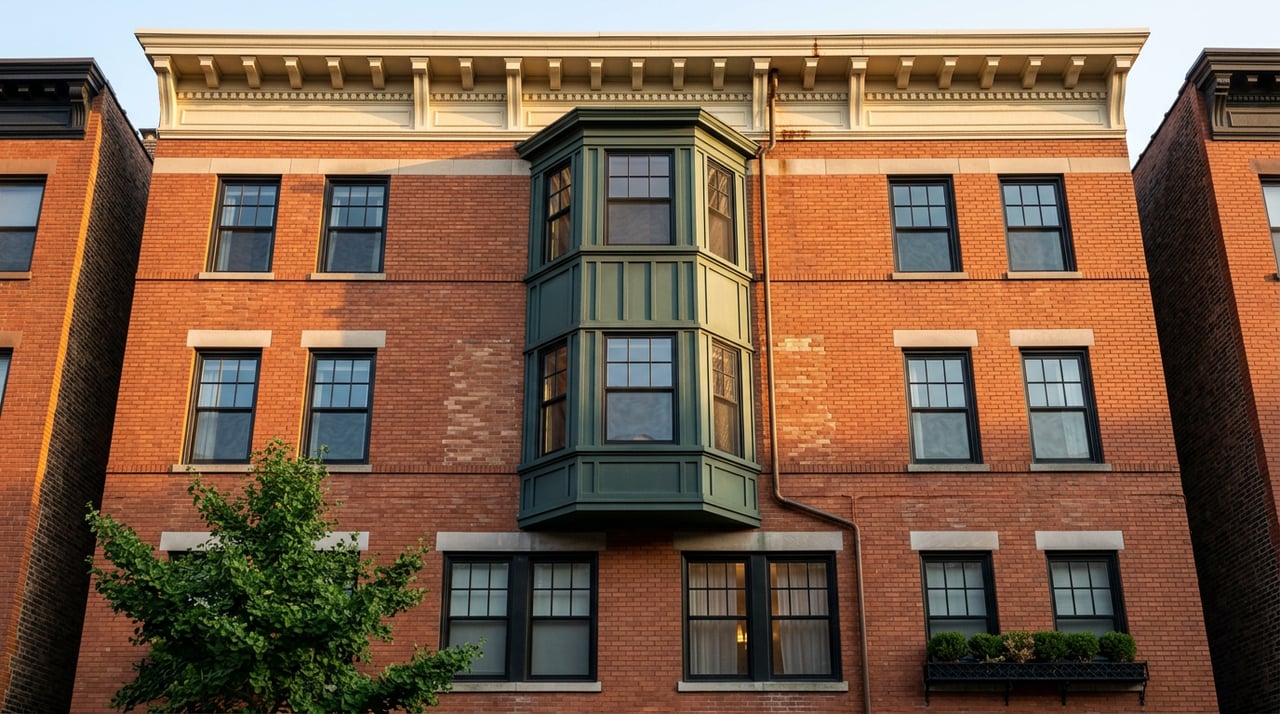
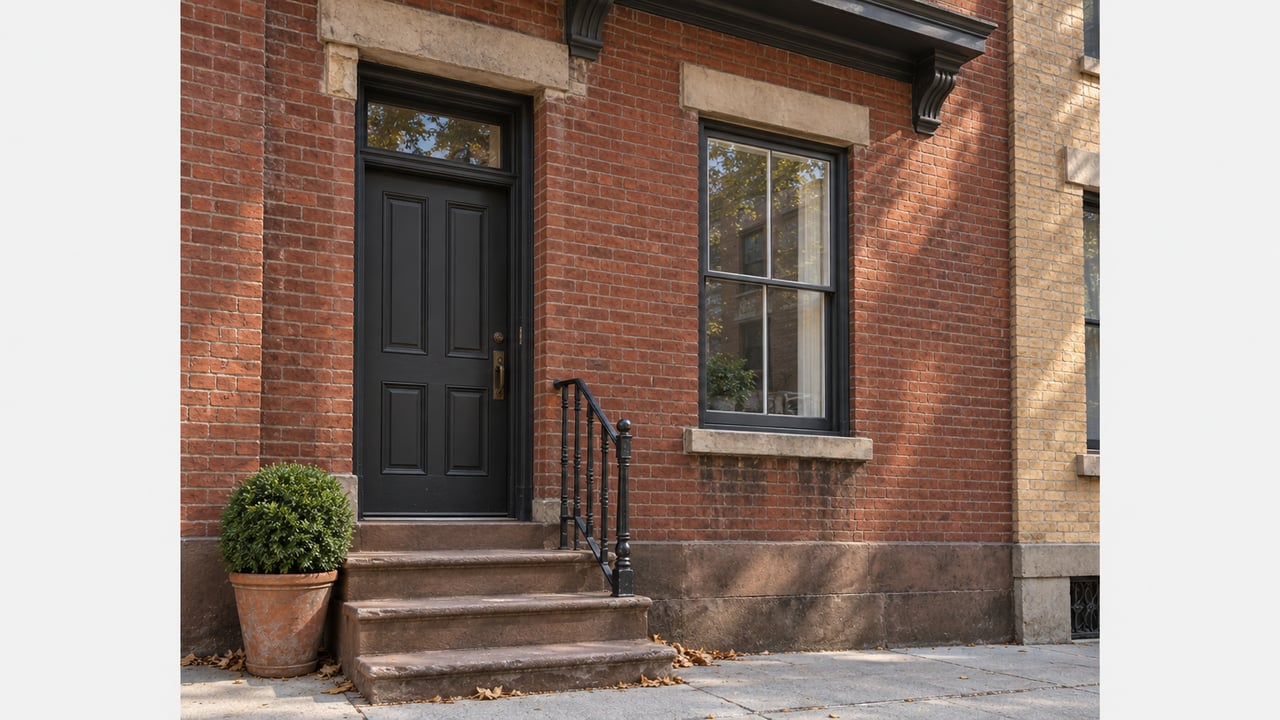
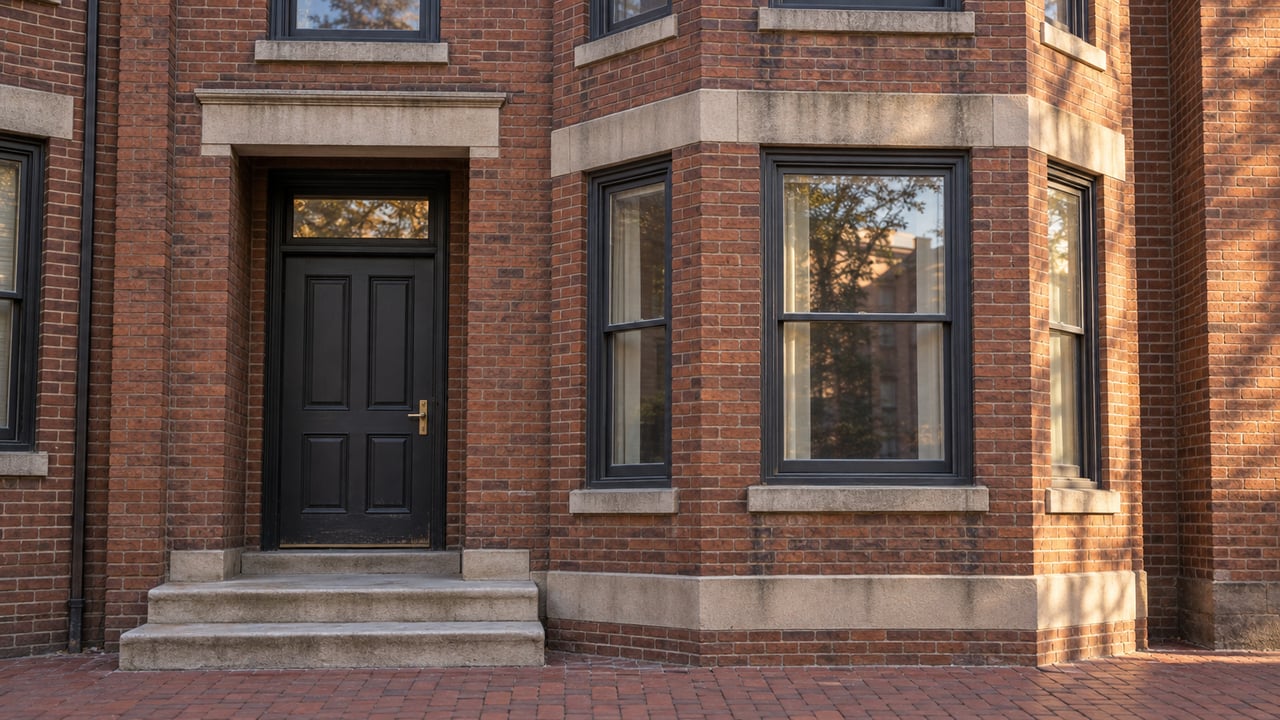
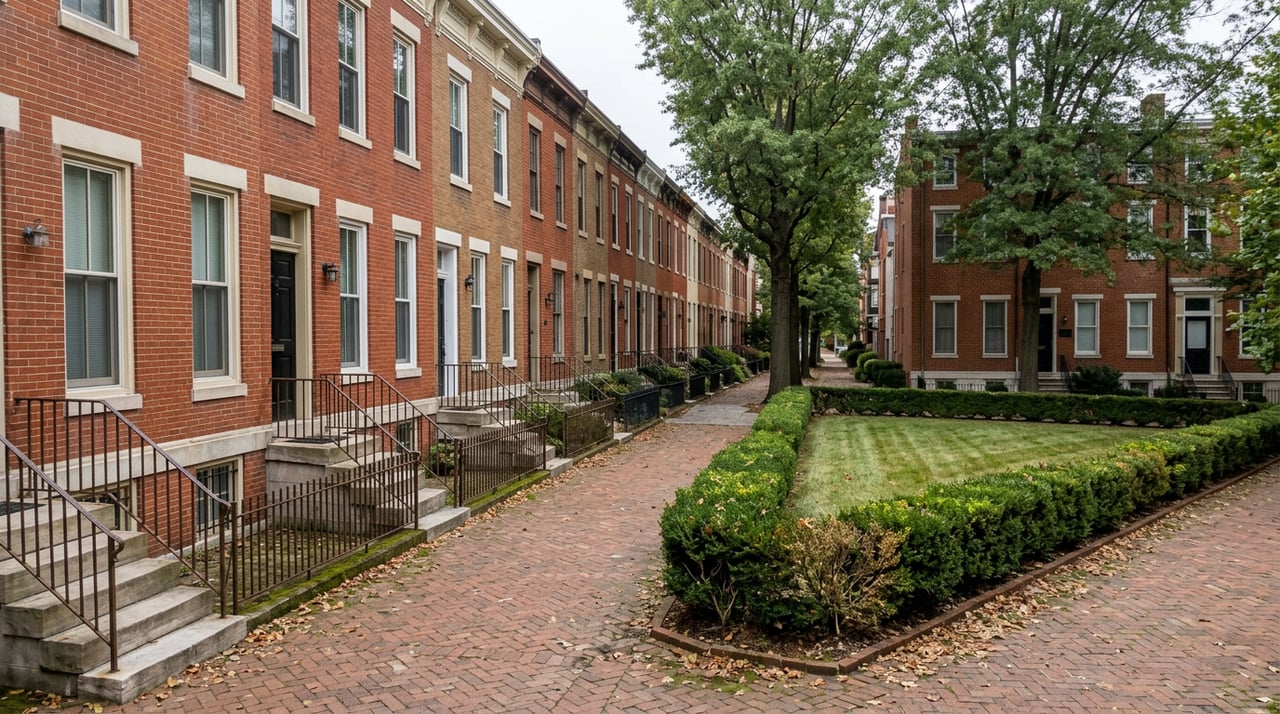
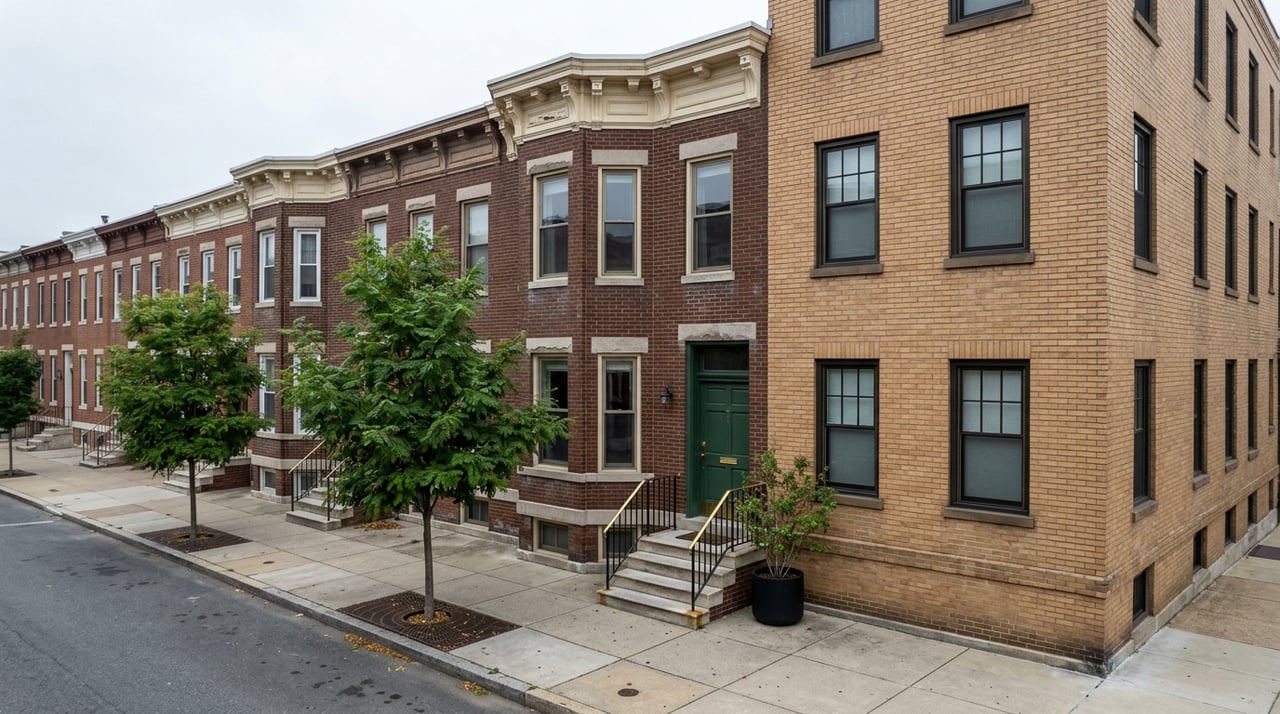
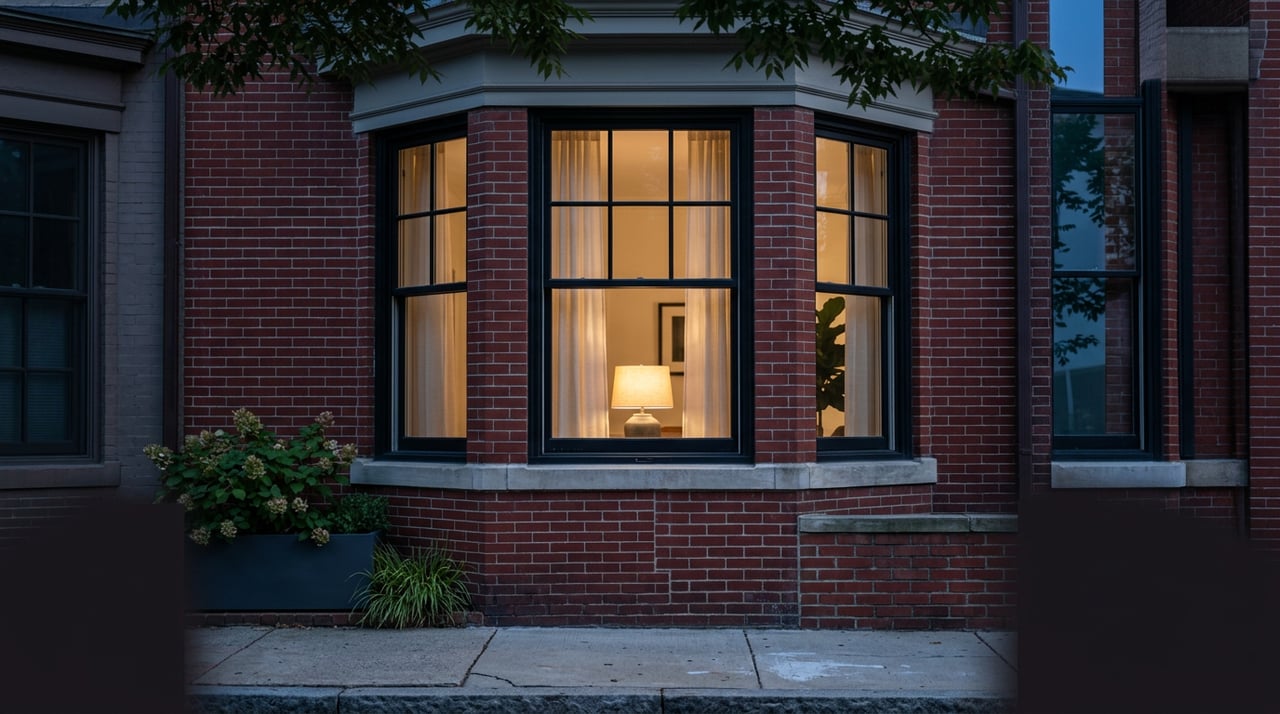
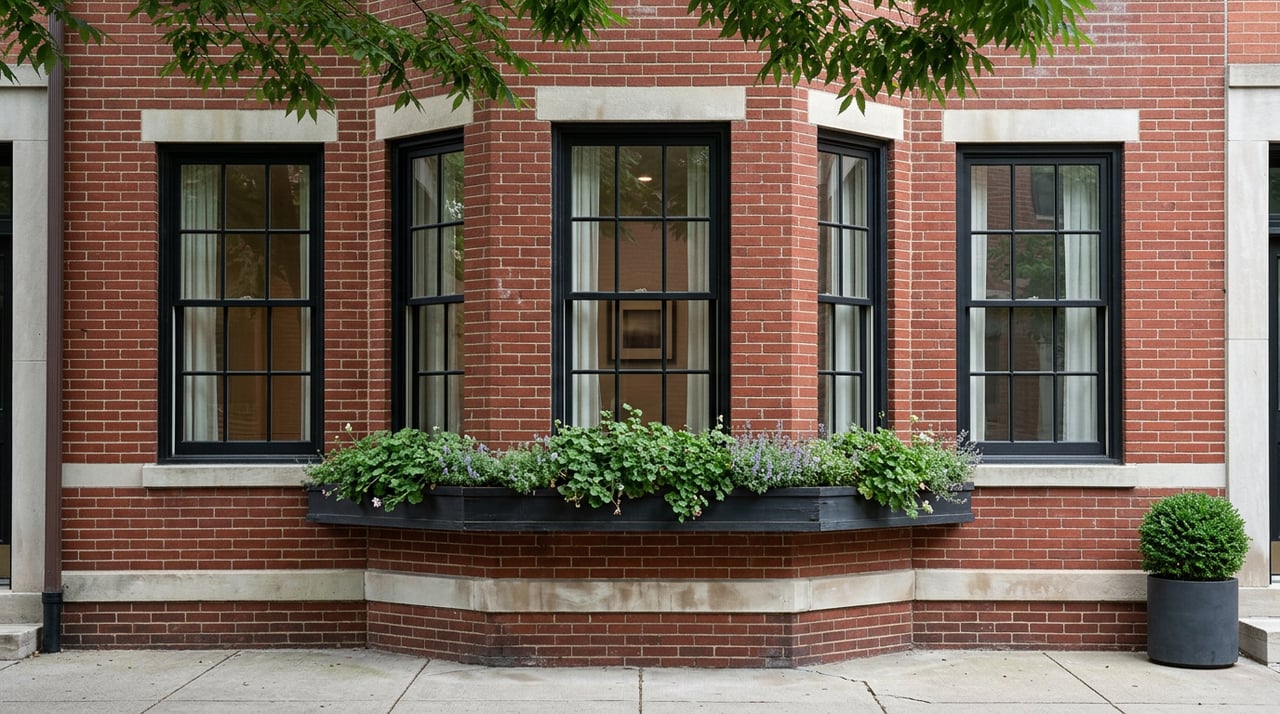
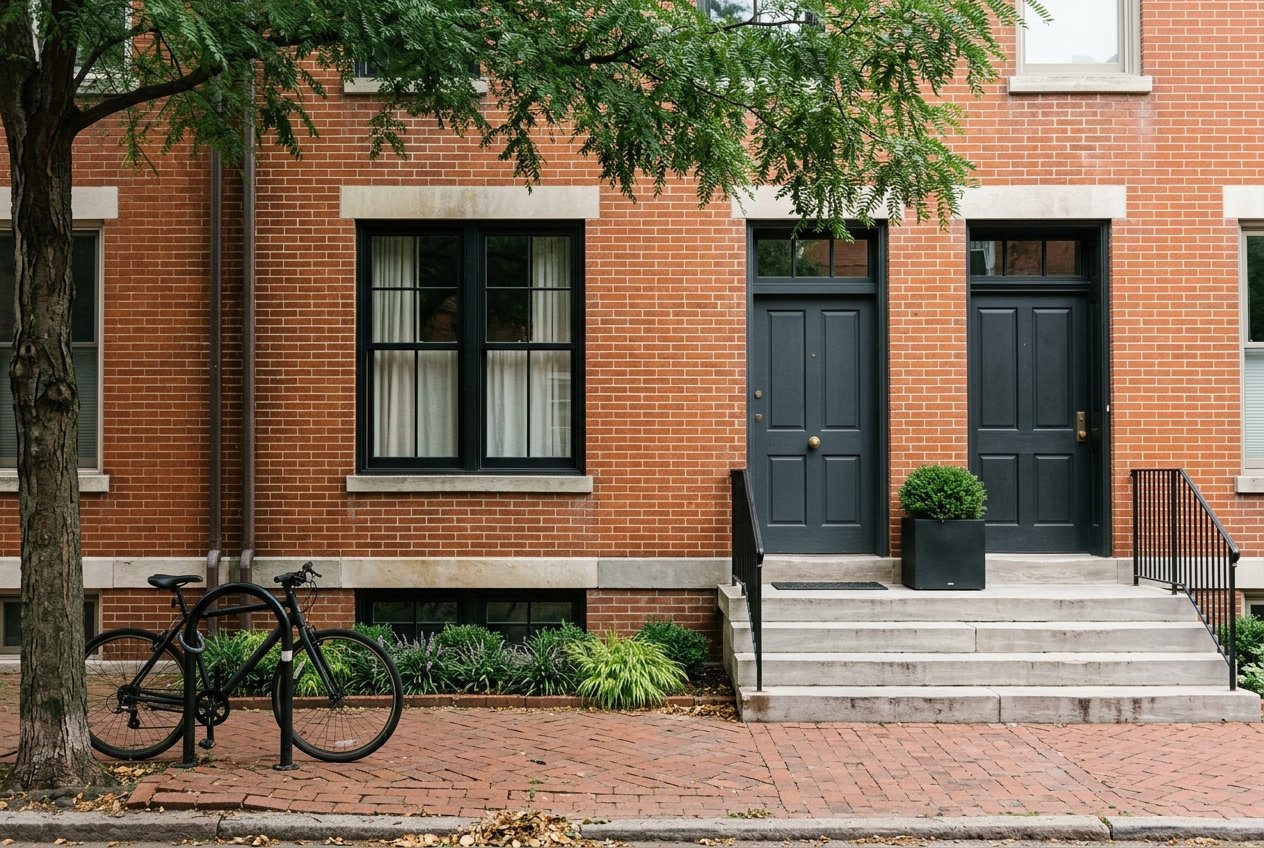
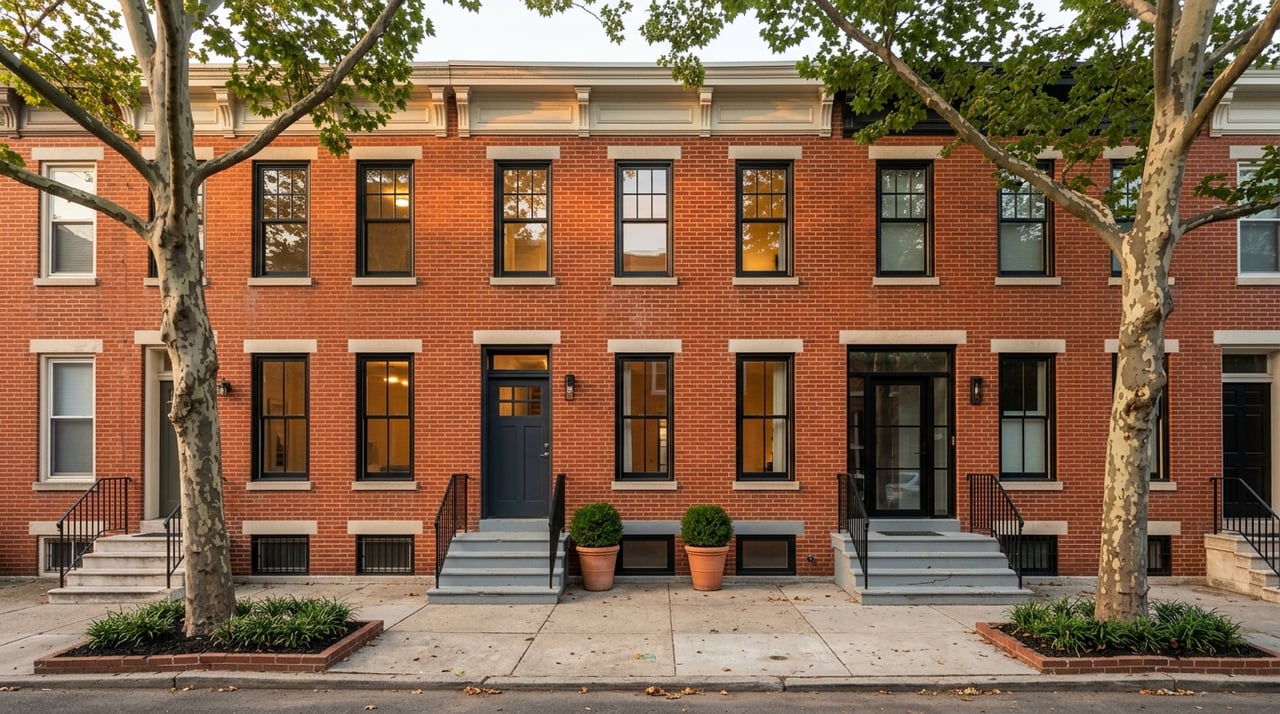
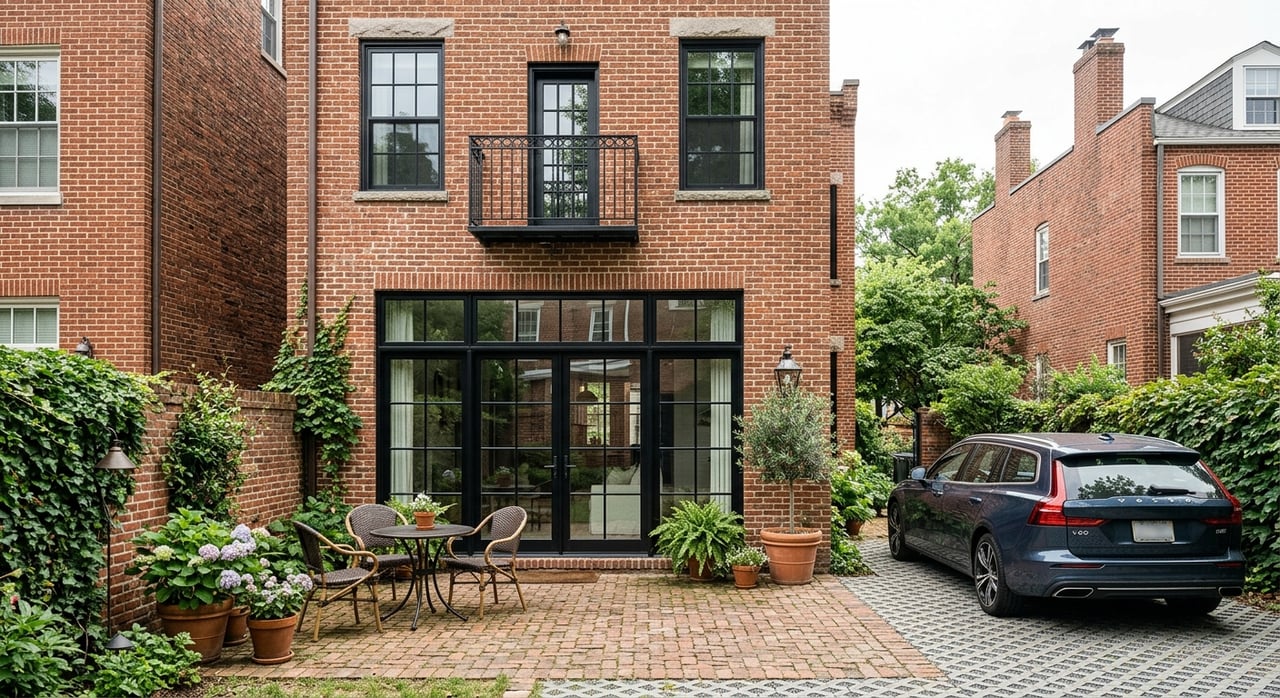
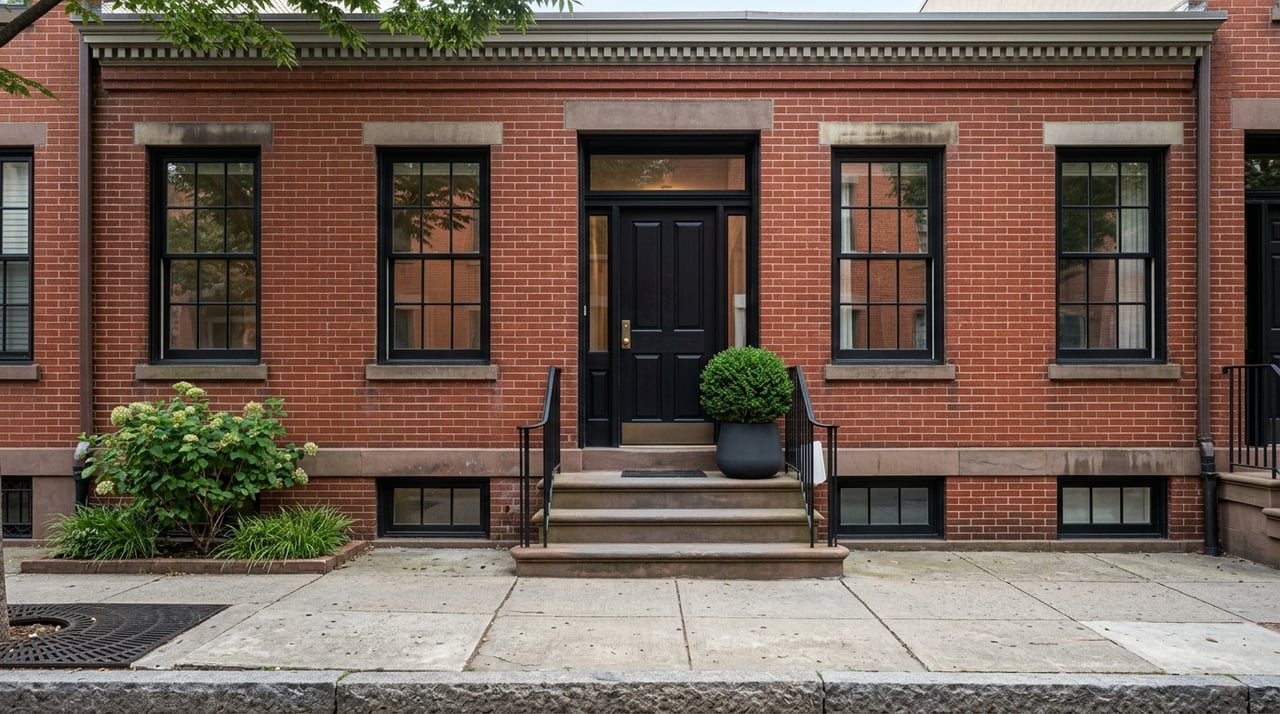
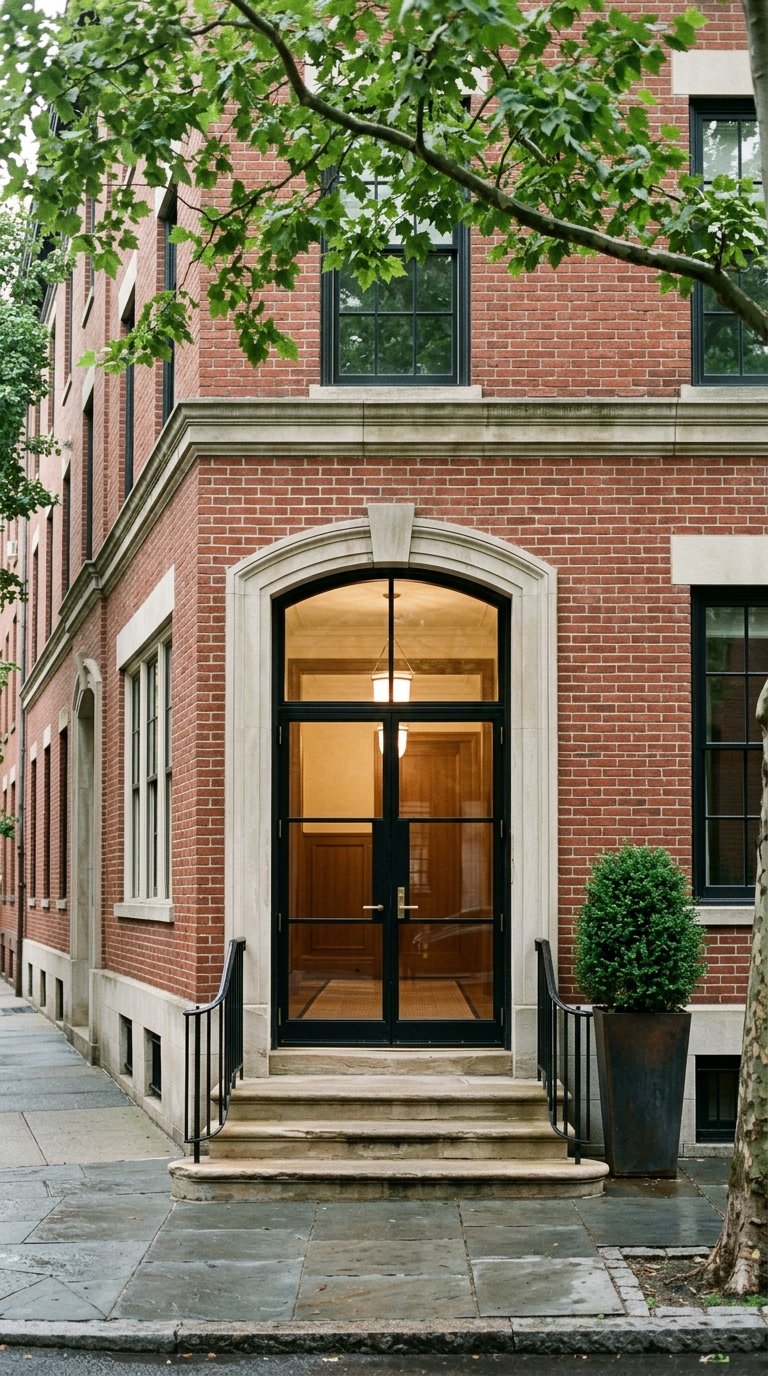
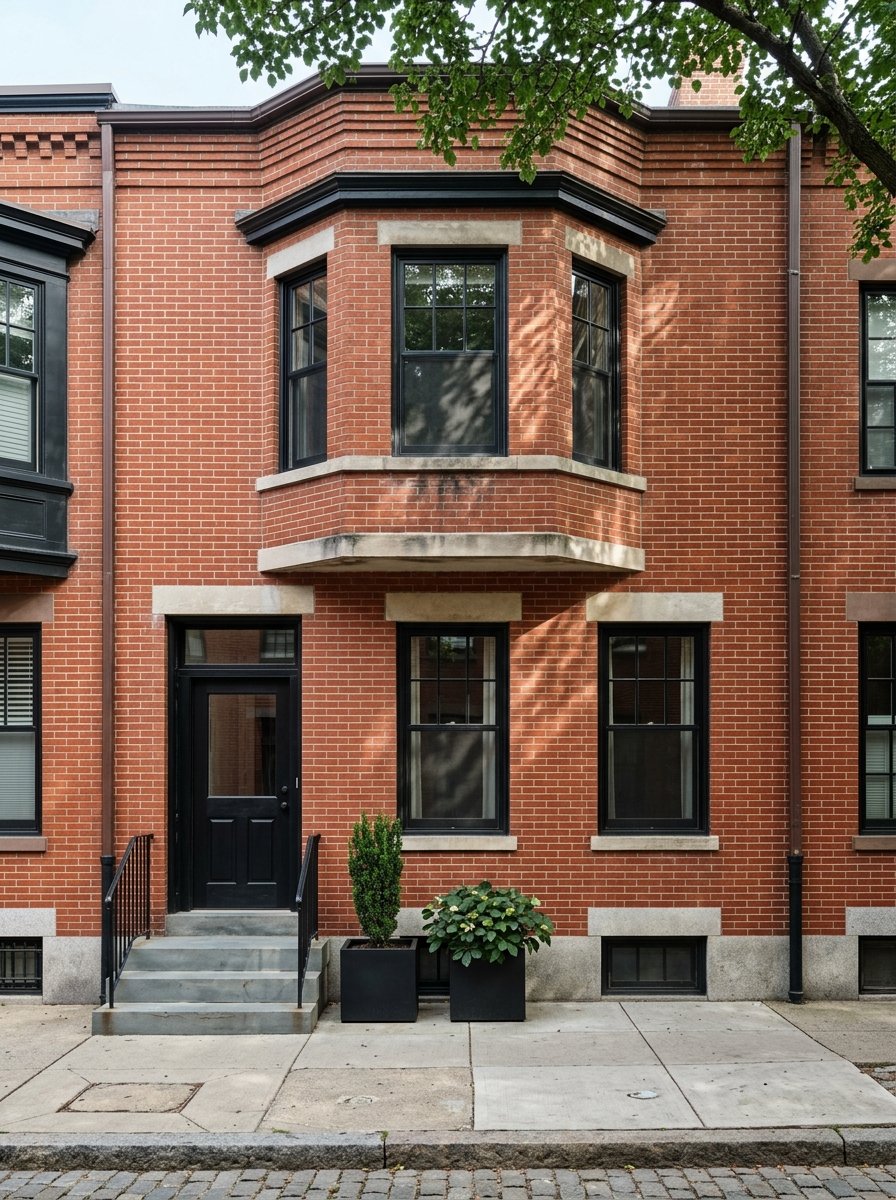
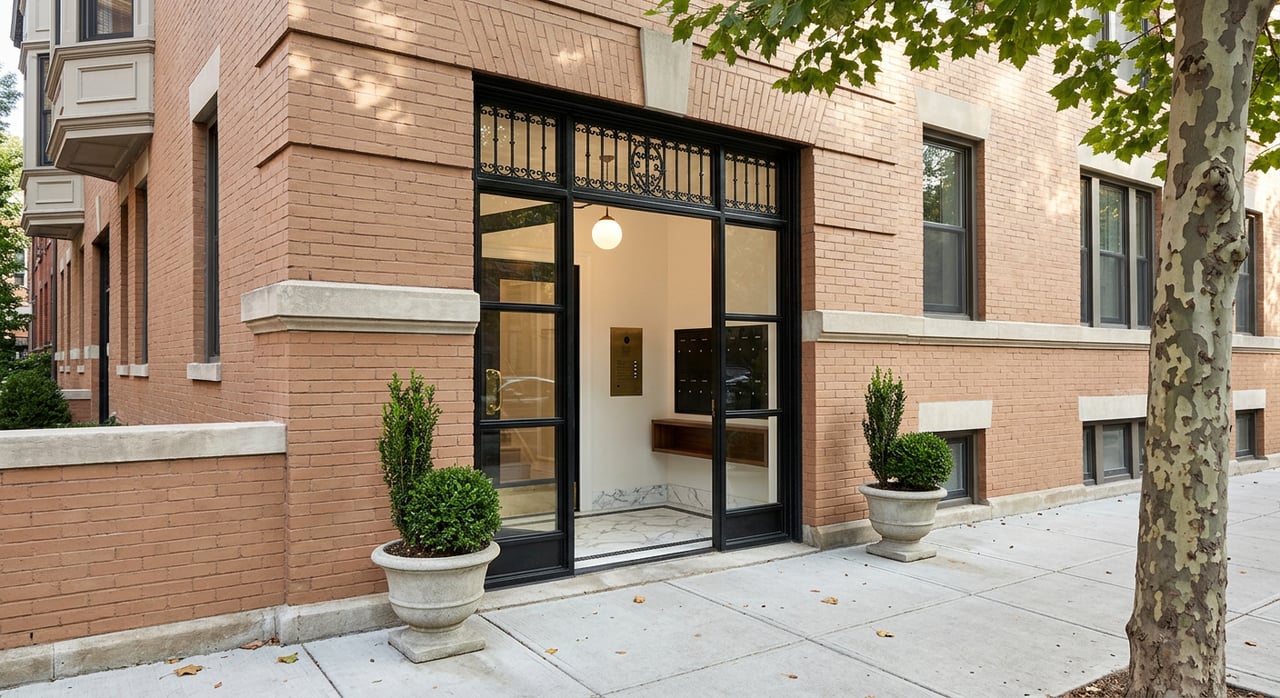
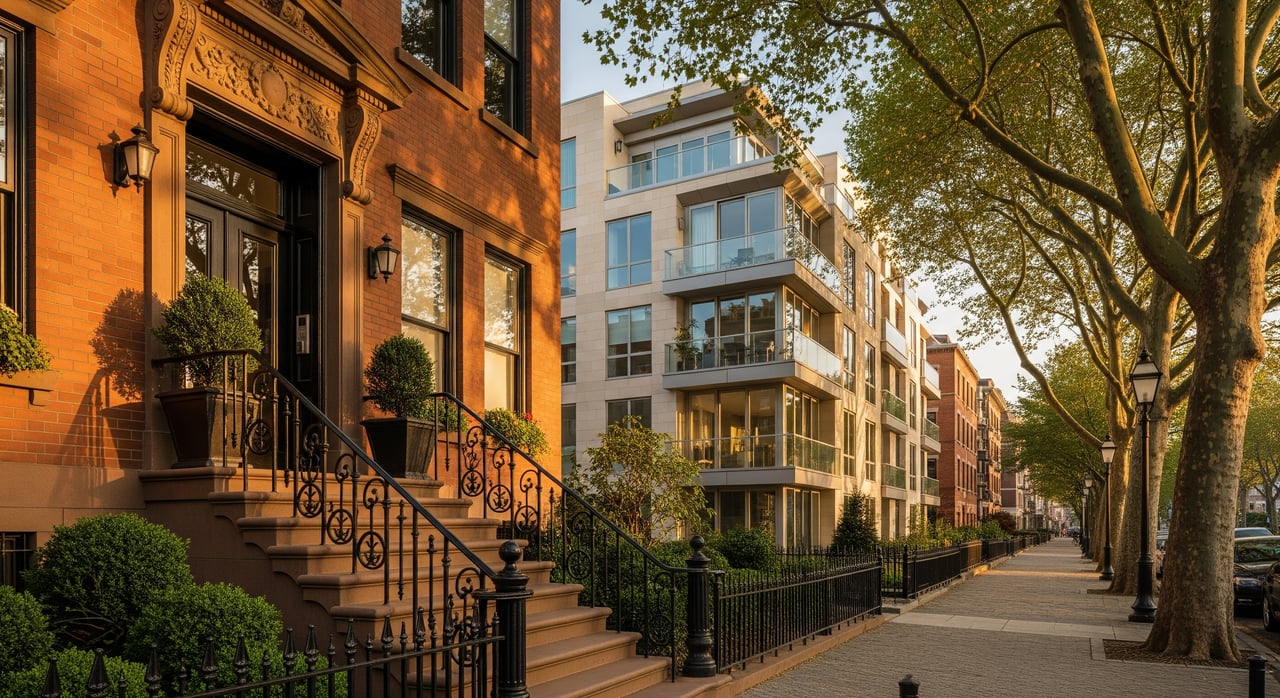
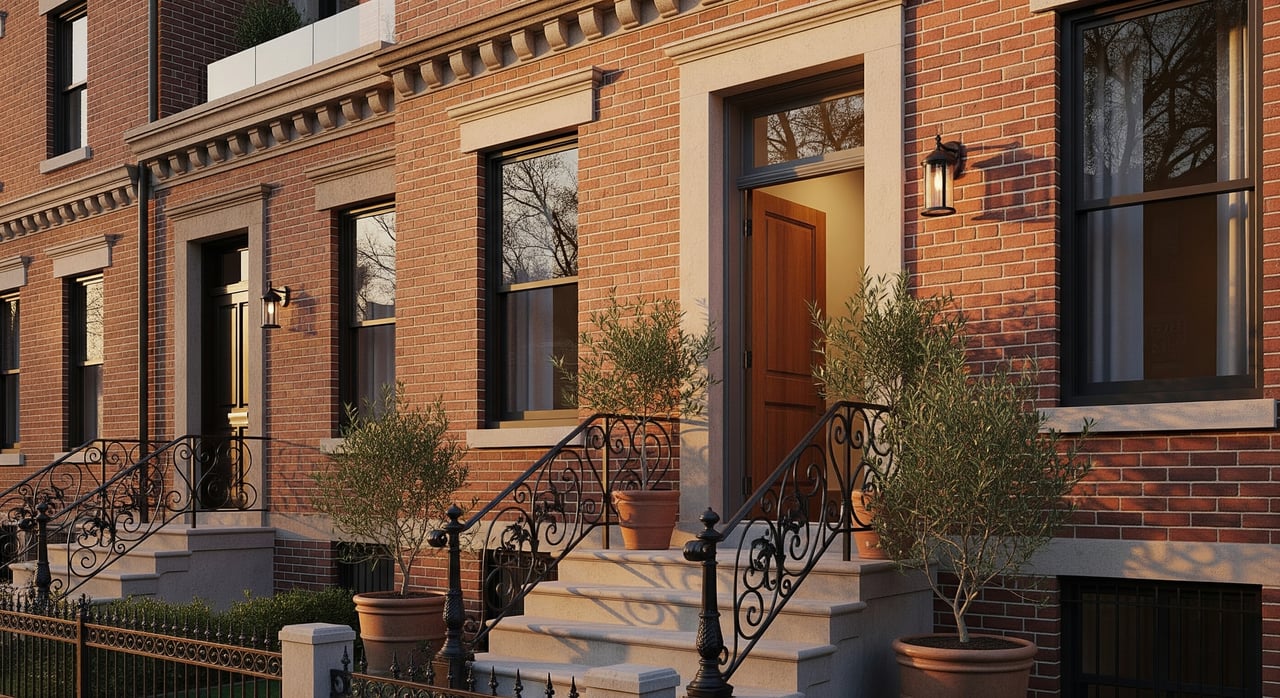
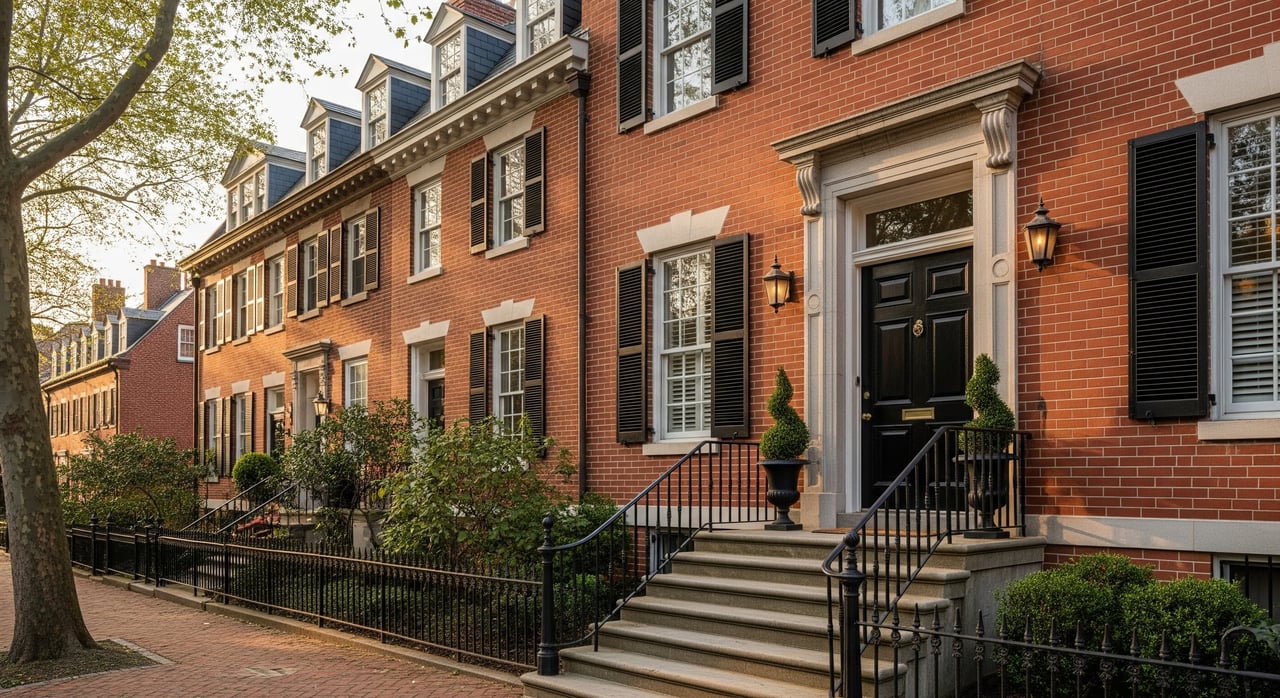
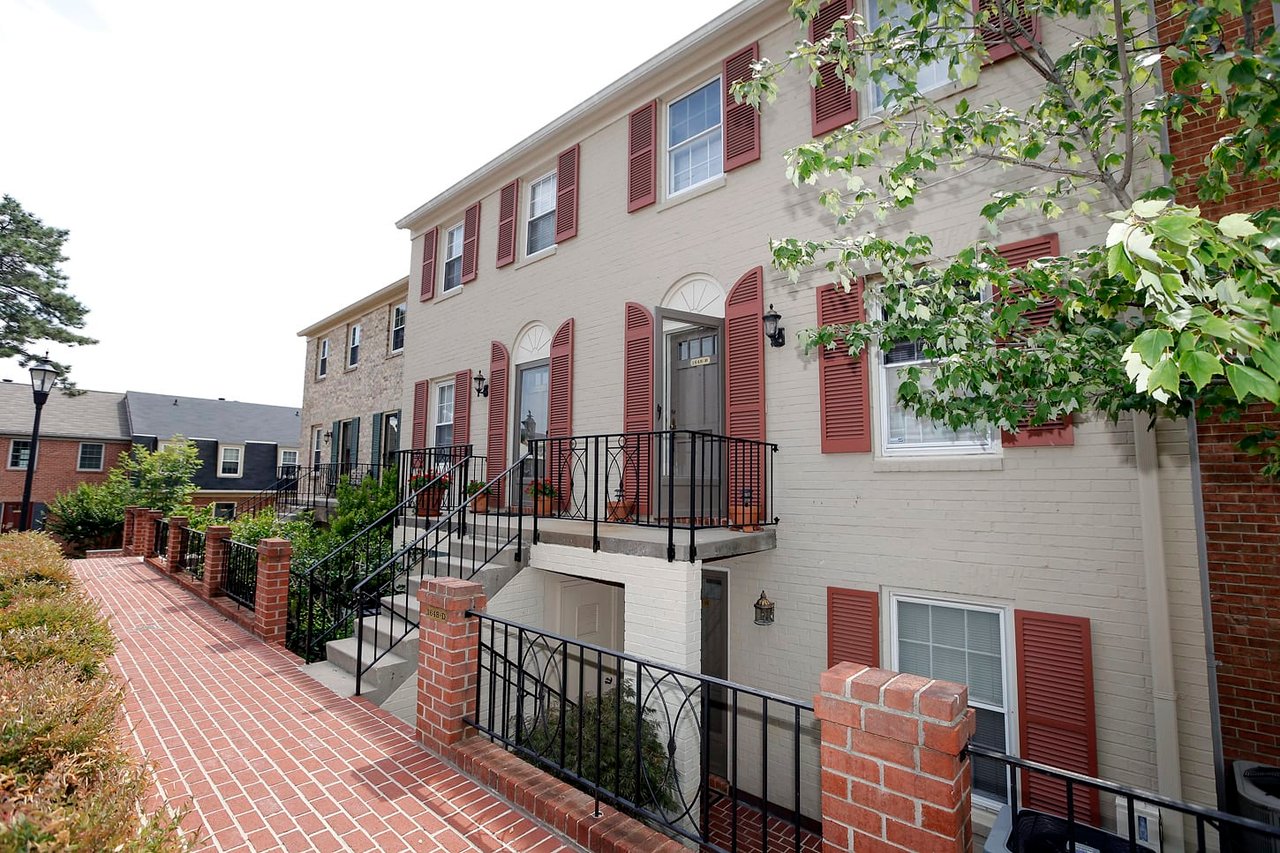
Columbia Heights reflects its streetcar-era roots, and you can still see that history in the housing stock today. DC planning materials describe Mid-City as a dense, historic area of rowhouse neighborhoods, with larger apartment communities along 14th Street and Columbia Road. Ward 1 planning materials also describe Columbia Heights as a place with historic townhomes alongside a major commercial core.
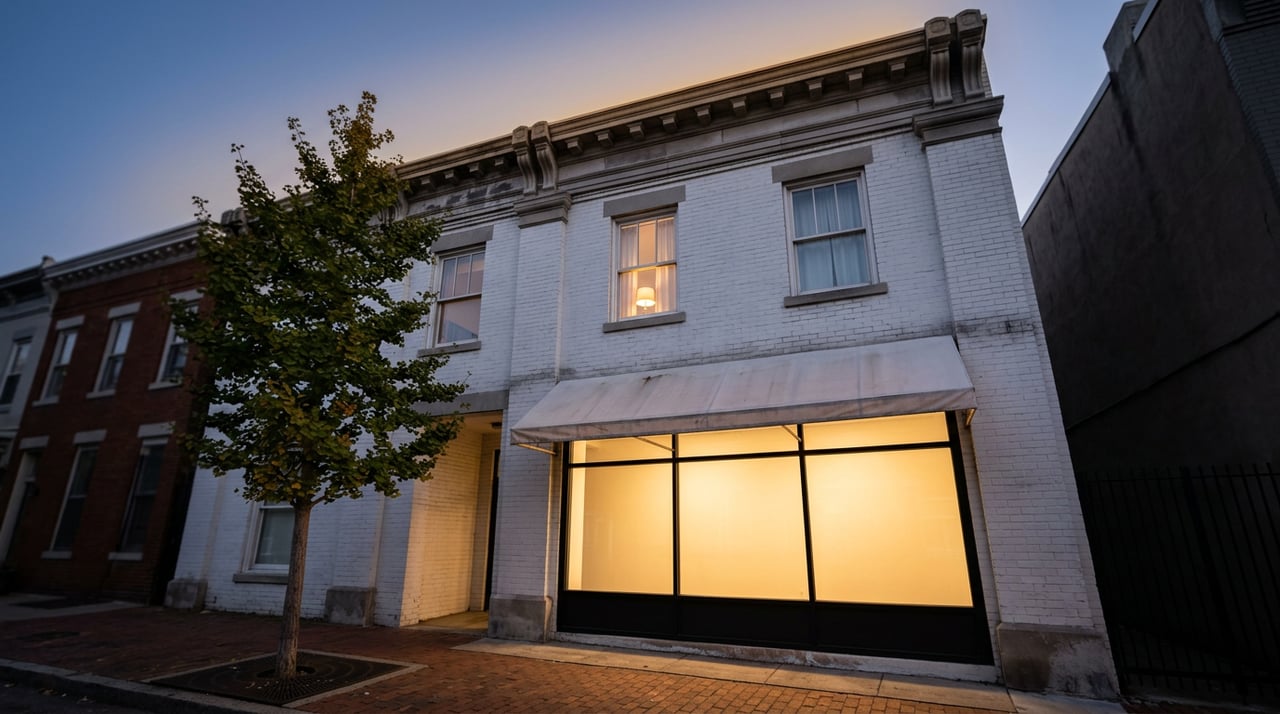
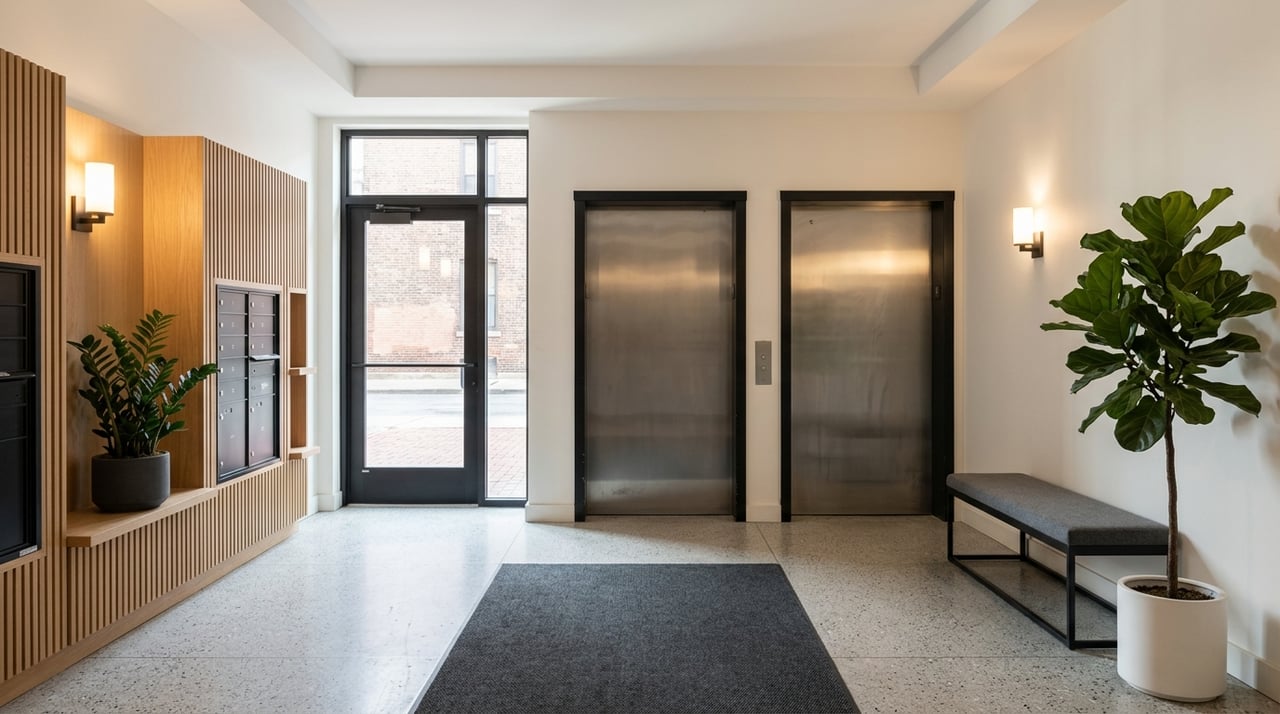
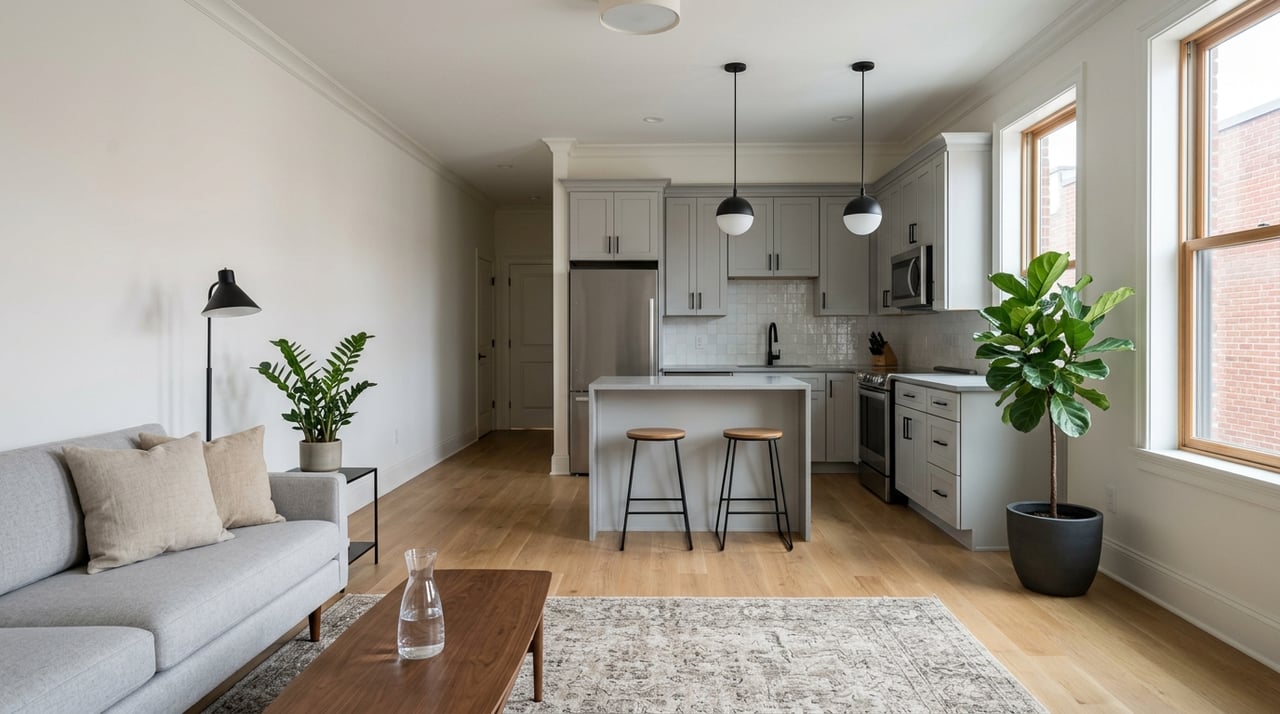
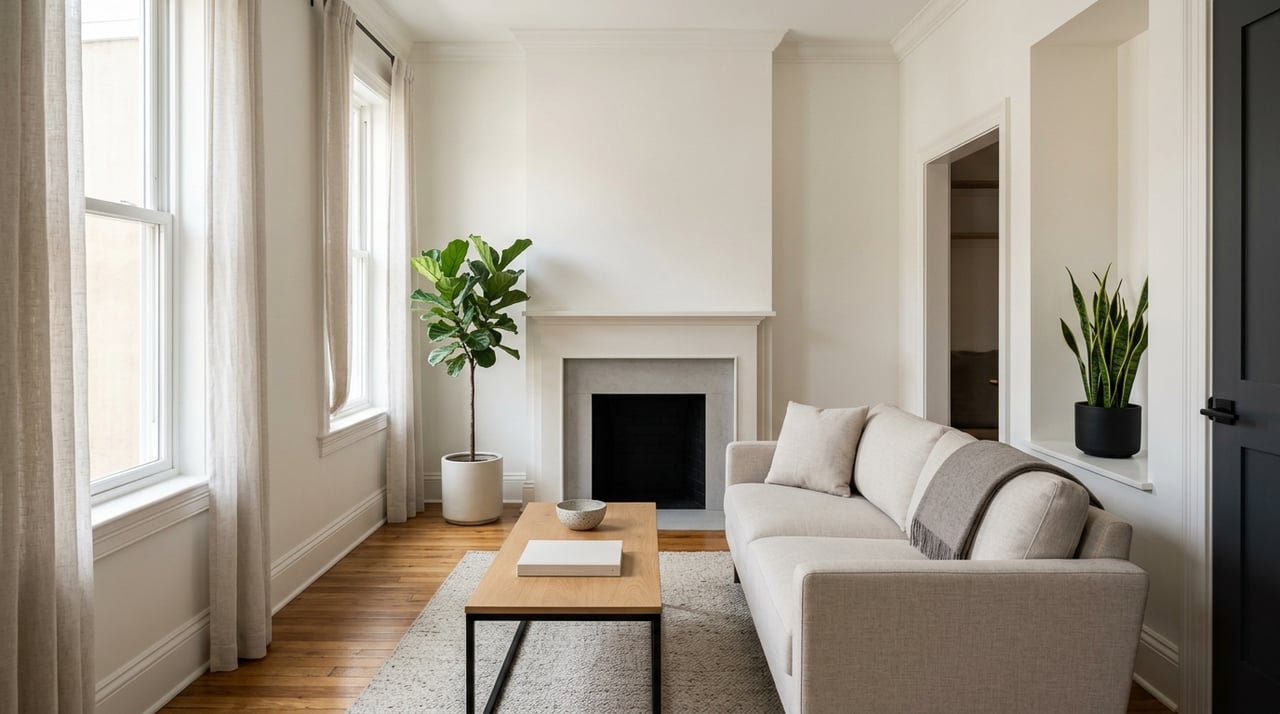
That mix is helpful if you are searching for a home style that matches how you want to live. In one neighborhood, you may find condos, co-ops, converted flats, rowhouses, townhomes, and larger multifamily buildings. For sellers, that range also means buyers may be comparing several property types within a relatively small area.
Blocks can feel different quickly
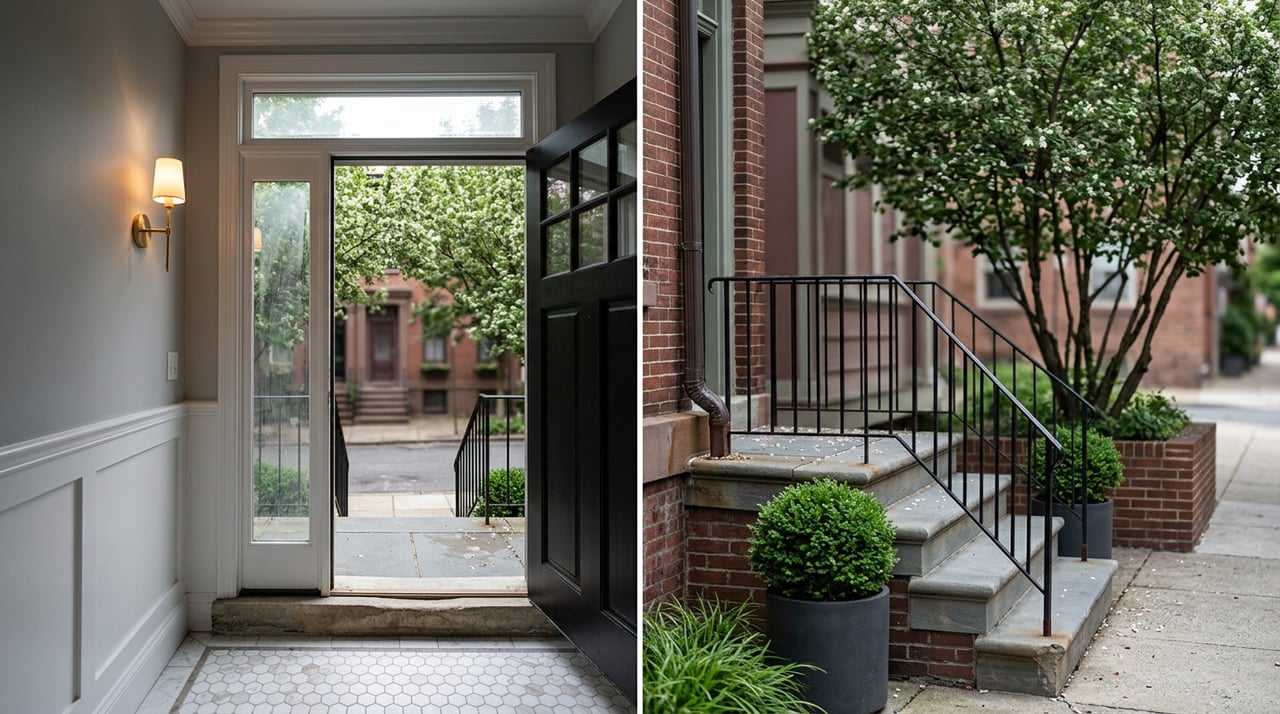
Planning history notes that streetcars once extended along both 11th and 14th Streets, and many larger rowhouses were later converted into multifamily flats or rooming houses. In practical terms, blocks near 11th Street are more likely to feel townhouse- and apartment-conversion-heavy. Blocks closer to 14th Street and the Metro are more likely to feature larger apartment, condo, and mixed-use buildings.
That difference is one of the most important things to understand if you are home shopping here. Two homes may be only a few blocks apart but offer very different day-to-day experiences. One may feel more residential and tucked in, while the other may place you closer to transit and major retail.
What This Means for Buyers and Sellers
If you are buying in Columbia Heights, it helps to think beyond the neighborhood name and focus on the corridor that best fits your routine. Do you want a quieter daily rhythm with nearby restaurants and local stops? Or do you want faster access to Metro, major shopping, and a busier retail environment? In Columbia Heights, those choices often come down to where you land between 11th and 14th.
If you are selling, this same distinction can shape how your home is positioned. A listing near 11th Street may appeal to buyers focused on neighborhood character and local dining. A home closer to 14th Street may stand out for transit access, shopping convenience, and a more connected errand loop.
This is exactly why hyperlocal guidance matters in DC. Columbia Heights is not one-note, and the details of block-by-block lifestyle can make a real difference in how a buyer perceives value and fit.
If you are thinking about buying or selling in Columbia Heights, I’d love to help you map the neighborhood to your goals and daily routine. Jen Angotti offers hands-on guidance, local perspective, and full-service support to help you move with confidence.
FAQs
What is the difference between 11th Street and 14th Street in Columbia Heights?
- 11th Street generally feels more intimate and local-serving, while 14th Street functions more as the neighborhood’s retail and transit spine.
Is Columbia Heights in DC good for walkable daily errands?
- Yes. Columbia Heights offers a concentrated mix of restaurants, markets, retail stores, public spaces, and Metro access that can support many daily errands on foot.
What shopping options are near 14th Street in Columbia Heights?
- The 14th Street corridor includes DC USA and major retail anchors such as Target and Best Buy, along with other neighborhood shopping options including Marshalls, Giant, and Lidl.
What parks and public spaces are near Columbia Heights?
- Nearby public spaces include Meridian Hill Park, the Columbia Heights Civic Plaza, and the Columbia Heights Community Center with outdoor amenities like a playground, garden, basketball court, and spray park.
What kinds of homes are common in Columbia Heights?
- Columbia Heights includes a mix of historic townhomes, rowhouses, apartment communities, condos, co-ops, mixed-use buildings, and some converted multifamily flats.