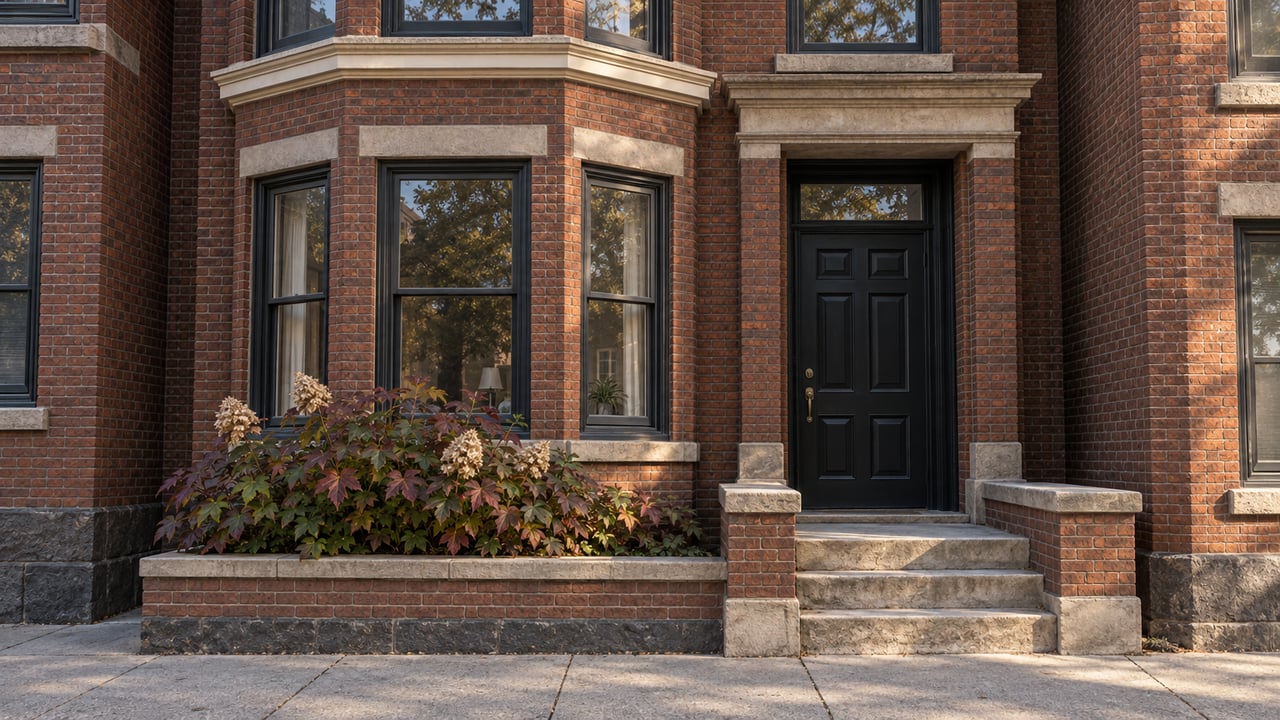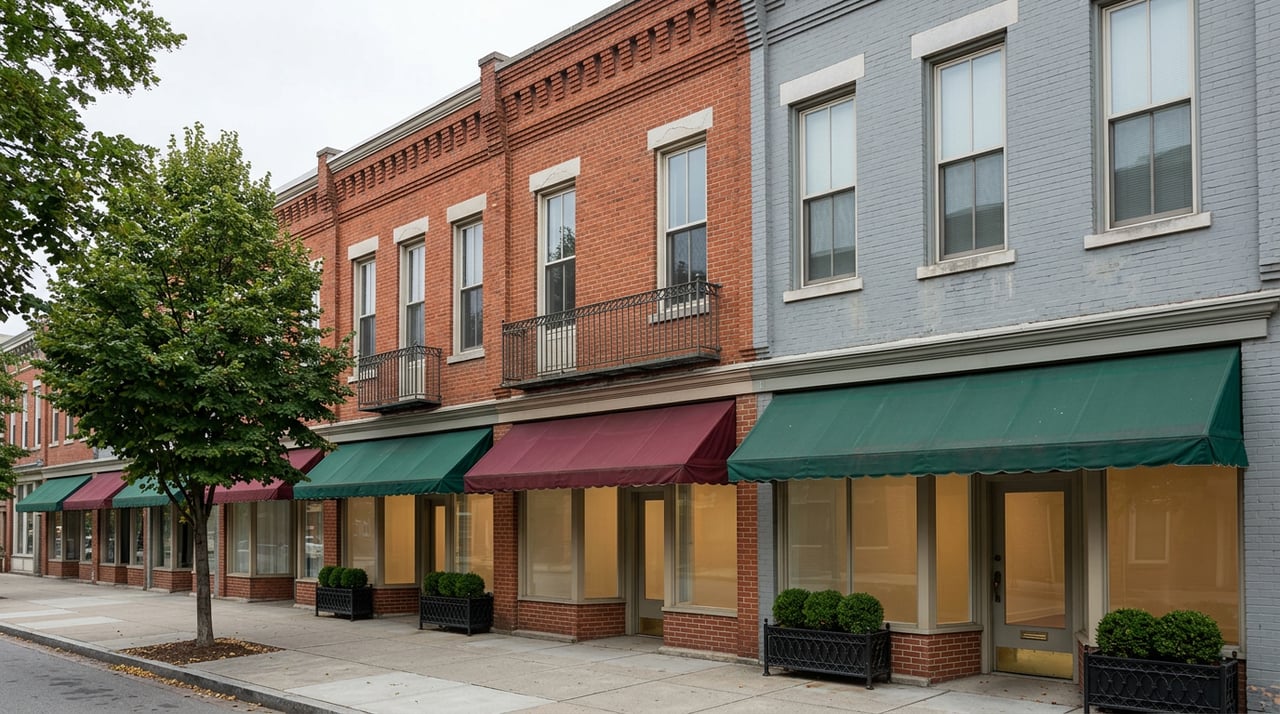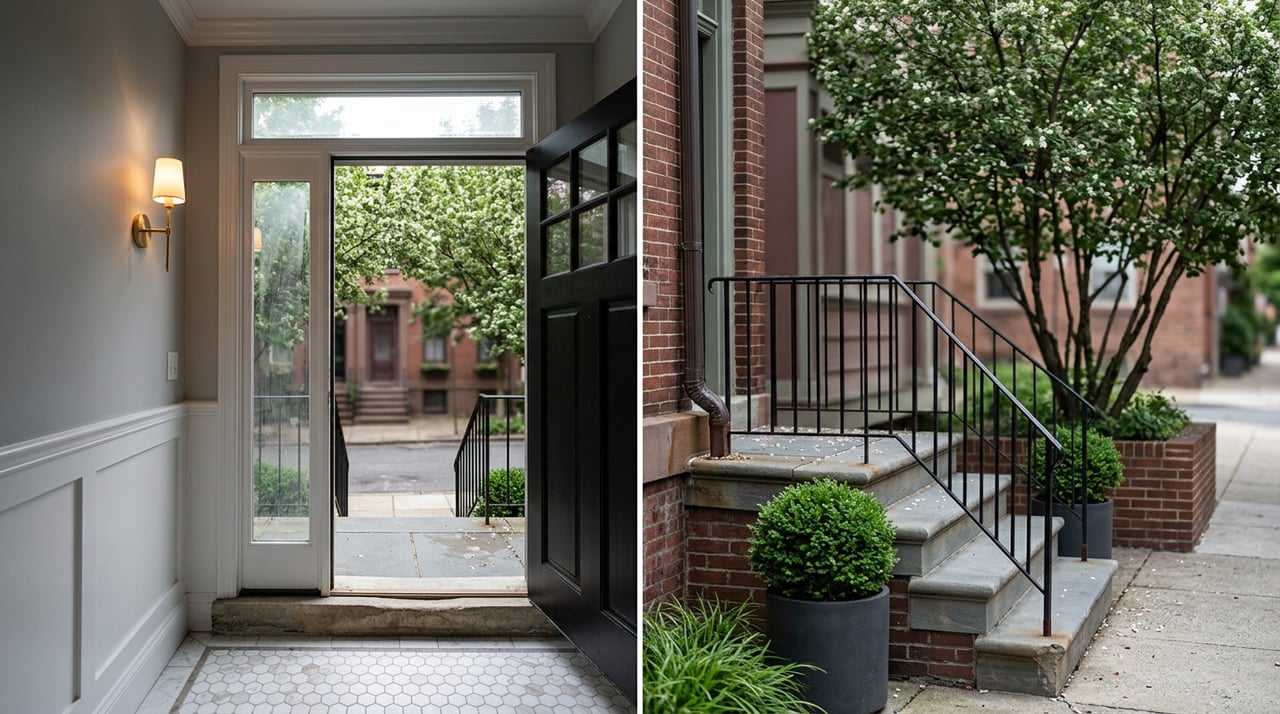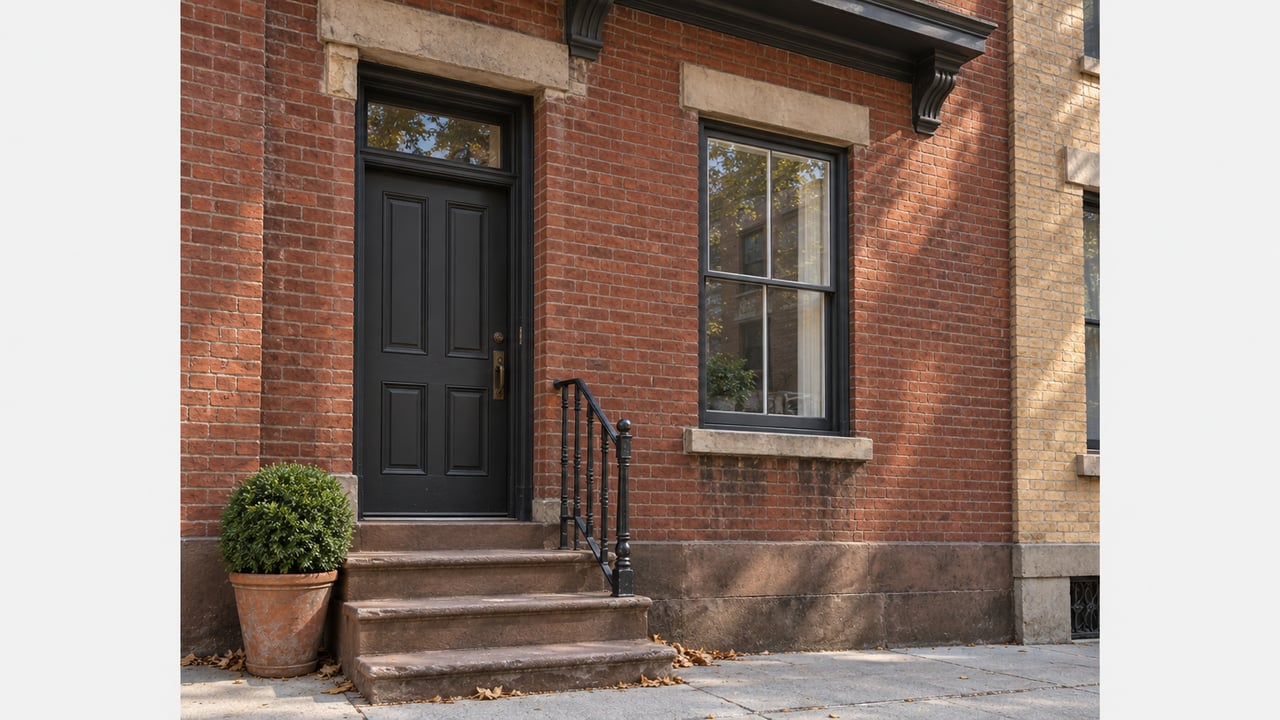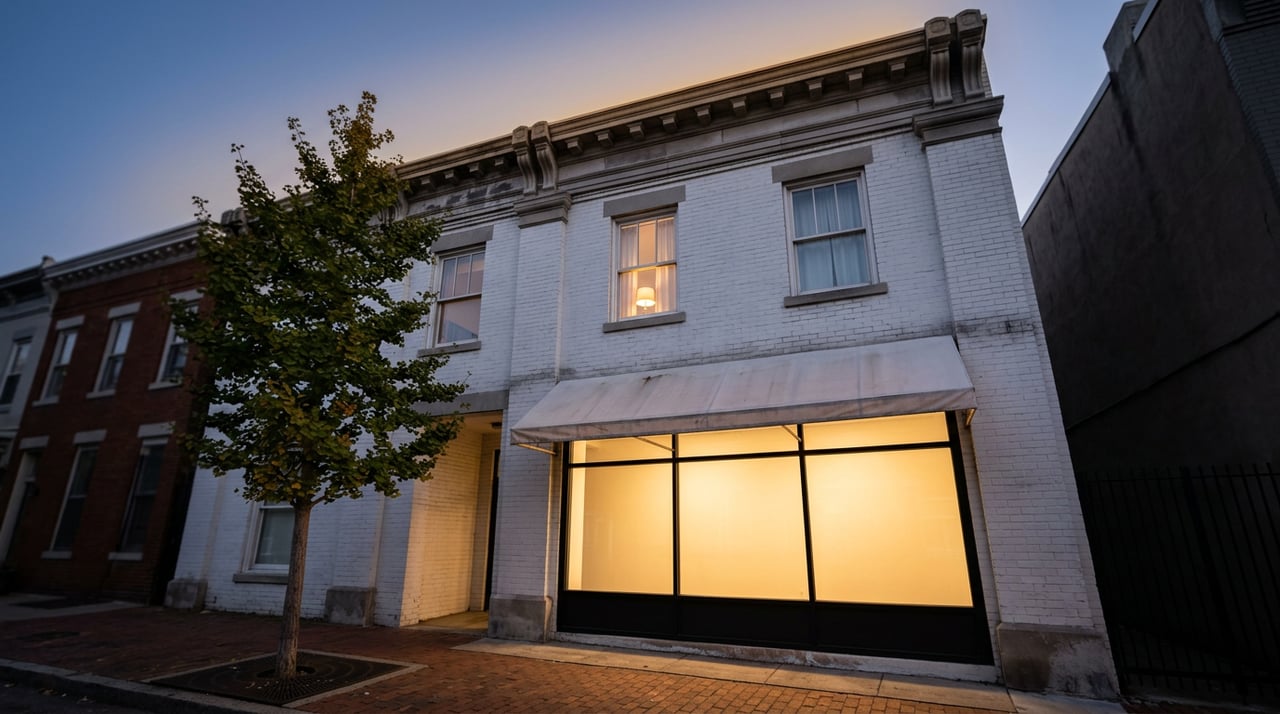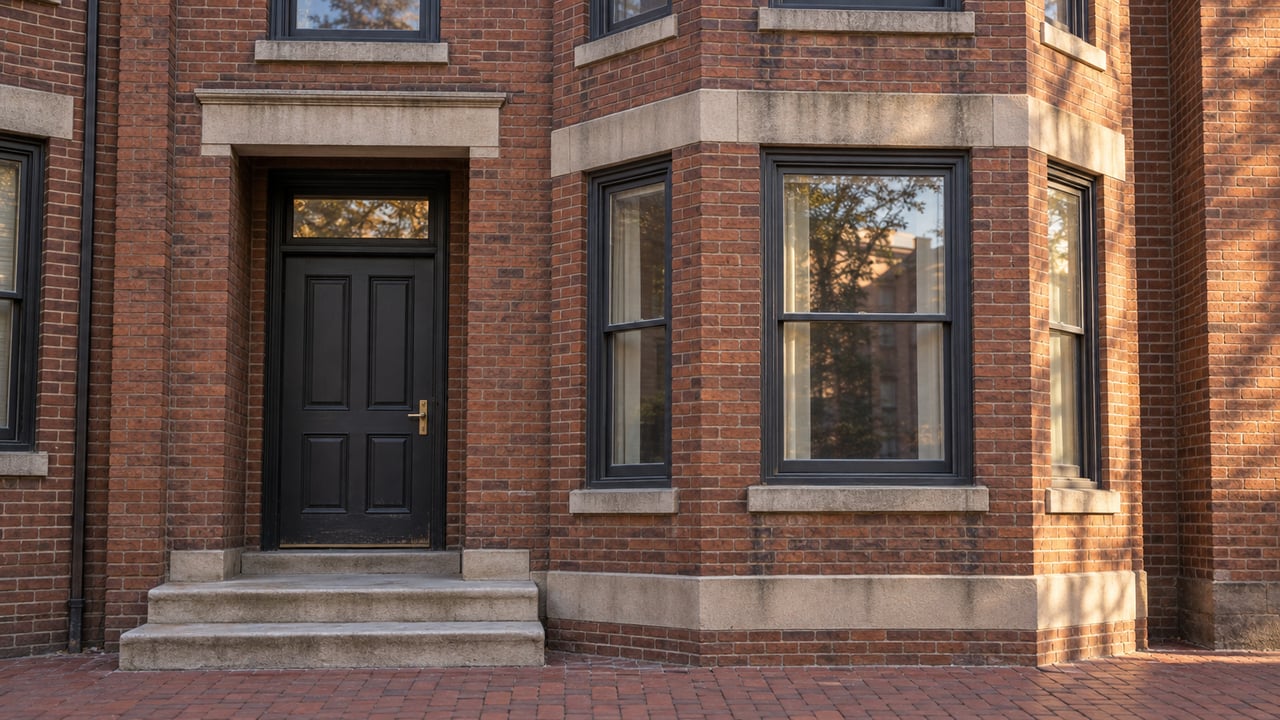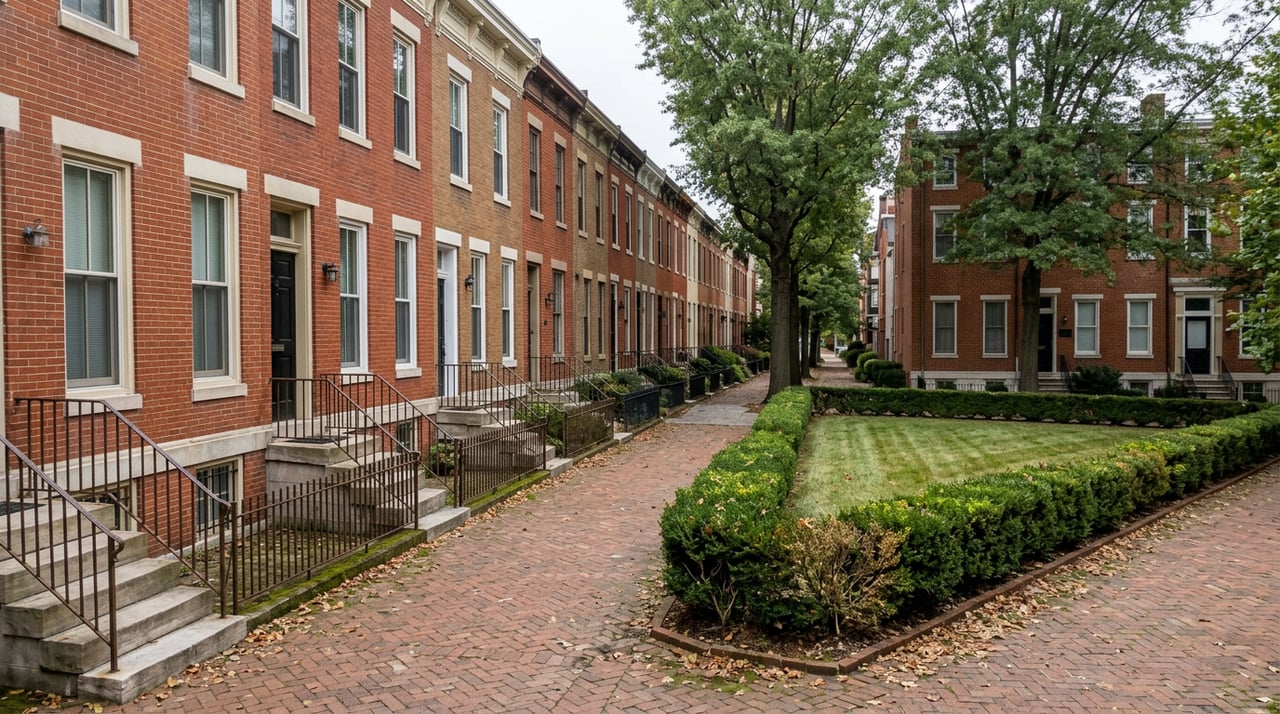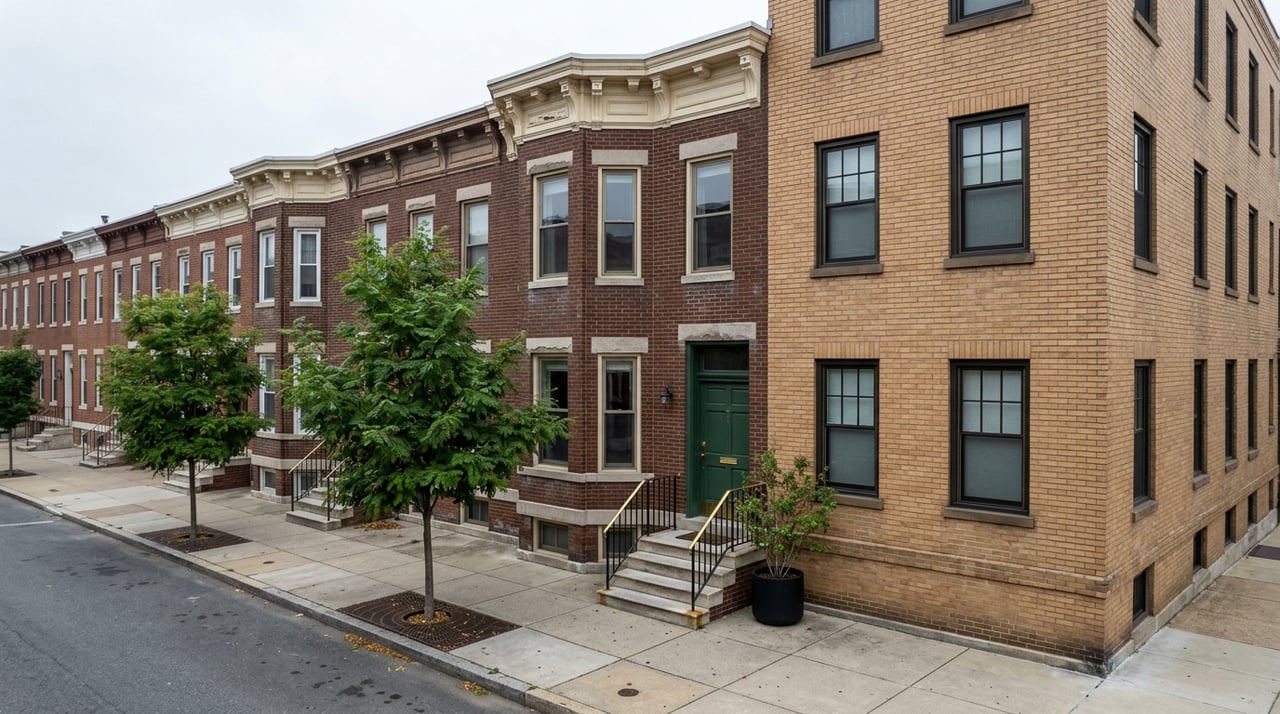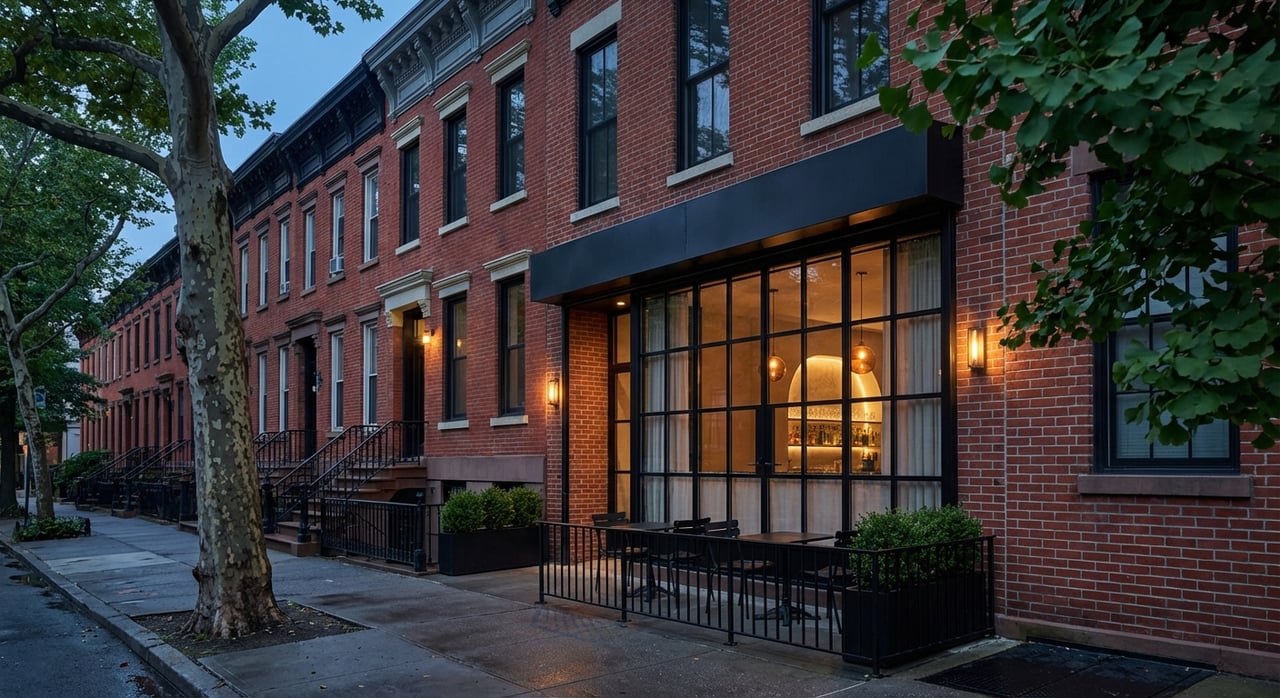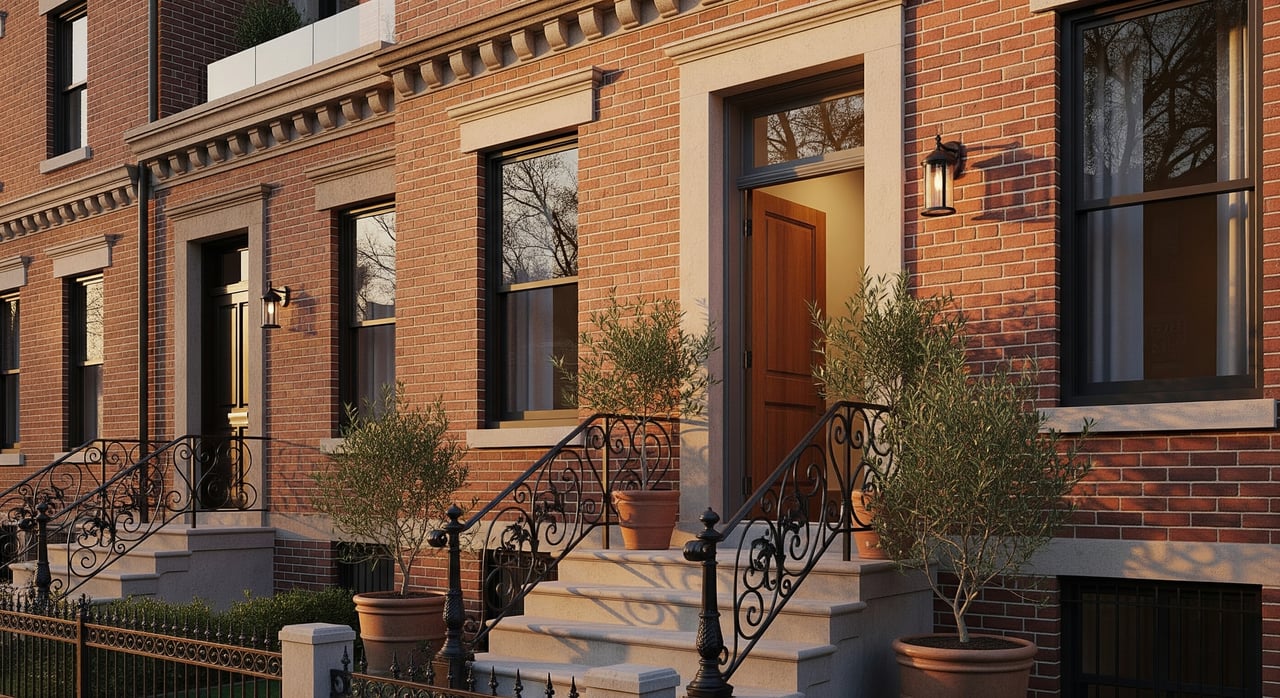
Scroll Dupont Circle listings next to Logan Circle listings this summer and one thing jumps out fast. Dupont looks cheap. A one-bedroom that would run close to $700,000 near 14th Street shows up two Metro stops away for under $500,000. Ask why, and most answers stop at "smaller units" or "older buildings." Both are true. Neither is the real story.
The real story starts before you ever write an offer. It starts with a board interview and a monthly fee that may or may not include the building's own mortgage. By the time you understand what that lower Dupont Circle price is actually attached to, the discount looks a lot smaller than it did in the search results.
The Board Meets Before the Bank Does
A large share of Dupont Circle's inventory sits in cooperative buildings, a structure buyers rarely encounter anywhere else in the city at this scale. In a co-op, the purchase process differs from a condo's. That distinction changes almost everything about how the deal closes.
Here is roughly what happens after you go under contract on a Dupont Circle co-op:
- You submit a buyer application with financial documentation, references, and often a personal interview with the board.
- The board reviews your file on its own schedule, not the lender's, and can add two to six weeks or more to the timeline depending on how complete your package is and how often the board meets.
- Your financing options differ from those for a condo purchase.
- Most boards expect a down payment of 20 percent or more, sometimes closer to 30, which is a higher bar than a conventional condo purchase.
We cover the mechanics of this in more detail in our guide to how DC co-ops work, but the short version matters here: the monthly fee on a Dupont co-op often bundles real estate taxes and a share of the building's own underlying mortgage. That makes a direct comparison to a condo's HOA fee misleading unless you know exactly what is included. A $600 monthly fee in a co-op and a $600 monthly fee in a condo are not the same $600.
None of this shows up in a median price. All of it shows up at the closing table.
Two Numbers, One Neighborhood
Set the transaction friction aside for a moment and look at the raw numbers, because they tell a story of their own.
| Market | Typical price, 2026 | Price per square foot |
|---|---|---|
| Dupont Circle | $432,500 to $494,450 median list price, June through July 2026 | $630 to $650 |
| Logan Circle | Roughly $830,000 median sale price so far in 2026 | Among the highest in the city, driven by new-construction premiums |
| Washington, DC citywide | $700,000 median sale price, three months ending June 2026 | $503 |
The list-versus-sale distinction matters, so treat these as directional rather than identical apples. But the pattern holds across every tracker we checked this summer. Dupont's median sits well below both Logan's and the citywide figure. Its price per square foot does not. At $630 to $650 per square foot, Dupont runs above the DC citywide average of $503, not below it.
That gap is the whole story in miniature. Dupont's median looks low because the units themselves are small. Right now, Dupont Circle's active listings run about 82 condos against just 6 detached houses and 14 townhouses out of roughly 102 total properties on the market, and the average home currently listed is only around 648 square feet. Homes.com's July 2026 data puts the median home price at $480,000 and the average sale price at $820,532, a gap of more than 70 percent between the two figures. That is not a typo. It is what happens when a handful of large historic rowhouses and boutique combined units sell alongside a much bigger pool of studios and one-bedrooms. The median tracks the studios. The average, and the price per square foot, track the fact that space itself still costs a premium here.
Days on market tells a related piece of the story. Dupont listings have run anywhere from 49 to 88 days depending on the source and the month in 2026, compared to a citywide average of 47 to 56 days over the three months ending June 2026. Inventory has grown and buyers have more time to look, which is real leverage. It is leverage on timeline, though, not on the underlying cost of space.
The Building That Explains the Mix
Dupont Circle's inventory looks the way it does partly because of the neighborhood's own most famous address.
At 1615 Q Street NW, two blocks north of the circle, stands The Cairo. Architect Thomas Franklin Schneider completed it in 1894 at 164 feet and 12 stories, making it the tallest residential building in the city at the time and, by a wide margin, the tallest thing on a block of three and four-story rowhouses. Neighbors called it "Schneider's Folly." They also lobbied Congress, and in 1899 Congress passed the Height of Buildings Act, later tightened in 1910, capping new construction at 90 feet on residential streets and 130 feet on commercial corridors. Those limits still shape the DC skyline today.
The Cairo itself went through a long decline. The Schneider family sold it in 1955, it deteriorated badly over the following decades, and a new owner gutted and renovated it in the 1970s before converting it to condominiums in 1979. A fire in 2007 forced another round of renovation before it reopened.
Layer onto that the Dupont Circle Historic District, established in 1978, which puts exterior changes to contributing buildings under review by DC's Historic Preservation Review Board. Even routine work like window replacement can require a permit and review to confirm the new windows match the original in configuration, material, and profile. That review can add weeks to a straightforward renovation, and it is one more reason ground-up redevelopment in Dupont has been rare compared to a neighborhood with more open parcels.
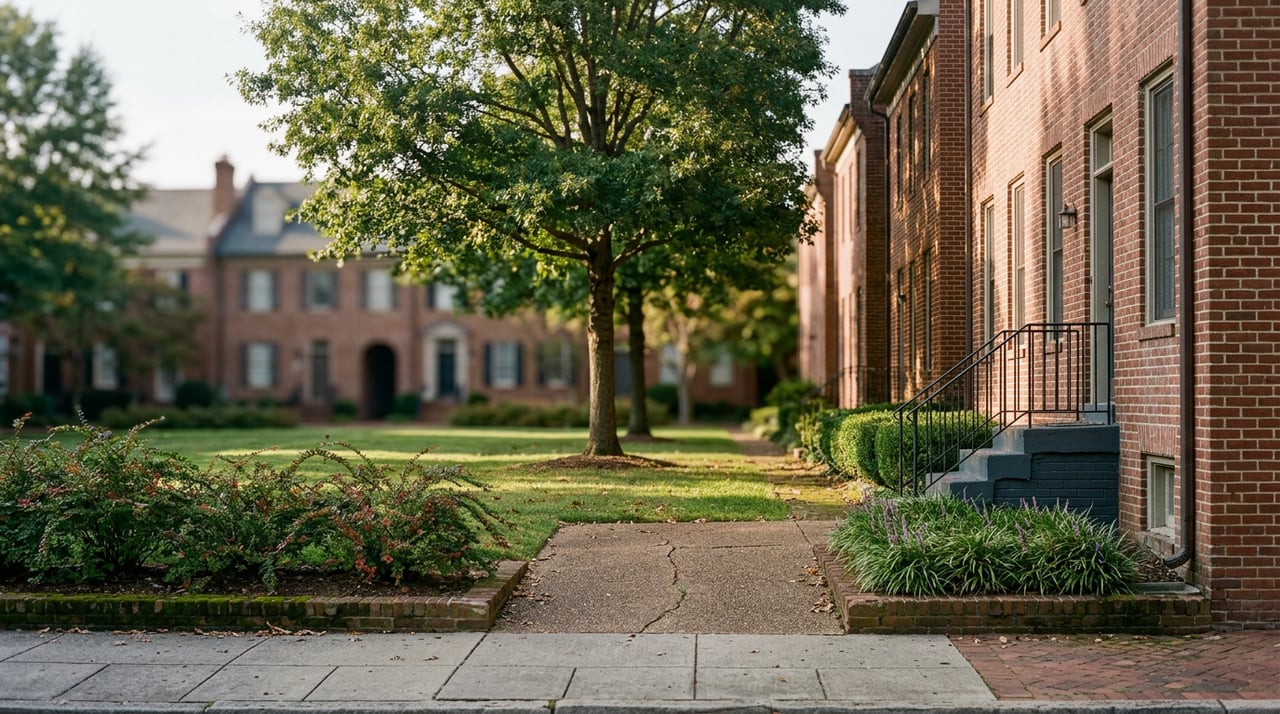
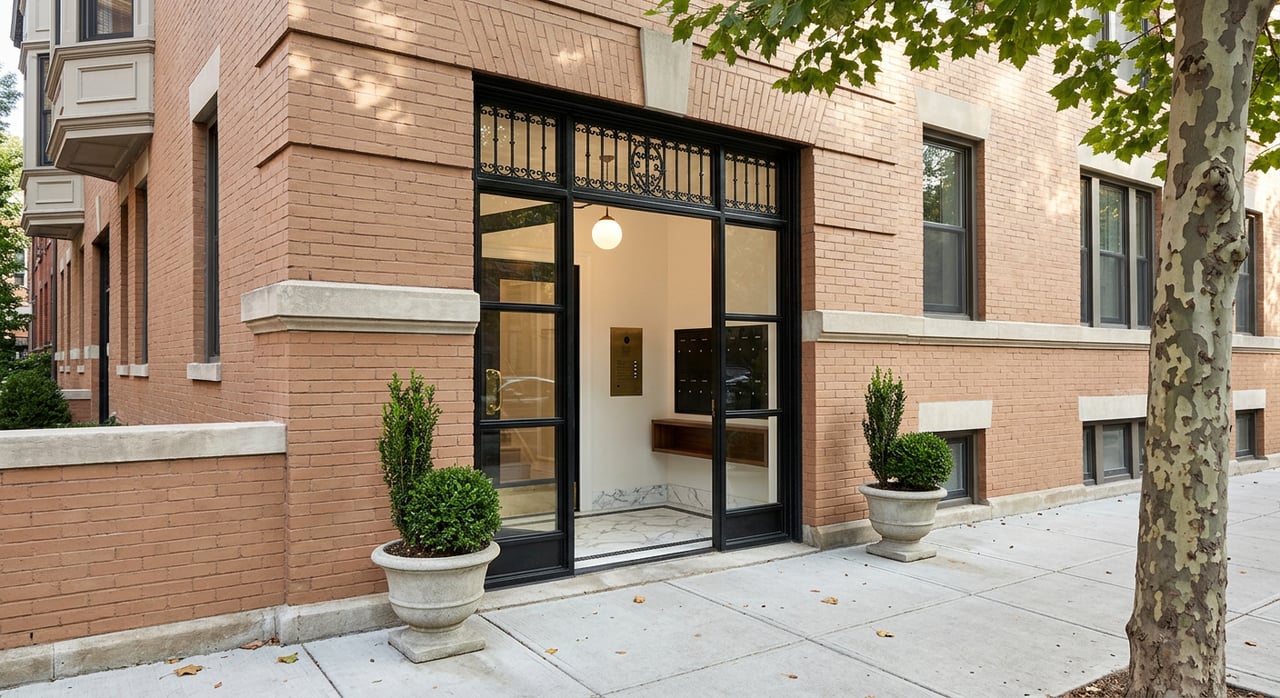
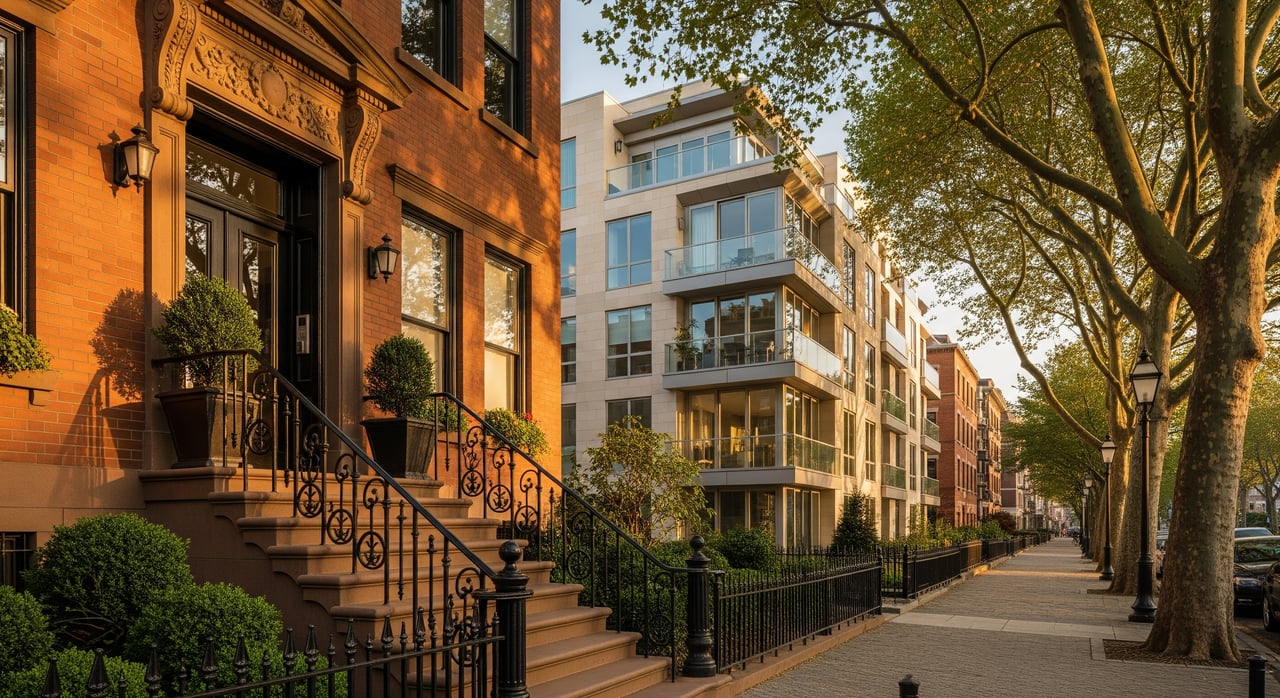
The result is a neighborhood built almost entirely from what was already there. Pre-war apartment houses converted to co-ops. Rowhouses converted to condos. Very little new construction, because there has been very little land free of a contributing historic building to build on.
While Logan Kept Building
Logan Circle had a different starting point. Much of its 14th Street corridor was once known as Automobile Row, lined with garages and showrooms rather than rowhouses worth preserving. That gave developers open ground, and they have been using it for two decades.
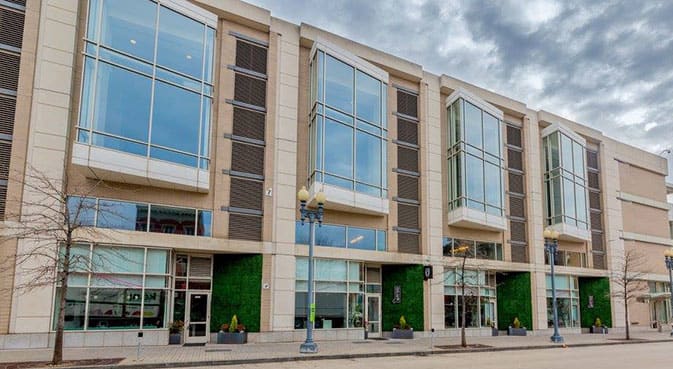
Lofts 14, at 1401 Church Street, converted a former warehouse into 85 loft-style condominium units in 2005. Logan Station added 63 new-construction units from Bogdan Builders on a site among the neighborhood's historic Victorians. Holladay Corporation's 14 Church, a 65-unit project designed by Eric Colbert and Associates, is set to deliver at the end of 2026, incorporating two existing facades along with adjacent empty lots that had no historic structure to preserve.
Each of those buildings added larger, amenity-heavy units to Logan's inventory at a premium price point. Dupont added almost nothing comparable, because it had almost nowhere left to build it. That is the mechanism behind the median gap. It is not that Logan is simply more desirable. It is that Logan's raw material let it keep manufacturing exactly the kind of large, new, high-price-per-square-foot units that pull a neighborhood's median upward, while Dupont's raw material locked it into small, older, co-op-heavy units that pull the median down even as the cost of space holds firm.
What This Means If You're Comparing Neighborhoods
If you are cross-shopping Dupont against Logan, Shaw, or another NW DC neighborhood using the median price alone, you are comparing two different products and calling it one number. A few things worth checking before you anchor to any headline figure:
Ask whether you're looking at a condo or a co-op before you fall for a price. The building type changes your financing options, your down payment, your closing timeline, and what your monthly fee actually covers.
Compare price per square foot, not just total price, when you're deciding whether a neighborhood is genuinely more affordable or just built out of smaller units.
Use the longer days-on-market window to your advantage on negotiating terms and timeline, but do not expect it to translate into a lower per-square-foot cost. Space in Dupont has held its value even as total price tags have softened.
If you're weighing a co-op specifically, request the building's financials, reserve study, and recent board minutes before you get emotionally attached to a unit. A well-run building with strong reserves is a very different purchase than one carrying deferred maintenance behind a low list price.
A Few Questions Worth Asking Directly
Is Dupont Circle actually cheaper than Logan Circle? On median price, yes, by a wide margin. On cost per square foot, Dupont runs comparable to or above Logan and above the DC citywide average. Its lower median reflects smaller homes, not a lower cost per square foot.
What should buyers compare between condos and co-ops? The building type changes your financing options, down payment, closing timeline, and what your monthly fee covers. Dupont also has a meaningful concentration of co-ops compared with most other DC neighborhoods.
Why hasn't Dupont added new-construction condo buildings the way Logan has? Land availability is the biggest factor. Logan had former commercial and garage lots without historic structures to preserve. Dupont's built environment was largely established before the 1978 historic district designation, which leaves few sites where ground-up construction is straightforward.
If you're trying to figure out what a given price actually buys in Dupont Circle, Logan Circle, or anywhere else in Northwest DC, that's exactly the kind of comparison worth working through with someone who tracks these buildings block by block. Jen Angotti and the Arrow Group team can walk you through the specific buildings, fee structures, and board processes behind the listings you're looking at. Let's talk about your next move.
This article is general information, not legal, tax or financial advice. Consult a qualified professional about your situation.