GALA Hispanic Theatre just posted its 51st season at the Tivoli, and the neighborhood doesn't show up until the very end. Not as a backdrop, not as a footnote in a director's note, but as the subject of the mainstage's world premiere: a play called Botiquín de Mariachis de Columbia Heights, set inside a neighborhood bar that could be any bar on this stretch of 14th Street, closing the season next summer after everything else has already run.
That's a curatorial choice, and it's worth sitting with if you live within walking distance of that marquee. GALA had a full year of programming to choose from. It put the story about here at the back of the line.
The Season, In Order
Here's what's actually on the calendar between now and next summer, according to the theater's own scheduling:
- XXII Fuego Flamenco Festival, November 5 through 21, 2026, an expanded three-week run featuring U.S. and international flamenco artists
- Nueva Era: New Play Festival, staged readings, December 11 through 13, 2026, the theater's first cycle dedicated to unpublished and unproduced work by Latino playwrights in the U.S.
- La Fiesta de los Reyes Magos (Three Kings Day) / GALita, January 3, 2027, a free celebration with local musicians, dance companies, a neighborhood street parade, and a gift for every child
- Eva Luna, February 4 through 28, 2027, a mainstage adaptation of Isabel Allende's novel
- Botiquín de Mariachis de Columbia Heights, June 16 through July 4, 2027, the season's mainstage world premiere, commissioned by GALA
Five distinct events, four of them set somewhere else entirely: Spain, Chile, a mix of Latin American literary traditions spanning García Márquez to Allende. Then the last one lands two blocks from where you're probably reading this.
Why the Bar Play Runs Last
Botiquín de Mariachis de Columbia Heights comes from Mexican playwright Jaime Chabaud, and according to GALA's own season materials, it's built around a neighborhood bar where rancheras play, heartbreak and resistance share the same stage, and live mariachi music runs underneath stories pulled from local history. The theater has described the piece as reaching back to the 1991 unrest in Mount Pleasant and forward through more recent community pushback against ICE enforcement in the neighborhood, framed as a celebration of the area's resilience and its habit of showing up for itself.
That's a specific kind of ambition. Most theater seasons treat the neighborhood outside the doors as scenery, something the audience passes through on the way to somewhere else on stage. GALA is doing the opposite: spending a fall, a winter, and a spring on the wider world, then bringing the audience home for the finale. If you've ever wondered whether a 51-year-old Spanish-language theater company still has anything to say specifically about Columbia Heights, this is the season that answers it, and it answers it last, on purpose.
A Building That's Told This Story Before
The Tivoli itself has a version of this same arc built into its walls. It opened in 1924, designed by Thomas White Lamb, one of the era's marquee movie palace architects. The original commission had gone to Reginald Geare, the same architect behind Adams Morgan's Knickerbocker Theatre. Geare was replaced after a 1922 snowstorm collapsed the Knickerbocker's roof and killed nearly 100 people inside, a disaster serious enough that the Tivoli's owners wanted someone else finishing the job.
The theater ran as one of the city's more elegant movie houses for half a century, then closed in 1976 as the neighborhood around it lost investment. It sat empty for more than 25 years. When it reopened in 2005, GALA moved into the building's former balcony, with the rest of the structure converted to mixed retail use, timed to a broader wave of reinvestment in Columbia Heights that was already underway.
So the building has already lived the plot: a grand opening, a long closure tied directly to the neighborhood's fortunes, and a slow return. Now it's staging a play about the same kind of cycle, just compressed into one bar instead of one theater. If you want to understand why a season built around Spanish-language classics and Latin American literary adaptations ends with something this specific to 14th Street, the building's own history is most of the answer.
Everything Else on the Calendar Before Then
The season isn't a single event stretched across ten months. Each piece before the finale does something different.
The Fuego Flamenco Festival is now in its 22nd year, which makes it one of the longer-running annual arts events in this part of the city, and this edition runs three full weeks rather than the shorter run some past years have carried. Nueva Era is new territory for GALA entirely, a staged-reading series built specifically to surface Latino playwrights who haven't had a New York or DC production yet, which means anyone who shows up in December is watching work that hasn't been reviewed or previewed anywhere else. Three Kings Day is the one date on this list built for families rather than theatergoers: free admission, a street parade, and a gift for every child who attends, which is a different kind of neighborhood event than a ticketed mainstage run.
Eva Luna is the closest thing to a conventional literary adaptation on the calendar, based on Isabel Allende's novel, running February 4 through 28, 2027. It's also the last stop before the season turns toward Columbia Heights itself.
The Saturday Routine That Already Exists
None of this requires planning a special trip. The Tivoli sits one block north of the Columbia Heights Metro station on the Green and Yellow lines, and GALA has a standing arrangement for discounted parking, four dollars, in the Giant garage directly behind the building, with entry off Park Road and Holmead Street.
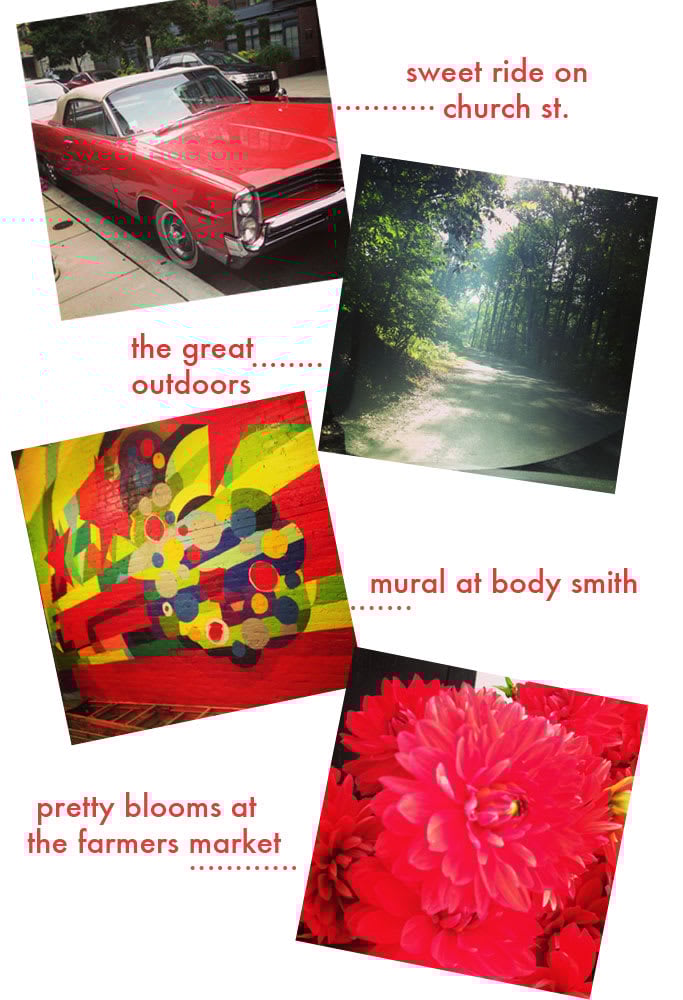
The Columbia Heights Farmers Market runs Saturdays on Civic Plaza at 14th and Park Road, a few steps from the theater's front doors, a market that's been running in that same spot since 2010. Anyone already building a Saturday around produce and a coffee has the Tivoli sitting right there for a matinee, especially once the flamenco festival and the December staged readings give people an actual reason to check a show time instead of just walking past the poster.
That's the practical version of the thesis above. The theater built its season to end with a story about this specific stretch of 14th Street. The neighborhood already has a weekly rhythm that puts people on that same block anyway. The two were bound to meet somewhere around next summer's opening night.
If you're the kind of resident who tracks what's changing on this stretch of 14th Street the way we do, from a new lease sign to a season announcement at the Tivoli, that's the same instinct that makes for a good conversation about the neighborhood's housing market whenever the time comes. Jen Angotti works this part of Northwest DC block by block. Let's talk about your next move, whenever that turns out to be.