For any conventional condo loan application dated on or after August 3, 2026, the size of the building has become one of the biggest variables in your financing. Fannie Mae removed the Limited Review option for established condo projects. Those buildings now get a Full Review unless they qualify for a waiver, and the waiver now covers projects with ten or fewer units. On the same day, Freddie Mac announced matching changes, including the same August 3 retirement of its Streamlined Review.
Shaw's boutique condo buildings fall on both sides of that ten-unit line. No listing price reflects it.
Nine Units on 9th Street, Twelve on R Street
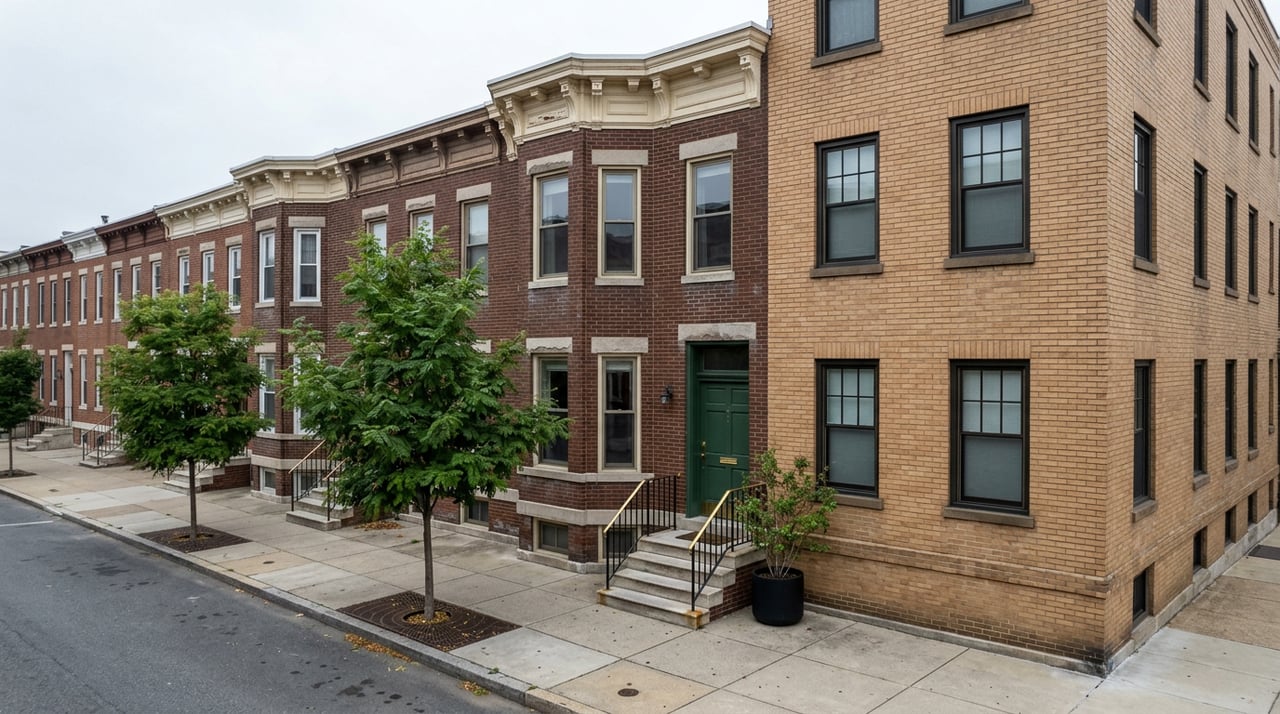
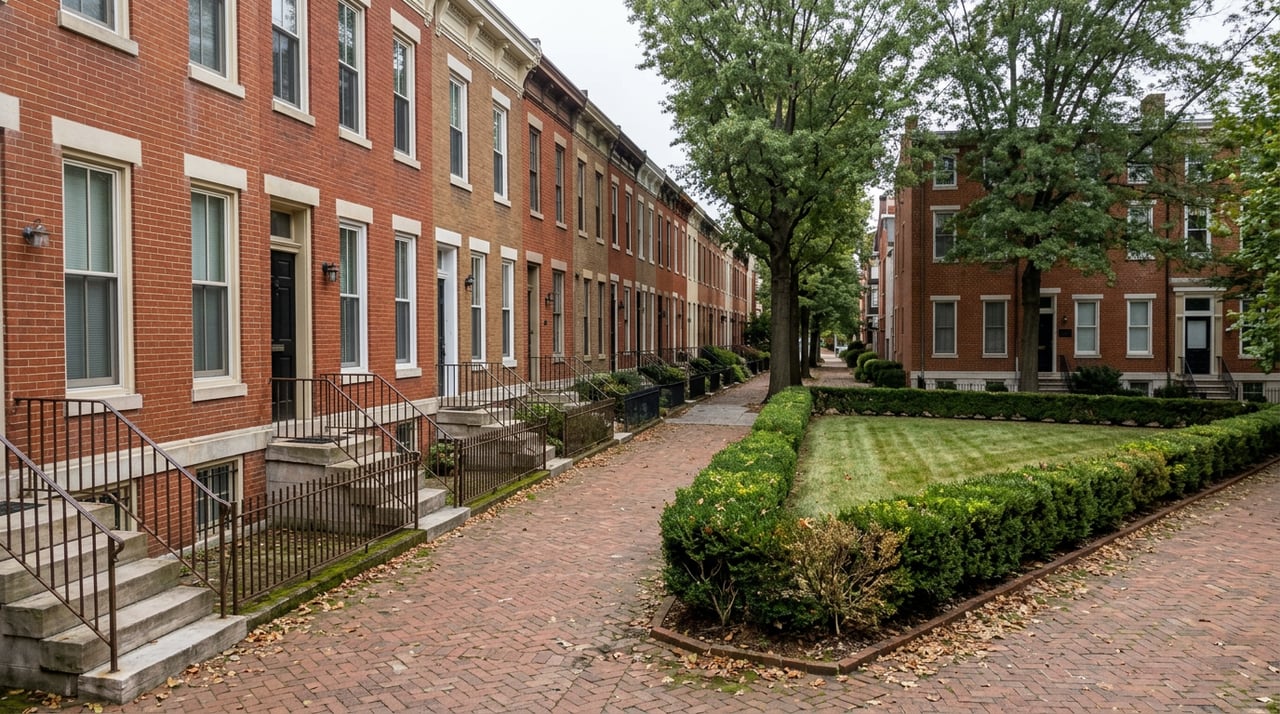
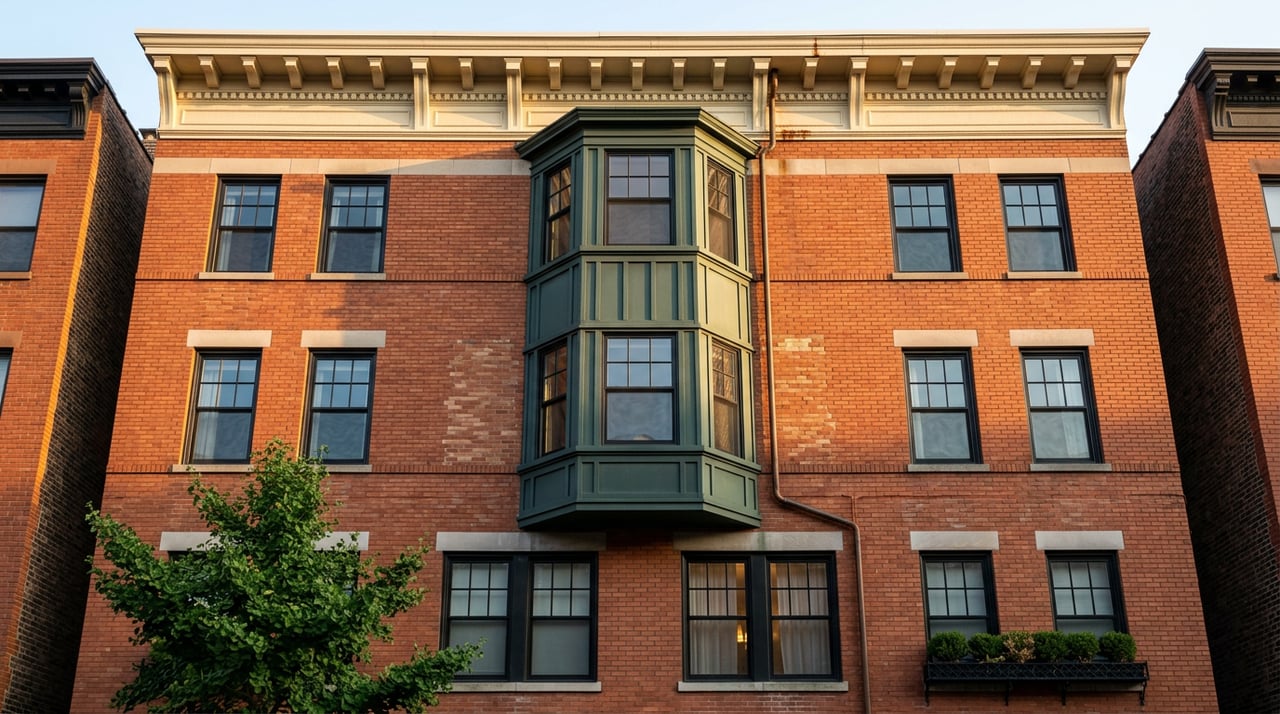
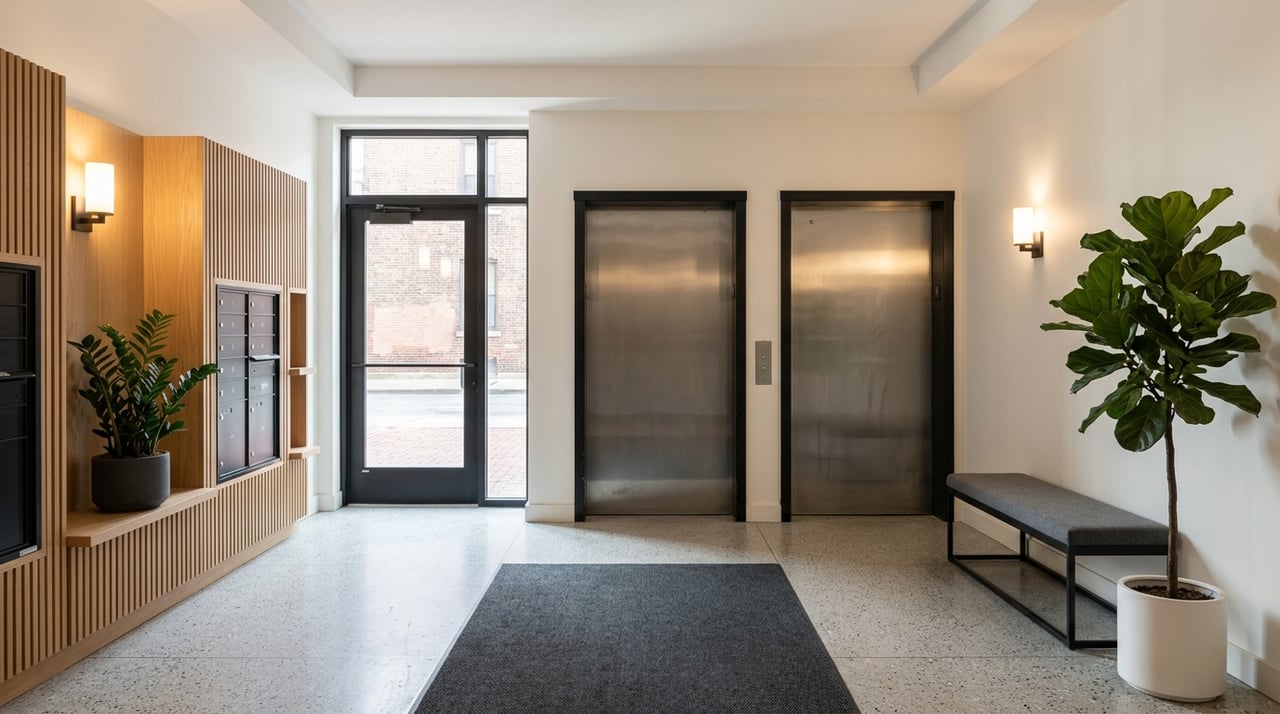
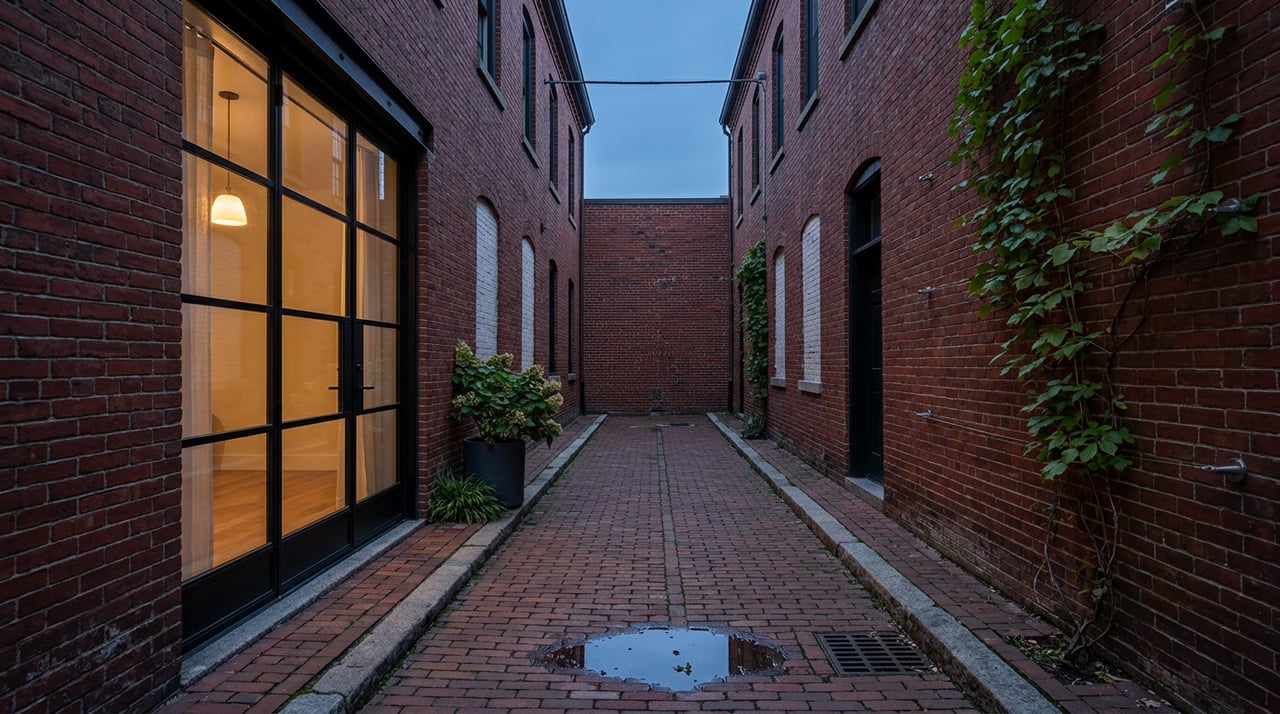
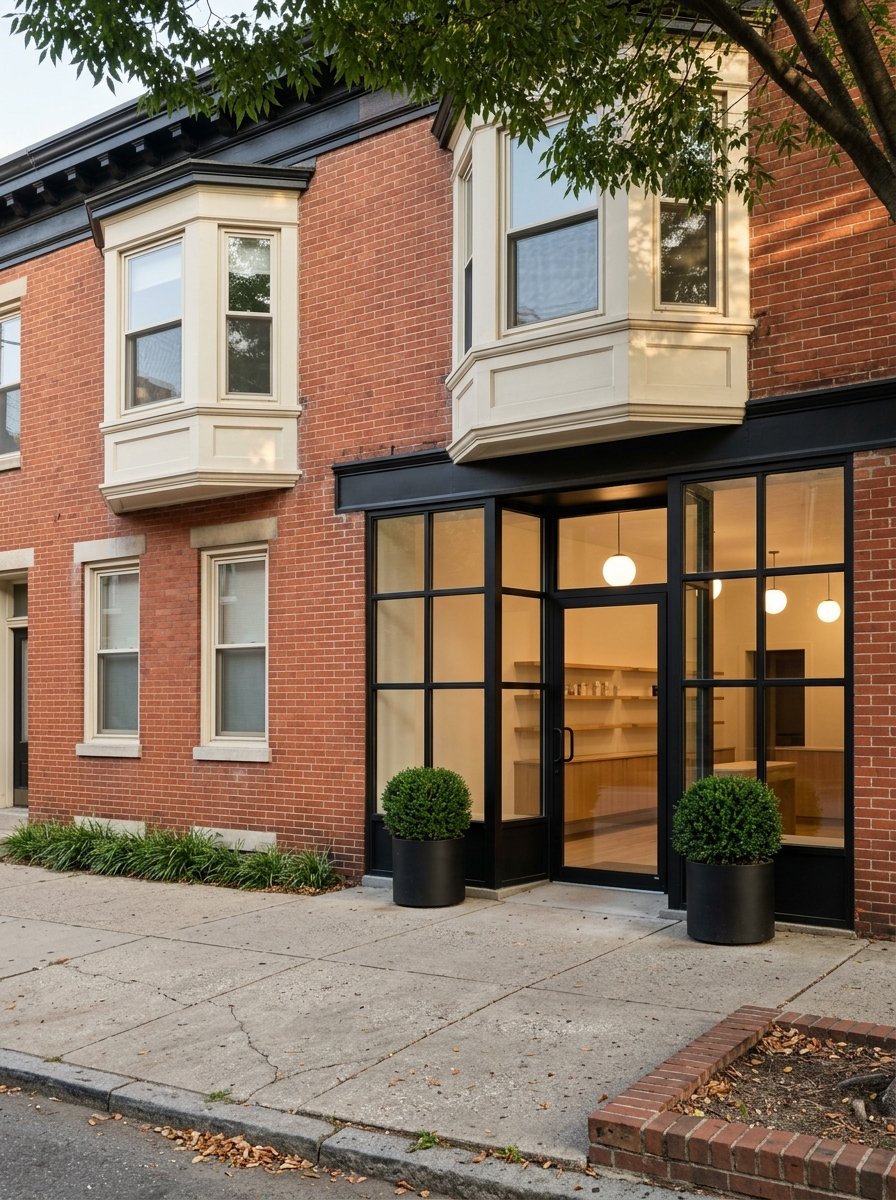
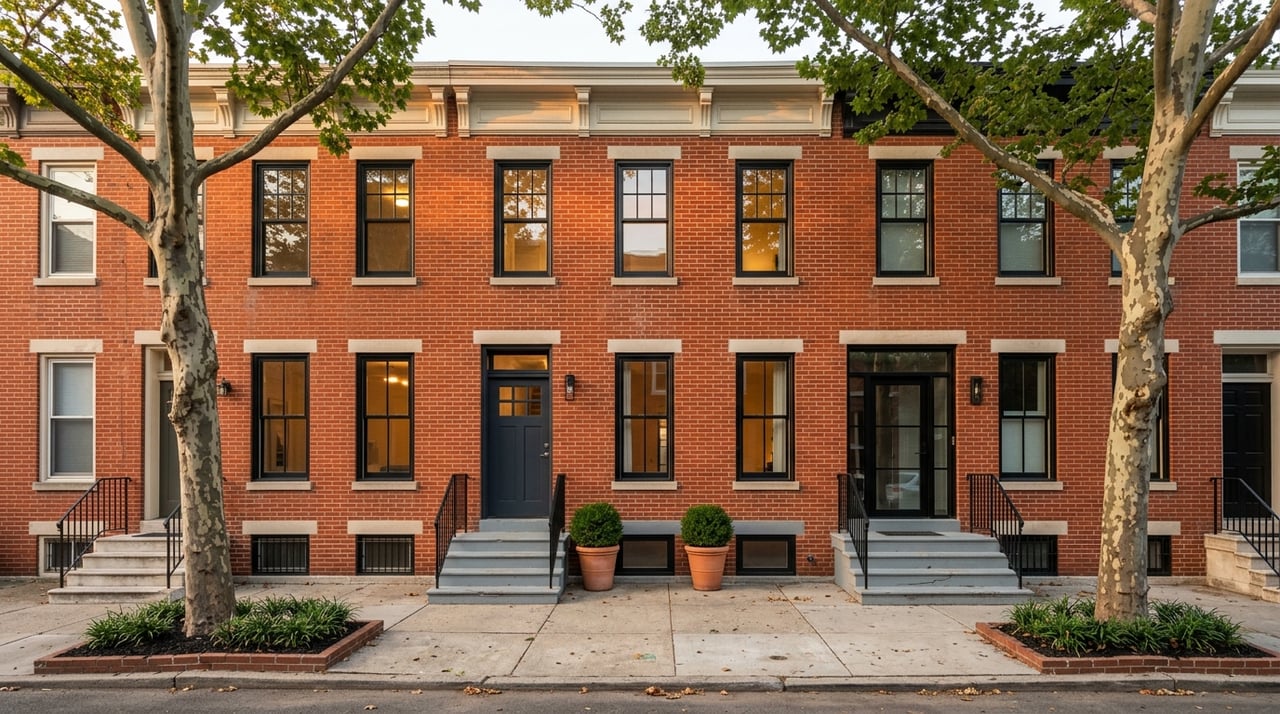
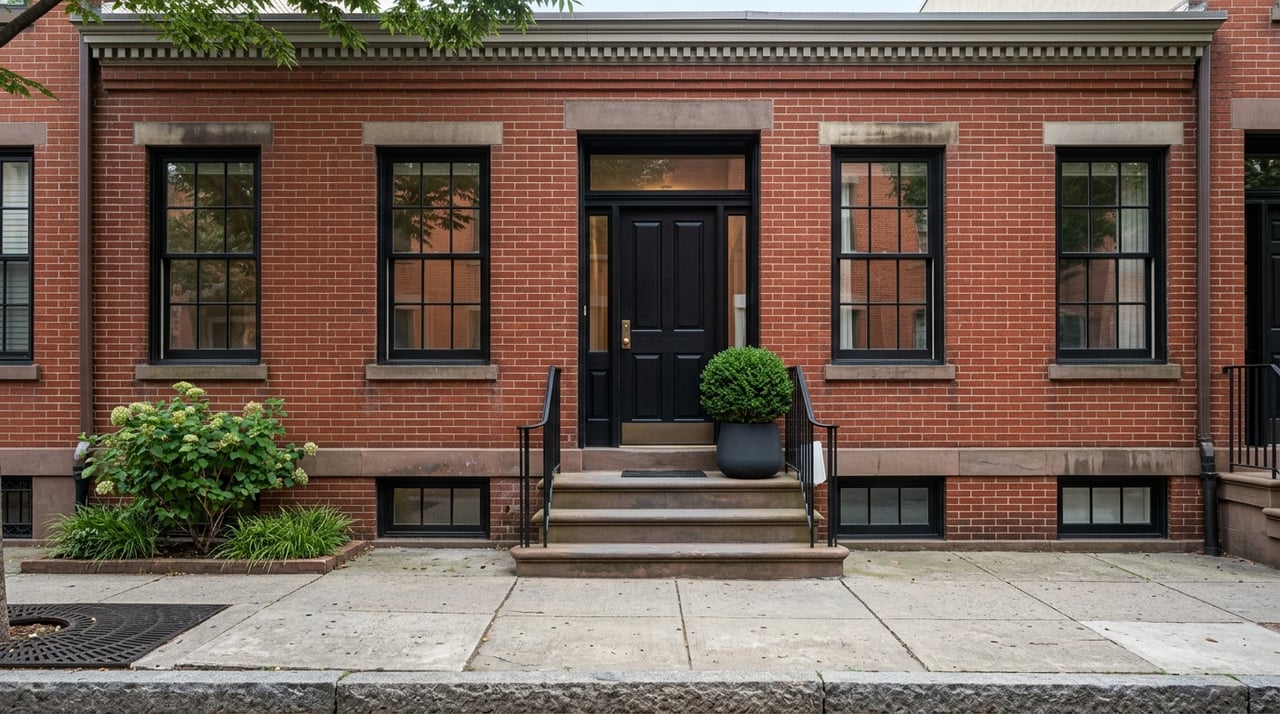
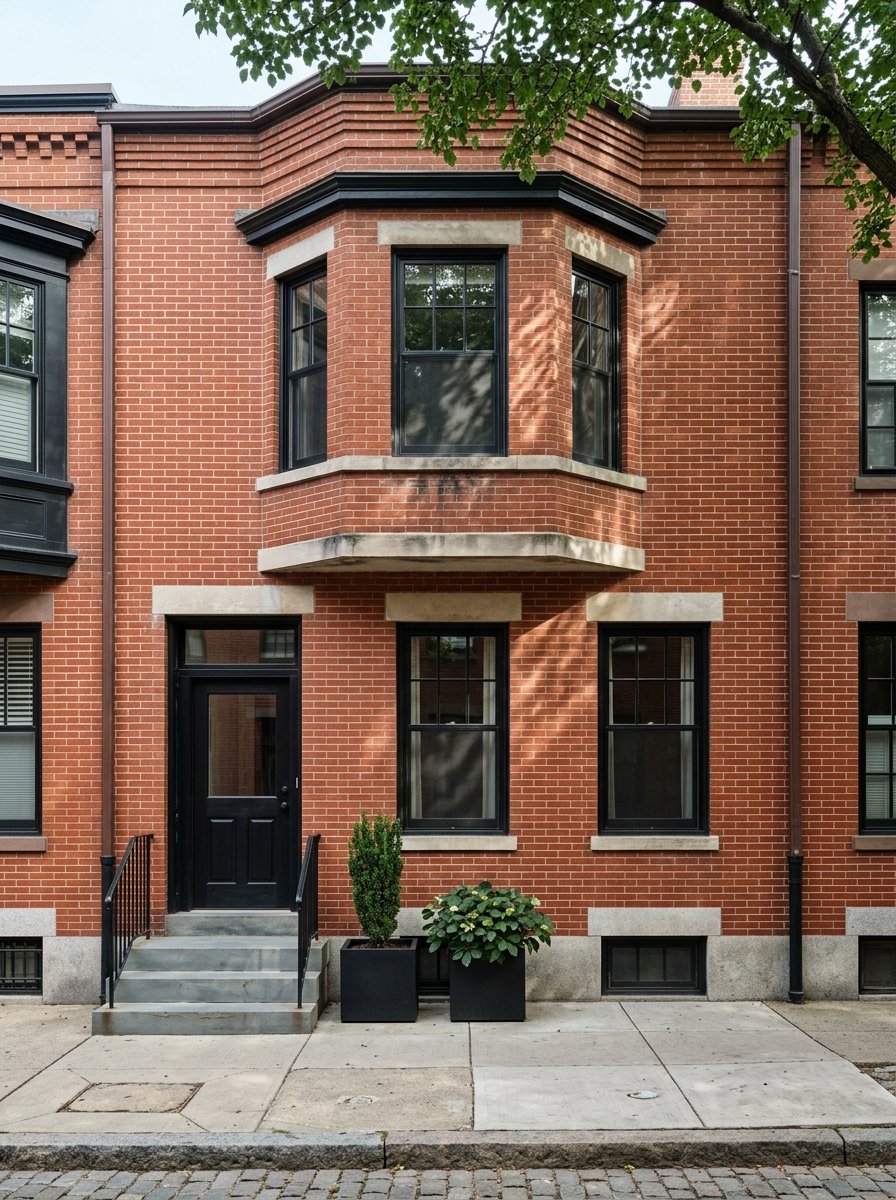
Take two recent Shaw projects that are similar in spirit. The Matthew has nine residences on 9th Street overlooking Naylor Court, next to Blagden Alley. It was move-in ready when sales launched in March 2024, with prices running from the mid $400s to $1.2 million. Kadida Development Group built it at 1318 Ninth St. NW.
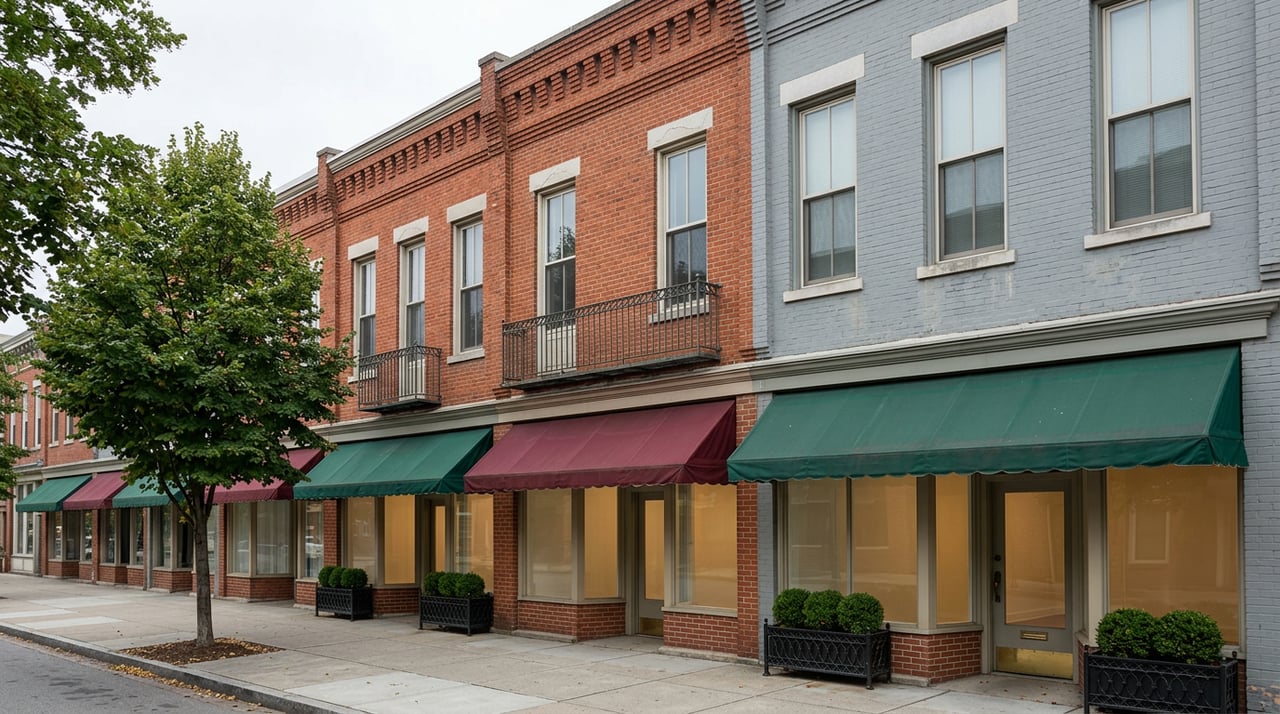
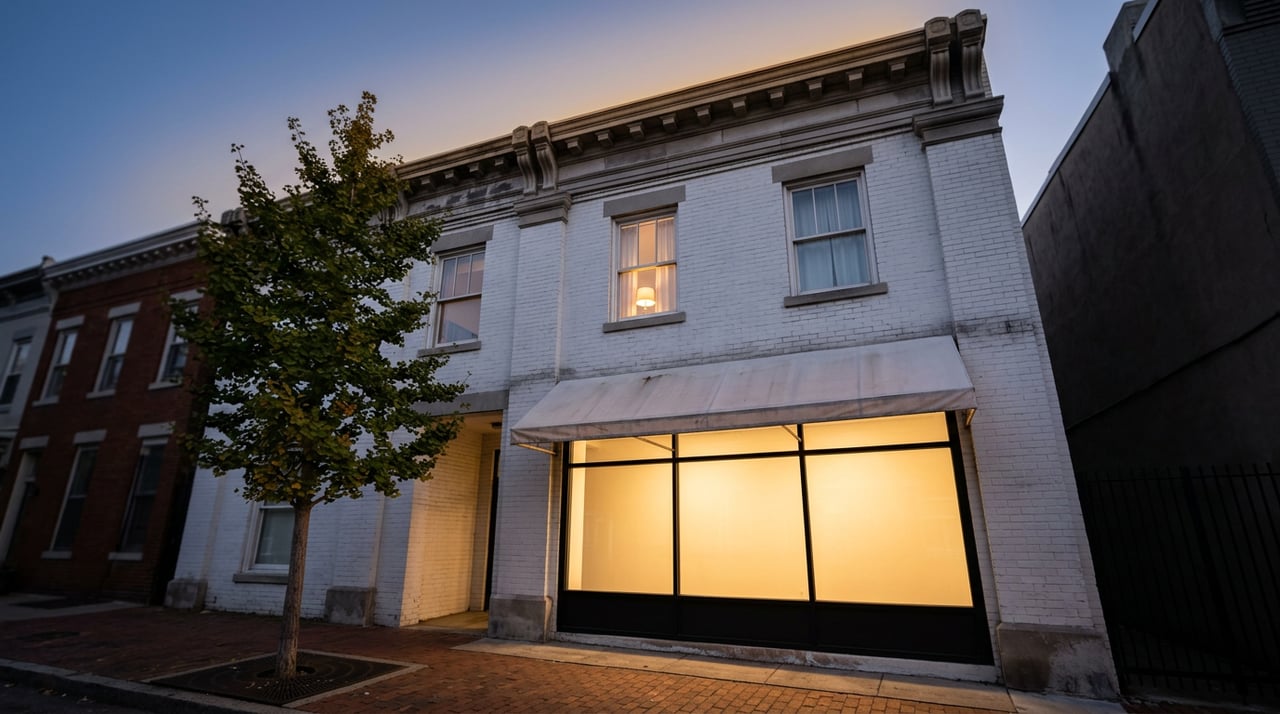
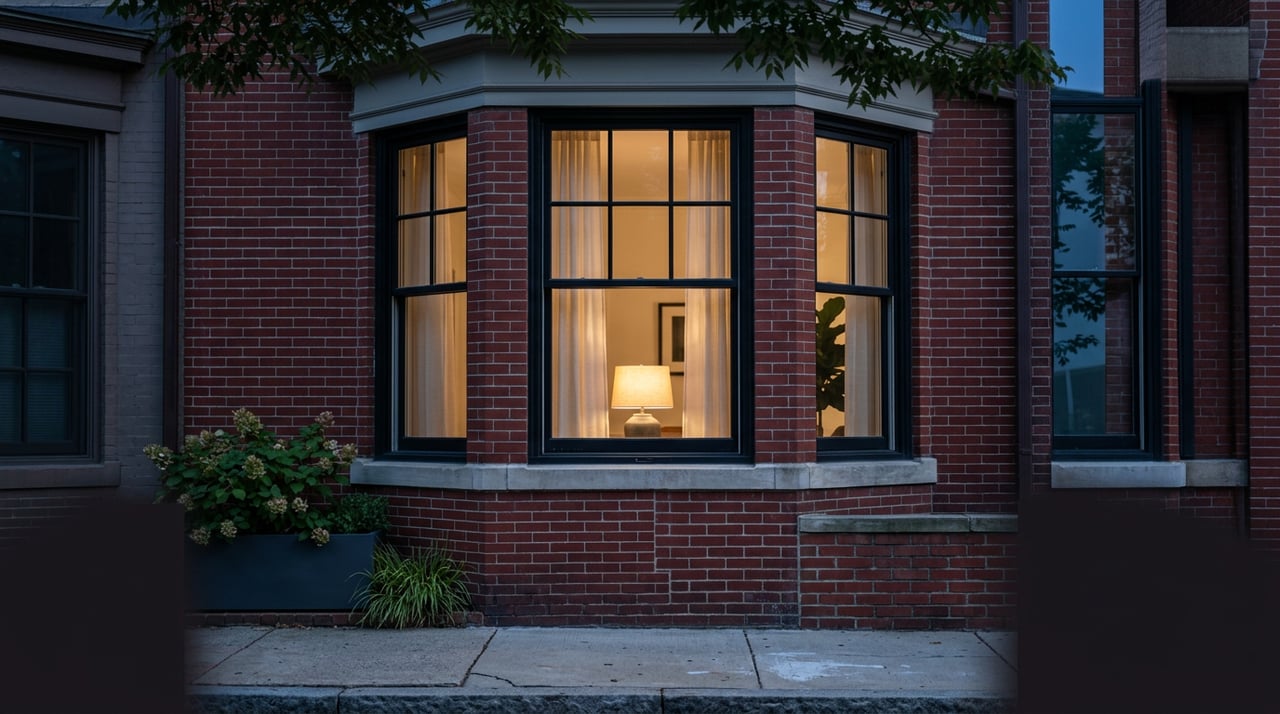
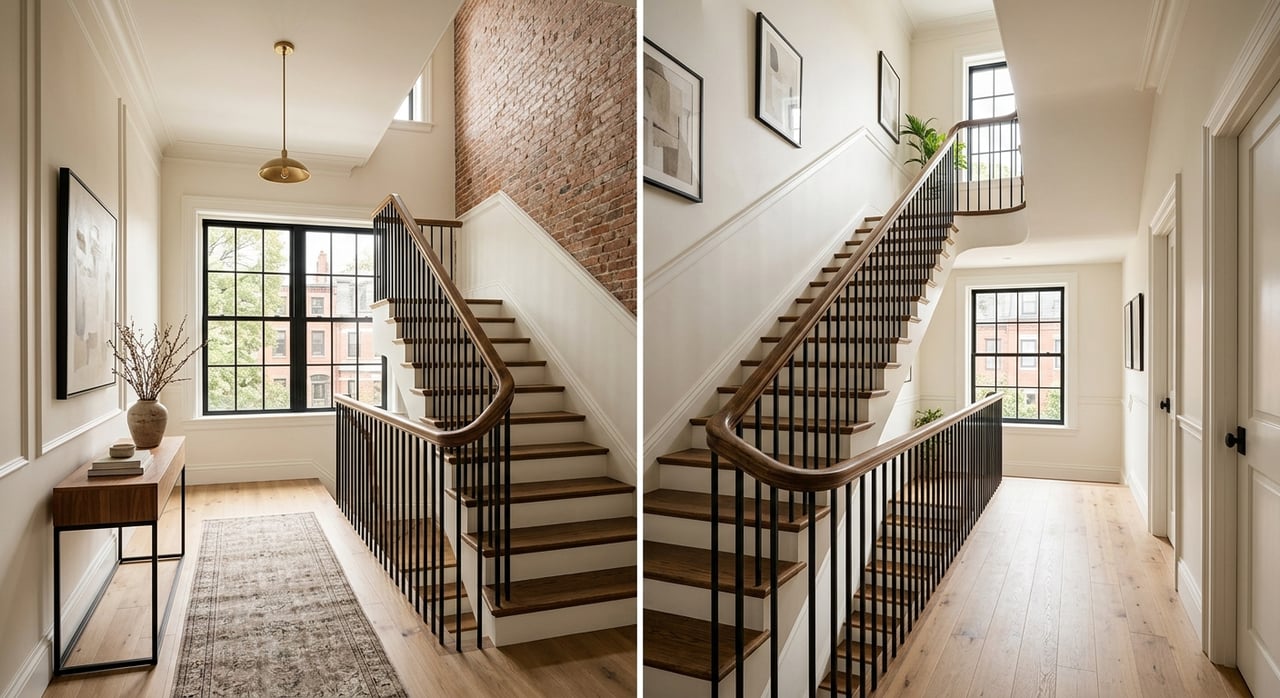
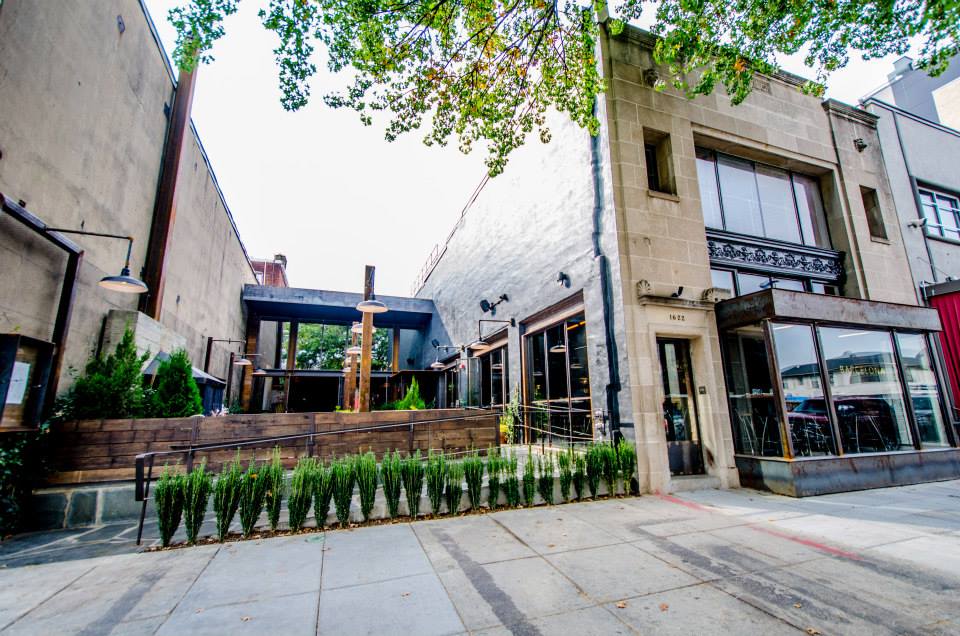
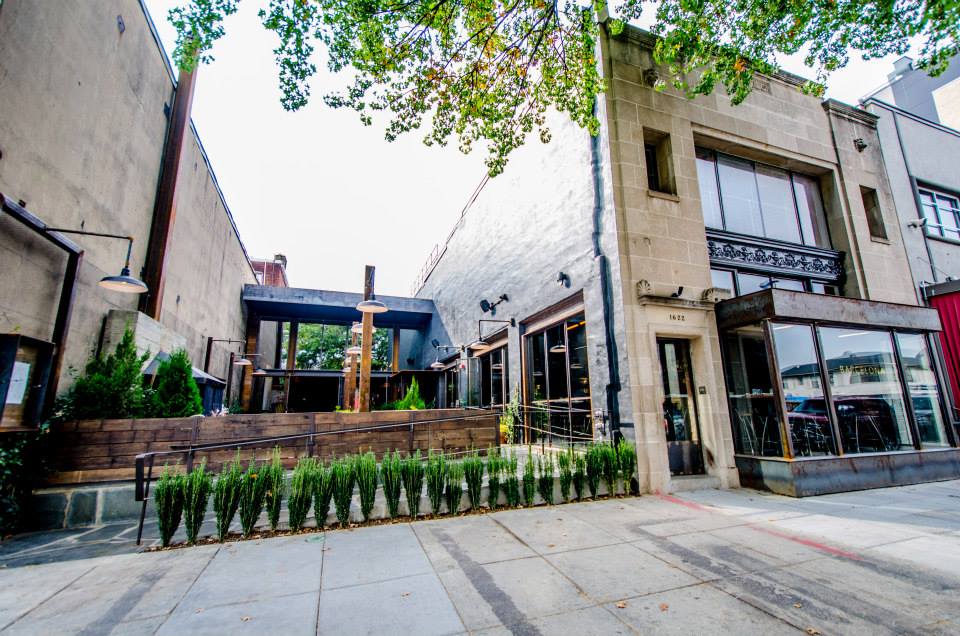
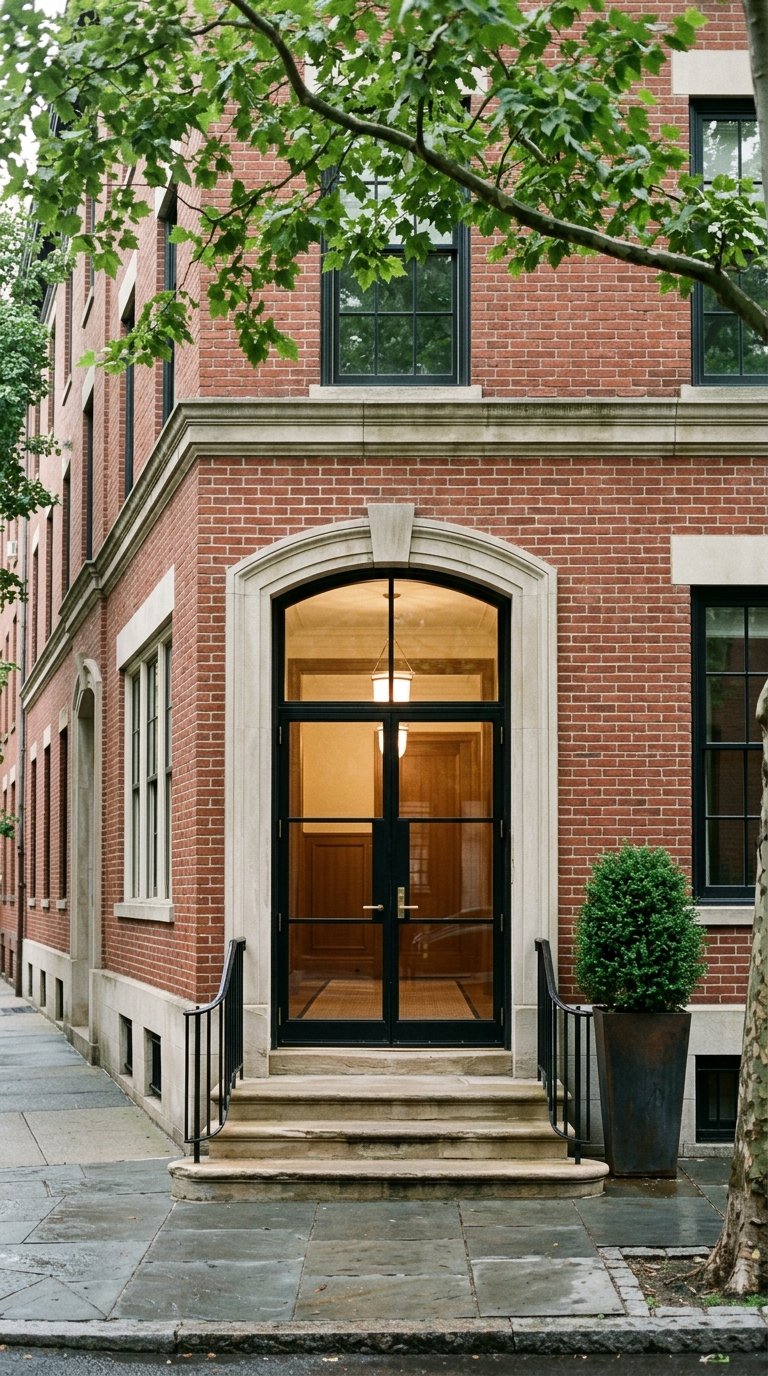
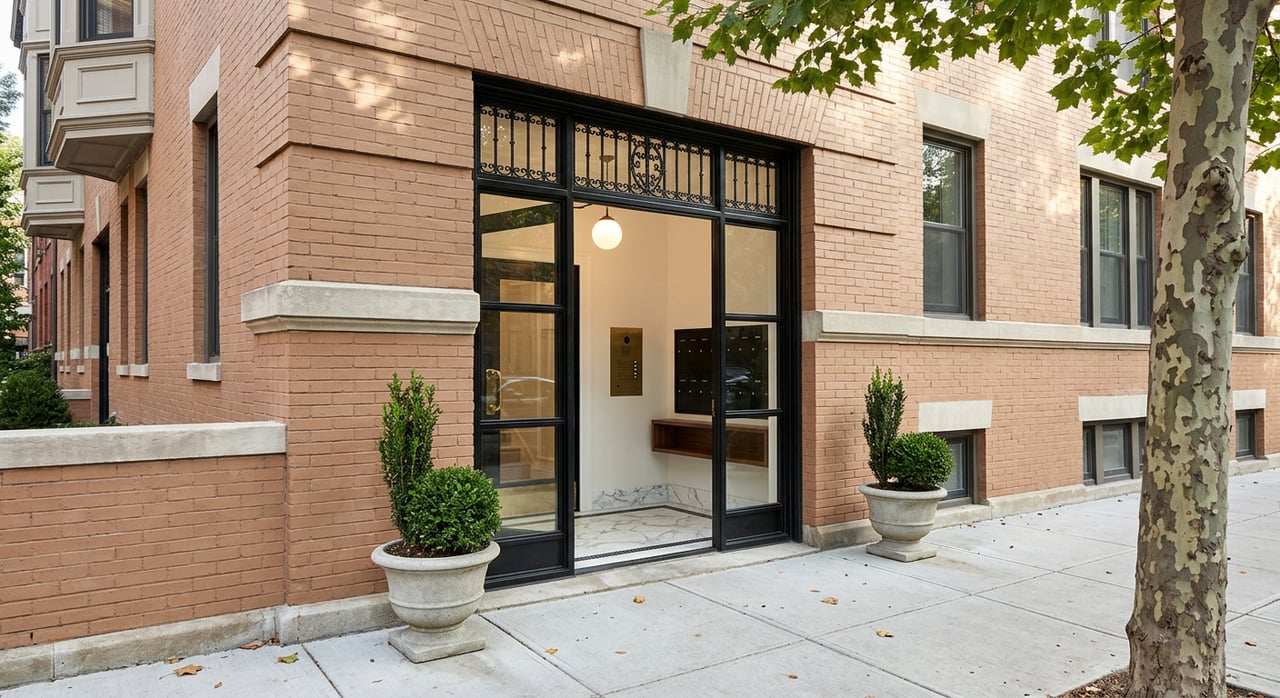
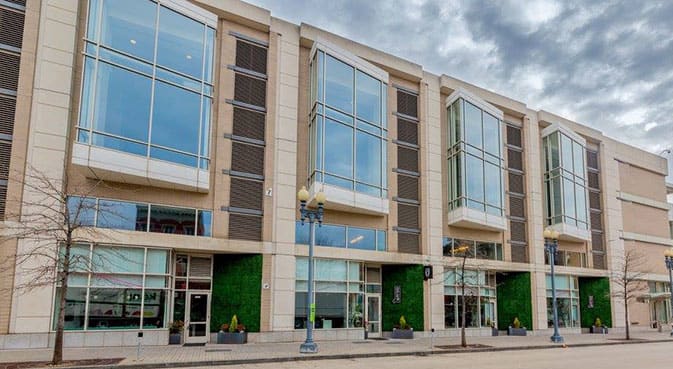
Four blocks away, The Collection at R Street turned the former Morse Schoolhouse at 440 R St. NW into twelve condominium residences of 1,200 to 2,300 square feet. Construction was complete by September 2023. The project also sold new four-level townhomes. Further up the scale, developer Community Three describes The Fold at 1999 9½ St. NW as a 30-unit condominium.
| Building | Units | Where it falls under the August 2026 rules |
|---|---|---|
| The Matthew, 1318 Ninth St. NW | 9 | Eligible for the Waiver of Project Review if it isn't part of a master association or larger development |
| The Collection at R Street, 440 R St. NW | 12 condos, plus townhomes | Over ten units, so Full Review, depending on how the legal condominium counts its units |
| The Fold, 1999 9½ St. NW | 30 | Full Review |
One unit-count detail matters for The Collection. A lender works from the legal condominium project. If the townhomes belong to the same project or a shared master association, the count only goes up. A buyer should get the legal project definition from the condo documents, not from the marketing count.
What Full Review Asks of a Twelve-Unit Building
In a Full Review, the lender looks at the association's finances in detail. Two changes to that review took effect on August 3. Lenders can still accept a reserve study in place of a budget that falls short. However, they now have to confirm the budget funds the highest reserve allocation the study recommends. Studies using the baseline funding method, which lets the reserve balance approach zero without going below it, no longer count. According to Fannie Mae's FAQ, when a study shows both a threshold option and a full-funding option, the highest recommendation controls.
Another change starts on January 4, 2027, about three months from now. For Full Review applications dated on or after that day, the minimum share of the association's annual budgeted assessment income set aside for capital expenditures and deferred maintenance goes from 10% to 15%. Freddie Mac uses the same date and the same 15% floor.
The timing affects Shaw buyers this season. If you go under contract on an 11-plus-unit condo this winter, your loan application date determines which reserve test the building has to meet. If the building's budget sets aside 12%, a loan application dated in December is held to the 10% floor. One dated in early January is held to 15%.
The building doesn't get to decide what counts as enough information, either. If the association's questionnaire answers come up short, Fannie Mae says the lender has to get other documentation, or the project is ineligible. Freddie Mac's July 15 FAQ says the condo questionnaire form is only required for certain review types. Even so, the lender still has to establish that the project is eligible.
None of this binds the association. In a March 20 alert, the DC-area community association law firm Chadwick, Washington, Moriarty, Elmore & Bunn called the new standards "not mandatory legal requirements." The firm still urged boards to consider meeting them, since doing so helps keep the pool of potential buyers large. A building can legally keep its budget as it is. If it does, fewer buyers will be able to finance a unit there.
The Small Side Got a Second Advantage
The waiver does more than skip the paperwork. New-construction condos have long carried a presale requirement: before anyone can close, at least 50% of the units in the project or legal phase must be sold or under contract to owner-occupants or second-home buyers. That requirement still applies to new and newly converted projects under Full Review. The waiver now covers new projects of ten or fewer units as well as established ones.
John Downs of the Downs Mortgage Group at Vellum Mortgage wrote about the change on July 29, before it took effect. He described how the old rule played out in small DC buildings. Every unit would finish at once, but contracts came in over weeks and months, so a buyer who was already approved could be stuck waiting for the sales count to reach the threshold. Under the new rules, he wrote, buyers in qualifying small projects "can settle immediately." He also argued that the waiver matters more in DC than almost anywhere, because the city's new condo construction is dominated by boutique buildings. That's one lender's forecast, written before August 3. Shaw's mix of nine-unit and twelve-unit projects is exactly what he was describing.
The waiver has conditions. The project can't have an "Unavailable" status in Fannie Mae's Condo Project Manager, and it has to meet the insurance requirements. Freddie Mac eased one condition on May 6. Lenders no longer have to confirm that a stand-alone 5-to-10-unit project has no critical repairs or evacuation order to treat it as exempt from review. A nine-unit building can still be a problem purchase. The difference is that the lender doesn't do the checking, which leaves it to the buyer.
Where This Meets a Slow Condo Market
These rules arrived while condos are moving slowly. In the Greater Capital Area Association of REALTORS' August 2026 condo and co-op report, which covers more than the District, units that sold in August spent an average of 55 days on market. That's 43% above the five-year August average of 39. There were 0.17 pending contracts for every active listing, 49% below the five-year August average of 0.34, and sales closed at 95.1% of original list price. Washington Post News Service reporting published September 22 found that DC-area condos sold in July 2026 averaged 30 days on market, compared with 11 days for single-family homes. Condo inventory was up 24% from July 2025.
"In the condo market buyers have great clout," Bright MLS chief economist Lisa Sturtevant said in that Daily Record story. She also warned that condo fees can push the total monthly cost past some buyers' budgets. The same story describes structural problems and the need for a new roof, both of which would have raised the condo fee substantially.
For Shaw, that means buyers have room to ask questions and time to get answers before they commit. With more units sitting longer, a buyer looking at an 11-plus-unit building can request the budget, the reserve study and recent board minutes while making an offer, before the loan file even opens. Downs also wrote that most DC condo budgets he reviewed this year already reserve at or near 15%, and that DMV condo fees rose through 2025 and 2026 as buildings rebuilt their reserves. If he's right, many larger buildings have already raised their fees. The budget will show whether a particular building has.
Questions to Ask Before You Write an Offer
- How many units are in the legal condominium project, and is it part of a master association? That decides whether the building qualifies for the waiver.
- What share of the annual budget goes to replacement reserves? Compare it with the 15% floor that applies to Full Review applications dated on or after January 4, 2027.
- Does the reserve study use the baseline funding method? Lenders stopped accepting baseline-method studies for applications dated on or after August 3, 2026.
- Will the management company or board fully answer a lender's questionnaire? If they don't, the lender has to find the information somewhere else, or the project is ineligible.
- Does your lender add rules of its own? Downs notes that individual lenders can keep their own investor-concentration overlays even though Fannie Mae retired that limit.
- In a building of ten units or fewer, who has looked at the roof, the facade and the budget? The lender's review is waived, so this falls to you, your inspector and the condo documents.
Quick Answers
Do condo boards in Shaw have to adopt the 15% reserve level? No. Chadwick Washington's alert says associations only have to follow their own governing documents and the law. The new standards affect whether a unit qualifies for Fannie Mae or Freddie Mac financing.
Which date applies to my purchase? For both the August 3, 2026 and January 4, 2027 changes, the rules key off the date of the loan application. The contract date doesn't decide it.
Did anyone in the DC area tell boards to prepare? Yes. In a May 4 client alert, Claudia Lopez-Knapp of Whiteford summarized the changes for associations in Virginia, Maryland and Washington, DC, with recommendations for boards.
If you're deciding between a nine-unit Shaw building and a larger one, I'm happy to go through the condo documents, the reserve budget and the timing of your loan application with you before you make an offer. At Jen Angotti, we do that work before you commit, so the financing doesn't catch you off guard. Let's talk about your next move.
This article is general information, not legal, tax or financial advice. Consult a qualified professional about your situation.