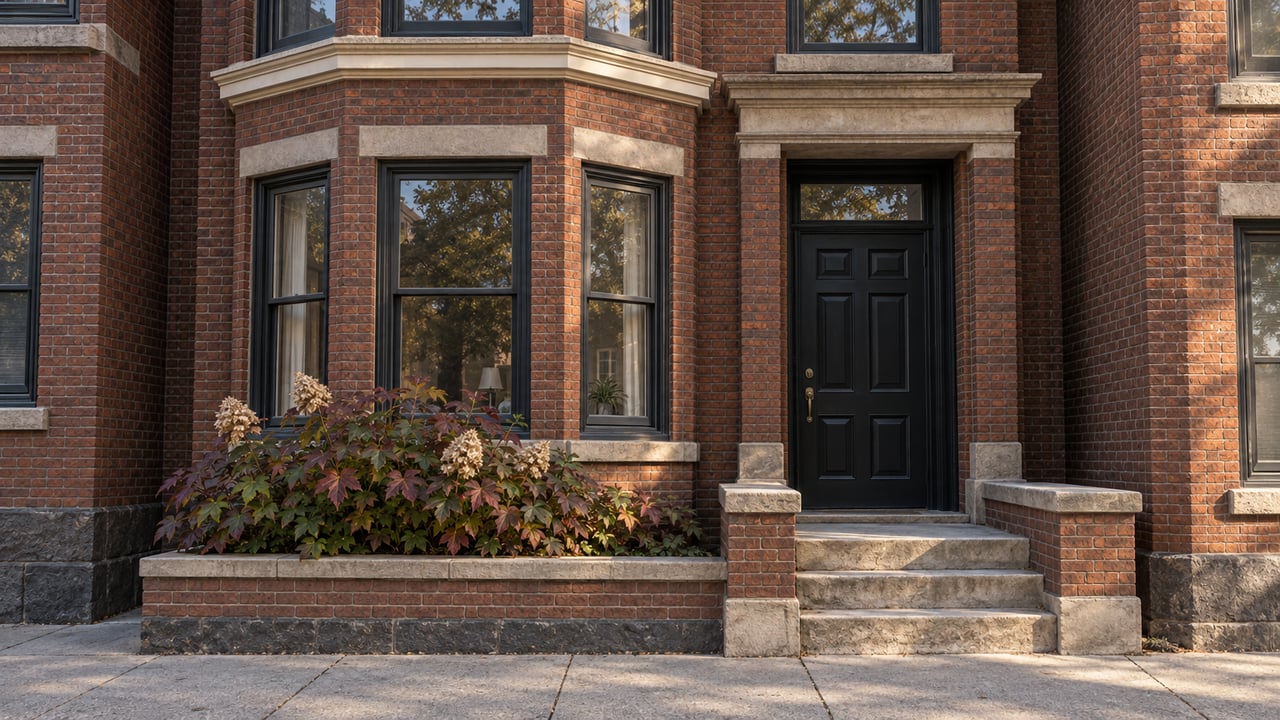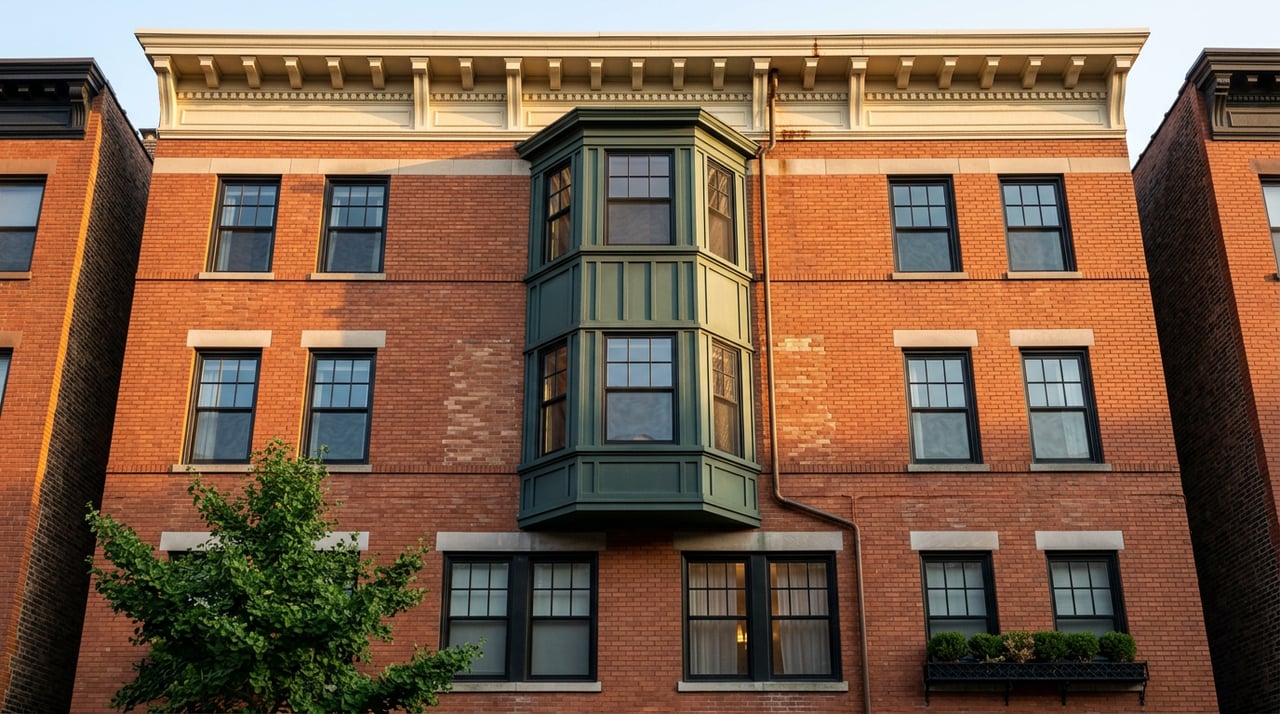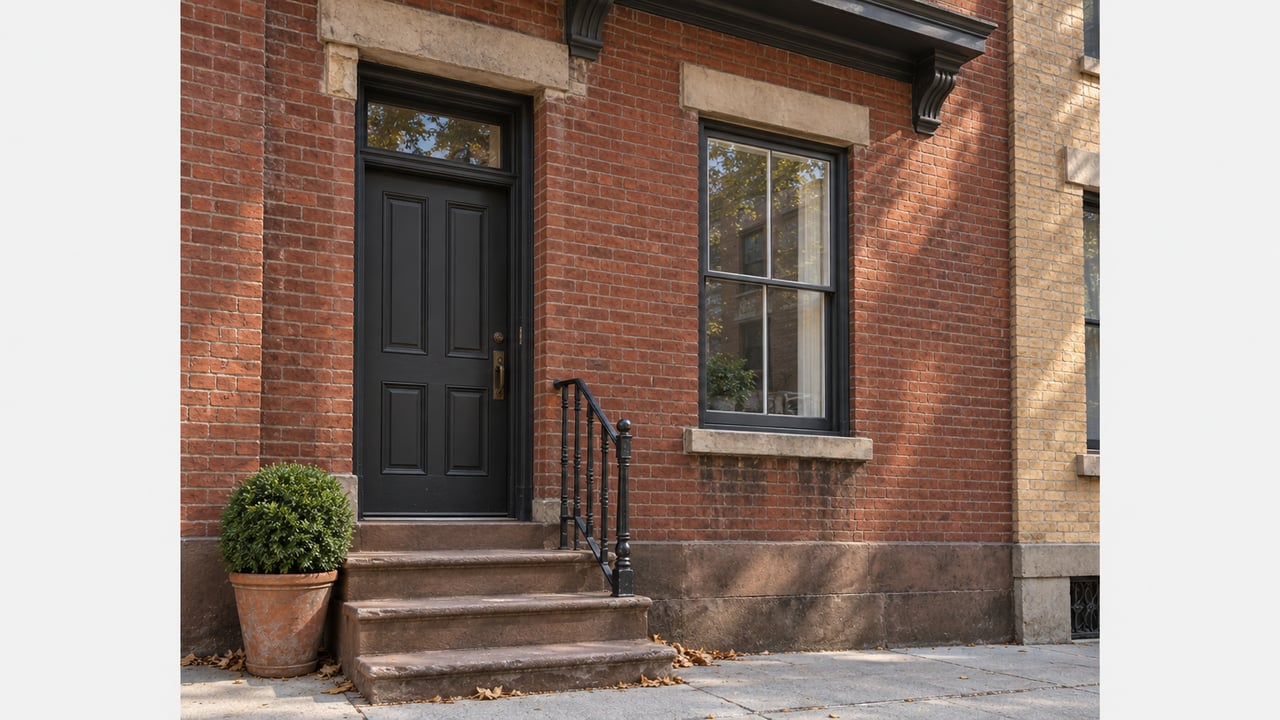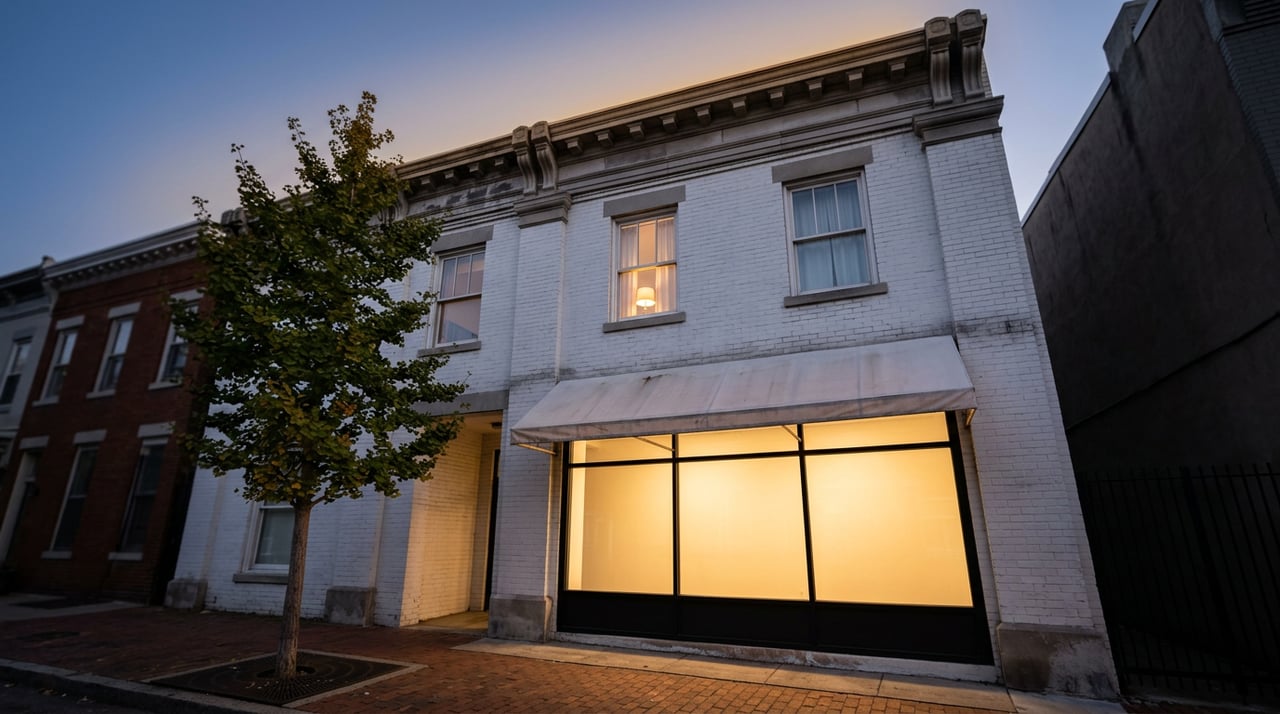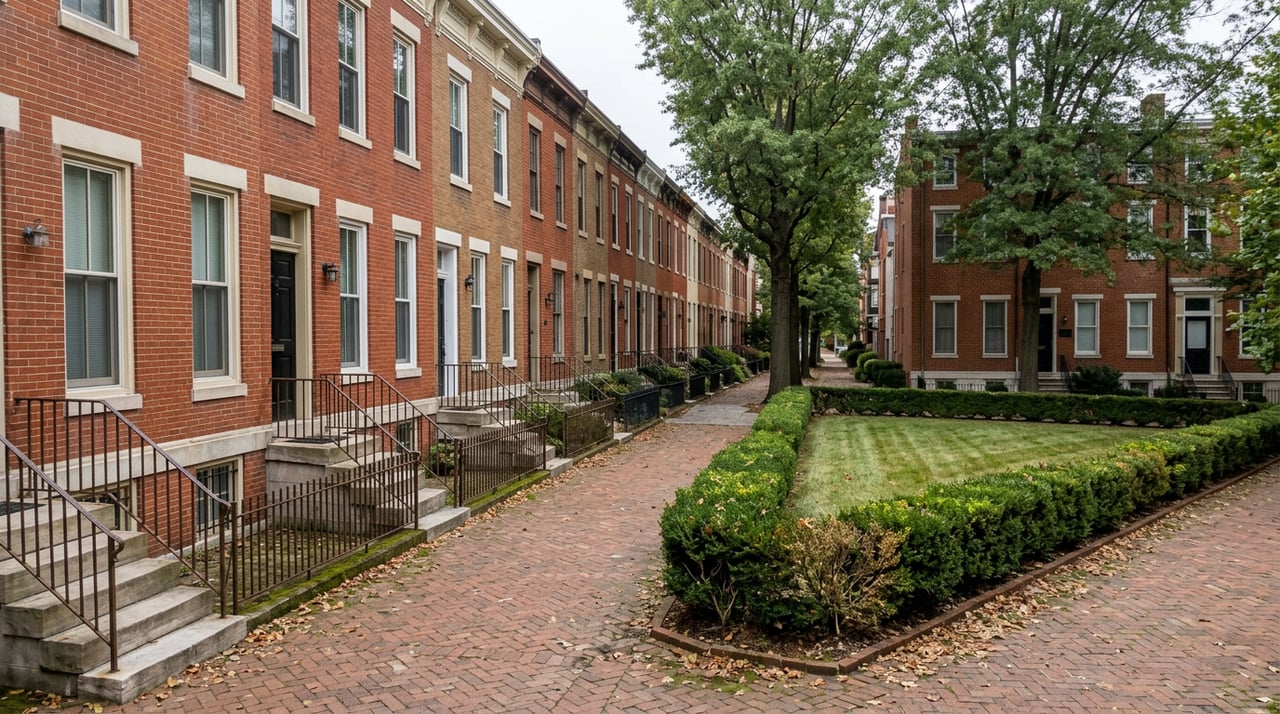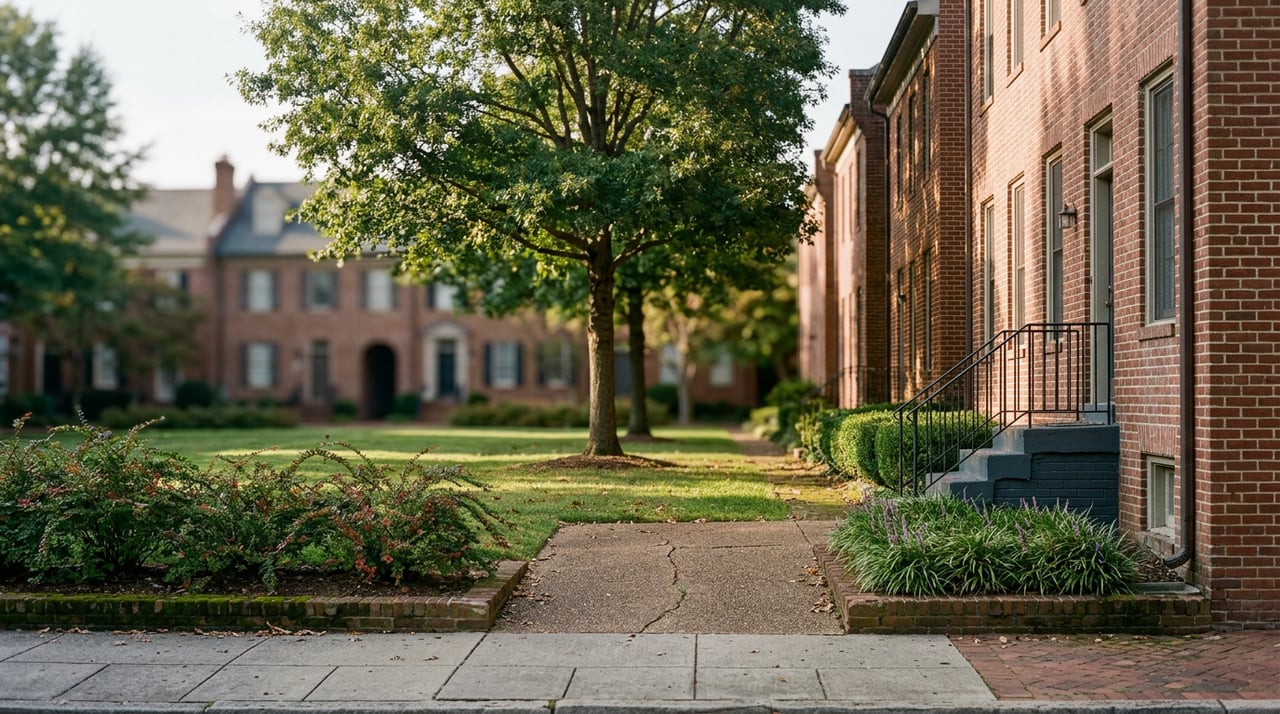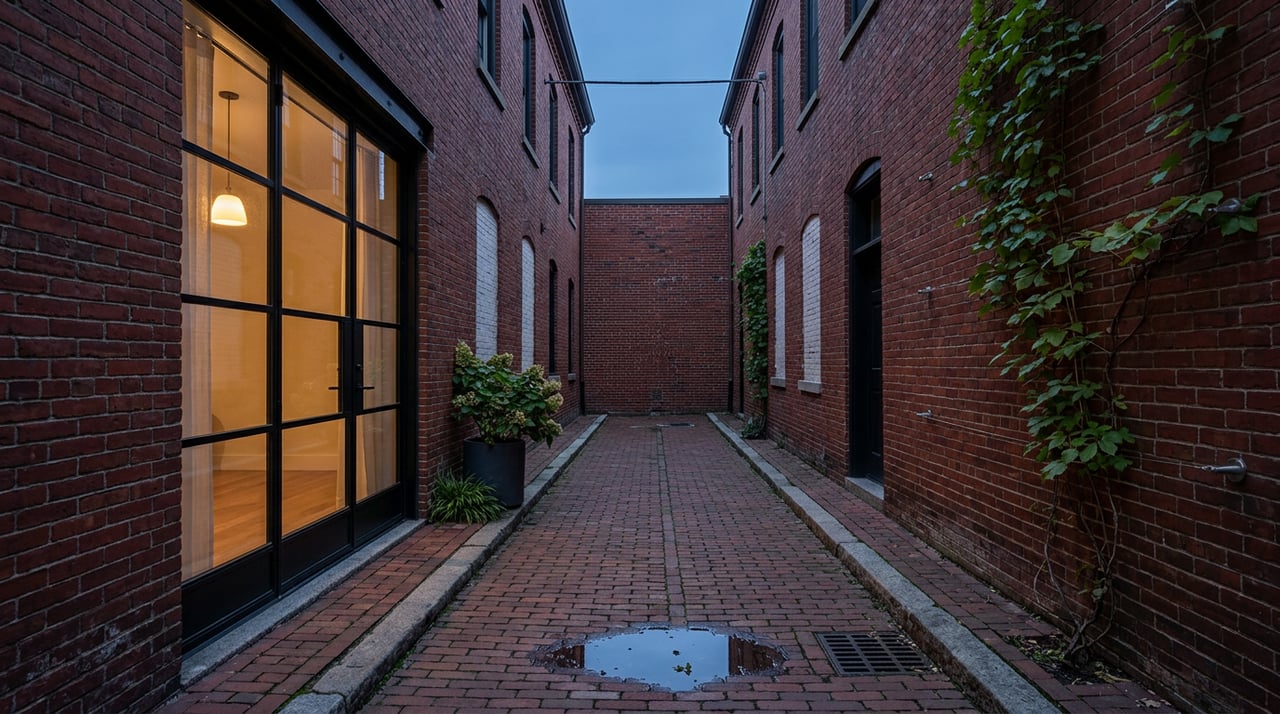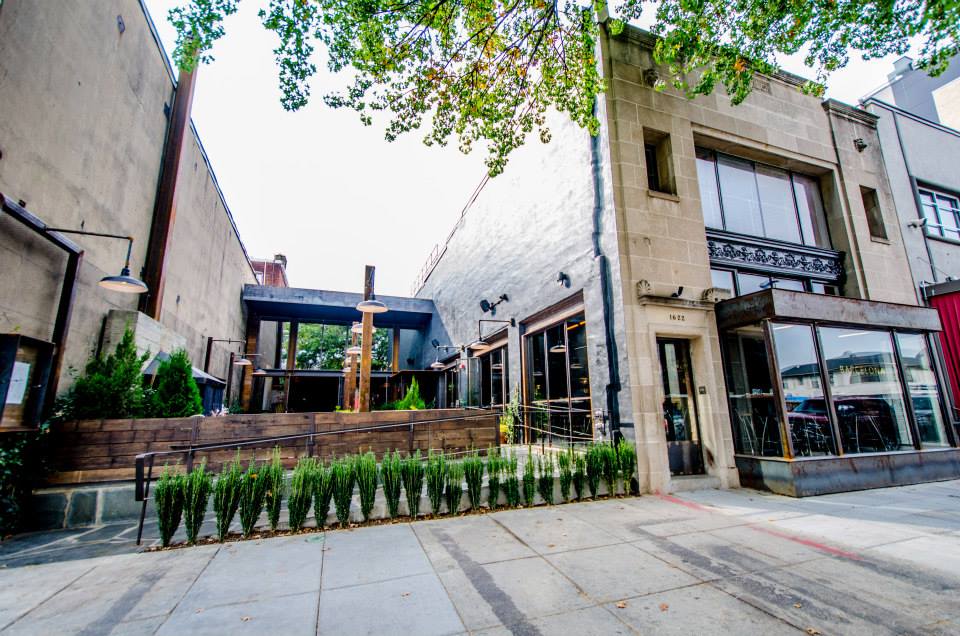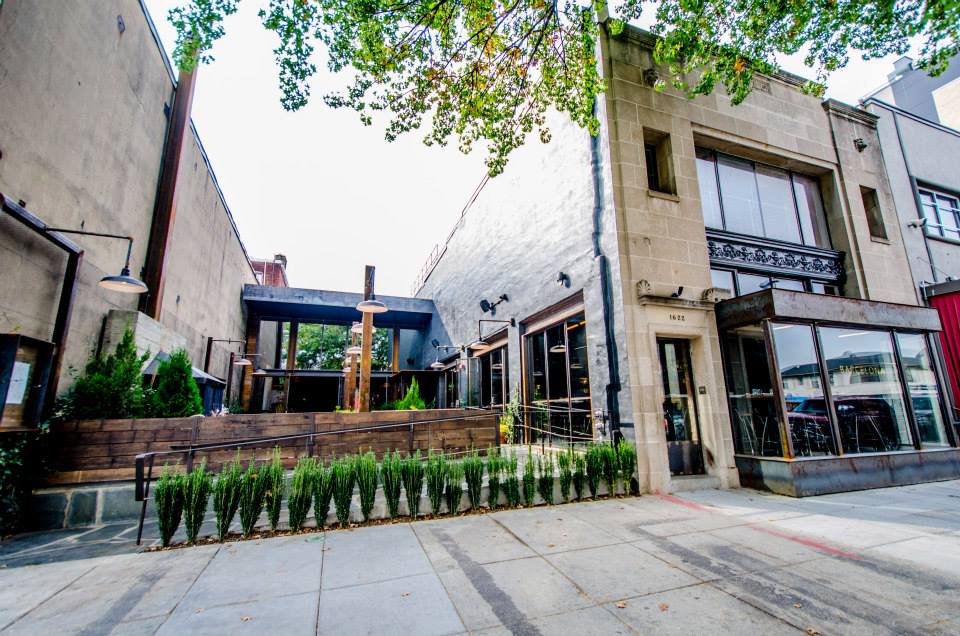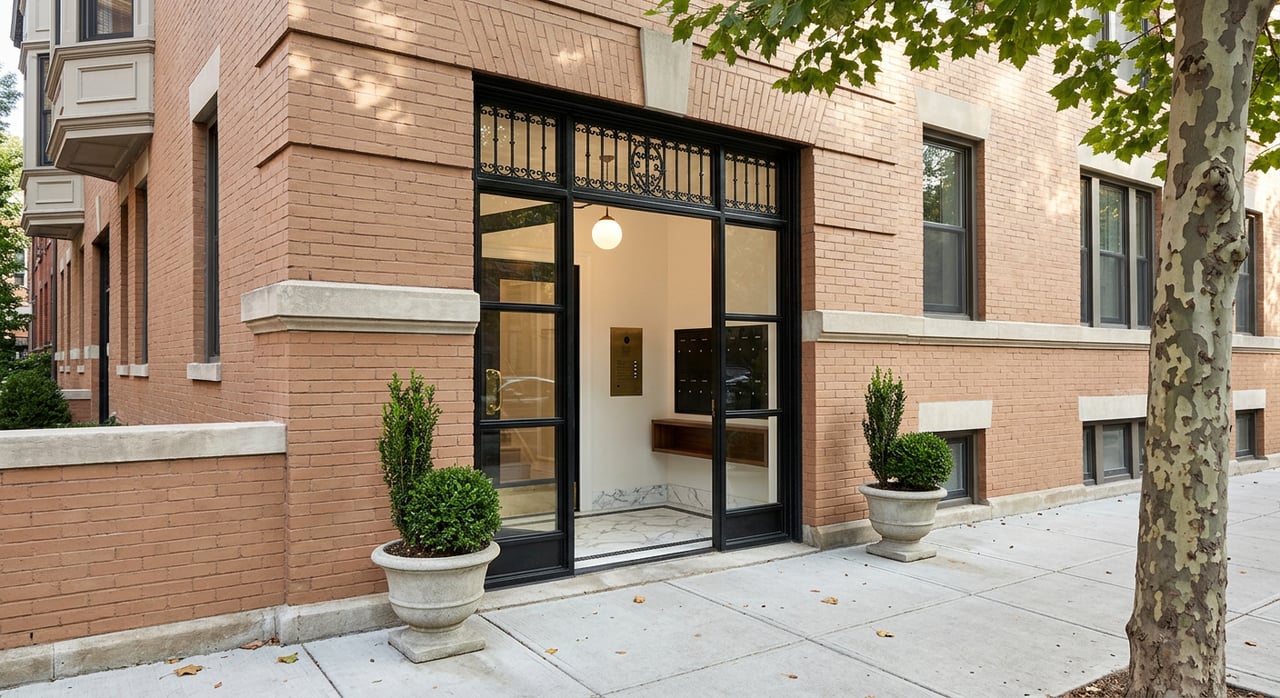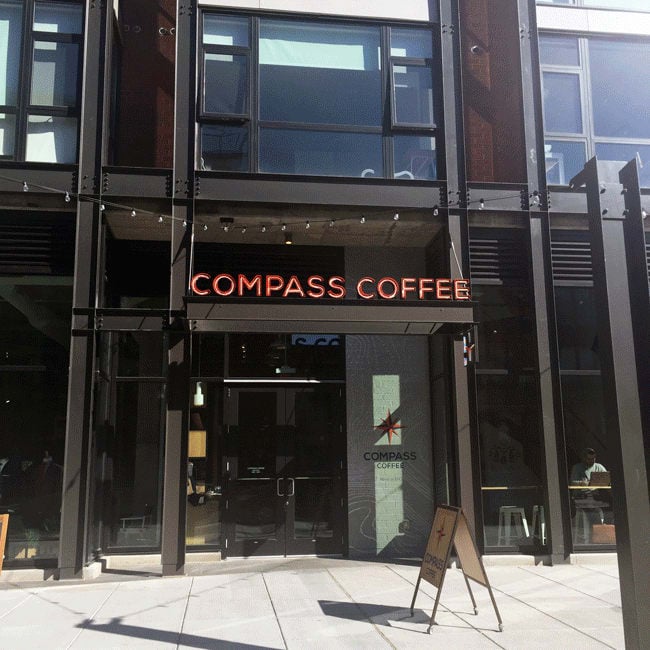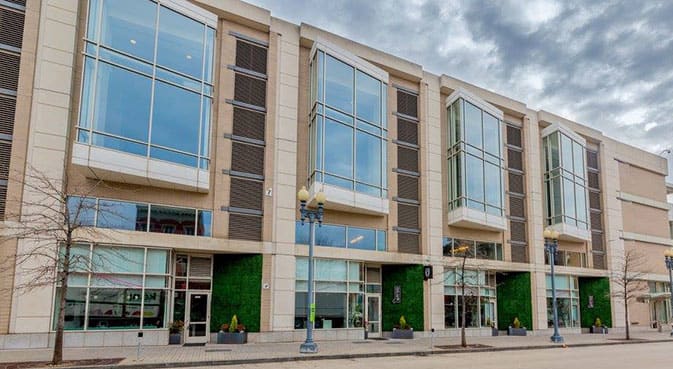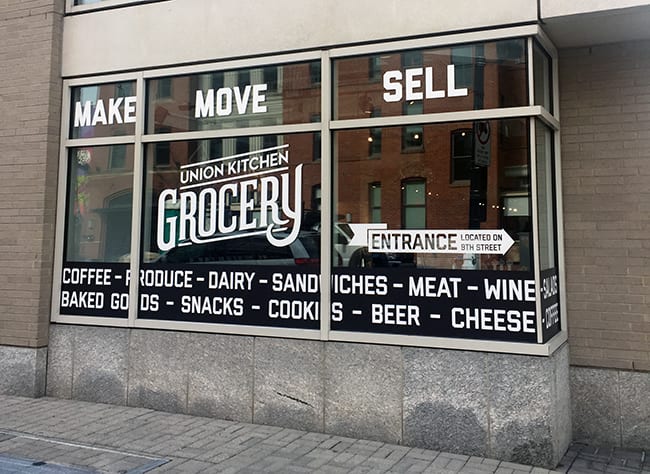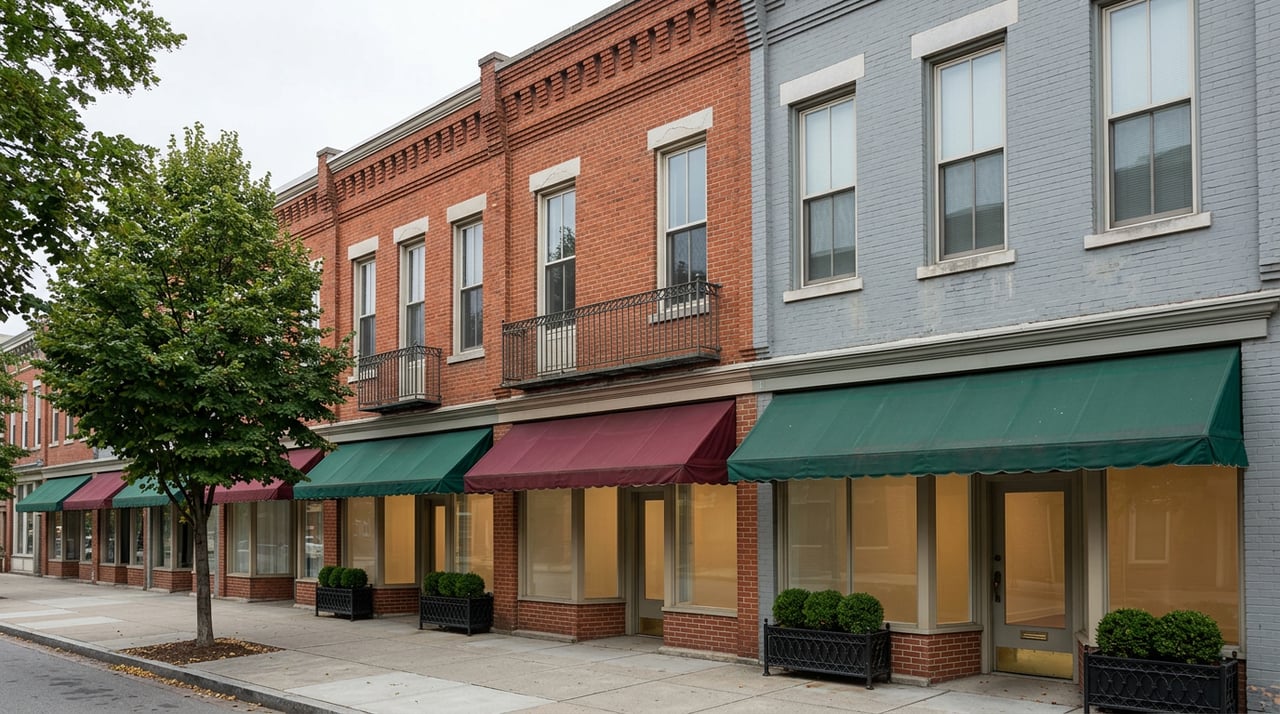
The 14th Street face has a glass atrium and crowds heading in and out of Best Buy; the Irving Street side has the loading docks and a narrower sidewalk. DC USA opened in February 2008.
According to Popville, on September 1, ANC representative Christine Miller shared that DC USA is rolling out a new push called Eat Street, with plans for up to eight new restaurant spaces along the Irving Street frontage. Miller's reaction, posted to social media, captured the mood of a lot of longtime residents: relief mixed with a little disbelief that this side of the building is finally getting attention, plus genuine surprise at one specific tenant rumor. A bouldering gym. Nobody was expecting that on Irving Street.
While the mall is announcing plans for restaurant space it hasn't leased yet, restaurants nearby have already opened.
DC USA and Columbia Heights in 2008
DC USA opened as the largest retail development in the District, anchored by Target, Best Buy, Marshalls, and Old Navy, at a moment when Columbia Heights had vacant land near its Metro station. The city treated it as the linchpin of the neighborhood's turnaround. Two years after it opened, the Urban Land Institute named it one of ten outstanding developments in the Americas, and the District's own planning director at the time called it one of the greenest shopping centers in the country. Urban planners still point to it as an unusual case: an enclosed, suburban-style mall built into a dense, transit-served city block, something no other DC neighborhood has replicated.
That history helps explain Irving Street's layout today. DC USA was designed around big anchor stores that pull people in through an atrium, rather than around a string of independent storefronts along a sidewalk. The model worked for what it was built to do, and the Irving Street frontage reflects that design.
What "Up to Eight" Actually Means Right Now
It's worth being precise about where things stand, because the framing matters if you live nearby and are wondering when to expect a new dinner option. As of the September 1 announcement, Eat Street is a leasing campaign, not a lineup of open restaurants. The commentary from neighbors, including Miller's own post, has been hopeful but tentative, with people openly hoping, as Popville reported, that the spaces "get leased soon." Nothing indicates signed tenants yet, let alone opening dates.
That's not a knock on the plan. The plan could add up to eight restaurant spaces along the Irving Street frontage. But it's a multi-year proposition, not a fall opening. If you're the kind of resident who checks in on neighborhood news, you can also follow what's happening two and three blocks away.
Restaurant Openings in and Around Columbia Heights
Fall 2026 has turned into a genuinely busy season for Columbia Heights dining, and none of it came out of Irving Street.
As Washingtonian reports, the most talked-about opening is Major Yum, a Chinese-Korean fast-casual concept from chef Scott Chung, previously of the Sparrow Room and Bun'd Up. It's set to open this fall in the space that used to house Bad Saint, the Filipino restaurant that closed in 2022. A bar that briefly took over the spot shut down after a public feud between its owner and a local ANC commissioner. Major Yum would be the third business at that address in four years.
A few blocks over, Ulivo has opened as a straightforward neighborhood Italian spot, the kind built to be a regular rotation rather than a special occasion. Burrata and calamari to start, spaghetti and ricotta cavatelli for the pasta course, hanger steak and roasted trout with salmoriglio sauce for mains, and everything on the menu priced under $30. It's not trying to be the destination restaurant. It's trying to be the place you go on a random Tuesday, which is its own kind of ambition in a neighborhood that already has plenty of destination restaurants.
And up Georgia Avenue, Kuro Listening Bar has become one of the more distinctive additions to the broader area's cocktail scene, built around a pair of vintage JBL 4435 studio monitors and a Japanese-inspired approach to both drinks and sound. It's already showing up on 2026 lists of the best new restaurants near Columbia Heights, evidence that people are willing to walk a few extra blocks off the main corridor for something that feels genuinely different.
Together, these three restaurant stories span a forthcoming fast-casual opening, a neighborhood Italian spot, and a listening bar.
Eat Street and the Neighborhood's Restaurant Scene
Put those two stories next to each other and the news isn't just that DC USA wants restaurants on Irving Street. It's that the mall is planning restaurant spaces while nearby restaurants open on their own timelines.
That's a shift from the model the mall was built on. In 2008, DC USA opened with an atrium-centered design and anchor stores. In 2026, Eat Street proposes restaurant spaces along the Irving Street frontage. Whether or not the boulder-climbing rumor pans out, those spaces remain part of a leasing campaign.
What This Actually Means If You Live Here
If you're already in the neighborhood, the practical takeaway is this: don't hold your weeknight plans hostage to Irving Street news. Watch Major Yum's opening this fall if you've been waiting to see what finally sticks in the old Bad Saint space. Try Ulivo on a night you don't feel like cooking. Make the extra walk to Kuro if you want a drink built around better speakers than your apartment has.
Keep half an eye on DC USA's Irving Street side heading into 2027, because if even a few of those eight spaces sign leases, that stretch of sidewalk could look completely different within a year or two. Just don't confuse an announcement with an opening.
If you're curious how any of this shapes what a home near 14th and Irving is actually worth to live near, not just to walk past, that's a conversation worth having with someone who watches this block as closely as you do. Jen Angotti has been tracking Columbia Heights and the neighborhoods around it for exactly this kind of shift. Let's talk about your next move.